

Simple ways to instil good manners and polite behaviour in your child
By Orchids Editorial Team |
Date 05-12-2025
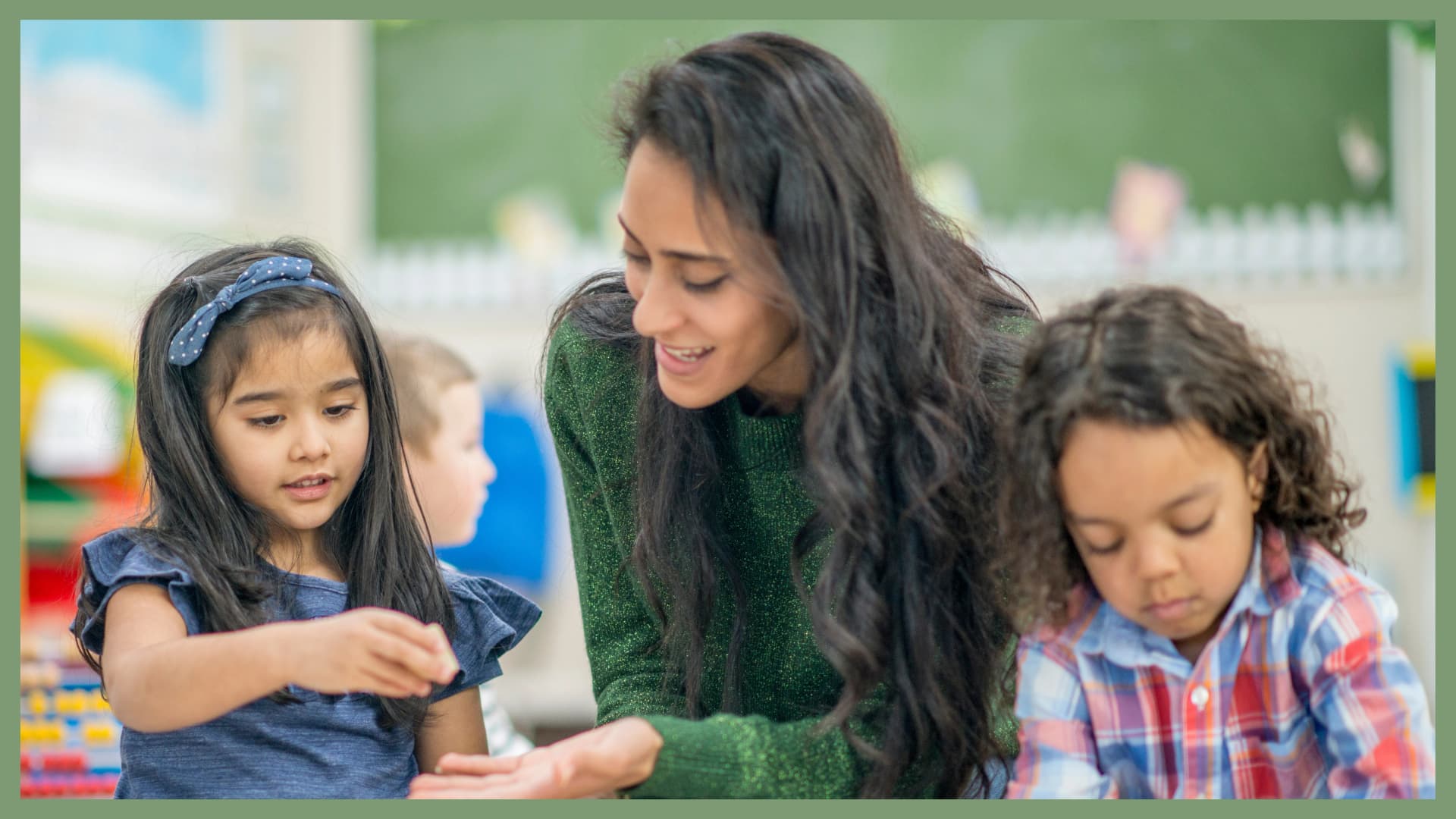
A teacher encouraging children to share and collaborate during classroom activities.
Admissions Open for 2026-27
Good manners may seem like a simple, daily habit, but they play a crucial role in shaping how children behave, communicate and build relationships. We are living in a fast-paced world where children face new social situations every day and polite behaviour helps them feel confident, respected and emotionally secure. When these values are taught early at home and reinforced consistently, manners become a natural part of a child’s personality, guiding them throughout school, social interactions and eventually adulthood. There’s also a quiet joy when parents feel good when their children talk politely by thanking a friend, holding the door for someone or apologizes sincerely. Small moments like these reflect a growing sense of kindness and maturity in children.
Why teaching good manners and politeness matters
Manners are more than rules; they reflect important values of life. Research and parenting experts emphasize that children who learn manners early often build stronger friendships and collaborate better with peers and feel more confident in social interactions. They develop better self-control, patience and empathy by understanding how their emotions affect others. These skills benefit children not only at home but also in classrooms, playgrounds, and future professional environments.
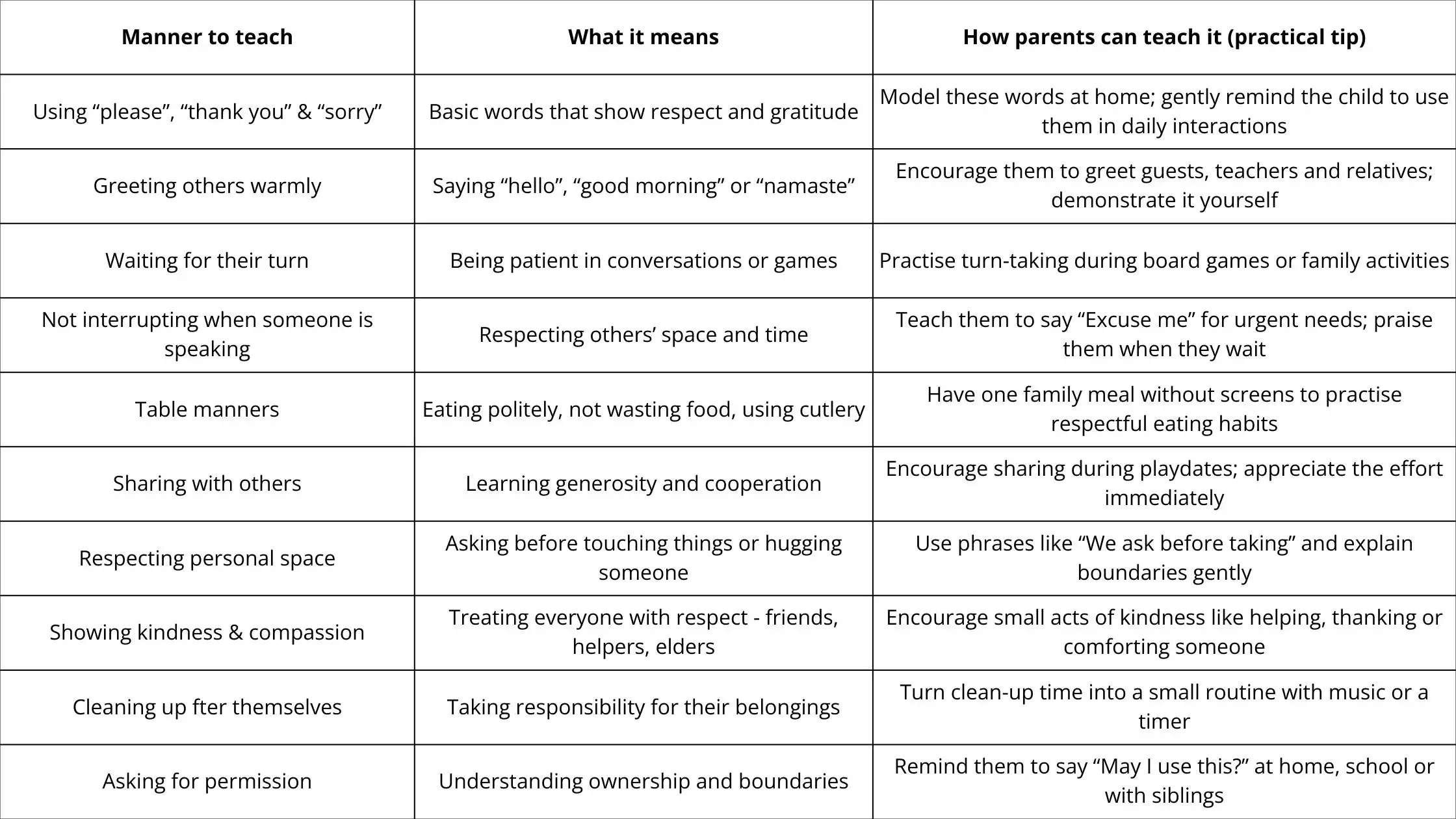
How parents can make manners stick
Teaching manners becomes easier when children see them consistently in action. Here are a few practical strategies that parents can use to make this process smoother and more natural.
-
Model the behaviour: Children imitate what they see. When parents say “please”, “sorry” or “thank you”, children internalize these values naturally.
-
Be consistent: Repetition helps habits stick. Gentle corrections work better than scolding.
-
Use role-play: Act out real-life situations like meeting guests or ordering food at a restaurant. Children find this fun and memorable.
-
Praise often: Appreciation reinforces positive behaviour and builds confidence.
-
Keep instructions age-appropriate: Young children need simple rules; older children can understand deeper values such as empathy and respect.
Children don't need rigid rules or constant corrections to learn good manners. It simply calls for small, consistent everyday actions that shape their behaviour and strengthen their social awareness. With practice and positive reinforcement, these habits soon become second nature, helping children grow into polite, confident and emotionally grounded individuals.


Admissions Open for 2026-27
Recent Blogs


CBSE Schools In Popular Cities
- CBSE Schools in Bangalore
- CBSE Schools in Mumbai
- CBSE Schools in Pune
- CBSE Schools in Hyderabad
- CBSE Schools in Chennai
- CBSE Schools in Gurgaon
- CBSE Schools in Kolkata
- CBSE Schools in Indore
- CBSE Schools in Sonipat
- CBSE Schools in Delhi
- CBSE Schools in Rohtak
- CBSE Schools in Bhopal
- CBSE Schools in Aurangabad
- CBSE Schools in Jabalpur
- CBSE Schools in Jaipur
- CBSE Schools in Jodhpur
- CBSE Schools in Nagpur
- CBSE Schools in Ahmednagar
- CBSE School In Tumkur

Call Us to know more about Orchids
Swipe Up












Orchids The International School is one of India's leading chains of CBSE and ICSE schools, with 110+ schools across the country.