

Taekwondo: Decoding the hidden benefits of this martial art for your child
By Orchids Editorial Team |
Date 03-12-2025
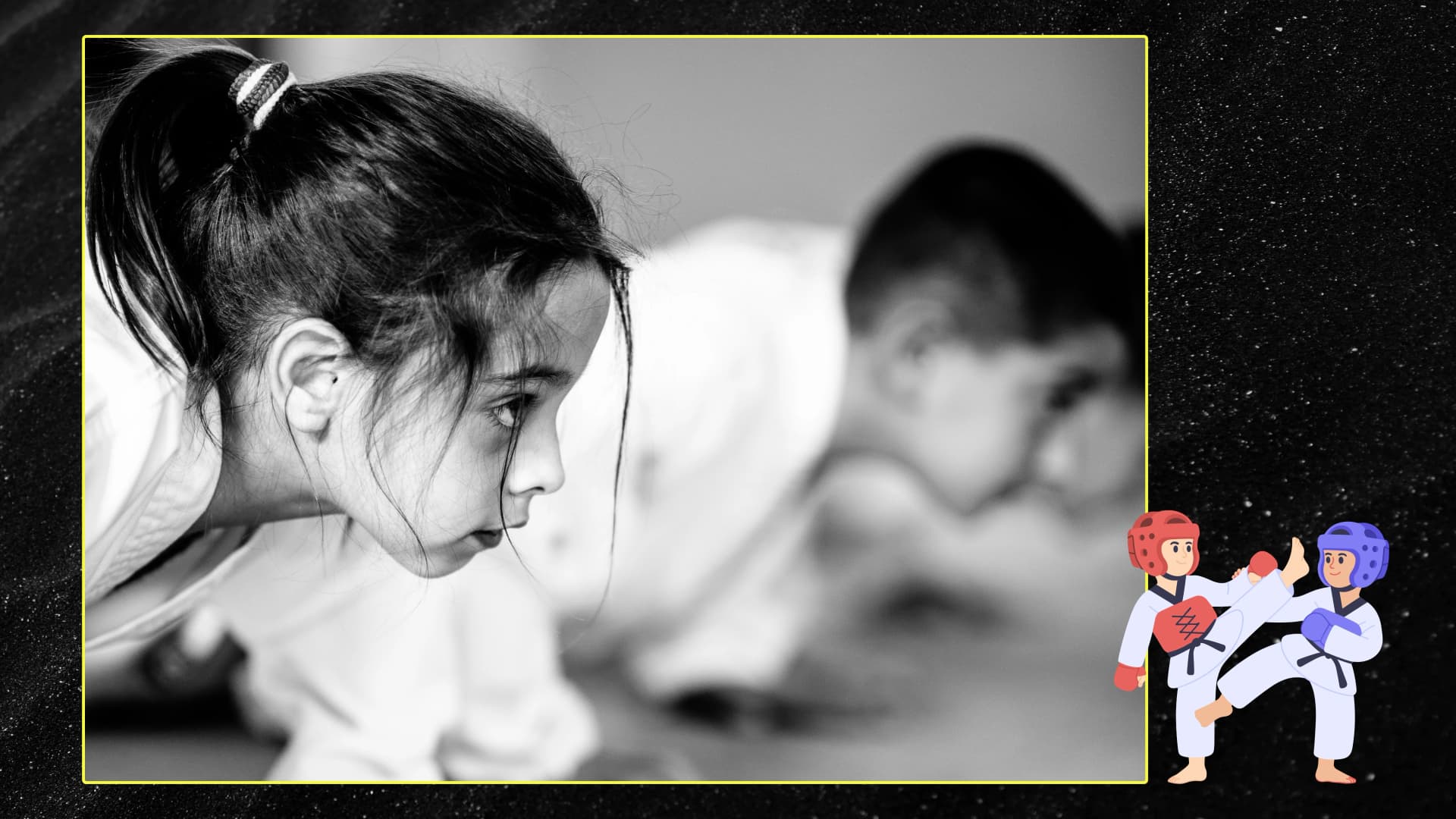
Children learning the foundations of Taekwondo through focus and discipline.
Admissions Open for 2026-27
Taekwondo has become one of the most sought-after activities for children, not just because it’s dynamic and energetic, but because it nurtures qualities that shape a child’s life far beyond the training mat. Walk into any Taekwondo class today and you’ll find more than children learning kicks and punches. You’ll see young minds sharpening their focus, shy personalities gaining confidence and restless kids learning to regulate their energy. What appears to be a martial art from the outside is, in reality, a structured environment where children discover discipline, resilience and respect - qualities that influence how they behave, learn and grow.
This combination of physical and mental development makes the practice truly meaningful during a child’s formative years. As more parents seek activities that build character as much as fitness, Taekwondo has quietly emerged as one of the most impactful tools in modern childhood.
Why Taekwondo is gaining popularity among children
Taekwondo, unlike other after-school sports, involves both physical rigour and emotional structure. Its repetitive routines and etiquette-based practice help children develop vital skills - focus, patience, and self-control, that are often lost in today’s digital age with short attention spans. This emphasis on holistic development aligns with the National Education Policy (NEP), which recognises physical education as a key part of children’s overall growth and encourages the inclusion of Taekwondo in school sports programmes. It directly supports NEP’s vision for a well-rounded education by fostering physical, cognitive and psychological development.

Coaches across India are noticing a clear shift: parents are no longer enrolling children in Taekwondo solely for self-defence but for the developmental benefits it offers. Repeated drills sharpen concentration, self-paced training enhances emotional regulation, rituals like bowing and taking turns foster respectful behaviour, belt progression boosts confidence, and regular movement improves strength and endurance. It’s this blend of mental and physical training that distinguishes Taekwondo.
.webp "Taekwondo")
Inside a Taekwondo class: What children are truly learning
At first, the lessons aren’t flashy, no flying kicks or intense sparring. Instead, focus is on foundational skills:
-
Stances that teach control: The attention stance and ready stance may seem simple, but they teach children how to remain still, grounded, and mentally prepared, skills that are increasingly rare in today’s fast-paced routines.
-
Beginner kicks that build confidence: Front kicks and roundhouse kicks help children develop balance, flexibility, and courage. Each successful kick provides a tangible sense of achievement.
-
Punches and blocks that increase awareness: Learning to punch accurately or block with proper timing trains children to think before reacting, an essential lesson in both self-defence and daily life.
These movements are performed repeatedly, but that repetition is intentional. It’s how discipline is cultivated, one small action at a time.
.webp "Taekwondo training")
Simple Taekwondo-inspired activities to teach kids at home
Many foundational movements taught in Taekwondo can be easily practised at home, helping children reinforce the focus, discipline and respect gained in class. When these small routines become part of daily life, their benefits become evident at home. Some examples include:
-
Ready stance hold: A 20-30 second stillness challenge to boost focus and discipline.
-
Front kick count: A slow, controlled series of 10 kicks per leg to develop balance.
-
Balloon blocking game: A fun, safe activity that enhances reflexes without feeling like practice.
-
Start-and-end bow: A small ritual that subtly reinforces respect and mindfulness.
Whether chosen for fitness, confidence, or simply out of curiosity, Taekwondo offers much more: a framework for how children behave, think, and carry themselves. In a world where children are juggling academic pressures, social expectations, and digital overloads, the discipline and self-belief fostered by Taekwondo feel more pertinent than ever. It isn’t just a martial art; it’s a formative experience, one that stays with children long after they step off the mat.


Admissions Open for 2026-27
Recent Blogs




CBSE Schools In Popular Cities
- CBSE Schools in Bangalore
- CBSE Schools in Mumbai
- CBSE Schools in Pune
- CBSE Schools in Hyderabad
- CBSE Schools in Chennai
- CBSE Schools in Gurgaon
- CBSE Schools in Kolkata
- CBSE Schools in Indore
- CBSE Schools in Sonipat
- CBSE Schools in Delhi
- CBSE Schools in Rohtak
- CBSE Schools in Bhopal
- CBSE Schools in Aurangabad
- CBSE Schools in Jabalpur
- CBSE Schools in Jaipur
- CBSE Schools in Jodhpur
- CBSE Schools in Nagpur
- CBSE Schools in Ahmednagar
- CBSE School In Tumkur

Call Us to know more about Orchids











Orchids The International School is one of India's leading chains of CBSE and ICSE schools, with 130+ schools across the country.