

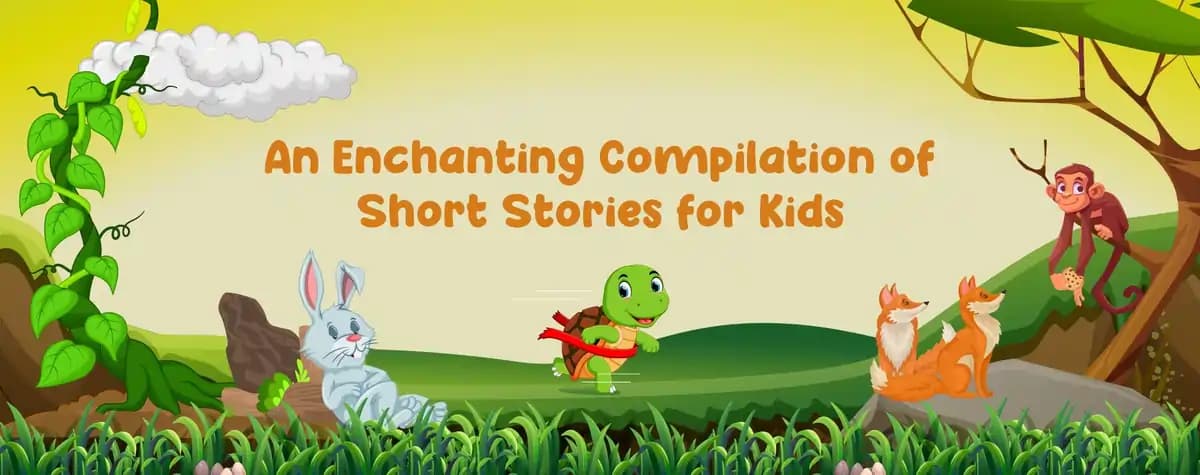
Stories for Kids: A Curated Collection of English Tales for Young Readers
A story has a way of holding a child's attention longer than almost anything else. The right one builds vocabulary, sparks imagination and quietly slips in a life lesson, all while feeling like nothing more than a bit of fun before bedtime.
This page brings together a collection of stories for kids in English, ranging from timeless fables to classic fairy tales and gentle moral stories. Each one is written simply enough for young readers to follow, while still carrying enough charm to make them want to read on.
Whether you are looking for a quick bedtime read or stories for kids in English to support reading practice at home, this collection has something for every young reader.
Stories for Kids in English








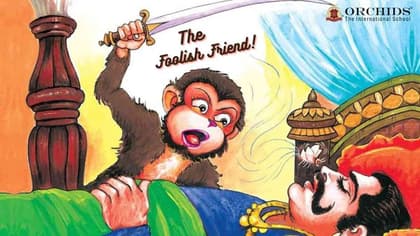
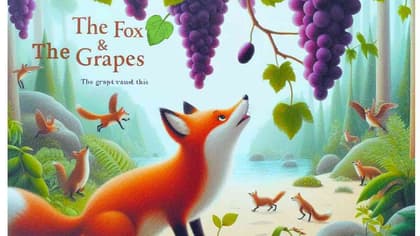
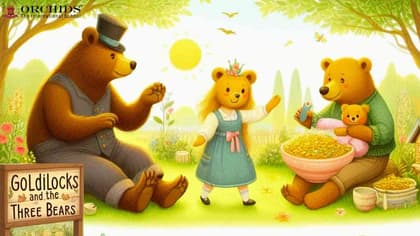

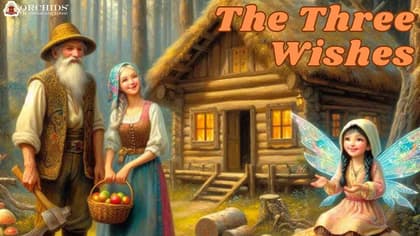
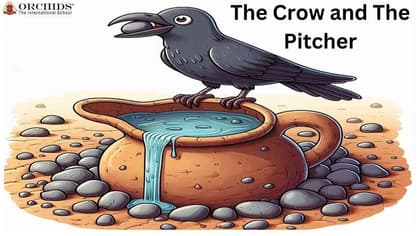
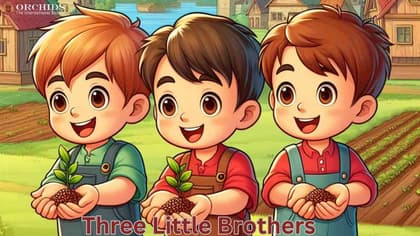
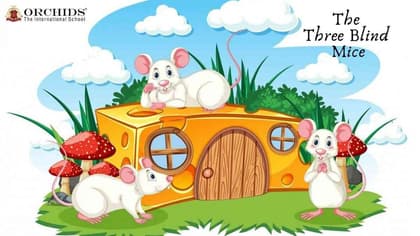
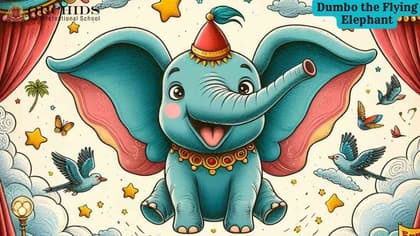
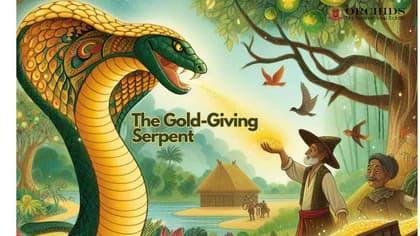
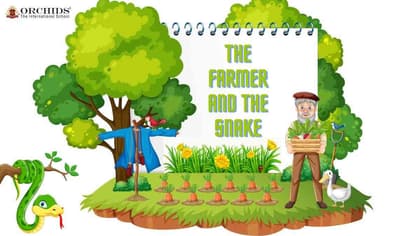
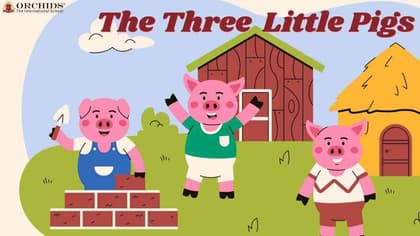

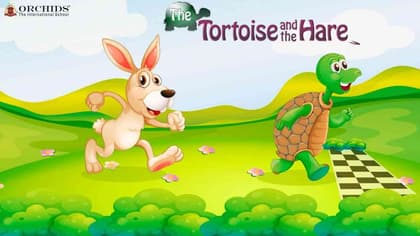
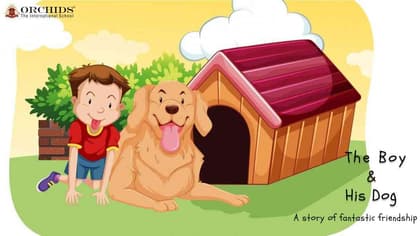
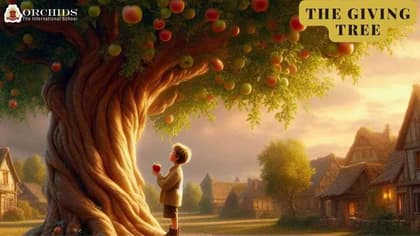
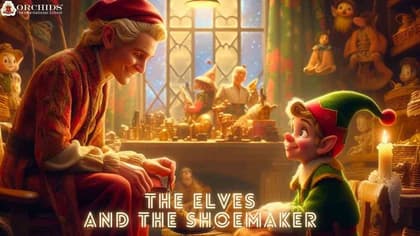

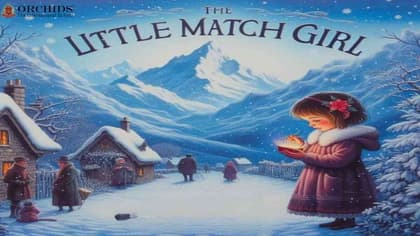
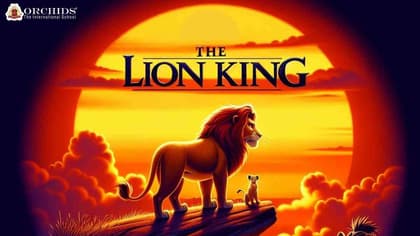
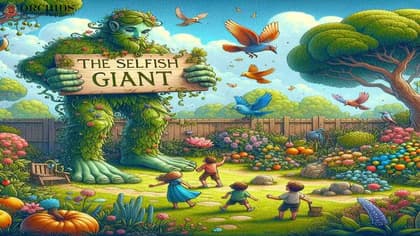

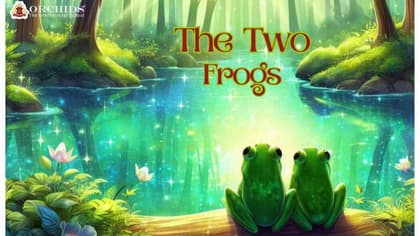
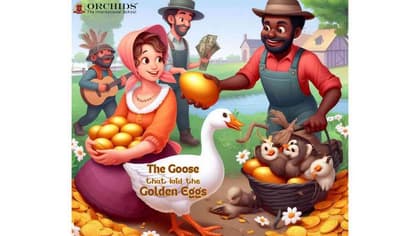
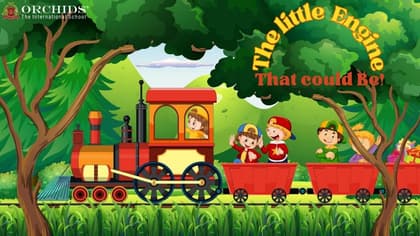
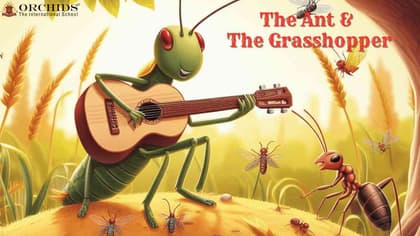
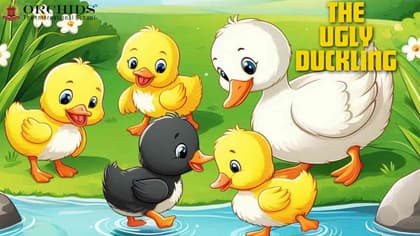
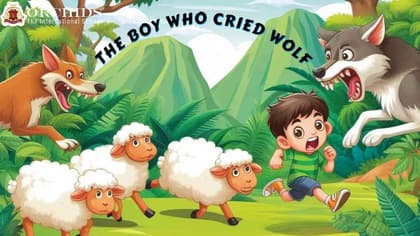

Themes Children Love
Winding down at bedtime
A good bedtime read does one job extremely well: it settles a restless mind before sleep. Soft, slow-paced tales about gentle creatures and quiet adventures help a child wind down, and over time, this becomes a ritual they genuinely look forward to each night.
Bonds that teach loyalty
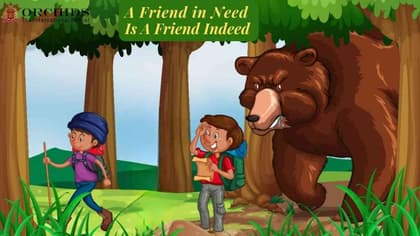
These stories for kids show, rather than tell, what loyalty, empathy and good company actually look like. The lesson rarely needs to be spelt out, because the bond between the characters carries it naturally.
Lessons in right and wrong
Few things teach right from wrong as gently or as memorably as a good moral tale. Classics like The Boy Who Cried Wolf and The Tortoise and the Hare have done this job for generations, and they still land just as effectively today.
Talking animals, bigger ideas
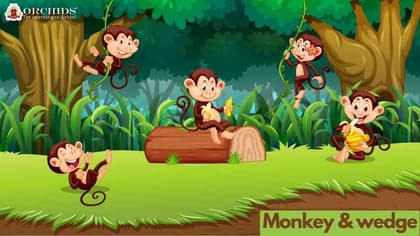
Talking animals are, in a way, a clever disguise. Beneath the fur and feathers, these stories for kids in English introduce bigger ideas: kindness, fairness and respect for the natural world, all wrapped in characters children already love to imagine.
Choosing the truth
These tales follow a character who is tested, sometimes tempted, and chooses truth anyway. That single choice makes the value of honesty easy for a child to recognise, remember and eventually practise themselves.
Small acts, lasting impressions
A small act of kindness, repeated and noticed throughout a narrative, tends to leave a lasting impression. These tales gently encourage children to look outward, notice others and lend a hand without being asked.
Kingdoms and leadership
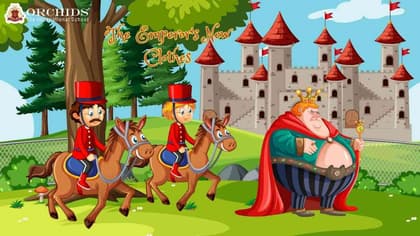
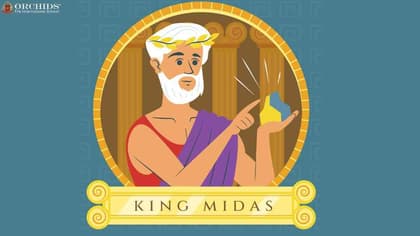
Tales about kings and kingdoms introduce children to early ideas of leadership and responsibility, often through a ruler who makes a mistake, learns from it and grows because of it.
Castles and courage
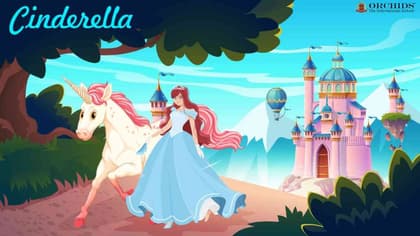
Castles, courage and a touch of magic make princess-led narratives an enduring favourite. The best of them place resilience and kindness, not just a crown, at the centre of the tale.
Just for laughs
Sometimes a read simply needs to be funny. Comic characters and silly, exaggerated situations give children a reason to laugh out loud, which is, in its own way, just as valuable as any moral.
Journeys beyond the living room
Adventure-driven narratives send children on journeys far beyond their living room. They build curiosity, a taste for the unknown and the quiet thrill of wondering what's around the next corner.
A glimpse of the future
Futuristic worlds, clever inventions and a glimpse of what might be possible stretch a child's imagination in a different direction altogether, introducing early ideas about technology, discovery and the future.
Where these Tales Come from
Fairy tales
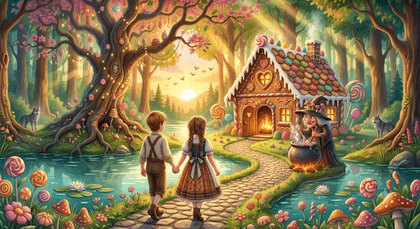
Fairy tales have entertained children for generations, filled with magical creatures, enchanted forests and tests of courage. Cinderella's lost slipper and Snow White's poisoned apple still capture young imaginations today, while quietly teaching that kindness and patience tend to win out in the end.
Aesop's fables
Aesop's fables pack an entire moral lesson into a short narrative about an animal making a choice. Centuries later, these tales still work as one of the simplest, most memorable ways to talk to children about right and wrong.
Panchatantra tales
The Panchatantra, an ancient Indian collection of interconnected narratives, uses talking animals to teach lessons in wisdom, friendship and good judgement. The themes are old, but they resonate with young readers just as strongly today.
Why Reading Stories for Kids in English Matters
Language and communication
Reading stories for kids in English builds vocabulary, improves comprehension and strengthens the communication skills children carry into school and beyond.
Imagination and creativity
Stories spark imagination, encourage creative thinking and give children's minds room to wander beyond the page.
Moral and emotional growth
From empathy to honesty, stories quietly teach the values and life skills children need to navigate the world around them.
Cultural awareness
Stories expose children to different cultures, perspectives and ways of life, building tolerance and a wider view of the world.
Confidence and connection
As children grow more comfortable with English, their confidence grows too, and reading together becomes a simple way for parents and children to bond.
Preparation for the future
Strong English skills open doors, from academic success to confident communication in an increasingly global, digital world.
Frequently Asked Questions
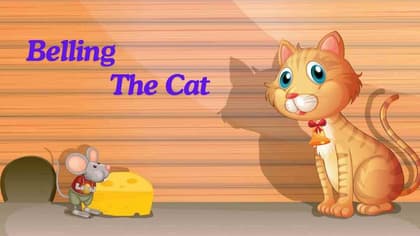
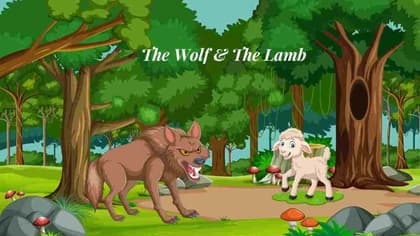
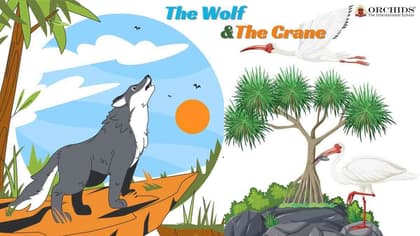
Good stories for kids to start with are usually short, simply structured and built around relatable characters or animals. Classic fables such as Belling the Cat or The Wolf and the Crane work well, as their clear morals and straightforward narratives make them easy for young children to follow and remember.
Stories help children build vocabulary, understand cause and effect and develop empathy by relating to different characters. Well-chosen stories for kids in English also support listening skills and lay the foundation for independent reading as children grow older.
Children can begin enjoying simple stories as early as two to three years old, usually through read-aloud sessions with a parent or teacher. At this stage, stories for kids should be short, with clear pictures and repetitive phrases. As children grow, they can move on to longer stories with richer plots and vocabulary.
Using different voices for characters, pausing to ask questions and encouraging children to predict what happens next all make storytime more interactive. Choosing stories for kids in English that match a child's interests, whether animals, adventure or fantasy, also keeps them engaged for longer.
Yes. Stories for kids in English are particularly effective for non-native speakers because repeated phrases, simple sentence structures and visual context all help reinforce new vocabulary naturally.
This page offers a curated collection of stories for kids in English, ranging from classic fables and fairy tales to original moral stories, each written with simple language and age-appropriate themes for young readers.
We hope this was useful for your child's learning journey. To explore more about what Orchids The International School has to offer, get in touch with our admissions team.
CBSE Schools In Popular Cities
- CBSE Schools in Bangalore
- CBSE Schools in Mumbai
- CBSE Schools in Pune
- CBSE Schools in Hyderabad
- CBSE Schools in Chennai
- CBSE Schools in Gurgaon
- CBSE Schools in Kolkata
- CBSE Schools in Indore
- CBSE Schools in Sonipat
- CBSE Schools in Delhi
- CBSE Schools in Rohtak
- CBSE Schools in Bhopal
- CBSE Schools in Aurangabad
- CBSE Schools in Jabalpur
- CBSE Schools in Jaipur
- CBSE Schools in Jodhpur
- CBSE Schools in Nagpur
- CBSE Schools in Ahmednagar
- CBSE School In Tumkur











Orchids The International School is one of India's leading chains of CBSE and ICSE schools, with 110+ schools across the country.