

Similes for Class 3 in English: Meaning, Examples and Rules
Similes are one of the most exciting parts of descriptive writing. They help us compare two different things in a creative way so that readers can easily imagine what we are describing. Instead of simply saying that something is fast, bright, soft, or beautiful, we can compare it with something familiar to create a stronger picture in the reader’s mind.
For example, instead of saying "The girl is very busy," we can say "The girl is as busy as a bee." This comparison makes the sentence more interesting and expressive.
Learning similes helps Class 3 students improve their vocabulary, creative thinking, storytelling, and descriptive writing skills. In this lesson, you will learn the meaning of similes, common simile examples, how to write your own similes and important exceptions.
Table of Contents
- What is the Meaning of Simile?
- How Do Similes Help in Descriptive Writing?
- Common Similes Using ‘as’
- Common Similes Using ‘Like’
- How to Write a Simile?
- What are the Exceptions in Similes?
- Frequently Asked Questions on Similes for Class 3

What is the Meaning of Simile?
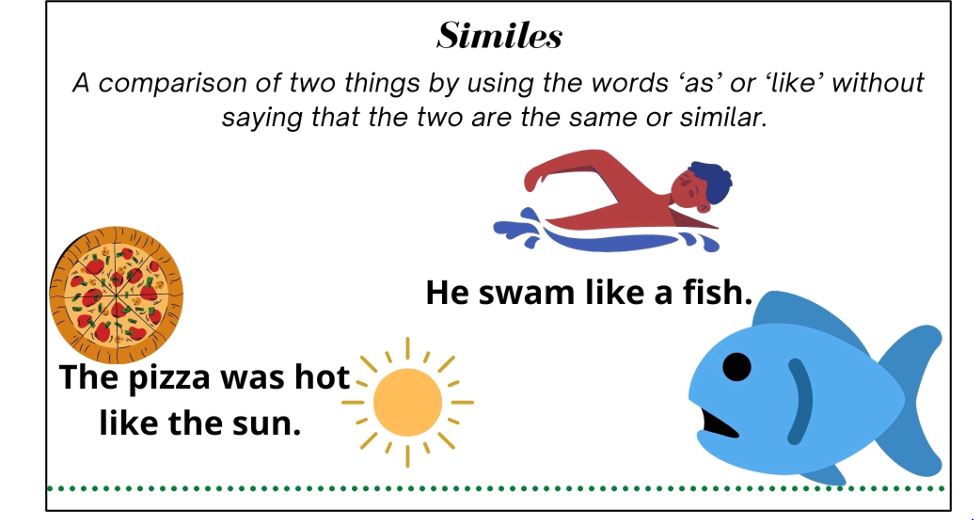
- A simile is a figure of speech that is used to compare two things or feelings or actions.
- A comparison is used to describe two different things. Similes use the word ‘as’ or ‘like’.
- Its aim is to describe one thing by comparing it to another thing that is apparently unrelated.
Examples:
- She is as busy as a bee.
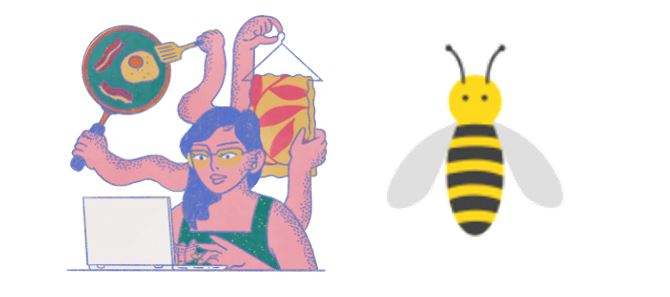
In the above example, one is a human and the other is an insect.
- He runs like a cheetah.

In the above example, one is a human, and the other is a feline animal.
How Do Similes Help in Descriptive Writing?
Now that we understand the meaning of similes, let us see why they are important in descriptive writing.
Descriptive writing is used when we want readers to imagine a person, place, animal, object, or situation. Similes help make these descriptions vivid and memorable.
ExampleWithout Simile:
The classroom was noisy.
With Simile:
The classroom was as noisy as a marketplace.
The second sentence helps readers imagine exactly how noisy the classroom was.
Benefits of Using Similes
-
Makes stories more engaging
-
Improves creative writing skills
-
Helps readers imagine situations clearly
-
Makes descriptions more expressive
-
Develops strong language skills
Students who use similes in essays and stories often write more interesting compositions.
Common Similes using ‘as’
Let us have a look at a list of common similes ‘ as something as something else’ to show a comparison.
List of Similes in English
| as black as coal | as blind as a bat |
| as brave as a lion | as clear as mud |
| as clear as crystal | as cunning as a fox |
| as cool as a cucumber | as cold as ice |
| as deaf as a post | as easy as ABC |
| as flat as a pancake | as fresh as a daisy |
| as gentle as a lamb | as helpless as a baby |
| as hungry as a bear | as light as a feather |
| as proud as a peacock | as playful as a kitten |
| as quick as lightning | as silent as the grave |
Common Similes Using ‘Like’
Let us have a look at similes that make comparisons using ‘something like something else’.
| sing like an angel | eat like a bird |
| fight like cats and dogs | soar like an eagle |
| swim like a fish | sleep like a log |
| smell like a rose | eat like a pig |
| shine like the stars | explode like a volcano |
| shine like diamonds | slept like a baby |
| sweet like sugar | strong like a raging bull |
| soft like a lamb | have eyes like a hawk |
| race like a scared bunny | work like a dream |
How to Write a Simile?
- Think of an object or a person and what you want to say about it. Do you want to say that something is huge, beautiful, or some quality for which you don’t have a describing word?
- Think of the things that display similar or the same characteristics. Combine it by saying that the first thing is “like” the second thing.
- If you want to emphasize a certain aspect, then you say the first thing is ‘as’ the second thing. For example, as beautiful, as smart, as ugly, etc.
- A simile is used to give a picture in the reader’s mind about a situation or a character. Ensure that it is a rich image.
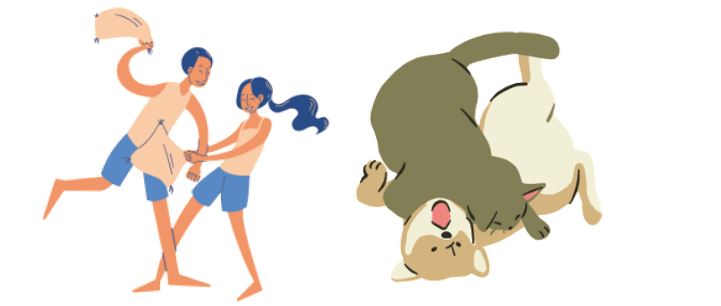
- They fight like cats and dogs.
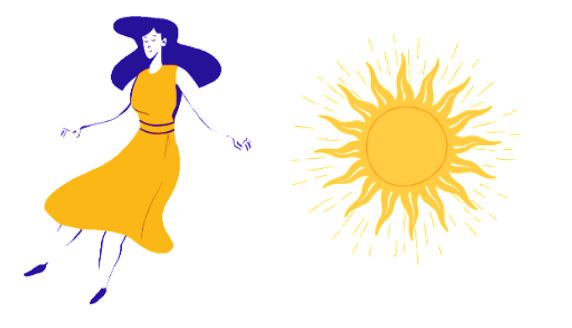
- The dress looks as bright as the sun.
What are the Exceptions in Similes?
- Similes are not always formed by ‘like’ or ‘as’. There are some similes with adverbs like ‘than’ and ‘as if’. For instance:
Examples:
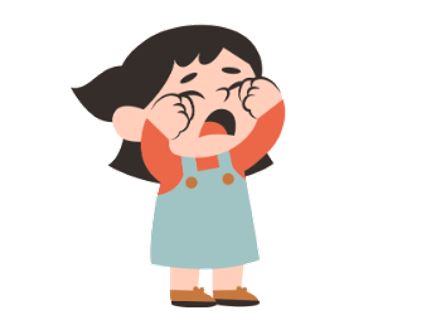
- She was crying as if she was mad.
b. His grandfather is older than the hills.
- In case of the ‘as’ pattern, the first as can be skipped.
Examples:
Her hair is smooth as silk.
Strong language skills open doors well beyond the classroom, shaping how confidently a child reads, writes and expresses ideas. If you want to know more about how Orchids The International School builds these skills through its English curriculum, get in touch with our admissions team.
Frequently Asked Questions on Similes for Class 3
1. What is a simile in English grammar?
A simile is a figure of speech that compares two different things using the words like or as.
2. Why are similes used in writing?
Similes make writing more interesting, descriptive, and easy to imagine by creating strong mental pictures.
3. What are some common similes for Class 3?
Some common similes are:
-
As brave as a lion
-
As light as a feather
-
Sleep like a log
-
Swim like a fish
-
As cool as a cucumber
4. What words are commonly used in similes?
The words like and as are most commonly used to form similes.
5. How can students create their own similes?
You can choose a quality (fast, bright, soft, etc.), think of something known for that quality, and compare them using like or as.
6. What is the difference between a simile and a metaphor?
A simile uses words such as like or as to make a comparison, while a metaphor makes a direct comparison without using those words.
Related Links


Admissions Open for 2026-27
What type of concept pages would you prefer?
CBSE Schools In Popular Cities
- CBSE Schools in Bangalore
- CBSE Schools in Mumbai
- CBSE Schools in Pune
- CBSE Schools in Hyderabad
- CBSE Schools in Chennai
- CBSE Schools in Gurgaon
- CBSE Schools in Kolkata
- CBSE Schools in Indore
- CBSE Schools in Sonipat
- CBSE Schools in Delhi
- CBSE Schools in Rohtak
- CBSE Schools in Bhopal
- CBSE Schools in Aurangabad
- CBSE Schools in Jabalpur
- CBSE Schools in Jaipur
- CBSE Schools in Jodhpur
- CBSE Schools in Nagpur
- CBSE Schools in Ahmednagar
- CBSE School In Tumkur











Orchids The International School is one of India's leading chains of CBSE and ICSE schools, with 130+ schools across the country.