

Syllable Words: One, Two, Three and More Sound Words with Rules and Examples
Syllable words are the building blocks of English phonics and pronunciation. When a child learns to identify one syllable words like ‘dog’, ‘pan’ and ‘cup’, they are developing the phonemic awareness that makes reading fluency possible. When they move on to two syllable words like ‘window’ and ‘spider’, they begin to understand how sounds combine and divide across longer words. By the time they are working with three syllable words like ‘remember’ and ‘beautiful’, they have developed the capacity to decode any word in the English language by breaking it into manageable parts.
This page covers everything students need to know about syllable words: the definition of a syllable, the rules for identifying and counting syllables, complete lists of one syllable words, two syllable words, three syllable words, a complete syllable words A to Z reference and comprehensive practice exercises.
Table of Contents
- What is a Syllable?
- Syllable Words: Complete Lists
- Syllable Words A to Z
- Practice Exercises
- Frequently Asked Questions about Syllable Words

What is a Syllable?
A syllable is a unit of pronunciation that forms a complete meaningful sound within a word. Every syllable must contain at least one vowel sound. A syllable can have one vowel alone, or a vowel combined with one or more consonants.
The Key Rules
Every syllable must have at least one vowel sound. This is the most important rule in identifying and counting syllables. Consonants alone cannot form a syllable.
How to Identify a Syllable
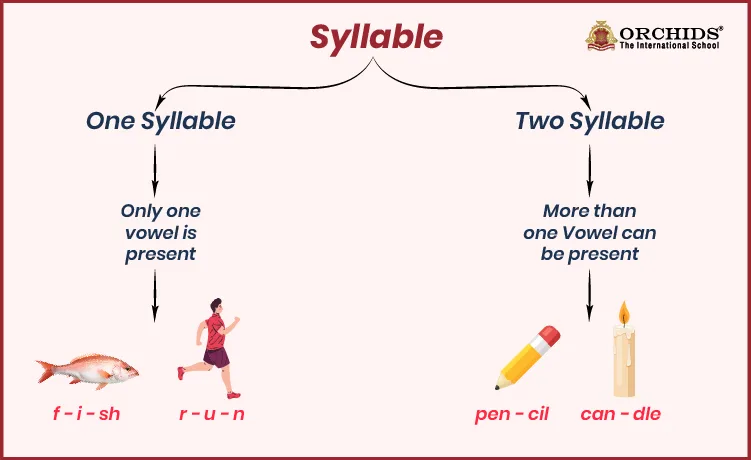
The simplest method is the clapping method. Say the word aloud and clap once for each beat you hear.
- Dog → one clap → one syllable
- Spi-der → two claps → two syllables
- Re-mem-ber → three claps → three syllables
- Ed-u-ca-tion → four claps → four syllables
Syllable Words: Complete Lists
A. One Syllable Words
One syllable words are the simplest syllable words in English. They contain exactly one vowel sound and are spoken in a single, unbroken beat. One syllable words are the first words children learn to read and the foundation of English phonics instruction.
How to Find One Syllable Words
a) This is a dog.
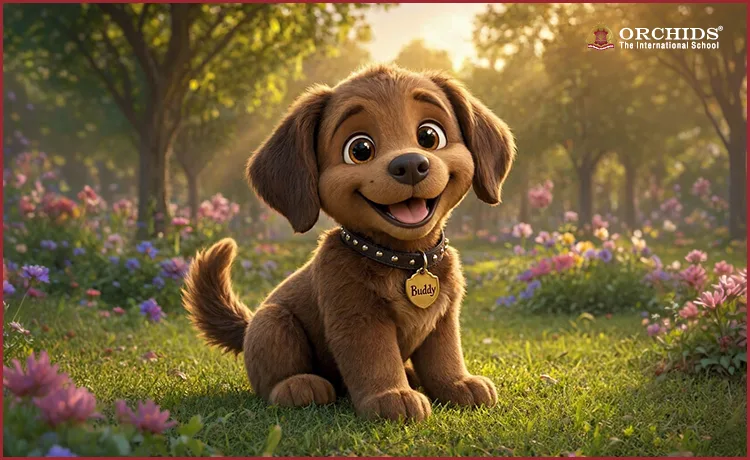
Can you count how many syllables are there in the word dog?
d-o-g
The answer is one syllable.
Why does the word ‘dog’ have only one syllable?
When you say the word ‘dog’, you can hear only one vowel sound (the 'o' vowel). Therefore, it has one syllable.
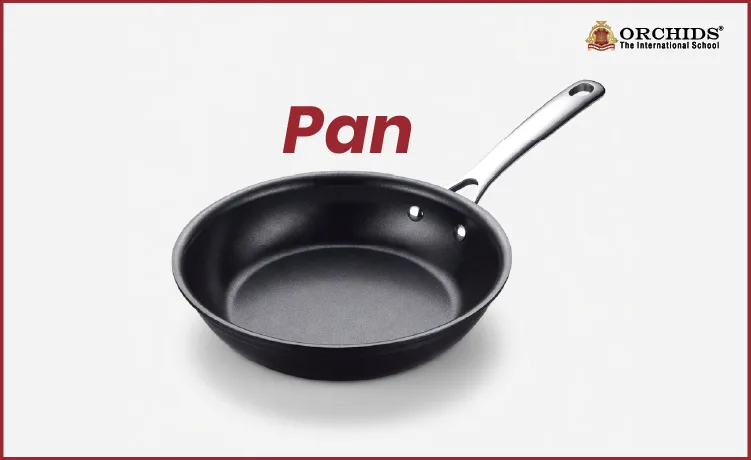
b) The word ‘pan’ also has one syllable. Why?
Because it also has one vowel sound, which is /a/.
One Syllable Words: Common Examples by Vowel Sound
|
Word Family |
Examples |
|
Short A (-at, -an, -ap, -ad) family |
cat, bat, hat, rat, mat, sat, pan, man, can, ran, fan, tan, tap, cap, map, nap, bad, had, sad, glad, flat, brat |
|
Short E (-et, -en, -ed) family |
bet, get, jet, let, met, net, set, wet, yet, hen, ten, den, men, pen, bed, fed, led, red, sled, fled |
|
Short I (-it, -in, -ig) family |
bit, fit, hit, kit, lit, sit, wit, bin, fin, pin, sin, tin, win, big, dig, fig, jig, pig, wig |
|
Short O (-ot, -op, -og) family |
cot, dot, got, hot, lot, not, pot, rot, top, cop, hop, mop, pop, dog, fog, hog, jog, log |
|
Short U (-ut, -un, -ug) family |
but, cut, gut, hut, nut, put, rut, bun, fun, gun, run, sun, bug, dug, hug, jug, mug, rug, tug |
|
Long vowel one syllable words |
cake, lake, make, take, bake, bike, like, hike, mine, wine, vine, home, tone, bone, use, tube, blue, true, fly, try, sky, cry, by, my |
B. Two Syllable Words
Two syllable words are words that contain exactly two vowel sounds are spoken in two distinct beats. They are the natural progression from one syllable words and introduce students to the concept of syllable division within a single written word.
How Two Syllable Words Divide
Now we will talk about words with two syllables.
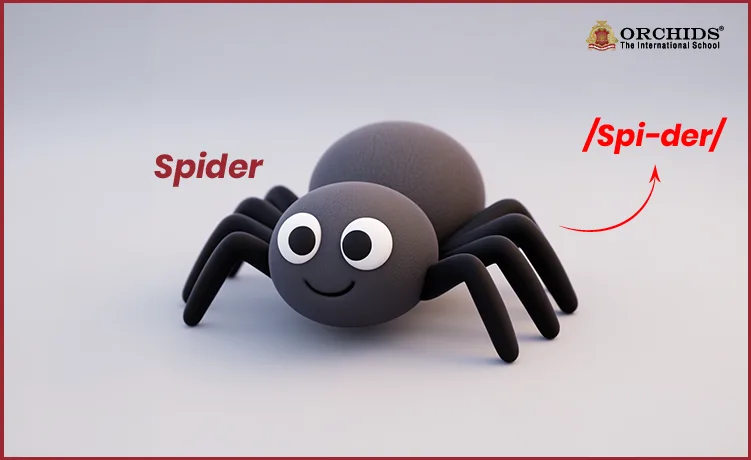
The first part of the word ends with the vowel sound ‘i’, and in the second part, we can hear the ‘e’ vowel sound. Therefore, ‘spider’ has two syllables.
a) The word ‘Spider’ has two syllables in it.
b) Similarly, the word ‘window’ has two syllables in it.
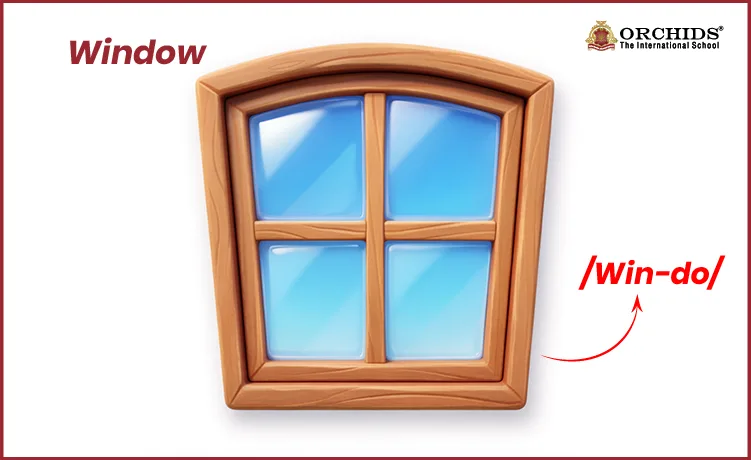
In the first part of the word, the ‘i’ vowel sound can be heard. So, ‘win’ makes one syllable. In the second part, the vowel ‘o’ can be heard in the middle, making the second syllable. Therefore, the word ‘window’ has two syllables.
Two Syllable Words: Common Examples by Pattern
1. VC/CV Pattern (Vowel-Consonant / Consonant-Vowel):
The syllable break falls between the two consonants in the middle.
|
Word |
Syllable Break |
Pattern |
|
rabbit |
rab-bit |
VC/CV |
|
butter |
but-ter |
VC/CV |
|
dinner |
din-ner |
VC/CV |
|
pepper |
pep-per |
VC/CV |
|
cotton |
cot-ton |
VC/CV |
|
basket |
bas-ket |
VC/CV |
|
pencil |
pen-cil |
VC/CV |
|
window |
win-dow |
VC/CV |
|
number |
num-ber |
VC/CV |
|
finger |
fin-ger |
VC/CV |
2. V/CV Pattern (Vowel / Consonant-Vowel):
The syllable break falls before the single consonant in the middle. The first syllable is open and the vowel is long.
|
Word |
Syllable Break |
Pattern |
|
spider |
spi-der |
V/CV |
|
tiger |
ti-ger |
V/CV |
|
robot |
ro-bot |
V/CV |
|
paper |
pa-per |
V/CV |
|
music |
mu-sic |
V/CV |
|
fever |
fe-ver |
V/CV |
|
pilot |
pi-lot |
V/CV |
|
total |
to-tal |
V/CV |
|
human |
hu-man |
V/CV |
|
naval |
na-val |
V/CV |
3. VC/V Pattern (Vowel-Consonant / Vowel):
The syllable break falls after the consonant in the middle. The first syllable is closed and the vowel is short.
|
Word |
Syllable Break |
Pattern |
|
camel |
cam-el |
VC/V |
|
river |
riv-er |
VC/V |
|
lemon |
lem-on |
VC/V |
|
robin |
rob-in |
VC/V |
|
panel |
pan-el |
VC/V |
Two Syllable Words: Exceptions
1. The letter ‘y’ is a consonant, but sometimes it makes a vowel sound /i/.
Examples:
As we know, the letter ‘y’ sometimes makes a vowel sound. Thus, the word has one syllable.
2. If a syllable ends in a silent vowel ‘e’, it won’t be considered a syllable. The words ending with the vowel ‘e’ and another vowel are considered to have a single syllable.
Examples: glide, snake, love, pride, etc.
C. Three Syllable Words
Three syllable words have three distinct vowel sounds and are spoken in three beats. They represent the next level of complexity in syllable words and appear frequently in everyday vocabulary.
Three Syllable Words: Common Examples
|
Word |
Syllable Division |
Syllable Count |
|
beautiful |
beau-ti-ful |
three |
|
remember |
re-mem-ber |
three |
|
tomorrow |
to-mor-row |
three |
|
important |
im-por-tant |
three |
|
together |
to-geth-er |
three |
|
computer |
com-pu-ter |
three |
|
elephant |
el-e-phant |
three |
|
family |
fam-i-ly |
three |
|
holiday |
hol-i-day |
three |
|
however |
how-ev-er |
three |
|
interest |
in-ter-est |
three |
|
another |
an-oth-er |
three |
|
banana |
ba-na-na |
three |
|
calendar |
cal-en-dar |
three |
|
camera |
cam-er-a |
three |
|
carpenter |
car-pen-ter |
three |
|
customer |
cus-tom-er |
three |
|
dangerous |
dan-ger-ous |
three |
D. Four Syllable Words
Four syllable words are longer, more complex syllable words that appear in academic and professional vocabulary.
|
Word |
Syllable Division |
Count |
|
education |
ed-u-ca-tion |
four |
|
celebration |
cel-e-bra-tion |
four |
|
information |
in-for-ma-tion |
four |
|
delivery |
de-liv-er-y |
four |
E. Open Syllable Words
Open syllable words are words that contain at least one open syllable: a syllable that ends in a vowel sound. In an open syllable, the vowel is not followed by a consonant within the same syllable, and therefore the vowel makes its long sound.
Open Syllable Examples in Single Syllables
- me → the syllable ‘me’ ends in a vowel (e) → long e sound
- no → the syllable ‘no’ ends in a vowel (o) → long o sound
- be → the syllable ‘be’ ends in a vowel (e) → long e sound
- go → the syllable ‘go’ ends in a vowel (o) → long o sound
- hi → the syllable ‘hi’ ends in a vowel (i) → long i sound
Open Syllable Words: Two-Syllable Examples Where the First Syllable is Open
|
Word |
Syllable Division |
Open Syllable |
Vowel Sound |
|
tiger |
ti-ger |
ti |
long i |
|
spider |
spi-der |
spi |
long i |
|
robot |
ro-bot |
ro |
long o |
|
paper |
pa-per |
pa |
long a |
|
music |
mu-sic |
mu |
long u |
|
fever |
fe-ver |
fe |
long e |
|
pilot |
pi-lot |
pi |
long i |
|
total |
to-tal |
to |
long o |
|
human |
hu-man |
hu |
long u |
|
silent |
si-lent |
si |
long i |
F. Closed Syllable Words
Closed syllable words are words that contain at least one closed syllable: a syllable that ends in a consonant. In a closed syllable, the vowel is ‘closed in’ by one or more consonants, and therefore the vowel makes its short sound.
Closed Syllable Examples in Single Syllables
- cat → c-a-t → ends in consonant (t) → short a sound
- dog → d-o-g → ends in consonant (g) → short o sound
- hit → h-i-t → ends in consonant (t) → short i sound
- cup → c-u-p → ends in consonant (p) → short u sound
- bed → b-e-d → ends in consonant (d) → short e sound
Closed Syllable Words: Two-Syllable Examples Where the First Syllable is Closed
|
Word |
Syllable Division |
Closed Syllable |
Vowel Sound |
|
rabbit |
rab-bit |
rab |
short a |
|
butter |
but-ter |
but |
short u |
|
dinner |
din-ner |
din |
short i |
|
cotton |
cot-ton |
cot |
short o |
|
basket |
bas-ket |
bas |
short a |
|
pencil |
pen-cil |
pen |
short e |
|
window |
win-dow |
win |
short i |
|
number |
num-ber |
num |
short u |
|
kitten |
kit-ten |
kit |
short i |
|
mitten |
mit-ten |
mit |
short i |
Syllable Words A to Z
The following is the complete syllable words A to Z reference list, giving one example word for each letter with its syllable division and count.
|
Letter |
Word |
Syllable Division |
Count |
Type |
|
A |
apple |
ap-ple |
two |
closed, consonant-LE |
|
B |
butterfly |
but-ter-fly |
three |
closed, closed, open |
|
C |
calendar |
cal-en-dar |
three |
closed, open, r-controlled |
|
D |
dinner |
din-ner |
two |
closed, r-controlled |
|
E |
elephant |
el-e-phant |
three |
closed, open, closed |
|
F |
family |
fam-i-ly |
three |
closed, open, open |
|
G |
garden |
gar-den |
two |
r-controlled, closed |
|
H |
holiday |
hol-i-day |
three |
closed, open, open |
|
I |
important |
im-por-tant |
three |
closed, r-controlled, closed |
|
J |
jungle |
jun-gle |
two |
closed, consonant-LE |
|
K |
kitten |
kit-ten |
two |
closed, closed |
|
L |
library |
li-brar-y |
three |
open, r-controlled, open |
|
M |
music |
mu-sic |
two |
open, closed |
|
N |
number |
num-ber |
two |
closed, r-controlled |
|
O |
open |
o-pen |
two |
open, closed |
|
P |
pencil |
pen-cil |
two |
closed, closed |
|
Q |
quarter |
quar-ter |
two |
closed, r-controlled |
|
R |
rabbit |
rab-bit |
two |
closed, closed |
|
S |
spider |
spi-der |
two |
open, r-controlled |
|
T |
tiger |
ti-ger |
two |
open, r-controlled |
|
U |
umbrella |
um-brel-la |
three |
closed, closed, open |
|
V |
violet |
vi-o-let |
three |
open, open, closed |
|
W |
window |
win-dow |
two |
closed, open |
|
X |
x-ray |
x-ray |
two |
closed, open |
|
Y |
yellow |
yel-low |
two |
closed, open |
|
Z |
zebra |
ze-bra |
two |
open, open |
Practice Exercises
A. Count the number of syllables in each word and write the number.
- cat → __________
- spider → __________
- remember → __________
- education → __________
- dog → __________
- beautiful → __________
- window → __________
- family → __________
- strength → __________
- butterfly → __________
- important → __________
- elephant → __________
- sun → __________
- together → __________
- communication → __________
B. Say each word aloud, clap for each syllable and write the syllable division using a hyphen.
- rabbit → __________
- tiger → __________
- holiday → __________
- pencil → __________
- calendar → __________
- music → __________
- tomorrow → __________
- dinner → __________
- banana → __________
- kitten → __________
C. Underline all the one syllable words in the following list.
cat, spider, beautiful, dog, remember, run, window, ship, elephant, tree, butterfly, bird, important, sun, together, pan, music, bright, family strength
D. Write five two syllable words for each of the following categories.
- Animals: __________, __________, __________, __________, __________
- Food: __________, __________, __________, __________, __________
- People: __________, __________, __________, __________, __________
- Actions: __________, __________, __________, __________, __________
E. Identify whether the highlighted syllable in each word is open or closed. Write ‘open’ or ‘closed’.
- ti-ger → __________
- rab-bit → __________
- pa-per → __________
- win-down → __________
- ro-bot → __________
- bas-ket → __________
- mu-sic → __________
- but-ter → __________
- pi-lot → __________
- din-ner → __________
F. Write one word for each letter of the alphabet and identify how many syllables it has.
- A: __________ (___ syllables)
- B: __________ (___ syllables)
- C: __________ (___ syllables)
- D: __________ (___ syllables)
- E: __________ (___ syllables)
- F: __________ (___ syllables)
- G: __________ (___ syllables)
- H: __________ (___ syllables)
- I: __________ (___ syllables)
- J: __________ (___ syllables)
- K: __________ (___ syllables)
- L: __________ (___ syllables)
- M: __________ (___ syllables)
- N: __________ (___ syllables)
- O: __________ (___ syllables)
- P: __________ (___ syllables)
- Q: __________ (___ syllables)
- R: __________ (___ syllables)
- S: __________ (___ syllables)
- T: __________ (___ syllables)
- U: __________ (___ syllables)
- V: __________ (___ syllables)
- W: __________ (___ syllables)
- X: __________ (___ syllables)
- Y: __________ (___ syllables)
- Z: __________ (___ syllables)
G. Draw a line to show where the syllable break occurs in each two syllable word.
- butter
- spider
- basket
- tiger
- pencil
- kitten
- music
- window
- rabbit
- paper
Strong language skills open doors well beyond the classroom, shaping how confidently a child reads, writes and expresses ideas. If you want to know more about how Orchids The International School builds these skills through its English curriculum, get in touch with our admissions team.
Frequently Asked Questions about Syllable Words
1. What is the difference between open syllable words and closed syllable words?
In open syllable words, the syllable ends in a vowel and the vowel makes its long sound: ‘ti’ in tiger, ‘pa’ in paper. In closed syllable words, the syllable ends in a consonant and the vowel makes its short sound: ‘rab’ in rabbit, ‘win’ in window.
2. How do you count syllables in a word?
The easiest method to count syllables in syllable words is the clapping method: say the word aloud and clap once for each beat you hear. Each clap is one syllable. Alternatively, count the vowel sounds in the word: each vowel sound equals one syllable. Silent vowels and vowel combinations that make one sound count as only one syllable.
3. Why is understanding syllable words important?
Understanding syllable words is important because syllables are the building blocks of pronunciation, reading and spelling. Breaking words into syllables makes long words easier to read and pronounce. Knowing whether a syllable is open or closed tells you how to pronounce the vowel.
Related Links


Admissions Open for 2026-27
What type of concept pages would you prefer?
CBSE Schools In Popular Cities
- CBSE Schools in Bangalore
- CBSE Schools in Mumbai
- CBSE Schools in Pune
- CBSE Schools in Hyderabad
- CBSE Schools in Chennai
- CBSE Schools in Gurgaon
- CBSE Schools in Kolkata
- CBSE Schools in Indore
- CBSE Schools in Sonipat
- CBSE Schools in Delhi
- CBSE Schools in Rohtak
- CBSE Schools in Bhopal
- CBSE Schools in Aurangabad
- CBSE Schools in Jabalpur
- CBSE Schools in Jaipur
- CBSE Schools in Jodhpur
- CBSE Schools in Nagpur
- CBSE Schools in Ahmednagar
- CBSE School In Tumkur











Orchids The International School is one of India's leading chains of CBSE and ICSE schools, with 130+ schools across the country.