

Vowels and Consonants for Class 1 English: Definition, Sounds, Examples & Phonics Learning Guide
The vowel sounds and consonant sounds appear to be comparatively easy to learn phonic sound. The students will learn about the difference between vowels and consonants and their significance in the English Language. They will become aware of the common mistakes and exceptions that they should avoid while using them.
In this learning concept, the students will be taught about:
- The uses of vowel and consonant
- The examples of consonants and vowels
Each concept is explained to class 1 English students using examples, illustrations, and concept maps. After you go through a concept, assess your learning by solving the two printable worksheets given at the end of the page.
Table of Contents
- The English Alphabet
- The Alphabets and Their Sounds
- What are Vowels for Class 1?
- What are Consonants?
- The 21 Consonants and Their Sounds
- Consonants and Vowels
- Common Mistakes
- Importance of Vowels and Consonants
- Frequently Asked Questions on Vowels and Consonants

The English Alphabet
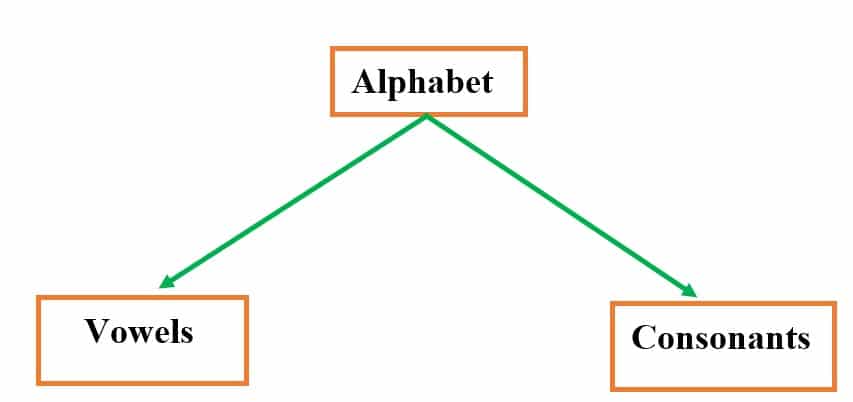
English has a lot of words. Each word is made using letters. There are 26 letters in the English alphabet and it can be divided into two parts. Few letters are called vowels and most of the letters in the English alphabet are called consonants.
The Alphabets and Their Sounds
Each letter of the alphabet has a sound. These sounds are written with the ‘/’ sign before and after the sound.
Examples:The sound for the letter ‘E’ is written in this way: /e/
The sound for the letter ‘J’ is written in this way: /j/
The sound for the letter ‘M’ is written in this way: /m/
The sound for the letter ‘U’ is written in this way: /u/
What are Vowels for Class 1?
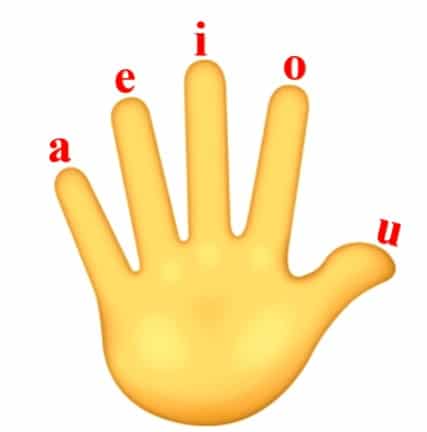
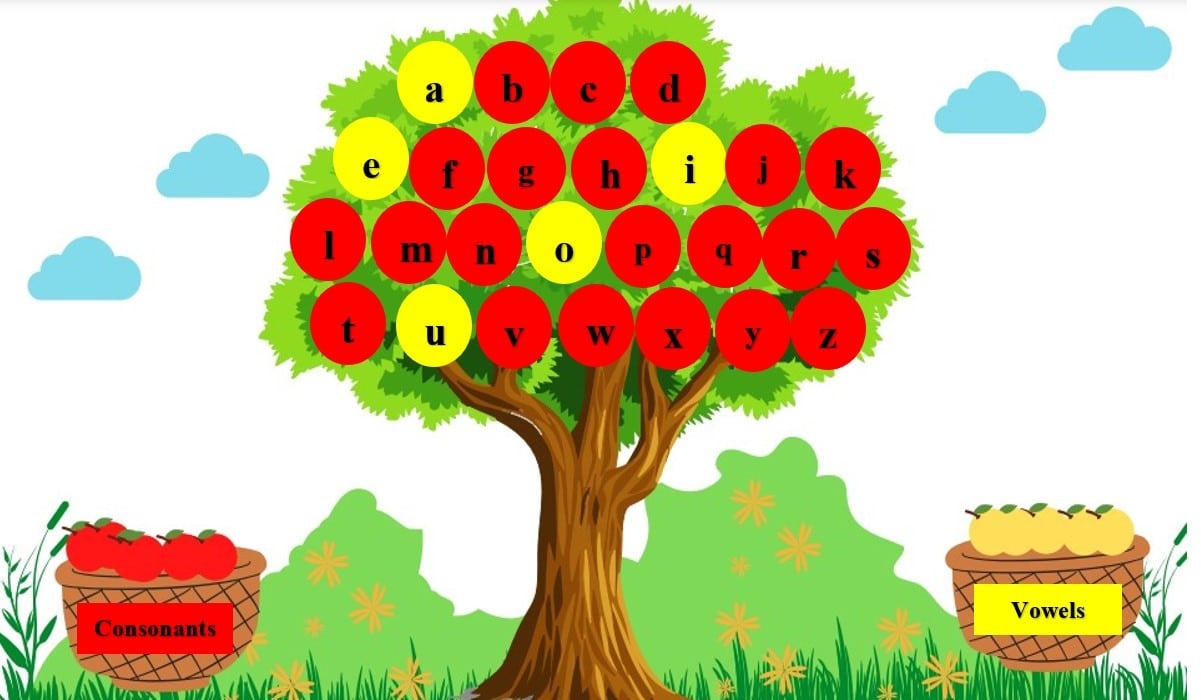
Vowels are an important part of the alphabet. Every word in English has at least one vowel. Out of 26 letters, there are 5 vowels. These vowels are ‘a’, ‘e’, ‘i’, ‘o’, ‘u’.
Examples: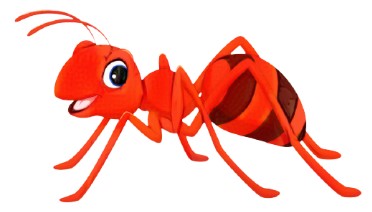
a-ant

e-elephant

i-iguana
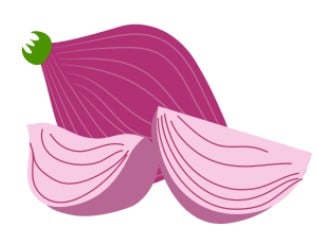
o-onion

u-uncle
English Vowels:
| Letters | Sounds | Examples |
| a | /a/ | 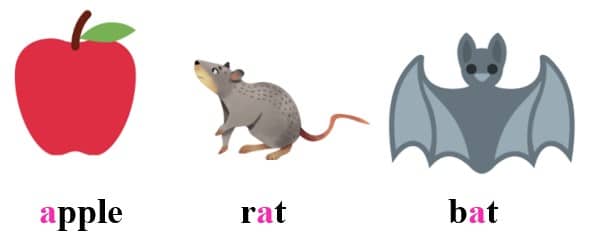 |
| e | /e/ | 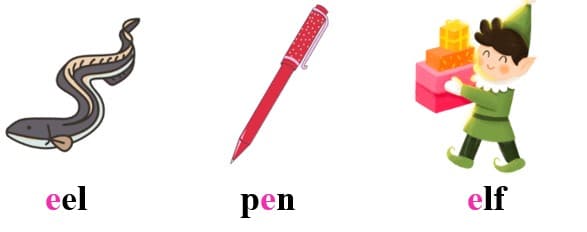 |
| i | /i/ | 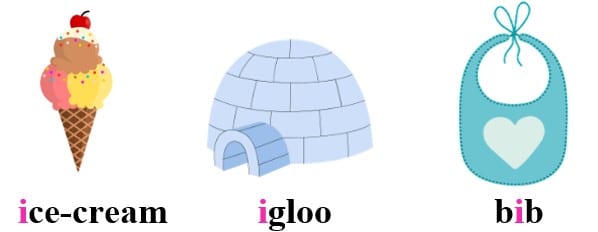 |
| o | /o/ | 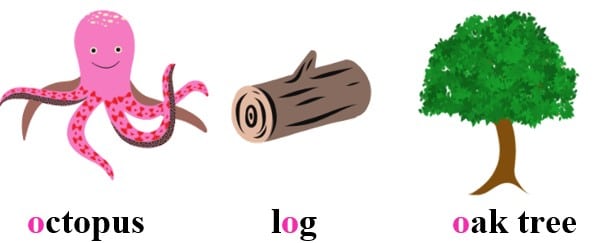 |
| u | /u/ | 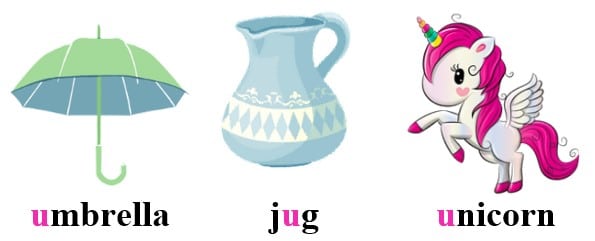 |
What are Consonants?
Except for these 5 vowels, others are consonants. We have a total of 21 consonants. They are b, c, d, f, g, h, j, k, l, m, n, p, q, r, s, t, v, w, x, y, z.
Things to Know about Consonants:
- Most of the time we use the moving parts of our mouth to make consonant sounds. For instance, lips, tongue, teeth, etc.
- Most of the consonants have only one sound.
Learn More: Consonant Words in English: Definition, Examples, Lists & Consonant Blends
The 21 Consonants and Their Sounds
| Letters | Sounds | Examples |
| b | /b/ |  |
| c | /c/ |  |
| d | /d/ |  |
| f | /f/ |  |
| g | /g/ | 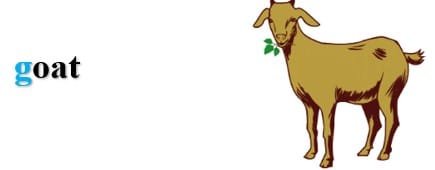 |
| h | /h/ |  |
| j | /j/ |  |
| k | /k/ |  |
| l | /l/ |  |
| m | /m/ |  |
| n | /n/ |  |
| p | /p/ |  |
| q | /q/ |  |
| r | /r/ |  |
| s | /s/ |  |
| t | /t/ |  |
| v | /v/ |  |
| w | /w/ |  |
| x | /x/ |  |
| y | /y/ |  |
| z | /z/ |  |
Look at the sound words for all the 26 letters in the English alphabet in the table given below.
Consonants and Vowels
| A /a/ | B /b/ | C /c/ | D /d/ | E /e/ |
| F /f/ | G /g/ | H /h/ | I /i/ | J /j/ |
| K /k/ | L /l/ | M /m/ | N /n/ | O /o/ |
| P /p/ | Q /q/ | R /r/ | S /s/ | T /t/ |
| U /u/ | V /v/ | W /w/ | X /x/ | Y /y/ |
| Z /z/ |
Strong language skills open doors well beyond the classroom, shaping how confidently a child reads, writes and expresses ideas. If you want to know more about how Orchids The International School builds these skills through its English curriculum, get in touch with our admissions team.
Frequently Asked Questions on Vowels and Consonants
1. What are vowels and consonants in English?
Vowels are the letters a, e, i, o, u that help form sounds in words. Consonants are all other letters that work with vowels to form complete words.
2. How many vowels are there in English?
There are 5 vowels in the English alphabet: a, e, i, o, and u.
3. How many consonants are there in English?
There are 21 consonants in English. They include letters like b, c, d, f, g, and others except vowels.
4. What is the difference between vowels and consonants?
Vowels produce open sounds and form the core of words, while consonants are supporting letters that structure the word.
5. What are some examples of vowels in words?
Examples include:
-
a → apple
-
e → egg
-
i → ink
-
o → orange
-
u → umbrella
6. What are consonants examples in words?
Examples include:
-
b → bat
-
c → cat
-
d → dog
-
f → fish
Related Links


Admissions Open for 2026-27
What type of concept pages would you prefer?
CBSE Schools In Popular Cities
- CBSE Schools in Bangalore
- CBSE Schools in Mumbai
- CBSE Schools in Pune
- CBSE Schools in Hyderabad
- CBSE Schools in Chennai
- CBSE Schools in Gurgaon
- CBSE Schools in Kolkata
- CBSE Schools in Indore
- CBSE Schools in Sonipat
- CBSE Schools in Delhi
- CBSE Schools in Rohtak
- CBSE Schools in Bhopal
- CBSE Schools in Aurangabad
- CBSE Schools in Jabalpur
- CBSE Schools in Jaipur
- CBSE Schools in Jodhpur
- CBSE Schools in Nagpur
- CBSE Schools in Ahmednagar
- CBSE School In Tumkur











Orchids The International School is one of India's leading chains of CBSE and ICSE schools, with 110+ schools across the country.