

Animals and Their Young Ones: Names, Examples and Interesting Facts
Animals and their young ones help us understand the different stages of animal life and how young animals grow into adults. Just like every animal has unique features and characteristics, their young ones also have specific names and ways of developing.
This article explains animals and their offspring, including the names of baby animals, examples, their growth stages, and interesting facts about how different animals care for and raise their offspring. Understanding these relationships helps us learn more about animal life cycles and the importance of protecting wildlife.
Table of Contents
- What do You Mean by Animals and Their Young Ones
- List of Animals and Their Young Ones with Names
- New Words Related to Animals and Their Young Ones
- Did You Know
- Frequently Asked Questions on Animals and Their Young Ones

What do You Mean by Animals and Their Young Ones
Animals and their young ones refers to the connection between adult animals and the babies or offspring they produce through reproduction. The young ones represent the early stage of an animal’s life cycle, where they grow, develop, and gradually acquire the features and abilities of adult animals.
Every animal species has a specific name for its young ones. For example, a baby dog is called a puppy, a baby cat is called a kitten, and a baby cow is called a calf. Although young animals may look different from adults, they eventually grow and develop into mature animals of the same species.
Learning about animals and their offsprings helps us understand animal life cycles, growth stages, and the care provided by parent animals to ensure the survival of their offspring.
List of Animals and Their Young Ones with Names
Animals have different names for their young ones, which represent the early stages of their life cycle. These names help us identify and understand how different animals grow and develop. The list of common animals and their offsprigs is given below:
a) The young one of a dog is called a puppy.

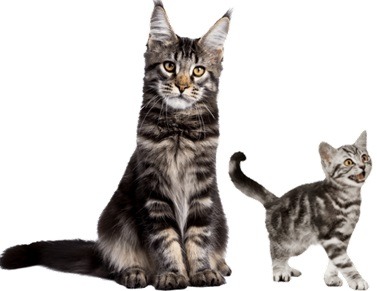
b) The young one of a cat is called a kitten.
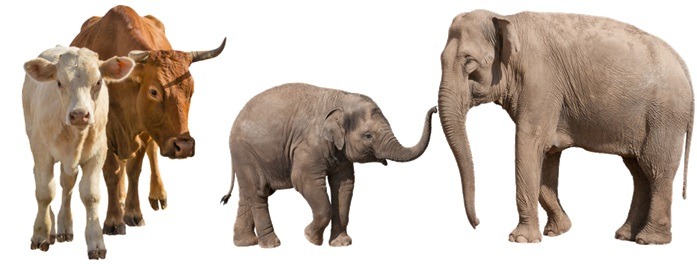
c) The young one of a cow is called a calf. Similarly, the young ones of buffalo, elephants, and giraffes are also called calves.
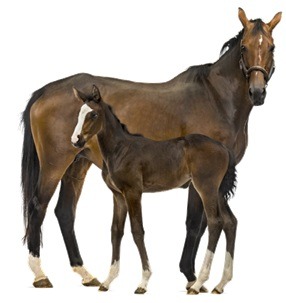
d) The young one of a horse is called a colt.
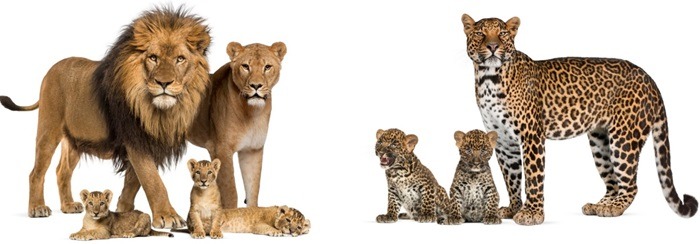
e) The young one of a lion is called a cub. Similarly, the young ones of tigers and leopards are also called cubs.
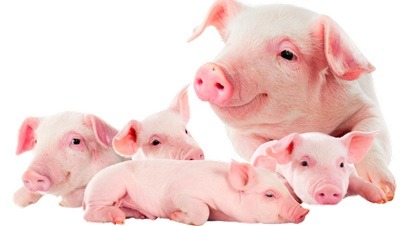
f) The young one of a pig is called a piglet.
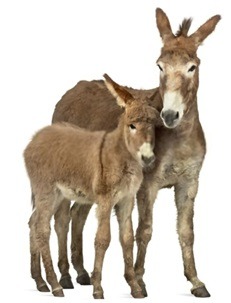
g) The young one of a donkey is called a foal.
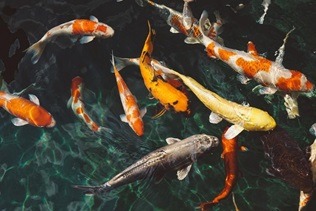
h) The young one of fish is called a fry.
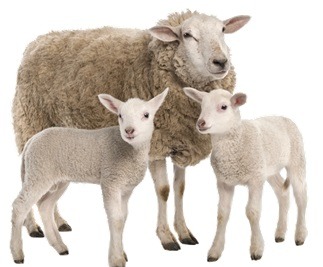
i) The young one of a sheep is called a lamb.
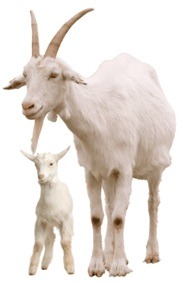
j) The young one of a goat is also called a kid.
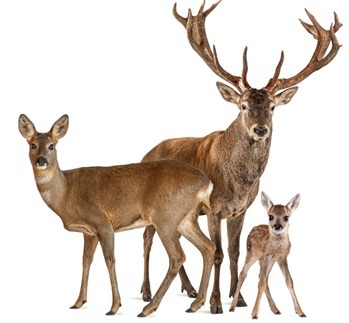
k) The young one of a deer is called a fawn.
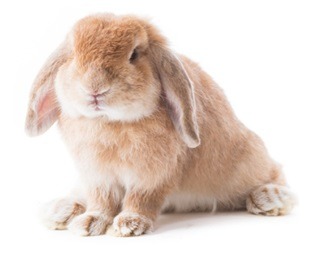
l) The young one of a rabbit is called a kit.
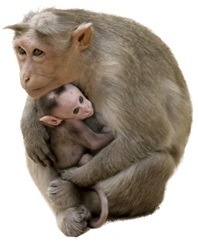
m) The young one of a monkey is called an infant.
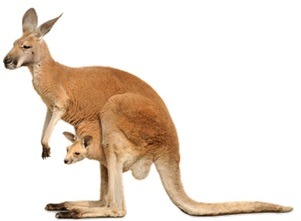
n) The young one of a kangaroo is called a joey.
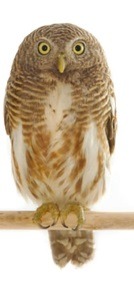
o) The young one of an owl is called an owlet.
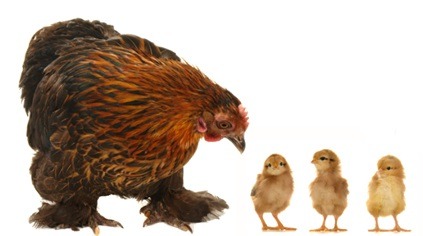
p) The young one of a hen is called a chick.
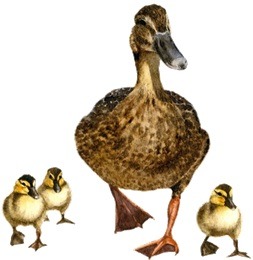
q) The young one of a duck is called a duckling.
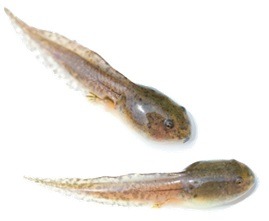
r) The young one of a frog is called a tadpole.
Interesting Fact: Some animals share the same name for their young ones. For example, the babies of lions, tigers, and leopards are called cubs, while the young ones of cows, buffaloes, elephants, and giraffes are called calves. These names help us identify the young stages of different animals easily.
New Words Related to Animals and Their Young Ones
-
Offspring: The young one or baby animal produced by an adult animal through reproduction.
-
Young Ones: The baby animals that are born or hatched and later grow into adult animals.
-
Life Cycle: The different stages of growth and development that animals and their offsprings go through from birth to adulthood.
-
Maturity: The stage when young animals grow and develop into fully grown adult animals capable of reproduction.
Did You Know?
-
Mother dogs can give birth to several puppies at once. A group of baby dogs born together is called a litter of puppies.
-
Tadpoles are the young ones of frogs. They hatch from frog eggs in water and later undergo changes to develop into adult frogs.
-
The young one of a blue whale is called a calf. A blue whale calf is one of the largest baby animals and grows rapidly after birth.
-
Baby giraffes and horses can walk soon after birth. This early movement helps these young animals follow and stay protected by their mothers.
-
Animals and their young ones go through different growth stages. Each baby animal develops unique features and abilities before becoming an adult.
Till now, we have understood that animals and their young ones represent different stages of an animal’s life cycle, from birth to adulthood. The offspring of animals grow and develop through various stages before reaching maturity and becoming fully grown adults. Not always. Some young animals look similar to adults from birth, while others undergo major changes during growth, such as butterflies that develop through different stages of metamorphosis.
Science isn't just a subject, it's the way of seeing the world. Curious how Orchids The International School teaches it that way? Talk to our admissions team.
Frequently Asked Questions on Animals and Their Young Ones
1. What are animals and their young ones called?
Animals and their young ones are living organisms belonging to the same species but at different stages of life. The young ones are the offspring produced by adult animals through reproduction.
2. Why do different animals have different names for their young ones?
Different animals have specific names for their young ones to describe their early stages of development. For example, a baby dog is called a puppy, while a baby cat is called a kitten.
3. What is the difference between adult animals and their young ones?
Young animals are usually smaller in size and may look different from adults. As they grow, they develop the physical features and abilities needed to survive independently.
4. Do all animals take care of their young ones?
No, parental care varies among animals. Some animals, such as birds and mammals, protect and feed their young ones, while others leave their offspring to survive on their own.
5. What are baby animals called?
Baby animals have different names based on their species. Some common examples include a calf (cow), lamb (sheep), chick (bird), cub (lion or bear), and foal (horse).
6. How do animals protect their young ones?
Animals protect their young ones by providing food, shelter, warmth, and protection from predators. Many parents also teach survival skills to help their offspring live independently.
7. Why is it important to learn about animals and their offsprings?
Learning about animals and their offsprings helps us understand animal life cycles, reproduction, growth, and the relationship between parents and offspring.
8. Do young animals always look like their parents?
Not always. Some young animals look similar to adults from birth, while others undergo major changes during growth, such as butterflies that develop through different stages of metamorphosis.


Admissions Open for 2026-27
What type of concept pages would you prefer?
CBSE Schools In Popular Cities
- CBSE Schools in Bangalore
- CBSE Schools in Mumbai
- CBSE Schools in Pune
- CBSE Schools in Hyderabad
- CBSE Schools in Chennai
- CBSE Schools in Gurgaon
- CBSE Schools in Kolkata
- CBSE Schools in Indore
- CBSE Schools in Sonipat
- CBSE Schools in Delhi
- CBSE Schools in Rohtak
- CBSE Schools in Bhopal
- CBSE Schools in Aurangabad
- CBSE Schools in Jabalpur
- CBSE Schools in Jaipur
- CBSE Schools in Jodhpur
- CBSE Schools in Nagpur
- CBSE Schools in Ahmednagar
- CBSE School In Tumkur











Orchids The International School is one of India's leading chains of CBSE and ICSE schools, with 130+ schools across the country.