

The Ant and the Grasshopper: Full Story, Summary, Characters and Moral for Kids
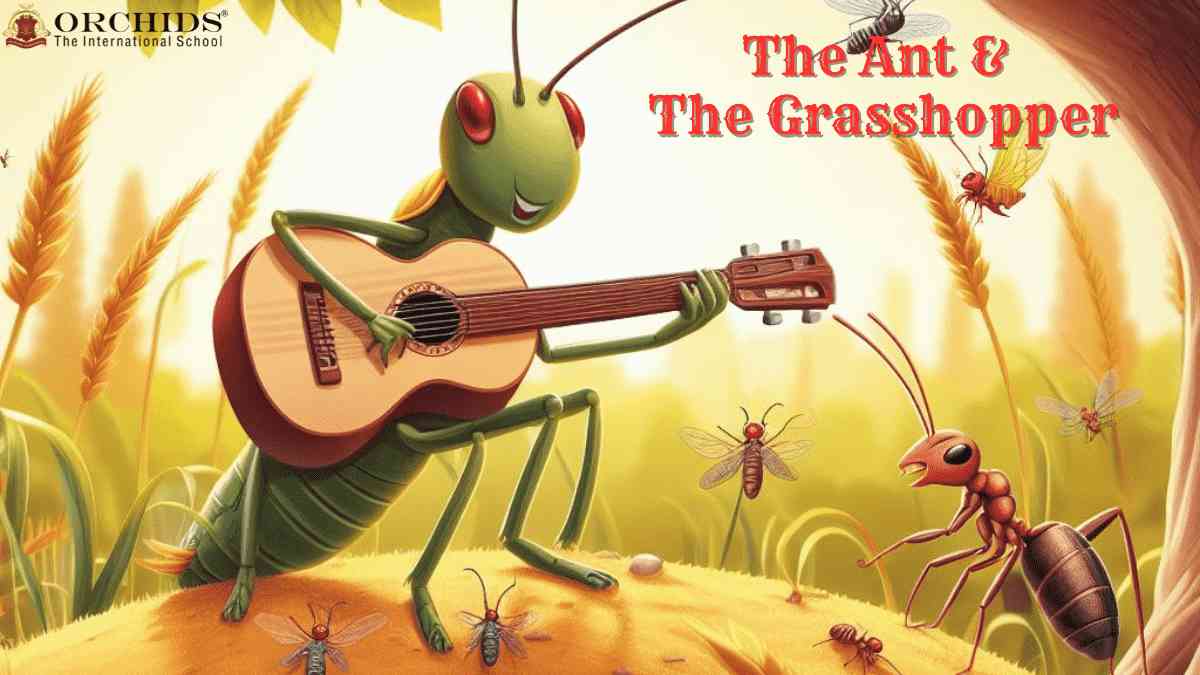
The Ant and the Grasshopper is one of the most loved fables that children across the world grow up reading. It comes from a collection of short stories written by Aesop, a storyteller from ancient Greece who used animals to teach human lessons. This particular tale is about hard work, planning ahead and facing the results of our own choices. In this article, we bring you the ant and the grasshopper story in English, along with a simple summary, the characters, the moral of the story and some fun facts about real ants and grasshoppers.
- The Ant and the Grasshopper: Full Story
- The Ant and the Grasshopper: Summary
- Characters in the Story
- Moral of the Story
- Fun Facts About Ants and Grasshoppers
- Frequently Asked Questions About The Ant and the Grasshopper Story
The Ant and the Grasshopper: Full Story
On a warm summer day, in a lush green meadow, there lived an ant and a grasshopper. The ant was a hard-working and industrious creature, always busy gathering food and storing it away for the winter. The grasshopper, on the other hand, was a carefree and cheerful spirit, spending his days singing and dancing in the sun.
One day, the ant saw the grasshopper sitting under a shady tree, strumming his violin. Enjoying it to its fullest by singing and having fun without working or collecting food. The ant asks the grasshopper, "Why aren't you working to store food for the winter?"
"Oh, don't worry about me," the grasshopper replied with a nonchalant shrug. "I'll always find something to eat. Besides, life is too short to work all the time. I'm more interested in enjoying myself." Hearing this, the ant went back to its work routine, and the grasshopper stayed in its comfort zone. But the ant was aware and knew that the grasshopper would soon regret his laziness, but he couldn't be bothered to warn him again.

Summer passed by quickly, and the leaves on the trees began to change colour. As the air grew crisp and cool, the animals began preparing for the coming winter. The ant worked even harder, gathering as much food as he could and carrying it back to his nest. The grasshopper, however, continued to play and sing, oblivious to the changing seasons.
One day, the grasshopper woke up to find that the ground was covered in a thick blanket of snow. He was starving and freezing, and he had nowhere to go for shelter. He remembered the ant and his food-filled nest, and he hurried to find him.
The grasshopper started to beg the ant in severe agony. "Ant, please help me," the grasshopper begged. "I'm so hungry and cold. I've made a big mistake."
The ant looked at the grasshopper with pity. "I warned you about this," he said. "But you didn't listen. Now you must suffer the consequences."
The ant refused to give the grasshopper any food. The grasshopper was heartbroken and ashamed. He realised he had been foolish and had learnt a valuable lesson: it is important to work hard and prepare for the future.
The grasshopper spent the rest of the winter huddled in a cave, shivering from hunger and cold. He vowed to himself that he would never be so lazy again. When spring finally arrived, the grasshopper emerged from his cave a changed creature. He worked hard all summer long, gathering food and storing it away for the winter. He also learnt to be more grateful for the things he had and to appreciate the importance of hard work and preparation.
The Ant and the Grasshopper: Summary
The ant and the grasshopper summary can be described in just a few lines. During the warm summer, a hardworking ant spends every day collecting food and storing it for the winter. Nearby, a cheerful grasshopper spends his days singing and playing music, with no thought for the future. When winter arrives and food becomes scarce, the grasshopper is left hungry and cold, while the ant enjoys the comfort of the supplies she gathered earlier. The grasshopper learns, a little too late, that some effort today can save a lot of trouble tomorrow.
Characters in the Story
The fable has two main characters, each representing a different attitude to life.
-
The Ant: The ant stands for discipline, patience and planning. She works steadily through the summer, considering the future instead of only the present moment.
-
The Grasshopper: The grasshopper represents fun, creativity, and a focus on the present. He enjoys the present but does not consider what tomorrow may bring.
Moral of the Story
The tale teaches us the importance of being responsible, hard-working, and planning for the future. It emphasises the value of foresight and preparedness to overcome challenges that may lie ahead. It encourages individuals to recognise the significance of working diligently and being prudent to ensure a secure and stable future. Overall, the moral of the story of the Ant and the Grasshopper is that it's important to work hard, prepare for the future, be responsible, and strike a balance between work and play.
This fable offers several valuable lessons that children can carry into their daily lives.
-
Hard work pays off: Just like the ant, putting in steady effort now leads to comfort and security later.
-
Plan for the future: Thinking ahead, such as saving pocket money or completing homework early, helps avoid stress afterwards.
-
Balance work and play: It is healthy to enjoy hobbies and fun activities, as long as responsibilities are not ignored.
-
Learn from mistakes: Gio's story shows that it is never too late to change habits and become more responsible.
-
Be kind and generous: Amy's decision to help her neighbour, despite his earlier choices, teaches the value of compassion.
Fun Facts About Ants and Grasshoppers
-
Ants are incredibly strong for their size and can carry objects many times heavier than their body weight.
-
Most ant colonies are organised into groups, with worker ants collecting food and others caring for the young.
-
Grasshoppers do not actually play instruments, but they do produce sound by rubbing their legs against their wings, a process called stridulation.
-
Some grasshopper species can jump distances that are many times the length of their body.
-
Ants store food during warmer months and can survive winter by living off these stores or by becoming less active in colder weather.
-
Grasshoppers are generally most active in warm weather, and their numbers reduce significantly once temperatures drop.
Frequently Asked Questions About The Ant and the Grasshopper Story
1. What is the moral of the "The Ant and the Grasshopper" story?
Answer: The story teaches the importance of hard work and preparation for the future.
2. Who is the author of "The Ant and the Grasshopper"?
Answer: Aesop, an ancient Greek storyteller, is traditionally credited as the author.
3. What is a brief summary of the fable "The Ant and the Grasshopper"?
Answer: The story contrasts the ant's hard work in preparing for winter with the grasshopper's laziness. When winter comes, the ant is well-prepared, while the grasshopper suffers.
4. What lessons from "The Ant and the Grasshopper" can we apply to modern life?
Answer: The fable's message encourages us to balance work and leisure, plan for the future, and practise financial responsibility.
5. Why is "The Ant and the Grasshopper" still relevant today?
Answer: The story's timeless lesson of responsibility and preparation resonates with people, making it a relevant and enduring tale that transcends time.
Admissions Open for 2026-27
More Stories
We hope this was useful for your child's learning journey. To explore more about what Orchids The International School has to offer, get in touch with our admissions team.
Popular Searches
- NCERT Solutions for Class 1 subjects
- NCERT Solutions for Class 2 subjects
- NCERT Solutions for Class 3 subjects
- NCERT Solutions for Class 4 subjects
- NCERT Solutions for Class 5 subjects
- CBSE School In Aurangabad
- CBSE Schools In Bangalore
- CBSE School In Bhopal
- CBSE Schools In Chennai
- CBSE Schools In Delhi
- Best CBSE Schools In Gurgaon
- CBSE School In Hyderabad
- CBSE School In Indore
- CBSE School In Jabalpur
- CBSE Schools In Jaipur
- CBSE Schools In Kolkata
- CBSE Schools In Mumbai
- CBSE Schools In Nagpur
- CBSE Schools In Pune
- Top CBSE School In Rohtak
- Best CBSE Schools In Sonipat











Orchids The International School is one of India's leading chains of CBSE and ICSE schools, with 130+ schools across the country.