

The value of punctuality: Why it's important for kids to be on time
By Orchids Editorial Team |
Date 19-01-2026
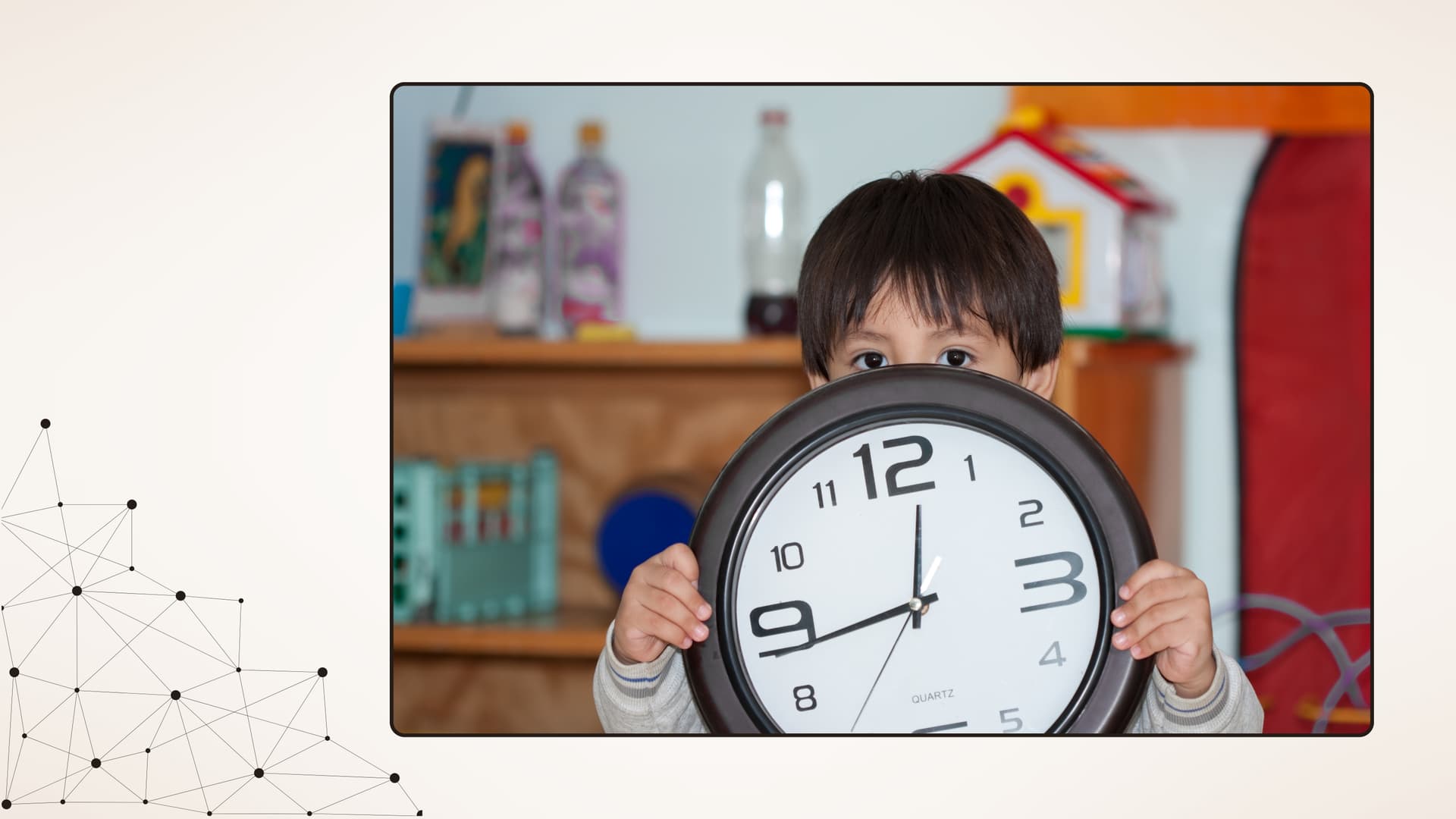
Teaching punctuality early helps children develop discipline, responsibility, and respect for time.
Admissions Open for 2026-27
Punctuality is not just about being on time but a habit that plays an important role in teaching kids discipline, responsibility and accountability. For kids punctuality goes beyond watching the clock. It shapes their behavior, mindset and boosts their academic performance, ensuring they don't miss crucial learning moments. In the early years, children are still learning how the world works - how routines are formed, how commitments are honoured, and how actions have consequences. When children learn to arrive on time for classes, activities, and responsibilities, they begin to understand, planning ahead and the importance of respecting other people’s time as well as their own. Over time, these small daily practices build consistency and self-regulation.
Punctuality and child’s development
Being punctual helps children develop self-discipline and self-control. Following routines, managing time, and preparing in advance encourages them to plan their day better and reduces dependence on constant reminders from adults. Over time, children learn to take ownership of their responsibilities, which strengthens their independence and confidence.

Punctuality also supports emotional well-being. Children who follow structured experience less anxiety and stress compared to those who are frequently rushed or unprepared. Knowing what to expect and when to expect it creates a sense of security and stability, helping children feel more in control of their daily lives.
Why being on time matters in school
In a learning environment, punctuality plays a direct role in academic engagement. Children who arrive on time are better prepared to focus, participate in class activities, and absorb lessons without feeling disoriented or left behind. Regular tardiness, on the other hand, can affect concentration, self-confidence, and learning continuity.
Being on time also teaches children respect for rules and shared spaces. It helps them understand that classrooms function smoothly when everyone follows common practices. This builds a sense of discipline and cooperation, preparing children to work responsibly in group settings and future professional environments.
Role of parents in building punctuality
Parents play a crucial role in helping children develop punctual habits. Children learn best by observing everyday behaviour, and consistent patterns at home provide them with a clear sense of time and structure. When punctuality is introduced with patience and encouragement, it becomes a natural part of a child’s daily life rather than a rule to follow.
Practical ways parents can encourage punctuality:
-
Set fixed wake-up, meal, study, and bedtime routines to build consistency
-
Encourage children to prepare school bags, uniforms, and materials the night before
-
Use simple visual aids like clocks, charts, or checklists to help children track time
-
Offer gentle reminders instead of repeated instructions or pressure
-
Acknowledge effort and improvement to reinforce positive behaviour
Teaching children to be on time is an investment in their future. Punctuality nurtures discipline, confidence, responsibility, and respect for others. By guiding children with structured routines, positive reinforcement, and consistent role modelling, parents and educators can help them develop a lifelong habit that supports success in school, relationships, and life beyond the classroom.


Admissions Open for 2026-27
Recent Blogs




CBSE Schools In Popular Cities
- CBSE Schools in Bangalore
- CBSE Schools in Mumbai
- CBSE Schools in Pune
- CBSE Schools in Hyderabad
- CBSE Schools in Chennai
- CBSE Schools in Gurgaon
- CBSE Schools in Kolkata
- CBSE Schools in Indore
- CBSE Schools in Sonipat
- CBSE Schools in Delhi
- CBSE Schools in Rohtak
- CBSE Schools in Bhopal
- CBSE Schools in Aurangabad
- CBSE Schools in Jabalpur
- CBSE Schools in Jaipur
- CBSE Schools in Jodhpur
- CBSE Schools in Nagpur
- CBSE Schools in Ahmednagar
- CBSE School In Tumkur

Call Us to know more about Orchids











Orchids The International School is one of India's leading chains of CBSE and ICSE schools, with 110+ schools across the country.