

List of 100+ Spices Names in English: Types, Uses and Importance
If you are a person who loves to cook, you would definitely be aware of a number of spices. In everyday life, we use spices to enhance the flavour, colour, and aroma of food. While learning English, knowing the names of common spices also helps in improving vocabulary and understanding real-life contexts.
In this guide, you will learn what spices are, their importance, and a detailed list of spices names in English. You will also explore their uses, types, and characteristics so that you can identify them easily and understand how they contribute to food and health.
Table of Contents
- What are Spices?
- Why are Spices Important?
- Types of Spices
- 10 Common Spices Names with Pictures
- 100+ List of Spices Names in English
- What are the Uses of Spices?
- Frequently Asked Questions on Spices Names

What are Spices?
Before learning spice names, it is important to know what spices actually are. Spices are dried plant-based ingredients used mainly for seasoning, flavouring, colouring, and preserving food. They are typically derived from seeds, roots, bark, fruits, or flower parts of plants. Unlike herbs (which come from leaves), spices usually have a stronger and sharper flavour.
Spices are used all over the world, but India is known as the “Land of Spices” because of its wide variety and ancient tradition of spice cultivation. Understanding spices names helps students identify ingredients, read recipes confidently, and communicate better in real-life situations.
Why are Spices Important?
To understand the relevance of spices names, it is essential to know why spices matter. They do much more than enhance taste. Many spices have medicinal properties, antimicrobial effects, and nutritional benefits. They are also used in beauty treatments, traditional healing methods, and cultural rituals.
Learning about spices builds general knowledge and improves food literacy, helping students develop a deeper appreciation for the food they eat.
Types of Spices
Before exploring the long list of spices names, it helps to group them based on the part of the plant they come from. This makes learning easier and more systematic.
Each category below begins with a short explanation and examples to help students understand better.
1. Seed Spices
Seed spices are obtained from the seeds of plants. They are commonly used in tempering, seasoning, and dry rubs.
Examples include cumin, coriander, mustard seeds and fennel.
2. Bark Spices
These spices come from the bark of trees. They usually have a warm and sweet flavour.
Cinnamon is the most common example.
3. Root and Rhizome Spices
These come from the underground parts of plants like roots and tubers.
Ginger and turmeric belong to this group.
4. Flower-Based Spices
Some spices are made from flowers or their dried parts.
Common flower spices include cloves and saffron.
5. Fruit Spices
These spices are produced from the dried fruits or fruit pods of plants.
Examples include black pepper and cardamom.
6. Leaf-Based Spices
Even though these are technically herbs, some dried leaves are considered spices when used in powdered or dried form. Bay leaf is a common example.
10 Common Spices Names with Pictures
Now that you understand the types of spices, below is a list of ten widely used spices, each followed by a simple explanation to help you recognise their characteristics, uses, and importance.
1. Turmeric
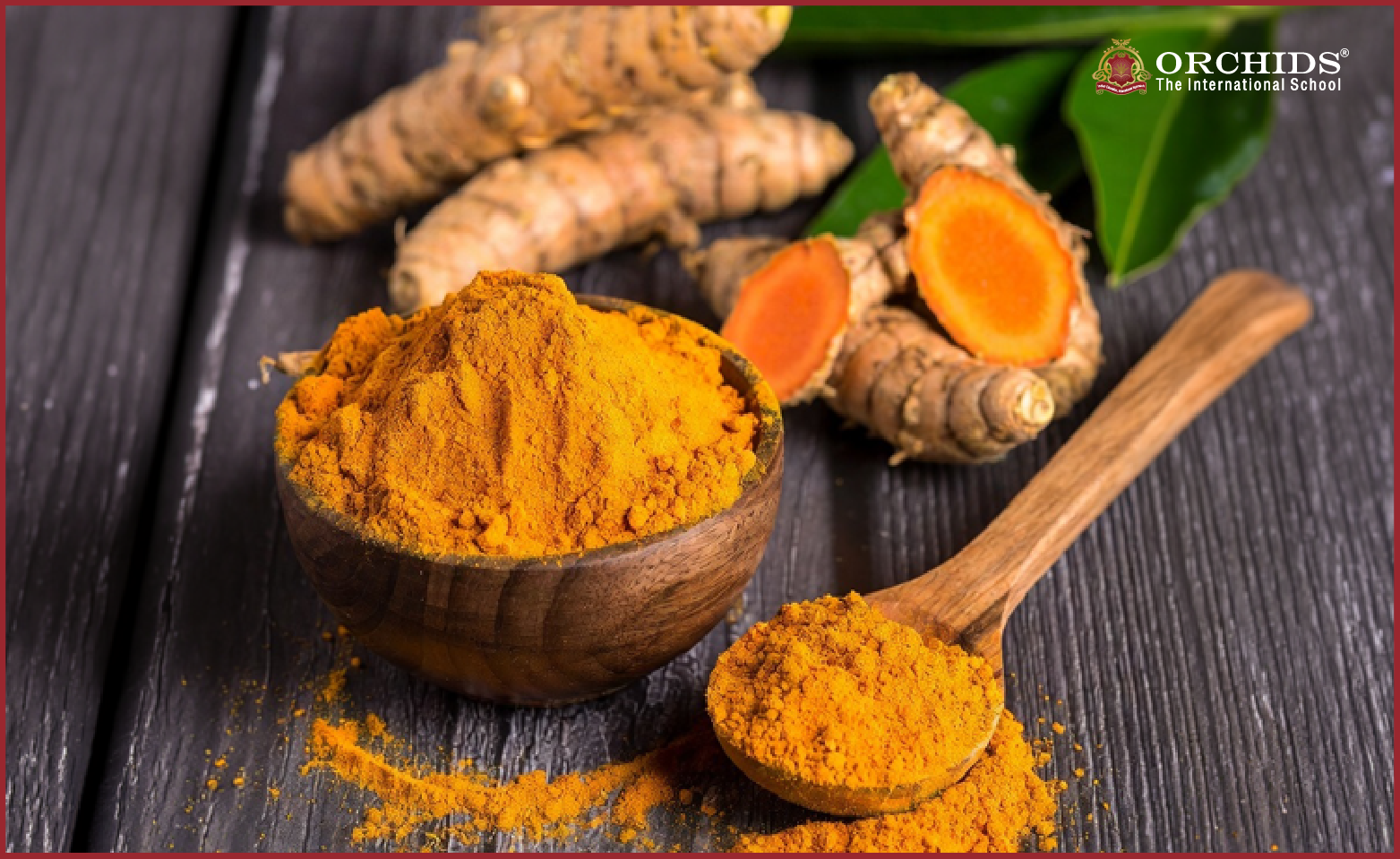
Turmeric is a bright yellow spice that comes from the root of the turmeric plant. It is widely used in cooking to add colour and a warm, earthy flavour to dishes. This spice is also known for its strong medicinal properties, especially its anti-inflammatory benefits. Turmeric is an important ingredient in many traditional curries and herbal drinks. It is often added in small amounts because of its strong flavour and colour.
2. Cumin
Cumin seeds are small, brownish seeds with a distinctive aroma. When added to hot oil, they release a strong, earthy fragrance that enhances the taste of many dishes. Cumin is used in spice mixes, soups, rice preparations, and vegetable dishes. The spice is known for aiding digestion and is commonly included in traditional remedies. Ground cumin is also used to season snacks and savoury items.
3. Cinnamon
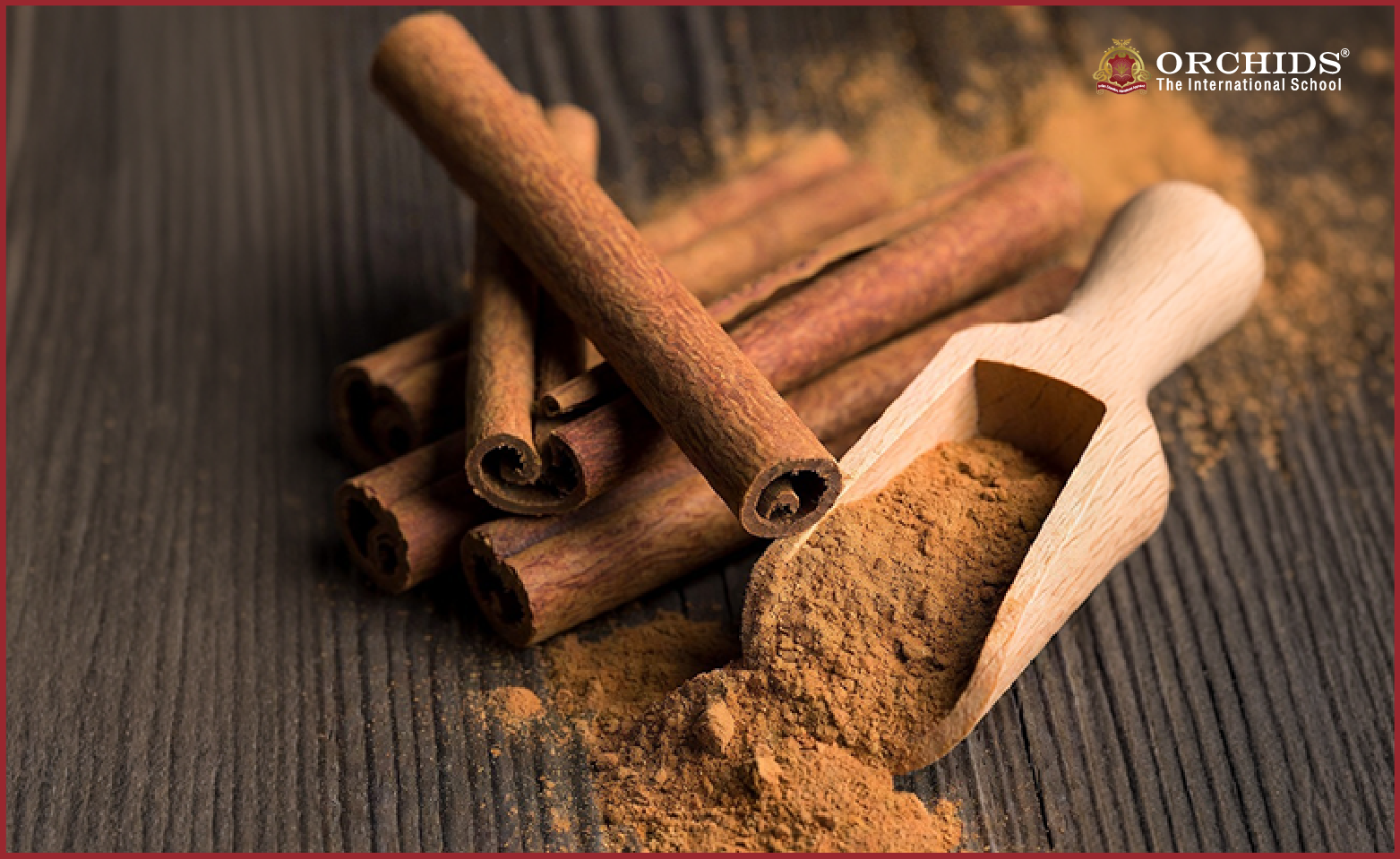
Cinnamon is obtained from the bark of certain trees and is known for its sweet and warm flavour. It is often used in baking, beverages, and some savoury dishes. This spice adds a pleasant aroma and enhances the taste of desserts like cakes, cookies, and puddings. Cinnamon also has medicinal qualities and is believed to help regulate blood sugar levels. It can be used as whole sticks or in powdered form.
4. Black Pepper
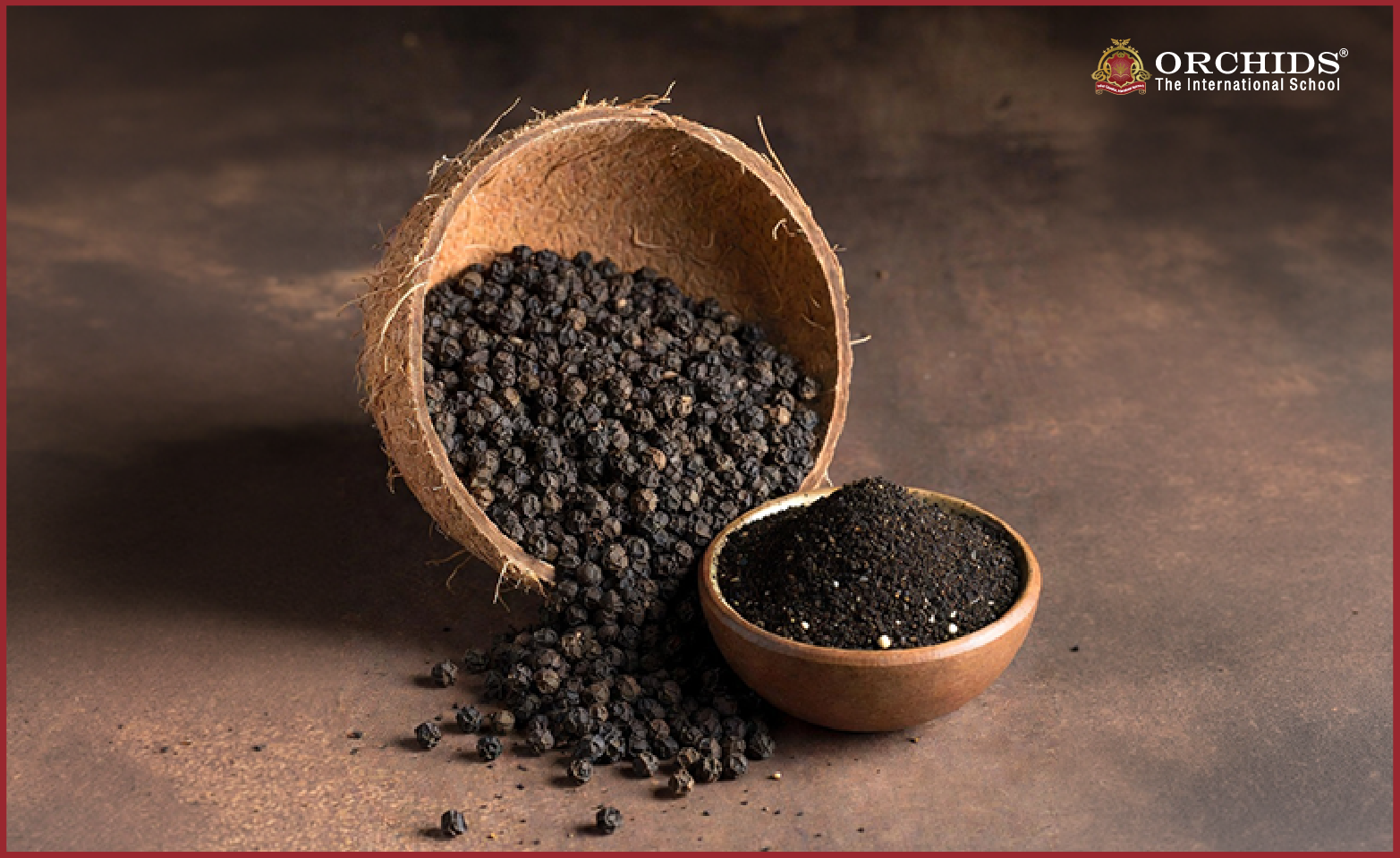
Black pepper is one of the most commonly used spices in the world. It has a sharp, spicy taste and is used to add heat and flavour to various dishes. This spice is made by drying the unripe berries of the pepper plant. Black pepper is used in seasoning, marinades, salads, soups, and almost all savoury preparations. It is also known to aid digestion and improve appetite.
5. Cloves
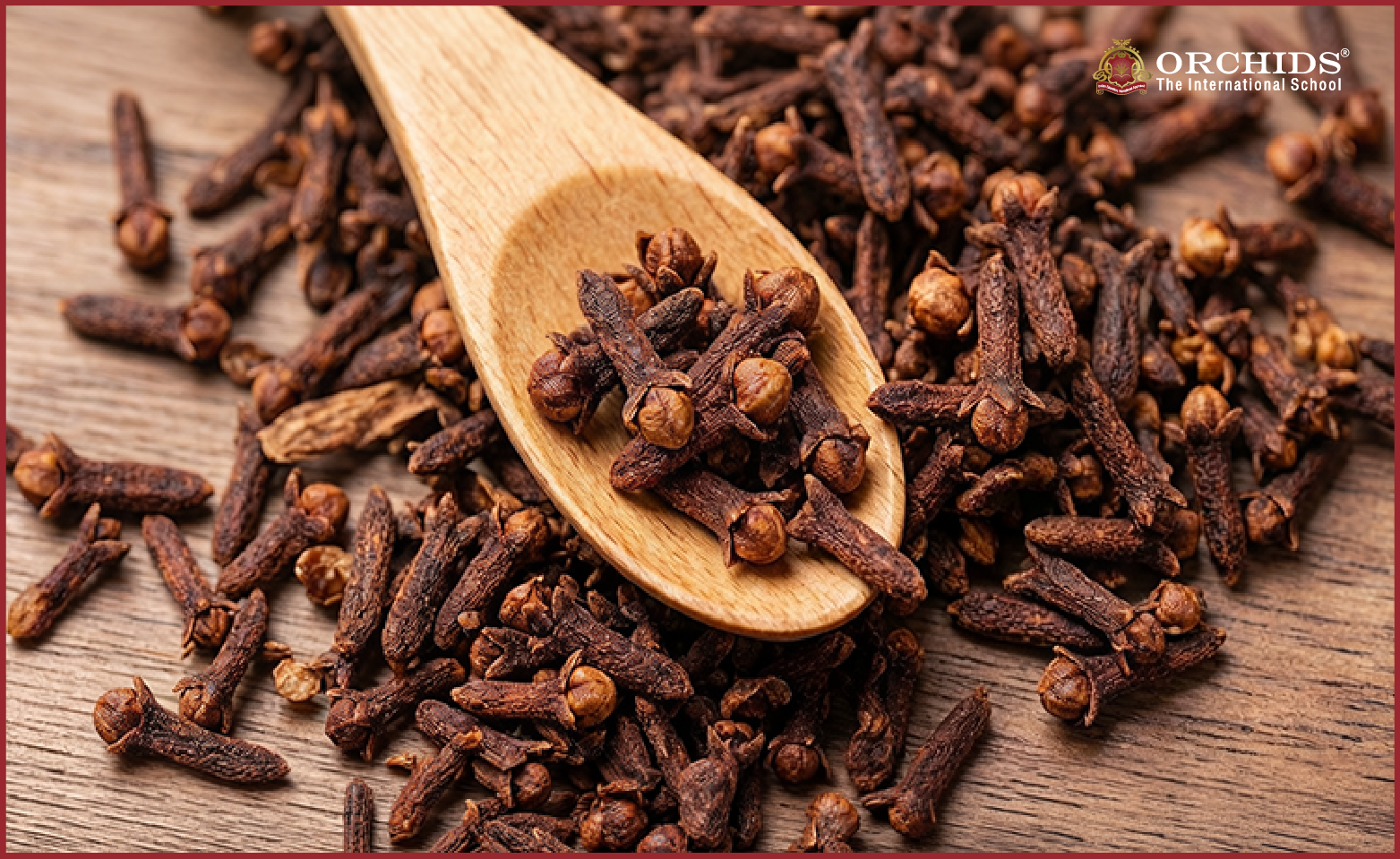
Cloves are dried flower buds with a strong, warm, and slightly sweet flavour. They are used in biryanis, pickles, and various spice blends. Cloves have medicinal properties and are often used to relieve toothache and sore throat. They also help enhance the aroma of dishes when added whole. The spice is quite strong, so it is normally used in small quantities.
6. Coriander Seeds
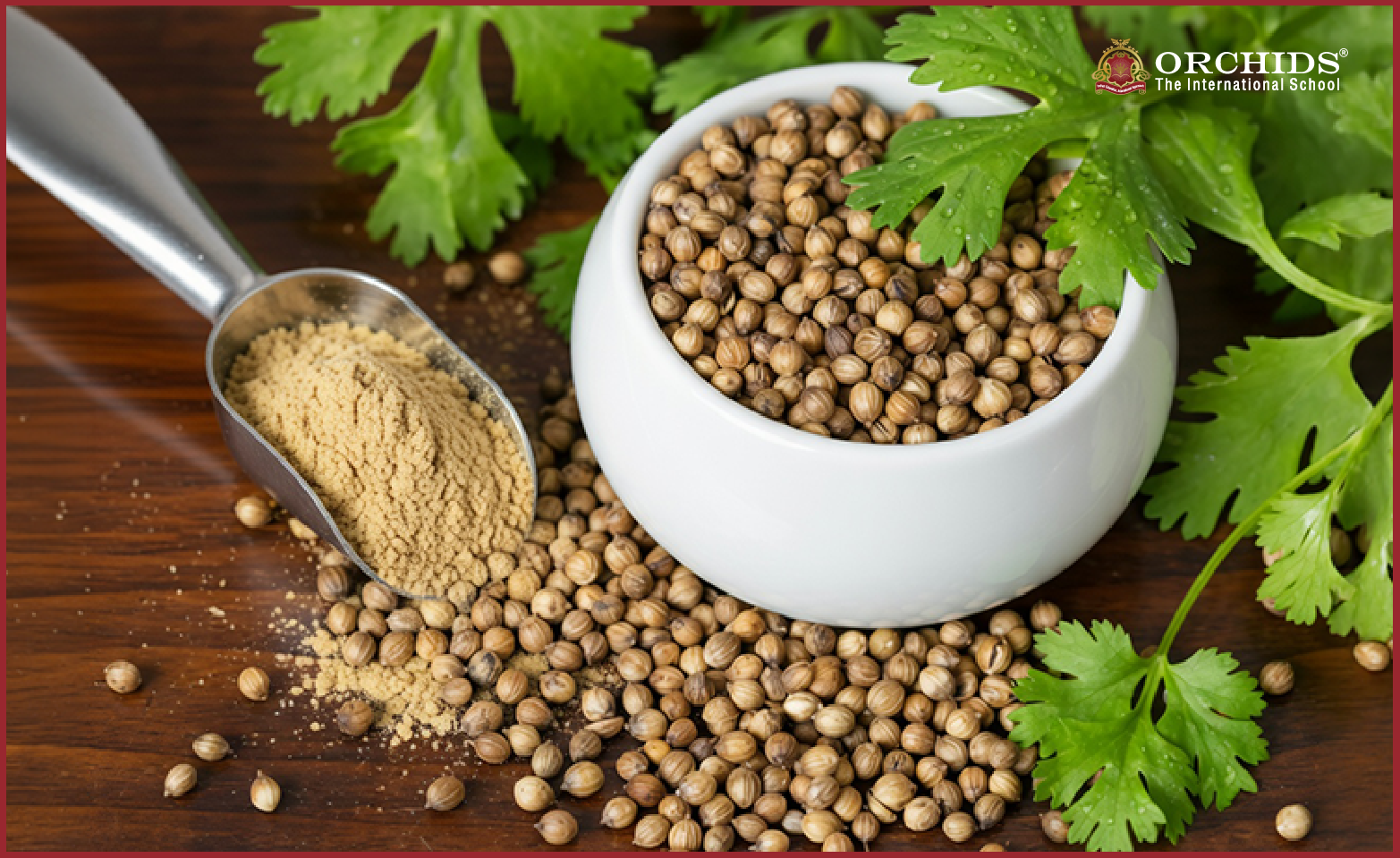
Coriander seeds have a mild, citrus-like flavour that adds freshness to food. They can be used whole or ground into a fine powder. This spice is commonly added to curries, spice blends, and soups. Coriander seeds are known to help with digestion and improve the flavour of rich foods. They are also used to season pickles and roasted dishes.
7. Cardamom
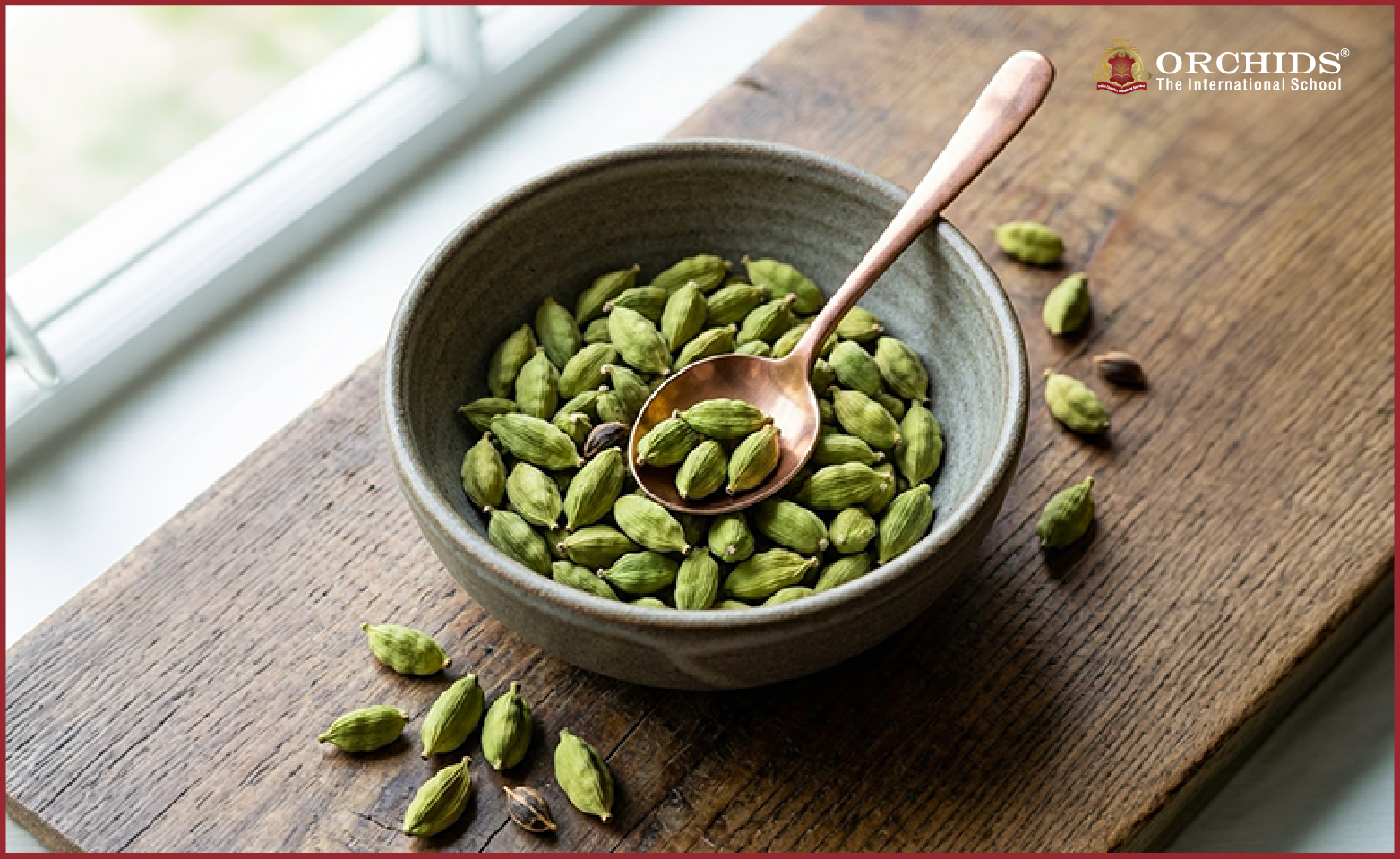
Cardamom is an aromatic spice with a sweet and slightly spicy flavour. It is widely used in desserts, tea, flavoured rice, and sweets. The pods contain tiny black seeds that hold most of the flavour. Cardamom is valued not only for its taste but also for its digestive benefits. It is a common ingredient in traditional festive dishes.
8. Mustard Seeds
Mustard seeds come in yellow, brown, and black varieties. When heated in oil, they crackle and release a sharp, pungent flavour. These seeds are used in pickles, curries and tempering for various dishes. Mustard seeds are known for their preservative properties and are often used in traditional recipes. They add a distinctive taste that enhances the flavour of many Indian and global preparations.
9. Fennel Seeds
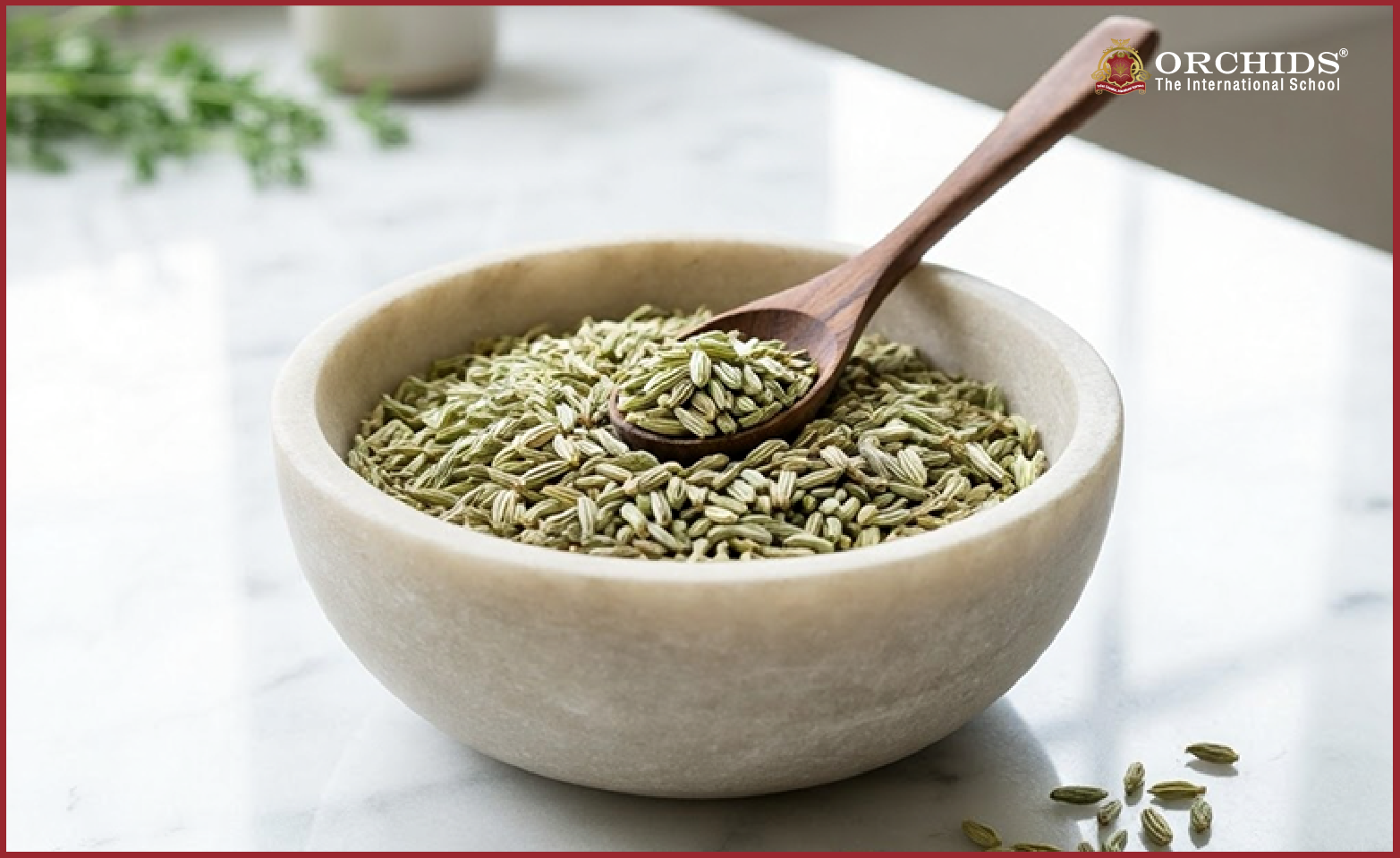
Fennel seeds have a sweet, licorice-like taste and a refreshing aroma. They are used in cooking as well as for digestion after meals. This spice is added to sweet dishes, herbal teas, and some savoury items. Fennel seeds are also used in spice mixes because of their cooling effect. They are light green in colour and have a crunchy texture.
10. Ginger (Dry Ginger Powder)
Ginger, when dried and ground, becomes a warm and aromatic spice. It is commonly used in sweets, beverages, and herbal preparations. Dry ginger adds a spicy flavour that enhances the taste of traditional drinks and desserts. It also has medicinal properties and is known to relieve cold and digestive issues. The powder is usually added in small amounts because of its strong, sharp flavour.
100+ List of Spices Names in English
Below is a comprehensive list of more than one hundred spice names in English, arranged neatly for quick understanding and reference.
Turmeric
Cumin Seeds
Coriander Seeds
Black Pepper
Cloves
Cinnamon
Cardamom
Bay Leaf
Star Anise
Nutmeg
Mace
Fennel Seeds
Fenugreek Seeds
Mustard Seeds
Carom Seeds (Ajwain)
Asafoetida (Hing)
Paprika
Chili Powder
Kashmiri Chili Powder
Curry Leaves
Tamarind Powder
Garlic Powder
Onion Powder
Ginger Powder
Saffron
Oregano
Basil
Thyme
Rosemary
Parsley
Dill Seeds
Poppy Seeds
Nigella Seeds
White Pepper
Black Salt
Rock Salt
Pink Himalayan Salt
Sesame Seeds
Pumpkin Spice
Cajun Seasoning
Italian Seasoning
Garam Masala
Tandoori Masala
Curry Powder
Chaat Masala
Chinese Five Spice
Rasam Powder
Sambar Powder
Peri-Peri Powder
Smoked Paprika
Annatto
Galangal
Lemongrass
Kokum
Tamarind
Long Pepper
Sichuan Peppercorns
Green Peppercorns
White Mustard
Brown Mustard
Black Mustard
Caraway Seeds
Celery Seeds
Chia Seeds
Pomegranate Powder
Stone Flower (Dagad Phool)
Dry Fenugreek Leaves (Kasuri Methi)
Dry Mint
Dry Basil
Dry Red Chili
Chili Flakes
Black Cumin (Shahi Jeera)
Blue Poppy Seeds
Juniper Berries
Lavender
Licorice Root
Wild Celery Seeds
Lotus Seed Powder
Horseradish
Hyssop
Kaffir Lime Leaves
Lemon Peel
Orange Peel
Vanila Beans
Zest (Lemon/Orange)
Wasabi
Ginger (Fresh)
Garlic (Fresh)
Mint Leaves
Lemongrass Powder
Bay Leaf Powder
Turmeric Root
Coriander Powder
Cumin Powder
Fenugreek Powder
Fennel Powder
Mustard Powder
Mango Powder (Amchur)
Sumac
Za’atar
Tarragon
Marjoram
Sweet Paprika
Black Cardamom
Green Cardamom
Curry Leaf Powder
Parsley Flakes
Basil Seeds
Rose Petals (Dried)
Betel Leaf Powder
To improve your understanding, "Learn the Complete List of 50+ Dry Fruit Names in English"
What Are the Uses of Spices?
After learning the list of spices names, the next step is understanding their uses. Spices are not only used for flavour but also for many other purposes in daily life. Each point below helps students understand the wide importance of spices.
-
To Enhance Flavour: this is the primary use of spices. They add depth, aroma, and taste to food.
-
For Colouring Food: turmeric, saffron, and paprika add natural colour to dishes.
-
As Preservatives: spices like cloves, mustard, and turmeric help prevent microbial growth.
-
For Medicinal Purposes: ginger, turmeric and cinnamon are widely used in traditional medicine.
-
In Beauty and Skincare: turmeric and saffron are used in natural beauty treatments.
Learn More: Food Names in English: List of 50+ Names Explained with Meanings, Types and Examples
Frequently Asked Questions on Spices Names
1. What are the top 25 spices?
The top 25 spices include turmeric, cumin, coriander, black pepper, cinnamon, cardamom, cloves, nutmeg, fennel, mustard seeds, ginger, paprika, saffron, bay leaf, fenugreek, and many others commonly used in cooking worldwide.
2. What are the 20 Indian spices?
The 20 common Indian spices include turmeric, cumin, coriander, mustard seeds, fennel, fenugreek, black pepper, cardamom, cinnamon, cloves, bay leaf, hing, red chilli, saffron, and ajwain, among others.
3. Can spices help lower cholesterol?
Yes, some spices like turmeric, garlic, cinnamon, and ginger may support healthy cholesterol levels when combined with a balanced diet and healthy lifestyle.
4. Which spices are good for diabetes?
Spices such as cinnamon, turmeric, fenugreek, ginger, and cloves are often considered helpful in supporting healthy blood sugar management.
5. What are the 7 super spices?
The 7 super spices commonly include turmeric, cinnamon, ginger, garlic, black pepper, cloves, and cardamom because of their flavour and potential health benefits.
Strong language skills open doors well beyond the classroom, shaping how confidently a child reads, writes and expresses ideas. If you want to know more about how Orchids The International School builds these skills through its English curriculum, get in touch with our admissions team.


Admissions Open for 2026-27
What type of concept pages would you prefer?
CBSE Schools In Popular Cities
- CBSE Schools in Bangalore
- CBSE Schools in Mumbai
- CBSE Schools in Pune
- CBSE Schools in Hyderabad
- CBSE Schools in Chennai
- CBSE Schools in Gurgaon
- CBSE Schools in Kolkata
- CBSE Schools in Indore
- CBSE Schools in Sonipat
- CBSE Schools in Delhi
- CBSE Schools in Rohtak
- CBSE Schools in Bhopal
- CBSE Schools in Aurangabad
- CBSE Schools in Jabalpur
- CBSE Schools in Jaipur
- CBSE Schools in Jodhpur
- CBSE Schools in Nagpur
- CBSE Schools in Ahmednagar
- CBSE School In Tumkur











Orchids The International School is one of India's leading chains of CBSE and ICSE schools, with 130+ schools across the country.