

Orchids: Breeding Techniques, Ecological Importance, and Medicinal Properties
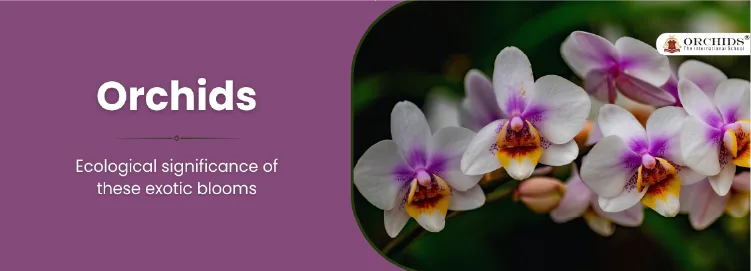
Orchids are part of the Orchidaceae family, one of the largest groups of flowering plants in the world. There are over 28,000 known species and more than 100,000 registered hybrids. You can find them almost everywhere on Earth except Antarctica. They grow in wildly different places, from cold mountain meadows in Europe to humid rainforests in Southeast Asia. Scientists and gardeners alike have always been drawn to them because of their unusual flower shapes, their interesting relationships with pollinators, and the unique chemical compounds they contain.
Table of Contents:
- Breeding Techniques
- Ecological Importance
- Medicinal Properties
- Frequently Asked Questions about Orchids

Breeding Techniques
Orchid breeding has come a long way. The most common method is still hand-pollination: you take pollen from one orchid and transfer it to another to produce offspring with the qualities you want, like brighter colors, longer blooming time, or better disease resistance. People have been doing this since the 1800s, and it’s largely responsible for the orchid industry we see today.
In the 1960s, tissue culture changed everything. By taking tiny pieces of a plant's growing tissue and placing them in a nutrient-rich gel, growers could produce thousands of identical plants in just a few months. This made it easy to copy the best orchid varieties quickly and reliably.
More recently, scientists have started using molecular tools. They can now identify the specific genes that control a flower’s color, smell, or ability to handle stress. There’s another technique called protoplast fusion, which lets scientists combine two species that normally can’t breed with each other, creating entirely new types of orchids.
Ecological Importance
Orchids do a lot more than just look pretty. Many of them have developed very specific relationships with certain pollinators, bees, moths, flies, hummingbirds, and sometimes even gnats. Some orchids, like those in the Ophrys genus, have flowers that actually look and smell like female insects. This trick makes male bees try to mate with the flower, which gets the job of pollination done, without the orchid giving anything in return.
A lot of orchids grow on tree branches rather than in the ground. Their roots soak up moisture from the air and create tiny habitats for fungi, insects, and microbes. Ground-growing orchids help hold soil in place and give pollinators an early source of nectar. Most orchids also depend on a specific type of fungus just to sprout from their seeds, since the seeds themselves have no stored food. This makes orchids a good indicator of how healthy an ecosystem is; if they're thriving, the environment is likely doing well too.
Medicinal Properties
Orchids have been used as medicine for a very long time across Asia, Africa, and the Americas. In traditional Chinese medicine, Dendrobium orchids are popular for supporting digestion, boosting immunity, and reducing excess heat in the body. Studies in labs have shown that compounds found in these plants, like dendrobine, have real anti-inflammatory and antioxidant effects.
In Turkey and parts of the Middle East, people have long used salep, a powder made from the ground-up tubers of certain wild orchids, as a health drink and supposed aphrodisiac. Modern research has found that these tubers contain natural compounds that could work as prebiotics and help with digestive issues. Even vanilla, which comes from a type of orchid, has shown some pain-relieving and anti-inflammatory properties in early research.
Frequently Asked Questions about Orchids
1. How long does it take to breed a new orchid hybrid?
The timeline varies by method. Traditional hybridisation from pollination to first blooming usually takes three to seven years, depending on the genera involved. With tissue culture, a selected hybrid can be mass-propagated within six to eighteen months once the parent cross is established.
2. Are orchids endangered?
Many orchid species face serious conservation threats. Habitat destruction, illegal collection, and the over-harvesting of tubers for salep have placed hundreds of species on the IUCN Red List categories ranging from Vulnerable to Critically Endangered. International trade in wild-collected orchids is regulated under CITES Appendix II.
3. Can orchids grow without soil?
Yes. Many orchids naturally grow on tree bark, pulling moisture from the air and nutrients from decaying matter around them. When grown at home, they’re usually potted in bark chips, moss or perlite, anything that drains well and mimics how they grow in the wild.
Understanding the world starts with the environment around us. To see how Orchids The International School brings EVS to life, reach out to our admissions team.


Admissions Open for 2026-27
What type of concept pages would you prefer?
CBSE Schools In Popular Cities
- CBSE Schools in Bangalore
- CBSE Schools in Mumbai
- CBSE Schools in Pune
- CBSE Schools in Hyderabad
- CBSE Schools in Chennai
- CBSE Schools in Gurgaon
- CBSE Schools in Kolkata
- CBSE Schools in Indore
- CBSE Schools in Sonipat
- CBSE Schools in Delhi
- CBSE Schools in Rohtak
- CBSE Schools in Bhopal
- CBSE Schools in Aurangabad
- CBSE Schools in Jabalpur
- CBSE Schools in Jaipur
- CBSE Schools in Jodhpur
- CBSE Schools in Nagpur
- CBSE Schools in Ahmednagar
- CBSE School In Tumkur











Orchids The International School is one of India's leading chains of CBSE and ICSE schools, with 130+ schools across the country.