

Hansel and Gretel: Full Story, Themes, Characters and Narrative Techniques
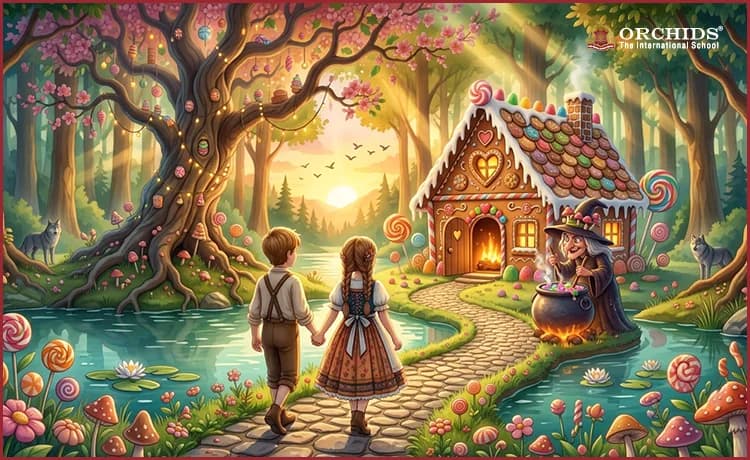
Hansel and Gretel is one of the most famous fairy tales in the world. The story follows two siblings who are abandoned in a forest due to their family's poverty and struggle for food. During their journey, they encounter a mysterious gingerbread house owned by a wicked witch. Through courage, intelligence, and teamwork, the children overcome danger and find their way back home. The tale remains popular because of its exciting plot, memorable characters, and valuable life lessons.
Table of Contents
- About the Author: Brothers Grimm
- Synopsis of Hansel and Gretel
- Narrative Techniques in Hansel and Gretel
- Characters in Hansel and Gretel
- Themes in Hansel and Gretel
- Food as an Important Element in the Story
- Key Takeaways from Hansel and Gretel
- Frequently Asked Questions about Hansel and Gretel
About the Author: Brothers Grimm
Hansel and Gretel was popularised by the Brothers Grimm, Jacob Grimm and Wilhelm Grimm, who were German scholars and collectors of folk tales. In the early nineteenth century, they gathered traditional stories passed down through generations and published them in their famous collection, Children's and Household Tales. Their work helped preserve many fairy tales that continue to entertain and educate readers today.
Synopsis of Hansel and Gretel
Hansel and Gretel is the story of two poor children whose desperate stepmother convinces their father to abandon them in the forest during a time of famine. Hansel first saves them using a trail of white pebbles, but when the plan is attempted a second time with breadcrumbs, the crumbs are eaten by birds, leaving the children lost. Wandering for days, they discover a witch's candy house and are captured but ultimately defeat the witch through cleverness and courage. They return home with treasure, reunite with their repentant father, and live well thereafter.
Narrative Techniques in Hansel and Gretel
Hansel and Gretel showcases many of the storytelling conventions characteristic of the fairy tale tradition, as well as techniques that give this particular story its enduring power.
The Rule of Three
The fairy tale tradition relies heavily on repetition in threes, and Hansel and Gretel is no exception. There are two abandonment attempts, but the structure pivots around three days of wandering in the forest, three mornings of the witch testing Hansel's fatness, and three nights in the forest before the children find the witch's house. This rhythmic repetition builds tension and creates a satisfying narrative structure familiar to audiences of oral storytelling.

Foreshadowing
The story uses foreshadowing effectively to prepare the reader for events to come. When the breadcrumbs are eaten by birds, the audience senses that the children's situation will become more dire than before. The witch's overly warm welcome and suspiciously comfortable house foreshadow her deceptive and sinister nature.
Symbolism
Symbolism is woven throughout the story. The dark forest represents danger, the unknown, and the perilous adult world. The candy house symbolises temptation and the danger of appearances. The pebbles and breadcrumbs represent preparation and hope, the contrast between their outcomes underlines how vulnerable the children's situation is. The witch's oven, in which she plans to cook the children but ultimately meets her own end, is a symbol of poetic justice.
Archetypes
The story uses archetypal characters: the innocent children, the evil stepmother, the father, and the monstrous witch. These archetypes allow the story to operate as a morality tale applicable across cultures and centuries, which is also why it lends itself so readily to retellings and adaptations.
Point of View and Perspective
The narrative is told in close third-person, primarily following the children's perspective. This keeps the audience emotionally aligned with Hansel and Gretel and makes their fear, hunger, and triumph feel immediate and personal.
Oral Storytelling Roots
Like many Grimm tales, Hansel and Gretel bears the hallmarks of oral storytelling: direct dialogue, simple sentences, vivid sensory details, and a clear moral resolution. The story was never meant purely for the page; it was designed to be told aloud, which accounts for its memorable repetitions and its satisfying, conclusive ending.
Characters in Hansel and Gretel
Hansel
Hansel is the older sibling and the primary strategist of the pair. He is quick-thinking, resourceful, and protective of his younger sister. It is Hansel who collects pebbles and devises the trail and Hansel who tricks the witch with the bone. However, he is also the one captured and imprisoned, placing him in a position of helplessness that requires Gretel to act.
Gretel
Gretel is initially portrayed as the more fearful and passive sibling, prone to weeping when danger arises. But it is Gretel who ultimately saves them both: she pushes the witch into the oven, the most decisive and dangerous act in the story. Her arc from frightened child to courageous actor is one of the story's most compelling elements. Gretel also frees Hansel from his cage and leads them home, demonstrating resourcefulness and leadership.
The Witch
The witch is the tale's central villain. She is cunning, patient, and predatory; she built an entire house out of sweets specifically to lure children. She is also near-sighted, which Hansel exploits. The witch represents pure adult malice: she uses kindness as a weapon and views children as food. Her defeat inside her own oven is a moment of poetic justice.
The Father / Woodcutter
The woodcutter is a figure of moral ambiguity. He loves his children but allows his wife to override his better instincts. He represents the failure of parental protection under economic pressure. His grief after abandoning the children is genuine, and the story rewards this grief with the family's reunion.
The Stepmother
The stepmother is the human villain of the story: cold, calculating, and selfish. She views the children as a burden and pushes their father to abandon them twice. Notably, she dies while the children are with the witch, suggesting a symbolic connection between the two evil female figures.
Themes in Hansel and Gretel
Sibling Bond and Family Love
The relationship between Hansel and Gretel is the emotional heart of the story. They comfort each other in moments of terror, devise plans together, and ultimately save each other. Hansel's early plan is what keeps them alive; Gretel's final act of courage is what sets them free. Their bond is depicted as unconditional, where one is in danger, the other acts. This theme speaks powerfully to the enduring human value of loyalty within family.
Hunger, Poverty, and Survival
Hansel and Gretel is, at its core, a story about hunger and poverty. The family's desperate situation is the catalyst for every event in the tale. The tale is believed by scholars to have roots in the Great Famine of the Late Middle Ages, when extreme food scarcity led to the kinds of desperate family decisions depicted in the story. The children's constant hunger and the almost magical appeal of the candy house reflect the psychological and physical weight of starvation.
Courage and Resourcefulness
Both children demonstrate remarkable ingenuity for their age. Hansel's pebble trail, his deception of the witch with the bone, and Gretel's decision to trick the witch into the oven are all acts of creative problem-solving under duress. The story celebrates the idea that cleverness and courage are more powerful than physical strength; the children defeat an adult threat entirely through their wits.
Good Versus Evil
The tale presents a clear moral landscape: good (the children, the repentant father) triumphs over evil (the stepmother, the witch). The witch's death inside her own oven is particularly resonant; she is destroyed by the very instrument she intended to use against innocent children. This alignment of poetic justice with moral victory is a hallmark of the fairy tale genre.
Temptation and Deception
The witch's candy house is the story's most potent symbol of temptation. It preys on the children's very real and very acute hunger to draw them into danger. Similarly, the witch uses maternal warmth, food, shelter, and soft beds as a deceptive cover for predatory intent. The story warns that danger can wear an appealing face and that apparent gifts may conceal malicious intent.
Food as an Important Element in the Story
Food is not merely a backdrop in Hansel and Gretel; it is the engine of the plot, a key symbol, a weapon, and a means of survival. Every major turning point in the story is linked to food in some form. Understanding the role of food illuminates the story's deepest meanings.
-
Starvation and Abandonment: The family's struggle with hunger leads to Hansel and Gretel being abandoned in the forest. Starvation creates the conflict that begins the story.
-
Breadcrumbs as a Survival Tool: Hansel uses breadcrumbs to mark a trail home. Although the plan fails, the breadcrumbs symbolise hope and survival.
-
The Gingerbread House: The gingerbread house represents temptation. It attracts the children because of their hunger but hides a dangerous reality.
-
The Witch's Desire for Food: The witch intends to eat Hansel after fattening him up. Food becomes a symbol of greed and danger rather than nourishment.
-
The Bone That Tricks the Witch: Hansel uses a small bone to fool the witch into thinking he has not gained weight. The bone symbolises cleverness and resourcefulness.
-
Food as a Symbol of Temptation: The sweets and treats of the gingerbread house lure the children into a trap, showing how desires can cloud judgement.
-
Food as a Symbol of Survival and Hope: Food represents both hardship and security. The story moves from scarcity and hunger to safety and abundance, reflecting hope for a better future.
Key Takeaways from Hansel and Gretel
-
Courage helps people face difficult situations.
-
Intelligence and quick thinking can solve problems.
-
Teamwork is often the key to overcoming challenges.
-
Appearances can be misleading.
-
Family support provides strength during adversity.
-
Hope and perseverance can help overcome hardship.
Frequently Asked Questions about Hansel and Gretel
Who wrote Hansel and Gretel?
Answer: The story was collected and published by the Brothers Grimm as part of their collection of German folk tales.
What is the main theme of Hansel and Gretel?
Answer: The story explores themes such as sibling love, survival, courage, temptation, and the triumph of good over evil.
Why did Hansel use pebbles and breadcrumbs?
Answer: Hansel used them to create a trail that would help him and Gretel find their way home.
What does the gingerbread house symbolise?
Answer: The gingerbread house symbolises temptation, illusion, and hidden danger.
How did Gretel defeat the witch?
Answer: Gretel cleverly pushed the witch into an oven and freed Hansel.
Admissions Open for 2026-27
More Stories
We hope this was useful for your child's learning journey. To explore more about what Orchids The International School has to offer, get in touch with our admissions team.
Popular Searches
- NCERT Solutions for Class 1 subjects
- NCERT Solutions for Class 2 subjects
- NCERT Solutions for Class 3 subjects
- NCERT Solutions for Class 4 subjects
- NCERT Solutions for Class 5 subjects
- CBSE School In Aurangabad
- CBSE Schools In Bangalore
- CBSE School In Bhopal
- CBSE Schools In Chennai
- CBSE Schools In Delhi
- Best CBSE Schools In Gurgaon
- CBSE School In Hyderabad
- CBSE School In Indore
- CBSE School In Jabalpur
- CBSE Schools In Jaipur
- CBSE Schools In Kolkata
- CBSE Schools In Mumbai
- CBSE Schools In Nagpur
- CBSE Schools In Pune
- Top CBSE School In Rohtak
- Best CBSE Schools In Sonipat











Orchids The International School is one of India's leading chains of CBSE and ICSE schools, with 130+ schools across the country.