

The Wonderful Story of Henry Sugar: Summary, Author Bio, Themes, Character Analysis and More
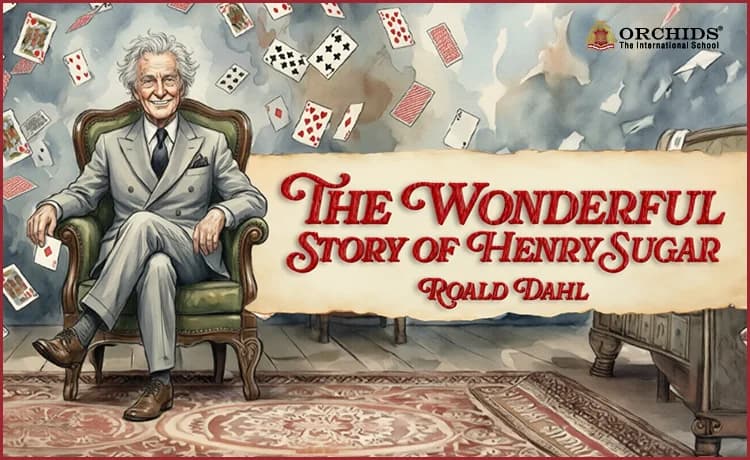
Have you ever wished you had a special ability that could change your life forever? What if that ability could help you become rich, famous, or successful? In The Wonderful Story of Henry Sugar, Roald Dahl explores this fascinating idea through the journey of a wealthy man who discovers an extraordinary secret. However, what begins as a quest for personal gain gradually becomes a story about self-discovery, generosity, and finding a greater purpose in life.
In this guide, you will learn the detailed summary, character analysis, themes, symbolism, writing style, and moral lessons of The Wonderful Story of Henry Sugar in simple and easy-to-understand language.
Table of Contents
- About the Author - Roald Dahl
- The Wonderful Story of Henry Sugar Summary
- What Makes Henry Sugar Different from Other Roald Dahl Characters?
- Henry Sugar Character Analysis
- Themes and Message in The Wonderful Story of Henry Sugar
- What Does Seeing Without Eyes Symbolize?
- Writing Style and Narrative Technique
- Moral and Life Lessons from Henry Sugar
About the Author - Roald Dahl
Roald Dahl is one of the most beloved storytellers in modern literature. Known for his imaginative plots, unforgettable characters, and unique storytelling style, Dahl wrote stories that appeal to both children and adults.
Born in Wales in 1916, Dahl had a fascinating life before becoming a writer. He worked as a fighter pilot during World War II, travelled extensively, and experienced many adventures that later influenced his writing. His works often combine fantasy with real-life emotions, creating stories that are entertaining while also conveying deeper meanings.
Some of his most famous works include Charlie and the Chocolate Factory, Matilda, The BFG, and The Wonderful Story of Henry Sugar.
Unlike many of Dahl's stories that focus on children, The Wonderful Story of Henry Sugar centers on an adult character and explores themes such as self-improvement, discipline, greed, generosity, and personal transformation.
The Wonderful Story of Henry Sugar Summary
Before learning the themes and deeper meanings, it is important to understand the complete story of Henry Sugar and how his life changes throughout the narrative.
Henry Sugar is a wealthy bachelor who lives a comfortable and luxurious life. He inherits a large fortune from his parents and spends most of his time enjoying leisure activities. Since he never has to worry about money, he often looks for new ways to entertain himself.
Although Henry appears successful, he lacks a meaningful purpose in life. He enjoys gambling, social gatherings, and expensive hobbies, but none of these activities bring him lasting satisfaction.
One day, while visiting a friend's house, Henry discovers an old notebook hidden among several books. Curious, he begins reading it.
The notebook contains the remarkable story of a man named Imhrat Khan.
Imhrat Khan is a performer from India who possesses an astonishing ability. He can read without using his eyes. Doctors, scientists, and observers are amazed by his skill because he appears capable of seeing while completely blindfolded.
As Henry continues reading, he learns that Imhrat Khan developed this extraordinary ability through years of meditation, concentration, and self-discipline under the guidance of a yogi.
The notebook explains that this power was not achieved through magic. Instead, it required patience, determination, and intense mental training.
Initially, Henry is not interested in spiritual growth or self-improvement. Instead, another idea enters his mind.
He realizes that if he can learn this ability himself, he could identify playing cards without looking at them and win enormous amounts of money while gambling.
Driven by greed and curiosity, Henry decides to dedicate himself to learning the technique.
For years, he practices concentration exercises. The training is difficult and frustrating. Many times he feels like giving up. However, his desire to acquire the skill keeps him motivated.
Gradually, his efforts begin to produce results.
Eventually, Henry succeeds in developing the ability to perceive cards without directly looking at them.
At first, he uses his new talent to win money in casinos.
However, something unexpected happens.
As Henry accumulates wealth, he begins to realize that earning more money no longer excites him. He already possesses everything he could ever need.
Slowly, his perspective changes.
Instead of keeping his winnings for himself, he decides to donate the money to charitable causes.
The more he helps others, the more fulfilled he feels.
Eventually, Henry dedicates his life to secretly winning money and distributing it to hospitals, orphanages, and organizations that support children in need.
The man who once sought personal gain becomes someone devoted to helping others.
The greatest transformation in the story is not Henry's ability to see without his eyes, it is his transformation from a selfish individual into a compassionate and generous human being.
What Makes Henry Sugar Different from Other Roald Dahl Characters?
Many of Roald Dahl's stories focus on young protagonists who overcome challenges and discover their strengths. Henry Sugar stands apart because he begins the story as a wealthy adult rather than an ordinary child.

Unlike characters who struggle against external obstacles, Henry's greatest challenge is internal.
His journey is not about defeating villains or overcoming poverty. Instead, it is about changing his mindset and discovering a deeper purpose in life.
Why is Henry Sugar's Transformation Unique?
Most literary characters experience some level of growth, but Henry undergoes a complete shift in values.
At the beginning of the story:
-
He is self-centered.
-
He seeks excitement and entertainment.
-
He values money and personal gain.
By the end:
-
He becomes generous.
-
He helps strangers.
-
He finds meaning in serving others.
This transformation makes him one of the most psychologically interesting characters created by Roald Dahl.
Why Does Henry Sugar Change?
The story suggests that material success alone cannot provide lasting happiness.
Henry initially believes that acquiring extraordinary abilities will make him more successful.
However, after achieving his goal, he realizes that true fulfillment comes from helping others rather than accumulating wealth.
This realization becomes the turning point of his life.
Henry Sugar Character Analysis
Understanding Henry Sugar's personality is essential to understanding the deeper meaning of the story. Unlike many literary characters who remain the same from beginning to end, Henry undergoes a remarkable transformation. His journey is not simply about acquiring a supernatural ability; it is about changing the way he views money, success, and life itself. Through his experiences, readers witness how a self-centered individual gradually develops compassion, discipline, and a sense of purpose.
Who is Henry Sugar?
At the beginning of the story, Henry Sugar is a wealthy and privileged man who has never had to struggle for money. Having inherited a large fortune from his parents, he spends his days enjoying expensive hobbies, social gatherings, and gambling. On the surface, he appears to have everything a person could desire. However, beneath this comfortable lifestyle lies a sense of boredom and dissatisfaction.
Henry's character reflects a common human tendency: the belief that happiness can be found through wealth and entertainment. Although he possesses financial security, he lacks direction and meaningful goals. As a result, he constantly searches for new experiences to keep himself occupied.
His discovery of the mysterious notebook becomes a turning point in his life. What initially appears to be a source of amusement eventually challenges his beliefs and changes his understanding of success.
Strengths of Henry Sugar
Despite his flaws, Henry possesses several qualities that contribute to his growth throughout the story.
Determination
One of Henry's greatest strengths is his determination. After learning about the possibility of seeing without using one's eyes, he commits himself to mastering the skill. The process requires years of practice, patience, and self-control. Most people would have abandoned such a difficult challenge, but Henry remains focused on his goal.
Curiosity
Henry's curiosity drives the entire plot. If he had ignored the notebook, his life would have continued unchanged. His willingness to explore unusual ideas allows him to discover a completely new way of looking at the world.
Intelligence
Henry is quick to understand the significance of what he reads. He recognizes the potential of the technique described in the notebook and carefully studies the information before beginning his training.
Ability to Change
Perhaps Henry's most important strength is his ability to change. Many people remain trapped by their habits and beliefs, but Henry eventually reevaluates his priorities and chooses a different path. This willingness to grow is what makes him such a compelling character.
Weaknesses of Henry Sugar
Although Henry develops into a generous individual, he begins the story with several significant flaws.
Greed
Greed is one of Henry's defining characteristics at the beginning of the narrative. His first reaction to the extraordinary ability described in the notebook is not wonder or admiration. Instead, he immediately thinks about how he can use it to win money.
This response reveals how strongly material wealth influences his thinking.
Self-Centered Thinking
Initially, Henry focuses almost entirely on his own desires. He rarely considers how his actions might benefit others. His goals revolve around personal pleasure rather than meaningful contribution.
Lack of Purpose
Even though Henry is wealthy, he lacks a clear sense of direction. He drifts through life without any larger mission or ambition. This emptiness explains why he becomes so fascinated by the possibility of learning something extraordinary.
How Does Henry Sugar Change Throughout the Story?
Henry's transformation is the most important aspect of the narrative and the foundation of its message.
Stage 1: The Self-Centered Man
At the beginning, Henry is primarily motivated by personal gain. He wants excitement, wealth, and entertainment. His interest in the secret technique comes from the possibility of becoming even richer.
Stage 2: The Disciplined Learner
As Henry trains himself, he begins to develop qualities he never previously possessed. The years of concentration and meditation teach him patience, self-control, and perseverance.
This stage is important because the process of learning changes him even before he achieves success.
Stage 3: The Generous Benefactor
The final stage reveals the complete transformation of Henry's character. After obtaining the ability and winning large sums of money, he realizes that wealth alone does not bring satisfaction. Instead of keeping the money, he donates it to hospitals, orphanages, and charitable causes.
By the end of the story, Henry is no longer driven by greed. He is motivated by a genuine desire to improve the lives of others.
This transformation is the true miracle of the story, not the ability to see without eyes, but the ability to become a better human being.
Themes and Message in The Wonderful Story of Henry Sugar
The themes of The Wonderful Story of Henry Sugar go far beyond the surface-level plot. While the story includes elements of mystery and the supernatural, its deeper purpose is to explore human nature, personal growth, and the search for meaning. Through Henry's journey, Roald Dahl encourages readers to reflect on what truly brings happiness and fulfillment.
The central theme of the story is personal transformation.
Henry begins as a wealthy but aimless individual whose primary concern is his own enjoyment. Over time, he develops discipline, self-awareness, and compassion. His transformation demonstrates that people are capable of changing regardless of their background or past behavior.
The story suggests that growth is possible when individuals are willing to challenge their assumptions and develop a broader perspective on life.
How Does the Story Explore Greed and Generosity?
One of the most powerful themes in the story is the contrast between greed and generosity.
Initially, Henry's motivation is entirely selfish. He wants to learn the secret technique so that he can gain an advantage in gambling and increase his wealth.
However, as he accumulates money, he experiences an unexpected realization. The excitement of winning gradually fades, and he discovers that helping others provides a deeper sense of satisfaction.
Roald Dahl uses this contrast to show that material success alone cannot create lasting happiness. True fulfillment comes from contributing to the well-being of others.
Why is Discipline Important in Henry's Journey?
Discipline is another major theme.
Modern society often celebrates quick success, but Henry's achievement requires years of consistent effort. His ability does not emerge overnight. It is the result of patience, concentration, and persistence.
Through Henry's journey, the story teaches that meaningful accomplishments require dedication and sacrifice. Talent may open doors, but discipline is what leads to mastery.
What Does the Story Teach About Purpose in Life?
A deeper theme running throughout the narrative is the search for purpose.
At the beginning, Henry has wealth but lacks direction. He moves from one activity to another without finding genuine satisfaction.
Only when he begins helping others does he discover a meaningful purpose.
The story suggests that purpose cannot be purchased. It is created through actions that benefit others and contribute to something larger than oneself.
What Does Seeing Without Eyes Symbolize?
One of the most fascinating aspects of the story is its symbolic meaning. While the ability to see without using one's eyes appears supernatural, it also functions as a powerful metaphor for personal growth and deeper understanding.
On the surface, the ability represents a remarkable mental achievement.
At a deeper level, however, it symbolizes insight and awareness.
Throughout the story, Henry learns not only how to perceive physical objects differently but also how to see life from a new perspective. He begins to recognize the limitations of greed and the value of generosity.
In this sense, "seeing without eyes" symbolizes the ability to understand truths that cannot be observed through ordinary vision.
What Does Meditation Represent?
Meditation plays a significant role in the story because it represents inner development.
The years of practice required to master the technique symbolize:
-
Self-discipline
-
Emotional control
-
Mental strength
-
Personal growth
-
Focused determination
Rather than relying on shortcuts, Henry must transform himself through sustained effort.
Why is Gambling Important to the Story?
Gambling serves as a symbol of temptation. It represents Henry's initial desire for easy rewards and personal advantage.
At the beginning of the story, gambling reflects his selfish mindset. By the end, however, he moves beyond this temptation and chooses a more meaningful purpose.
This shift symbolizes his moral growth and highlights the difference between temporary pleasure and lasting fulfillment.
Writing Style and Narrative Structure
One of the reasons The Wonderful Story of Henry Sugar remains memorable is Roald Dahl's unique storytelling technique. The story is not only interesting because of its plot but also because of the way it is told.
Why Does Roald Dahl Use a Story Within a Story?
The narrative follows multiple layers of storytelling.
Readers first encounter Henry Sugar, who then discovers a notebook, which contains another narrative about Imhrat Khan and the yogi who trained him.
This "story within a story" structure creates mystery and suspense. Each new layer introduces fresh information and encourages readers to continue exploring the narrative.
It also makes the story feel more believable because the extraordinary events are presented through documented accounts rather than direct claims.
What Makes Roald Dahl's Writing Style Unique?
Roald Dahl combines simplicity with depth.
His language is accessible enough for younger readers, yet his ideas often contain deeper philosophical questions that appeal to adults.
His writing style is characterized by:
-
Clear and engaging narration
-
Strong character development
-
Gradual suspense
-
Memorable details
-
Hidden moral lessons
This balance allows readers of different ages to enjoy the story in different ways.
How Does the Narrative Structure Keep Readers Engaged?
The structure creates a continuous sense of curiosity.
Readers constantly want answers to important questions:
-
Is the ability real?
-
Can Henry master it?
-
What will he do with his power?
-
Will he remain selfish or change?
Each question pushes the story forward and encourages readers to keep reading.
The narrative therefore becomes more than a simple adventure, it becomes a journey of discovery, both for Henry and for the reader.
Moral and Life Lessons from Henry Sugar
Beyond its entertaining plot, The Wonderful Story of Henry Sugar offers valuable lessons that remain relevant in everyday life.
The primary moral is that true happiness comes from helping others rather than focusing solely on personal gain.
Henry's wealth never brings him lasting satisfaction. Only when he begins using his abilities to improve the lives of others does he find genuine fulfillment.
The story reminds readers that success is not measured only by what we acquire but also by what we contribute.
You can learn several important life lessons:
-
Hard work produces meaningful results.
-
Discipline is more powerful than talent alone.
-
Curiosity can lead to personal growth.
-
Kindness creates lasting impact.
-
Wealth is not the only measure of success.
These lessons make the story both entertaining and educational.
Why Does Henry Sugar Decide to Help Others?
Henry's decision emerges from a change in perspective.
As he gains experience, he realizes that collecting money no longer excites him. Instead, he discovers a sense of fulfillment in helping people who are less fortunate.
This realization marks the completion of his transformation and reinforces the story's central message: the greatest reward in life often comes from making a positive difference in the lives of others.
Frequently Asked Questions on The Wonderful Story of Henry Sugar
What is The Wonderful Story of Henry Sugar about?
It is a story about a wealthy man who learns a remarkable skill and eventually uses it to help others rather than enrich himself.
Who wrote The Wonderful Story of Henry Sugar?
The story was written by Roald Dahl.
Why does Henry Sugar learn to see without his eyes?
Initially, he wants to use the ability to win money through gambling.
What is the main theme of Henry Sugar?
The main theme is personal transformation and the journey from selfishness to generosity.
What does seeing without eyes symbolize?
It symbolizes wisdom, self-awareness, and the ability to look beyond material desires.
How does Henry Sugar change in the story?
He changes from a selfish, pleasure-seeking man into a generous individual who helps others.
Why is Henry Sugar different from other Roald Dahl characters?
Unlike many of Dahl's protagonists, Henry is an adult whose challenge is moral and psychological rather than physical.
What is the moral of The Wonderful Story of Henry Sugar?
The story teaches that true fulfillment comes from purpose, compassion, and helping others rather than pursuing wealth alone.
Admissions Open for 2026-27
More Stories
We hope this was useful for your child's learning journey. To explore more about what Orchids The International School has to offer, get in touch with our admissions team.
Popular Searches
- NCERT Solutions for Class 1 subjects
- NCERT Solutions for Class 2 subjects
- NCERT Solutions for Class 3 subjects
- NCERT Solutions for Class 4 subjects
- NCERT Solutions for Class 5 subjects
- CBSE School In Aurangabad
- CBSE Schools In Bangalore
- CBSE School In Bhopal
- CBSE Schools In Chennai
- CBSE Schools In Delhi
- Best CBSE Schools In Gurgaon
- CBSE School In Hyderabad
- CBSE School In Indore
- CBSE School In Jabalpur
- CBSE Schools In Jaipur
- CBSE Schools In Kolkata
- CBSE Schools In Mumbai
- CBSE Schools In Nagpur
- CBSE Schools In Pune
- Top CBSE School In Rohtak
- Best CBSE Schools In Sonipat











Orchids The International School is one of India's leading chains of CBSE and ICSE schools, with 110+ schools across the country.