

How to Write an Article on Independence Day (With Samples)
Have you ever found a History book without a chapter on the freedom movements and the men and women who fought for Indian Independence? It is the untold duty of every citizen to know the history of the nation. If you have missed out on your opportunity to learn about the history of India, here, you will learn how to write an article on Independence Day, that would give you a fair idea of the journey to Indian Independence.
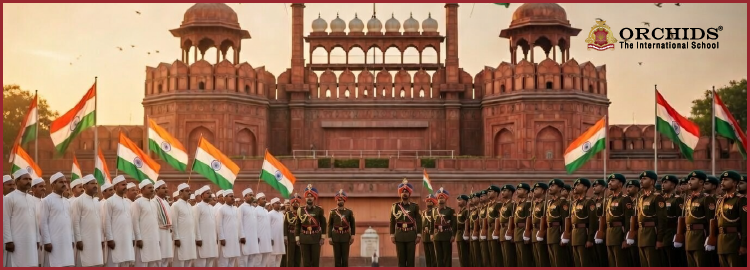
Table of Contents
- What Is the History of Independence Day in India?
- Short Article on Independence Day
- Why Is Independence Day Important for Every Indian?
- Sample Articles on Independence Day
- Frequently Asked Questions on Independence Day

What Is the History of Independence Day in India?
To understand the importance of Independence Day, it is essential to know when, how, and by whom India achieved freedom. This section explains the historical background and the contributions of great leaders who made independence possible. It also highlights the struggles and sacrifices that shaped the nation.
After years of colonial rule under the British Empire, India gained independence on 15th August 1947. This freedom was not achieved overnight; it was the result of decades of struggle, unity, and determination.
Key Contributors to India’s Independence
-
Mahatma Gandhi – Led the non-violent freedom movement
-
Jawaharlal Nehru – First Prime Minister of India
-
Subhash Chandra Bose – Led the Indian National Army
-
Bal Gangadhar Tilak – Promoted the idea of Swaraj
-
Rani Lakshmi Bai – Symbol of courage and resistance
-
Dr. B. R. Ambedkar – Architect of the Indian Constitution
-
Lala Lajpat Rai and Lal Bahadur Shastri – Influential leaders in the struggle
How India Achieved Freedom
-
Through non-violent movements like the Non-Cooperation Movement and Quit India Movement
-
Through mass participation of people across the country
-
Through sacrifices and unity of freedom fighters
India’s independence was a collective effort of millions who stood against injustice and fought for dignity and rights.
Short Article on Independence Day
Moving from history to understanding its importance, this section explains why Independence Day is celebrated and what it symbolises. It helps students grasp the meaning of freedom and national pride.
Independence Day marks the beginning of a new era in Indian history. It signifies freedom from colonial rule and the birth of a democratic nation. The day reminds every citizen of the sacrifices made by freedom fighters and inspires them to contribute to the country’s growth.
On this day:
-
The national flag is hoisted
-
The national anthem is sung
-
Schools and institutions conduct cultural programmes
-
People express their patriotism and pride
It is not just a celebration but also a reminder of our responsibilities as citizens.
Why Is Independence Day Important for Every Indian?
Continuing from the idea of celebration, this section focuses on the deeper significance of Independence Day in shaping national identity and unity. It explains why this day holds emotional and historical importance.
Independence Day is significant because it:
-
Honors the sacrifices of freedom fighters
-
Promotes unity and national integration
-
Reminds citizens of their duties and responsibilities
-
Encourages patriotism and respect for the nation
How Independence Day Is Celebrated in India
-
Flag hoisting ceremonies across the country
-
Prime Minister’s speech at the Red Fort in New Delhi
-
21-gun salute and national anthem
-
Parades and cultural programmes
-
Showcase of India’s diversity and heritage
Even during challenging times, such as pandemics, celebrations continue with necessary precautions, reflecting the spirit and resilience of the nation.
Sample Articles on Independence Day
To help you understand how to write an article on Independence Day, here are 4 sample articles following a proper format with introduction, body, and conclusion.
Sample Article 1: Independence Day
Introduction:
Independence Day is one of the most important national festivals of India. It is celebrated every year on 15th August to mark the country’s freedom from British rule.
Body:
India gained independence in 1947 after a long struggle led by great leaders like Mahatma Gandhi and Jawaharlal Nehru. The freedom movement was based on unity, courage, and non-violence. On this day, the Prime Minister hoists the national flag at the Red Fort and addresses the nation. Schools and institutions celebrate with patriotic songs, speeches, and cultural events.
Conclusion:
Independence Day reminds us of the sacrifices made by our freedom fighters. It inspires us to be responsible citizens and work towards the progress of our country.
Sample Article 2: Importance of Independence Day
Introduction:
Independence Day is a day of pride and honour for every Indian. It marks the end of British rule and the beginning of a free nation.
Body:
India achieved independence on 15th August 1947 after years of struggle. Leaders like Subhash Chandra Bose, Bal Gangadhar Tilak, and Rani Lakshmi Bai played significant roles in the freedom movement. Independence Day is celebrated with great enthusiasm across the country. The national flag is hoisted, and people participate in various cultural programmes. The Prime Minister delivers a speech highlighting the country’s achievements and future goals.
This day is also a reminder of our responsibilities. Freedom comes with duties, and every citizen must contribute to the nation’s development.
Conclusion:
Independence Day is not just a celebration but a reminder of our unity, strength, and commitment to building a better India.
Sample Article 3: Significance of Independence Day
Introduction:
Independence Day is a symbol of freedom, sacrifice, and national pride. It is celebrated every year to honour the efforts of those who fought for India’s independence.
Body:
The journey to independence was long and challenging. Millions of people participated in movements led by Mahatma Gandhi, who believed in non-violence. The Quit India Movement and Civil Disobedience Movement played crucial roles in achieving freedom.
On Independence Day, grand celebrations take place in New Delhi. The Prime Minister hoists the national flag and addresses the nation. The event includes a parade showcasing India’s cultural diversity and military strength. Schools and colleges organise competitions, speeches, and performances.
Independence Day also teaches us the value of freedom and the importance of unity. It reminds us to respect our country and work for its progress.
Conclusion:
The significance of Independence Day lies in its ability to unite people and inspire them to contribute to the nation’s growth.
Sample Article 4: Independence Day Celebration
Introduction:
Independence Day is one of the most celebrated national festivals in India. It marks the country’s freedom from British rule on 15th August 1947.
Body:
The struggle for independence was led by many great leaders who dedicated their lives to the nation. Mahatma Gandhi’s non-violent approach united people from different backgrounds. Leaders like Jawaharlal Nehru and Subhash Chandra Bose also played vital roles in the freedom movement.
The celebrations of Independence Day are grand and meaningful. The main event takes place in New Delhi, where the Prime Minister hoists the national flag at the Red Fort. This is followed by the national anthem and a speech highlighting the achievements and challenges of the country. Cultural programmes, parades, and performances reflect India’s rich heritage.
Across the country, schools, colleges, and offices celebrate this day with enthusiasm. Students participate in competitions, and people express their patriotism through various activities.
Conclusion:
Independence Day is a reminder of the sacrifices made by our ancestors. It inspires us to value our freedom and work towards a brighter future for our nation.
Frequently Asked Questions on Independence Day
1. What is Independence Day?
Independence Day is a national festival celebrated on 15th August to mark India’s freedom from British rule.
2. Why is Independence Day important?
It honors the sacrifices of freedom fighters and reminds citizens of their responsibilities.
3. How is Independence Day celebrated?
It is celebrated with flag hoisting, speeches, cultural programmes, and national events.
4. Who played a major role in India’s independence?
Leaders like Mahatma Gandhi, Jawaharlal Nehru, and Subhash Chandra Bose played key roles.
Strong language skills open doors well beyond the classroom, shaping how confidently a child reads, writes and expresses ideas. If you want to know more about how Orchids The International School builds these skills through its English curriculum, get in touch with our admissions team.


Admissions Open for 2026-27
What type of concept pages would you prefer?
CBSE Schools In Popular Cities
- CBSE Schools in Bangalore
- CBSE Schools in Mumbai
- CBSE Schools in Pune
- CBSE Schools in Hyderabad
- CBSE Schools in Chennai
- CBSE Schools in Gurgaon
- CBSE Schools in Kolkata
- CBSE Schools in Indore
- CBSE Schools in Sonipat
- CBSE Schools in Delhi
- CBSE Schools in Rohtak
- CBSE Schools in Bhopal
- CBSE Schools in Aurangabad
- CBSE Schools in Jabalpur
- CBSE Schools in Jaipur
- CBSE Schools in Jodhpur
- CBSE Schools in Nagpur
- CBSE Schools in Ahmednagar
- CBSE School In Tumkur











Orchids The International School is one of India's leading chains of CBSE and ICSE schools, with 130+ schools across the country.