

List of 45+ Shapes Names in English with Pictures, Descriptions and Examples
Learning shapes names in English helps students and language learners describe objects accurately, improve their vocabulary, and communicate more effectively in everyday situations. Understanding shapes helps students in geometry, art, architecture, science, and even daily life. Shapes can be simple, like a circle or square, or complex, like a dodecahedron. They can be flat or solid.
Knowing the names of different shapes is an important part of English vocabulary. Whether you are identifying a square window, a triangular sign, or a spherical ball, shape words help you talk about the size, appearance, and structure of objects around you. In this article, you will learn all shapes' names in English, including common geometric shapes, 2D and 3D shapes, their meanings, examples, and real-life uses.
Table of Contents
- What are Shapes?
- Types of Shapes in English
- List of 40+ Shapes Name in English
- 2D Shapes Name in English with Pictures
- 3D Shapes Name in English with Pictures
- Different Shapes Name in English with Pictures
- Real-World Objects and their Shape Names

What are Shapes?
A shape is the form or outline of an object, the way it looks from the outside. Every object around us, from a pizza slice to the Earth itself, has a shape. In everyday English we use specific names to describe these forms. When we talk about shape names in English, we refer to names assigned to figures based on properties like the number of sides, angles, and dimensions.
Shapes can be flat (two-dimensional) or solid (three-dimensional). Understanding different shapes name in English is an essential part of learning both basic English vocabulary and mathematics. It helps students describe the world around them more accurately.
Learning shape names helps students:
-
Develop observation and recognition skills.
-
Build a foundation for geometry.
-
Understand measurements and designs.
-
Improve problem-solving abilities.
-
Identify patterns in everyday life.
-
Enhance vocabulary in English.
Types of Shapes in English
All shape name in English can be grouped into two broad categories:
2D Shapes (Two-Dimensional Shapes)
These shapes are flat and can be drawn on paper. They have length and width but no depth. Examples: circle, square, triangle, rectangle.
3D Shapes (Three-Dimensional Shapes)
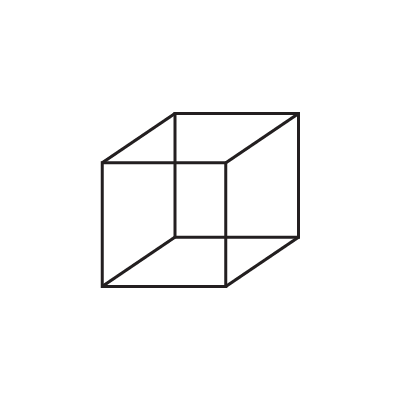
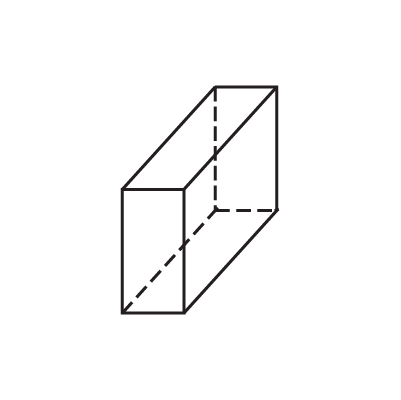
These shapes have length, width, and depth (height). They are solid figures we can hold in our hands. Examples: cube, sphere, cone, cylinder.
Within these two categories, we also have:
-
Geometric Shapes: Shapes defined by mathematical rules. For example, polygons and polyhedra.
-
Irregular Shapes: Shapes found in nature that do not follow strict rules. For example, clouds, leaves, flower petals, trees, and rivers.
-
Open Shapes: Shapes whose boundary does not fully close. For example, letter c, arc, curved line, and zigzag line.
-
Closed Shapes: shapes whose boundary is completely enclosed. For example, a circle, a square, a rectangle, and a triangle.
List of 40+ Shapes Name in English
-
Circle
-
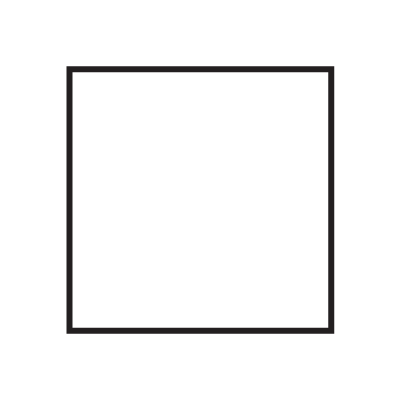
Square
-
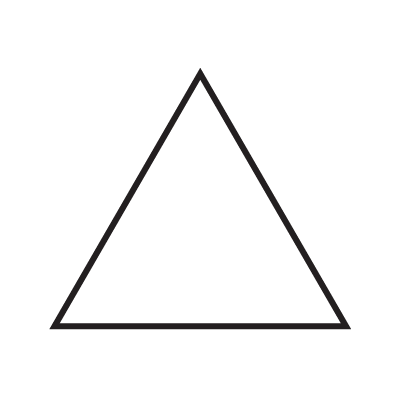
Triangle
-
Rectangle
-
Oval
-
Square
-
Rectangle
-
Rhombus
-
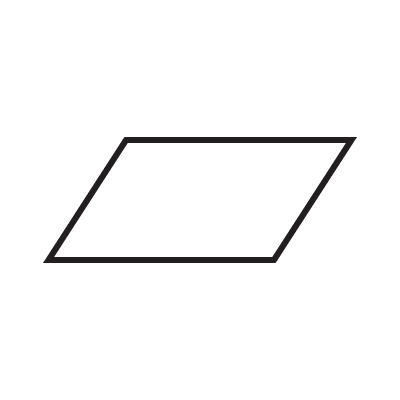
Parallelogram
-
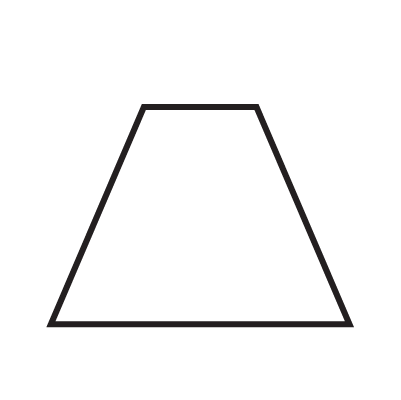
Trapezium
-
Diamond
-
Kite
-
Equilateral Triangle
-
Isosceles Triangle
-
Scalene Triangle
-
Right-Angled Triangle
-
Obtuse Triangle
-
Acute Triangle
-
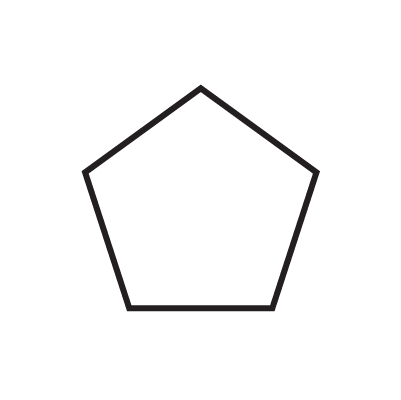
Pentagon
-
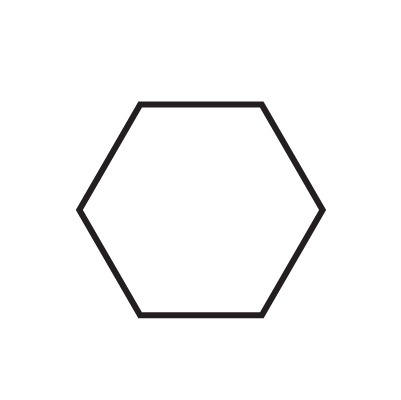
Hexagon
-
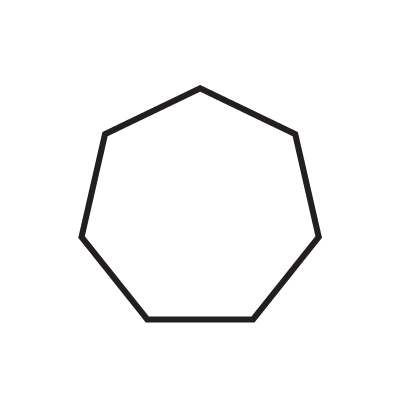
Heptagon
-
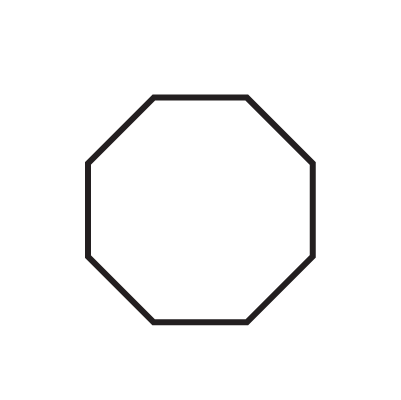
Octagon
-
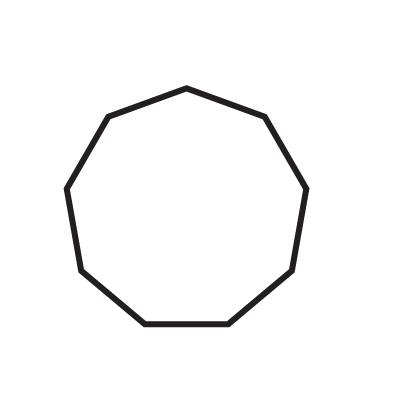
Nonagon
-
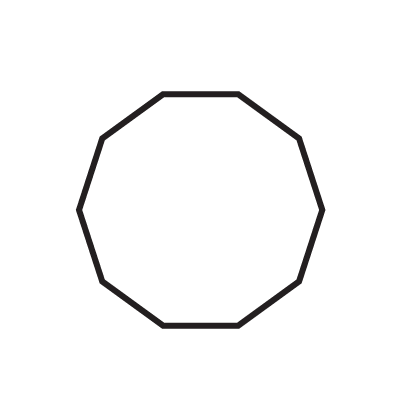
Decagon
-
Hendecagon
-
Dodecagon
-
Tridecagon
-
Tetradecagon
-
Pentadecagon
-
Hexadecagon
-
Heptadecagon
-
Octadecagon
-
Enneadecagon
-
Icosagon
-
Circle
-
Semicircle
-
Oval
-
Ellipse
-
Crescent
-
Star
-
Heart
-
Arrow
-
Cube
-
Cuboid
-
Sphere
-
Cylinder
-
Cone
-
Pyramid
-
Prism
-
Tetrahedron
-
Octahedron
-
Dodecahedron
-
Icosahedron
2D Shapes Name in English
Here is a list of important 2D shape names in English along with a brief description of each:



3D Shapes Name in English
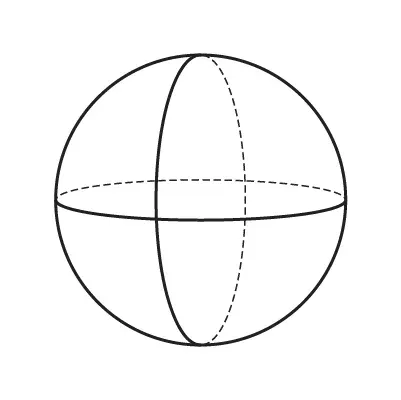
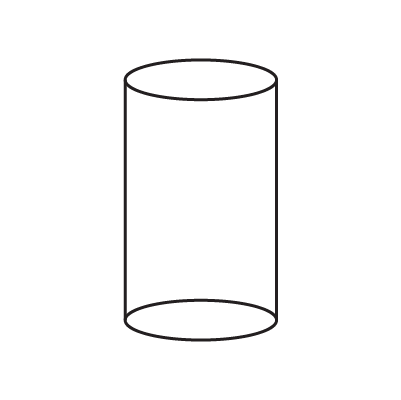
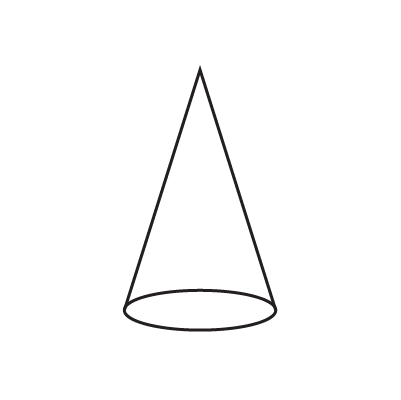
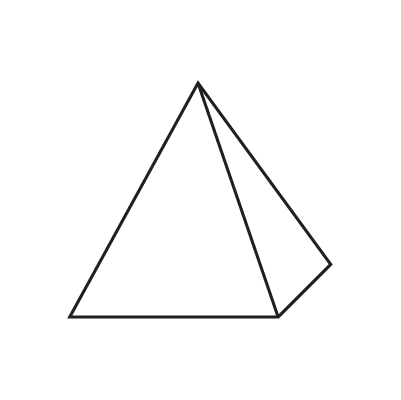
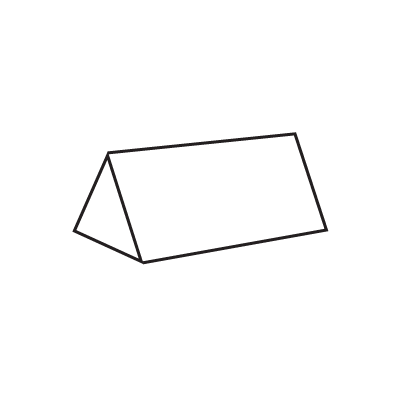
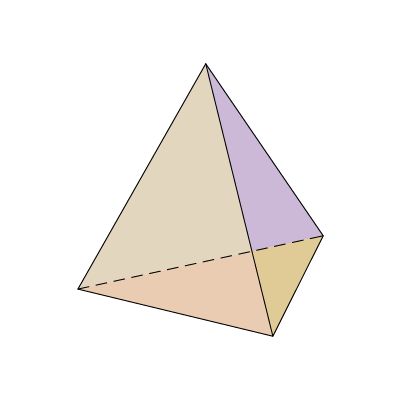
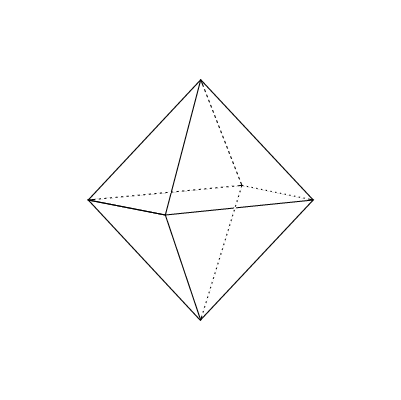
Different Shapes Name in English with Pictures




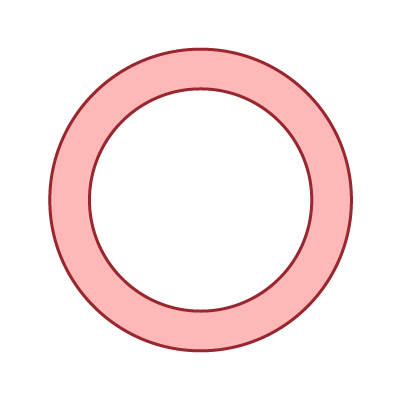
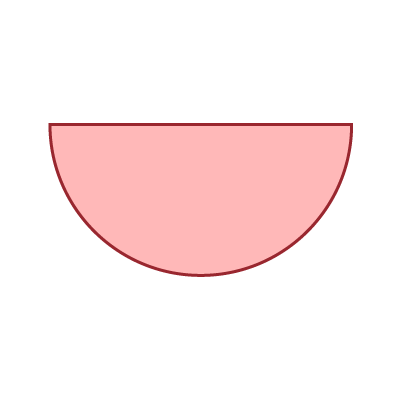


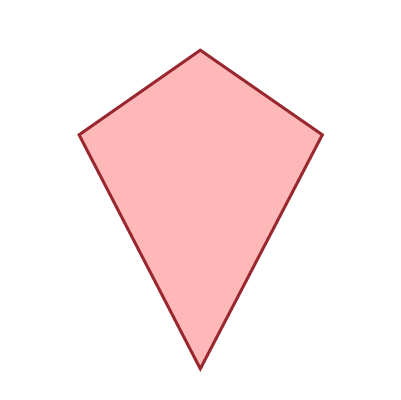
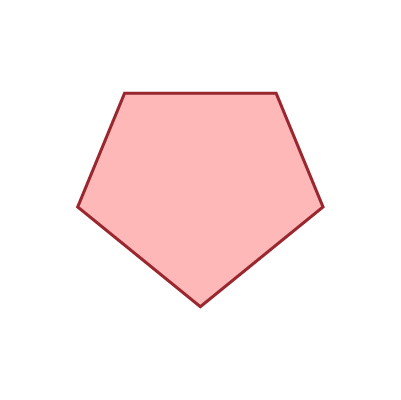
Real-World Objects and their Shape Names
One of the best ways to remember shape names in English is to connect them to everyday objects you already know. Here are some examples:
Strong language skills open doors well beyond the classroom, shaping how confidently a child reads, writes and expresses ideas. If you want to know more about how Orchids The International School builds these skills through its English curriculum, get in touch with our admissions team.


Admissions Open for 2026-27
Admissions Open for 2026-27
CBSE Schools In Popular Cities
- CBSE Schools in Bangalore
- CBSE Schools in Mumbai
- CBSE Schools in Pune
- CBSE Schools in Hyderabad
- CBSE Schools in Chennai
- CBSE Schools in Gurgaon
- CBSE Schools in Kolkata
- CBSE Schools in Indore
- CBSE Schools in Sonipat
- CBSE Schools in Delhi
- CBSE Schools in Rohtak
- CBSE Schools in Bhopal
- CBSE Schools in Aurangabad
- CBSE Schools in Jabalpur
- CBSE Schools in Jaipur
- CBSE Schools in Jodhpur
- CBSE Schools in Nagpur
- CBSE Schools in Ahmednagar
- CBSE School In Tumkur












Orchids The International School is one of India's leading chains of CBSE and ICSE schools, with 110+ schools across the country.