

Tree Facts: Evolution, Lifespan, Defense Mechanisms and Environmental Value
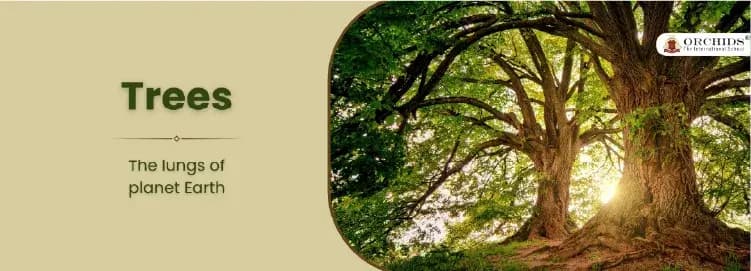
Look outside your window. Chances are, you can spot at least one tree. We see them every day, on roads, in parks, in our backyards. But have you ever stopped to think about how old trees really are, or how they survive without being able to move? Trees have been on this planet for millions of years. They have figured out ways to protect themselves, live for thousands of years and keep our environment clean and healthy. Let's take a closer look at these quiet, incredible living things.
Table of Contents:
- How Trees Evolved
- How Long do Trees Live
- How Trees Defend Themselves
- Why Trees Matter for the Environment
- Frequently Asked Questions about Trees

How Trees Evolved
Trees did not always look the way they do now. The earliest tree-like plants appeared about 385 million years ago. They looked more like giant ferns, tall and woody, but very different from the oak or mango trees we know today.
Over a very long time, trees slowly changed. They grew stronger trunks, deeper roots and learned to produce seeds. This made it easier for them to survive in different climates, dry deserts, cold mountains and thick rainforests. The biggest change was the development of wood, which gave trees the strength to grow tall and reach sunlight. Today, there are more than 60,000 known species of trees on Earth.
How Long do Trees Live
Most trees live much longer than humans. Garden trees can live for decades. Forest trees often survive for hundreds of years. And some trees? They have been standing for thousands of years. The Bristlecone Pine trees in the United States are some of the oldest living things on Earth. One tree, called Methuselah, is nearly 4,800 years old. It was already ancient when the pyramids of Egypt were being built.
Closer to home, the Thimmamma Marrimanu banyan tree in Andhra Pradesh has been growing for over 550 years. Its canopy spreads wider than most school playgrounds. A tree's lifespan depends on its species, its surroundings and whether humans leave it alone long enough to grow.
How Trees Defend Themselves
Trees cannot walk away from danger. But they are far from helpless. Many trees make their leaves bitter or mildly poisonous so that insects and animals do not eat them. The neem tree is a good example. It produces a natural compound that repels pests, which is exactly why neem is used in so many Indian home remedies and natural pesticides.
Some trees, like the acacia, actually warn each other. When an acacia is being eaten by animals, it releases chemicals into the air. Nearby trees pick up this signal and make their own leaves more bitter in response. Bark is another form of defence. Thick bark protects the inside of a tree from fire, insects and disease, almost like a natural shield.
Why Trees Matter for the Environment
Trees do a lot of quiet, important work that keeps our planet running. They absorb carbon dioxide, the gas responsible for global warming and give back oxygen in return. One healthy, full-grown tree can absorb up to 22 kilograms of carbon dioxide in a single year. Their roots hold soil in place, which helps prevent landslides and floods. When it rains heavily, tree roots soak up water and slow it down, so it doesn't rush into rivers all at once.
Trees are also home to countless birds, insects and animals. Without trees, many of these species simply would not survive. In cities, trees cool things down. A road lined with trees can feel several degrees cooler than one without any. That natural shade and moisture makes a real difference, especially during Indian summers.
Frequently Asked Questions about Trees
1. Which is the oldest tree in the world?
A Bristlecone Pine in California called Methuselah is nearly 4,800 years old. It is considered one of the oldest living trees on Earth.
2. Do trees really talk to each other?
In a way, yes. Some trees release chemicals through the air to warn nearby trees of danger. Others share nutrients through underground fungal networks. Scientists sometimes call this the ‘wood wide web’.
3. How do trees help during floods?
Tree roots grip the soil and stop it from washing away. They also absorb large amounts of rainwater, which lowers the risk of flooding in nearby areas.
4. How many trees are cut down every year?
Around 15 billion trees are cut down across the world every year. That is why planting trees and protecting forests is one of the most important things we can do for our planet.
Understanding the world starts with the environment around us. To see how Orchids The International School brings EVS to life, reach out to our admissions team.


Admissions Open for 2026-27
What type of concept pages would you prefer?
CBSE Schools In Popular Cities
- CBSE Schools in Bangalore
- CBSE Schools in Mumbai
- CBSE Schools in Pune
- CBSE Schools in Hyderabad
- CBSE Schools in Chennai
- CBSE Schools in Gurgaon
- CBSE Schools in Kolkata
- CBSE Schools in Indore
- CBSE Schools in Sonipat
- CBSE Schools in Delhi
- CBSE Schools in Rohtak
- CBSE Schools in Bhopal
- CBSE Schools in Aurangabad
- CBSE Schools in Jabalpur
- CBSE Schools in Jaipur
- CBSE Schools in Jodhpur
- CBSE Schools in Nagpur
- CBSE Schools in Ahmednagar
- CBSE School In Tumkur











Orchids The International School is one of India's leading chains of CBSE and ICSE schools, with 110+ schools across the country.