

List of 200+ Common Fish Names with Pictures and Examples
Have you ever wondered how many different kinds of fish live in our rivers, lakes, and oceans? From tiny colourful species found in home aquariums to large and powerful fish that swim across the open sea, the aquatic world is filled with an incredible variety of life. Learning fish names helps us understand this diversity and recognise the unique features of each species. In this guide, you will explore a wide range of fish names from different parts of the world, along with their characteristics and habitats.
Table of Contents

What Are Fish Names?
Fish names generally fall into two categories: common names and scientific names. Each serves a different purpose, and both are important in the study of fish biology, taxonomy, and ecology.
A common name is the everyday, vernacular term used by people, for example, “salmon,” “catfish,” or “tuna.” These names can vary by region and language. On the other hand, a scientific name (or Latin name) is a formal, two-part name given to each species, like Oncorhynchus mykiss for rainbow trout, which is the same worldwide. This binomial system was developed by Carl Linnaeus and helps avoid confusion when common names differ.
Using scientific names ensures precision, especially in academic and research contexts, while common names make it easy for non-specialists to refer to fish in daily conversation.
Common Examples of Fish Names
Each fish species has unique features, habitats, and behaviours that help scientists classify and study them. The examples below include freshwater fish, saltwater game fish, ornamental aquarium fish, and a few uncommon species. By learning their common and scientific names, you can connect everyday observations with biological terminology.
Popular Freshwater Fish Names
Freshwater fish live in rivers, ponds, lakes, and streams. These species are often studied because they play important roles in inland ecosystems and are also familiar to many students.
Catfish
.webp)
This is a large and diverse group of fish easily recognized by their “whisker-like” barbels. A well-known example is the channel catfish (Ictalurus punctatus), which is common in rivers and aquaculture farms. Catfish are bottom-dwellers and use their sensitive barbels to detect food in muddy waters. They are widely used in fisheries and remain an important food source in many regions.
Bass
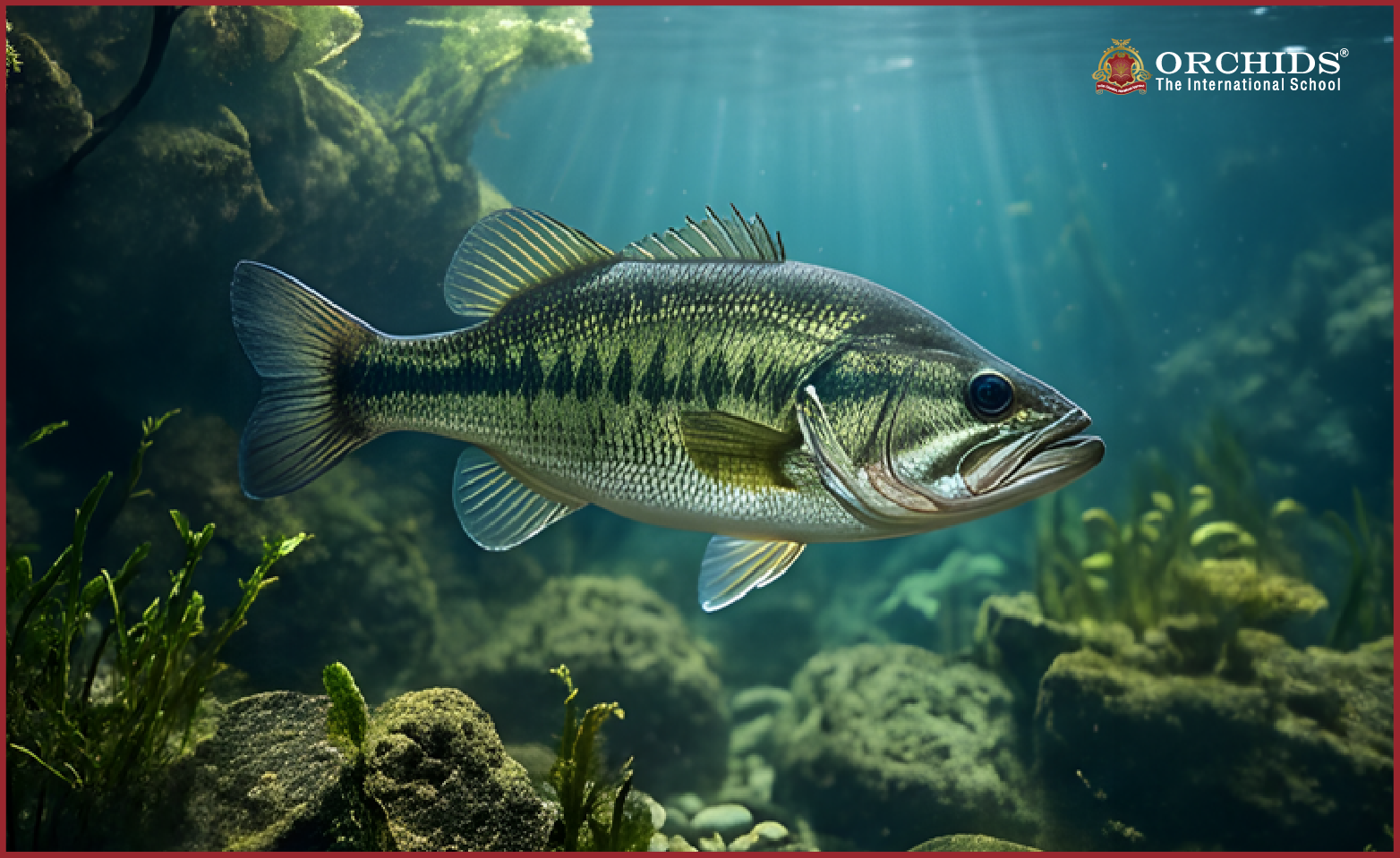
“Bass” refers to several species found in different families and genera. Famous examples include the largemouth bass and the striped bass. These fish are known for their strong swimming abilities and are popular in sport fishing. Their adaptability allows them to thrive in various freshwater environments.
Carp
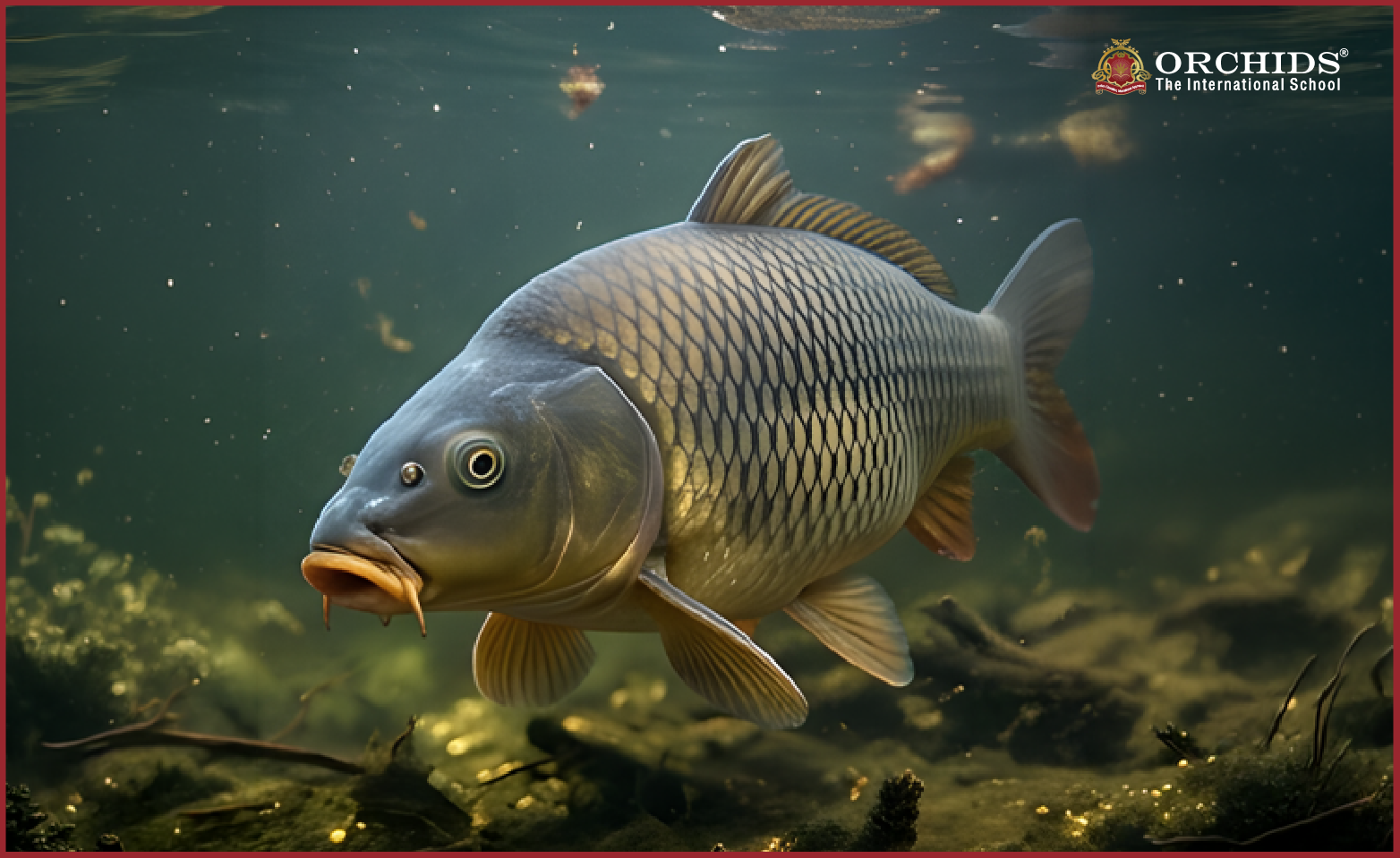
The common carp (Cyprinus carpio) is one of the most recognized and widespread freshwater fish. Many carp species have great cultural, economic, and ecological importance. They are hardy fish capable of surviving in low-oxygen waters, which is why they are found in many parts of the world. Some varieties, like koi carp, are also bred for ornamental purposes.
Saltwater and Game Fish
Saltwater fish inhabit oceans and seas and often display powerful swimming abilities. Many of these species are studied in marine biology and are popular among anglers because of their size and strength.
Salmon
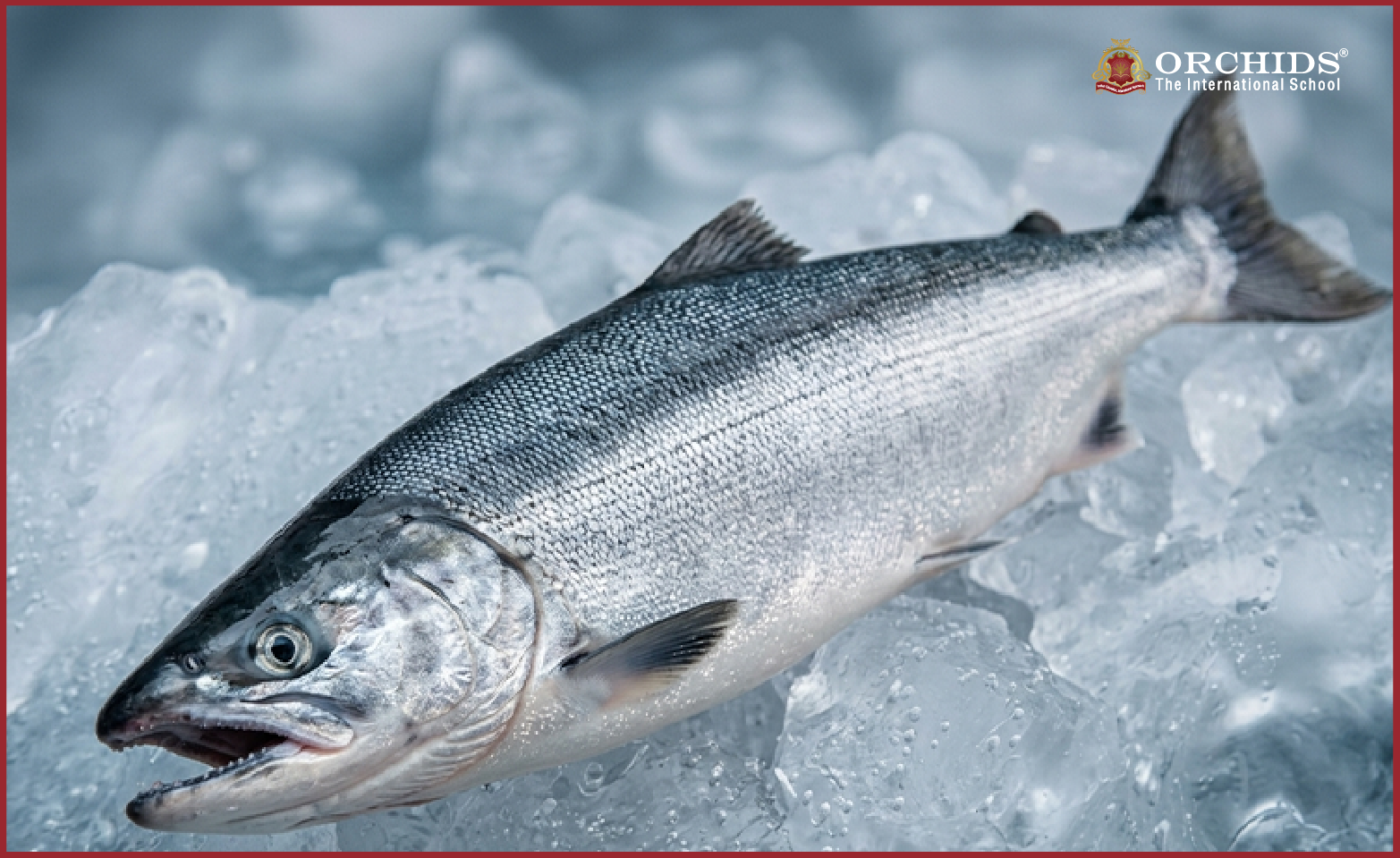
Salmon are famous for their ability to migrate from the ocean back to freshwater rivers to spawn. Examples include the Atlantic salmon (Salmo salar) and several Pacific species. Their life cycle is widely studied because it involves long-distance migration and complex biological adaptations. Salmon are also valued for their nutritional importance.
Tuna
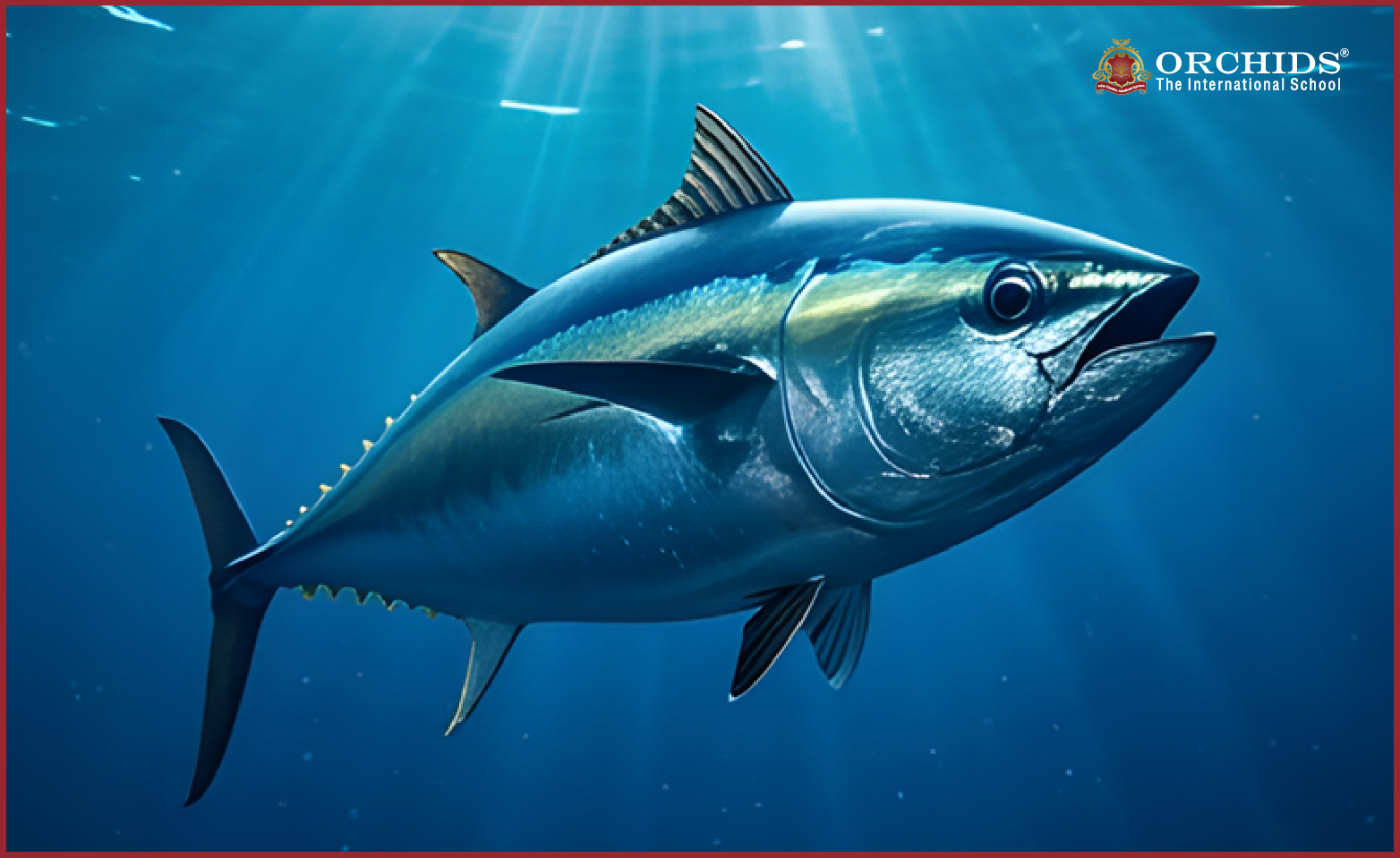
Tuna are among the fastest and most powerful marine fish. Species such as yellowfin tuna and skipjack tuna are widely consumed around the world. Their streamlined bodies help them chase prey over long distances. Because of their commercial value, tuna fisheries are monitored carefully to maintain sustainable populations.
Barracuda, Marlin, and Amberjack
These are well-known game fish recognized for their speed, strength, and streamlined shapes. Barracudas are long and slender with sharp teeth, marlins have long, spear-like bills, and amberjacks are strong open-water swimmers. These fish are important in ocean food chains and often appear in marine studies.
Aquarium and Tropical Fish
Many colourful and visually appealing fish species are kept in aquariums. These fish are studied not only for their beauty but also for their diverse behaviours and adaptations.
Angelfish
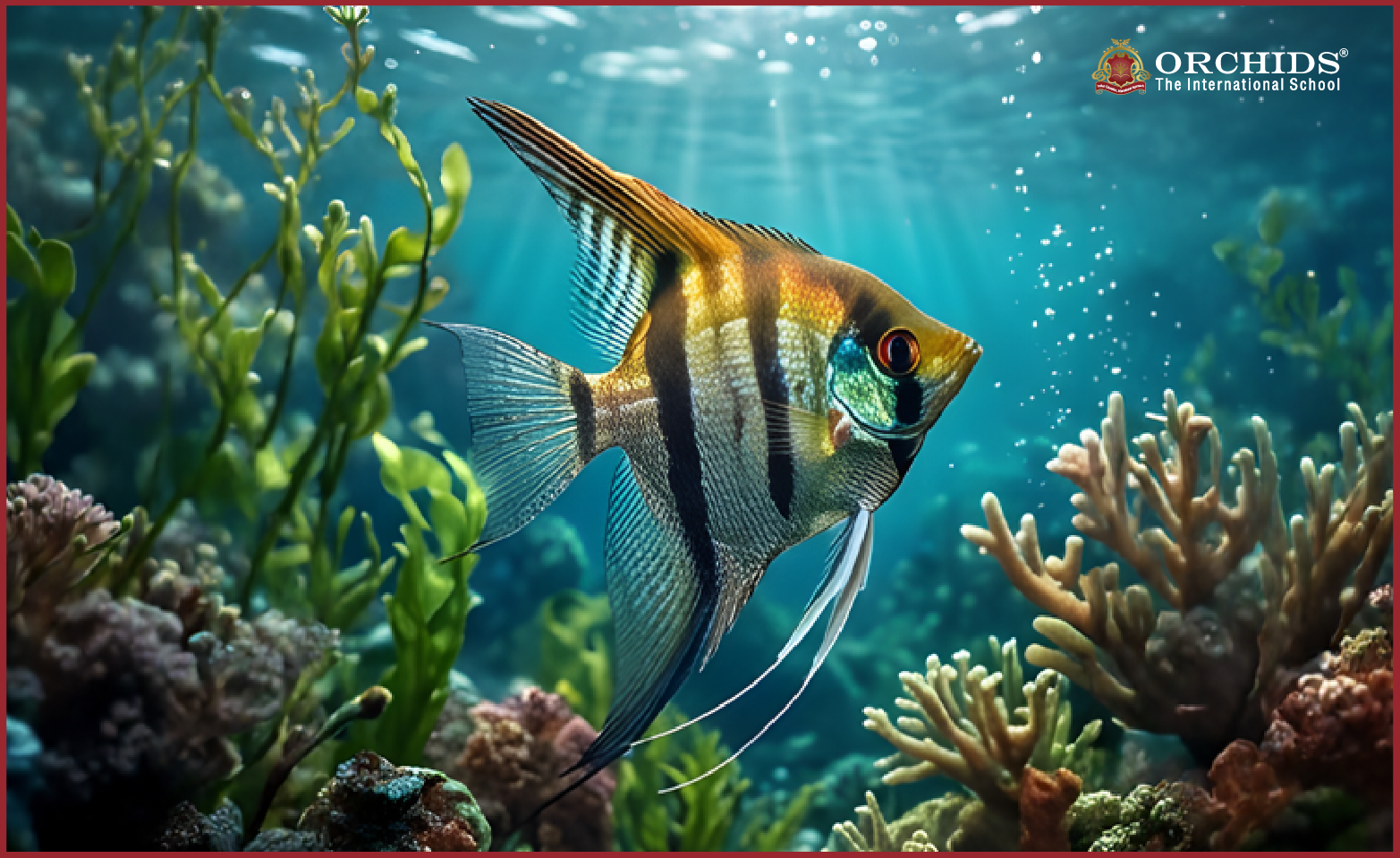
Angelfish found in aquariums belong to different families depending on whether they are freshwater or marine types. They are appreciated for their elegant shapes, flowing fins, and variety of colours. Aquarium angelfish require specific water conditions, making them useful examples for understanding aquatic care.
Betta
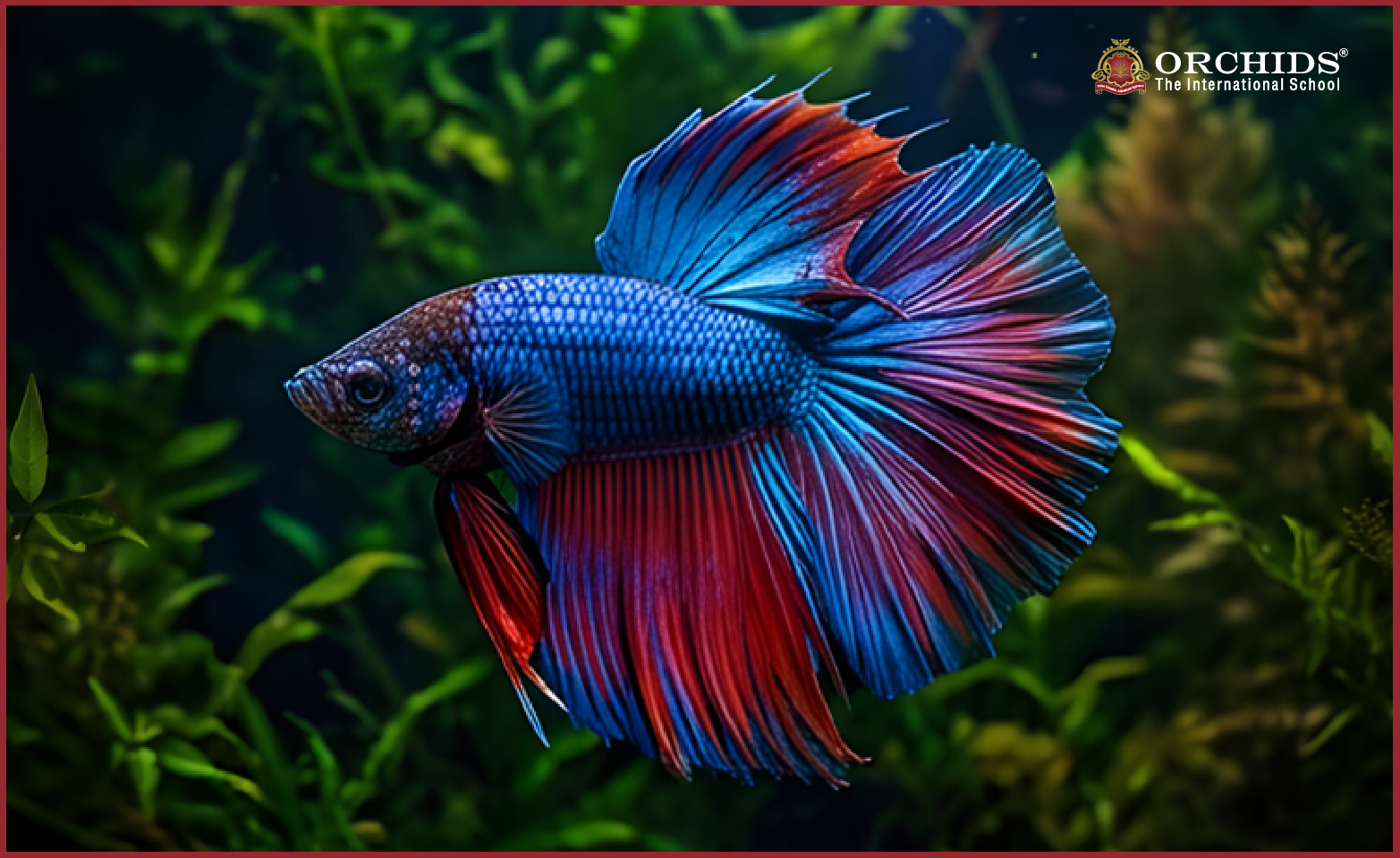
Commonly known as the Siamese fighting fish, the betta has the scientific name Betta splendens. Bettas are famous for their bright colours and territorial nature. Males, in particular, display elaborate fins and should be kept separately to prevent aggression. They have a special organ that allows them to breathe air directly, helping them survive in low-oxygen water.
Guppy
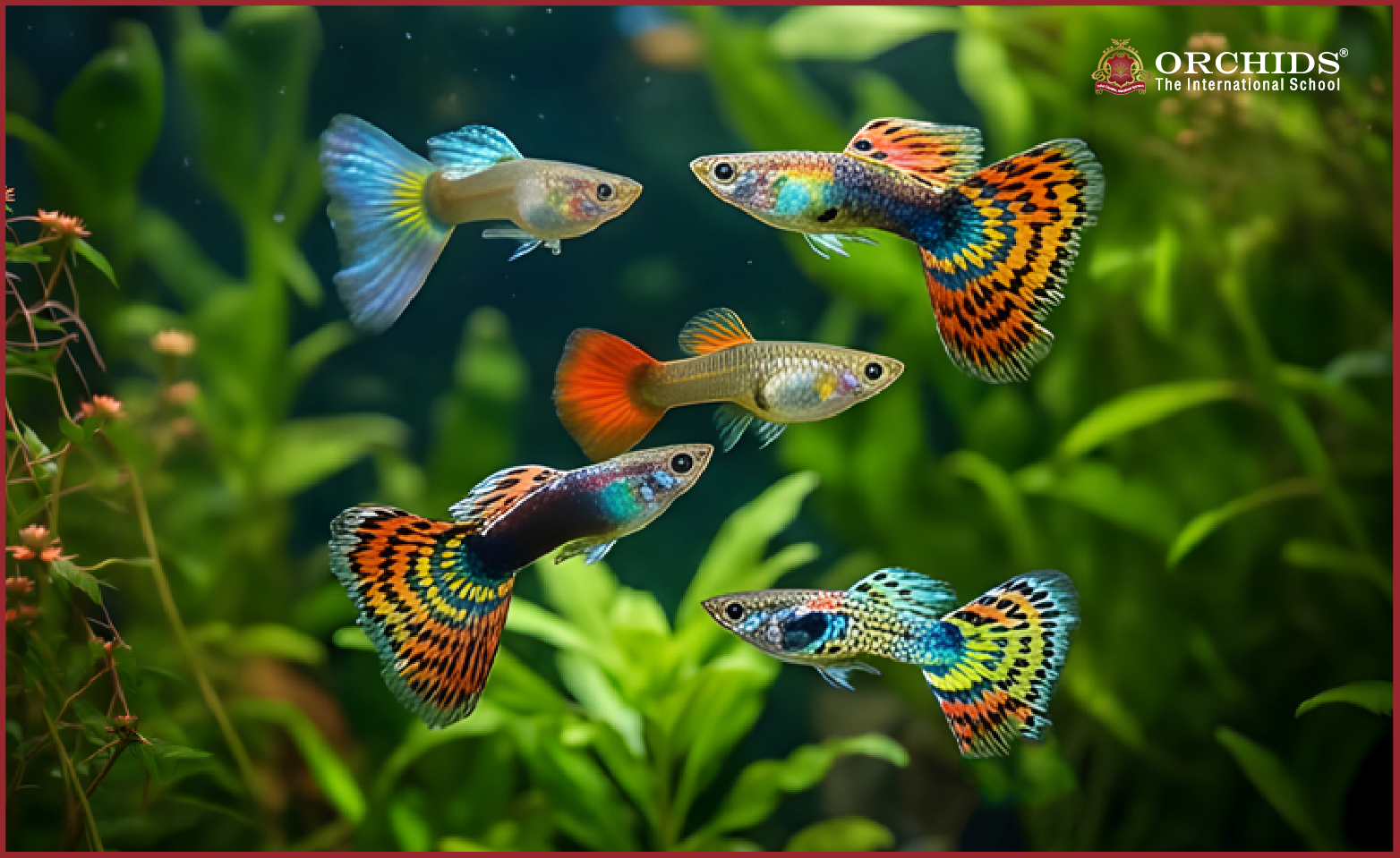
Poecilia reticulata, commonly called the guppy, is a small and colourful fish popular among beginners. Guppies breed quickly and display a wide variety of patterns and tail shapes. Their adaptability and friendly behaviour make them ideal for school-level study and simple aquariums.
Unique or Less Common Names
Some fish are less commonly encountered but hold scientific or cultural importance. These species broaden our understanding of aquatic diversity and adaptation.
Mahseer – Mahseer are large, powerful river fish found mainly in South Asia. They are admired for their strength and distinctive large scales. These fish hold cultural significance and are popular in sport fishing. Their sensitivity to water quality makes them important indicators of river health.
Common galaxias (Galaxias maculatus) – This slender-bodied fish is known for its migratory behaviour, moving between rivers and coastal waters. Its life cycle includes both freshwater and marine environments, making it interesting for ecological studies. The species is found in the Southern Hemisphere and forms part of local aquatic ecosystems.
Butterfly kingfish – Known scientifically as Gasterochisma melampus, this species is a unique relative of the mackerel family. It has a striking body shape and distinct colouring, making it stand out among marine fish. Although not commonly seen, it is an example of how diverse and specialised ocean fish can be.
List of 200+ Fish Names in English
Here’s the list, which includes both freshwater and marine fish, covering common, popular, and widely studied types. It also supports vocabulary building for students studying biology or environmental science.
-
Anchovy
-
Amberjack
-
African Glass Catfish
-
Arctic Char
-
Arapaima
-
Arowana
-
Asian Sea Bass
-
Angelfish
-
Barracuda
-
Barramundi
-
Betta Fish
-
Bluefin Tuna
-
Bluegill
-
Blenny
-
Butterflyfish
-
Bigeye Tuna
-
Black Drum
-
Blacktip Shark
-
Bonito
-
Bowfin
-
Bull Shark
-
Bullhead Catfish
-
Carp
-
Catfish
-
Clownfish
-
Cod
-
Coho Salmon
-
Copperband Butterflyfish
-
Cownose Ray
-
Croaker
-
Dace
-
Damselfish
-
Discus
-
Dorado (Mahi Mahi)
-
Dogfish Shark
-
Eel
-
Electric Eel
-
Emperor Angelfish
-
Escolar
-
Flounder
-
Flying Fish
-
Fangtooth Fish
-
Garfish
-
Gizzard Shad
-
Glowlight Tetra
-
Goby
-
Goldfish
-
Grouper
-
Guppy
-
Haddock
-
Hammerhead Shark
-
Herring
-
Halibut
-
Hillstream Loach
-
Harlequin Rasbora
-
Humphead Wrasse
-
Horse Mackerel
-
Hogfish
-
Icefish
-
Indian Mackerel
-
Iridescent Shark
-
Jack Crevalle
-
Japanese Amberjack
-
Jellynose Fish
-
Jewel Cichlid
-
John Dory
-
Kahawai
-
Kelp Bass
-
King Mackerel
-
Kingfish
-
Koi Carp
-
Lake Trout
-
Ladyfish
-
Lamprey
-
Lane Snapper
-
Leaf Fish
-
Lionfish
-
Longnose Gar
-
Loach
-
Lemon Shark
-
Mackerel
-
Mahi Mahi
-
Minnow
-
Milkfish
-
Monkfish
-
Moray Eel
-
Mullet
-
Mudskipper
-
Needlefish
-
Nibbler Fish
-
Nile Perch
-
Northern Pike
-
Ocean Sunfish
-
Opah
-
Oscar Fish
-
Pangasius
-
Parrotfish
-
Peacock Bass
-
Perch
-
Pike
-
Pilot Fish
-
Pink Salmon
-
Pipefish
-
Pompano
-
Porgy
-
Pufferfish
-
Pumpkinseed Fish
-
Queen Angelfish
-
Queen Triggerfish
-
Quillback
-
Rainbow Trout
-
Red Snapper
-
Red Drum
-
Rockfish
-
Ribbonfish
-
Roach
-
Rohu
-
Sailfish
-
Salmon
-
Sandbar Shark
-
Sardine
-
Sawfish
-
Sea Bass
-
Sea Bream
-
Seahorse
-
Shark
-
Sheepshead Fish
-
Silver Carp
-
Skipjack Tuna
-
Smelt
-
Snook
-
Snakehead Fish
-
Sole
-
Spanish Mackerel
-
Stingray
-
Stonefish
-
Surgeonfish
-
Swordfish
-
Tilapia
-
Tiger Shark
-
Tigerfish
-
Trout
-
Triggerfish
-
Tuna
-
Turbot
-
Tarpon
-
Unicornfish
-
Upside-Down Catfish
-
Vajram Fish
-
Velvetfish
-
Vermilion Snapper
-
Wahoo
-
Walking Catfish
-
Walleye
-
Warmouth
-
Weeverfish
-
White Bass
-
White Perch
-
Whitefish
-
Wolf Fish
-
Wrasse
-
Whale Shark
-
Yellowfin Tuna
-
Yellow Perch
-
Yellowtail Snapper
-
Zebra Danio
-
Zebrafish
-
Zander
-
Atlantic Salmon
-
Atlantic Cod
-
Atlantic Herring
-
Asian Carp
-
Bala Shark
-
Bighead Carp
-
Black Grouper
-
Black Mullet
-
Blue Catfish
-
Blue Tang
-
Blue Runner
-
Bombay Duck
-
Brill
-
Broadnosed Pipefish
-
Butterfly Ray
-
Cichlid
-
Clarias Catfish
-
Climbing Perch
-
Convict Cichlid
-
Damselfish
-
Emperor Fish
-
Firemouth Cichlid
-
Freshwater Drum
-
Giant Trevally
-
Gray Snapper
-
Green Chromide
-
Halfbeak
-
Jack Mackerel
-
Johnny Fish
-
Kelpfish
-
Longfin Dace
-
Moonfish
-
Moorish Idol
-
Queenfish
-
Rasbora
-
Rainbowfish
-
Silver Dollar Fish
-
Three-spot Gourami
-
Upside-Down Catfish
-
Yellow Tang
-
Young Lake Sardi
Find out more: Food Names in English: List of 50+ Names Explained with Meanings, Types and Examples
Frequently Asked Questions on Fish Names
1. Is it 20 fish or fishes?
The plural of fish is usually fish. When referring to more than one species of fish, especially in a scientific context, you can use fishes as the plural.
2. What is the king of fish?
Salmon is commonly referred to as the "king of fish," often because of its shimmering silver skin, imposing size, and determination during its spawning migrations. Other fish, like the king mackerel or tarpon, are also called "kingfish" due to their size, sport-fishing popularity, or commercial value.
3. Which is a tasty fish?
The tastiest fish is subjective and depends on personal preference and cooking method, but popular choices often cited for their taste include Surmai (Seer Fish) for its succulent texture and Indian Salmon (Rawas) for its mild flavor and rich oil content. Other favorites include Hilsa (Ilish) (especially in East India), Pomfret, and Trout.
4. What is the name for fish eggs?
Fish eggs are most commonly called roe. However, the term caviar is used specifically for the roe of sturgeon fish, and many other types of fish roe are given different names for culinary purposes, such as salmon roe (ikura), capelin roe (masago), and flying fish roe (tobiko).
5. What are the top 10 most expensive fish?
The top most expensive fish in the world can vary depending on whether you're looking at aquarium or food fish, but generally, the Platinum Arowana is considered the most expensive aquarium fish, with prices exceeding $400,000.
6. What is the smallest fish in the world?
The world's smallest fish is the Paedocypris progenetica, a tiny fish found in the peat swamp forests of Southeast Asia.
7. What is the scientific name of the rohu fish?
The scientific name of the rohu fish is Labeo rohita.
8. What is the name of fish food?
Fish pellets are a type of aquarium fish food that are formulated into small, compressed pellets. These pellets can be made from a variety of ingredients, including fish meals, vegetables, and other nutrients.
Strong language skills open doors well beyond the classroom, shaping how confidently a child reads, writes and expresses ideas. If you want to know more about how Orchids The International School builds these skills through its English curriculum, get in touch with our admissions team.


Admissions Open for 2026-27
What type of concept pages would you prefer?
CBSE Schools In Popular Cities
- CBSE Schools in Bangalore
- CBSE Schools in Mumbai
- CBSE Schools in Pune
- CBSE Schools in Hyderabad
- CBSE Schools in Chennai
- CBSE Schools in Gurgaon
- CBSE Schools in Kolkata
- CBSE Schools in Indore
- CBSE Schools in Sonipat
- CBSE Schools in Delhi
- CBSE Schools in Rohtak
- CBSE Schools in Bhopal
- CBSE Schools in Aurangabad
- CBSE Schools in Jabalpur
- CBSE Schools in Jaipur
- CBSE Schools in Jodhpur
- CBSE Schools in Nagpur
- CBSE Schools in Ahmednagar
- CBSE School In Tumkur











Orchids The International School is one of India's leading chains of CBSE and ICSE schools, with 130+ schools across the country.