

Loss of Biodiversity: Meaning, Causes, Impact and Conservation Strategies
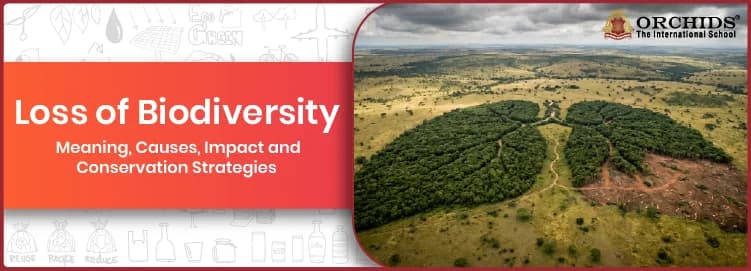
Loss of biodiversity is one of the major environmental challenges our planet is facing. Biodiversity refers to the variety of living organisms on earth, including plants, animals, insects, fungi and microorganisms. It also includes different ecosystems such as rivers, oceans, forests and grasslands where the organisms live. It is important for keeping our nature balanced and supporting human life by providing food, clean air, fresh water, medicine and many other resources.
Table of Contents
- What is Loss of Biodiversity
- Factors that Lead to Loss of Biodiversity
- Impact of Loss of Biodiversity
- Conservation Strategies to Protect Biodiversity
- Frequently Asked Questions about Loss of Biodiversity

What is Loss of Biodiversity
Loss of biodiversity refers to the decline in biological diversity including loss of genes, species and ecosystems. This loss can happen at various levels ranging from genetic loss within species to extinction of species. The loss of different forms of life and their role in the ecosystem can lead to environmental instability. Therefore, it is highly important to understand the reasons responsible for the loss of biodiversity to prevent its impact.
Factors that Lead to Loss of Biodiversity
Several human activities such as deforestation, urbanization, overpopulation and exploitation of natural resources contribute to the degradation of ecosystems. This results in the decline in biodiversity. Natural factors such as epidemic, climate shift and disasters are also responsible for the loss of biodiversity.
- Climate Change: Increasing temperatures, altering rainfall trends and extreme weather events make it difficult for many plants and animal species to survive in harsh conditions.
- Pollution: Contamination of air, water and land can adversely affect the living organisms and their habitats leading to reduction in the population of various species.
- Destruction of Habitat: Activities such as deforestation destroys the natural homes of many plants and animals. Due to loss of habitat many species find it difficult to survive.
- Overexploitation of Natural Environment: Irresponsible use of natural resources such as rivers and forests such as excessive hunting, fishing or harvesting can reduce wildlife populations.
- Urbanisation: Expansion of cities and industries has destroyed the natural habitats of living organisms such as wetlands and agricultural land.
Impact of Loss of Biodiversity
Both nature and humans are impacted equally by the loss of biodiversity.
- Food Chain Disruption: The links in the food chain are broken due to the loss of biodiversity. For example, when pollinators or predators disappear the production of crops is affected.
- Extinction of Species: Many plants and animal species extinct which can collapse the entire ecosystem. Several medicinal plants may disappear before their benefits are discovered.
- Threat to Human Beings: The quality of soil, water and air are vital for the survival of humans. When ecosystems are destroyed many diseases start spreading among humans.
- Increase in CO2 Emission: Due to disruption of ecosystems the capacity of oceans and forests to absorb carbon decreases.
Conservation Strategies to Protect Biodiversity
Every living organism has a role in maintaining ecological balance. Even small creatures like bees, butterflies, earthworms, and frogs contribute to healthy ecosystems. Protecting biodiversity ensures a better future with cleaner air, safer water and a healthier environment for everyone. Everyone can contribute to conserving biodiversity through simple actions:
- Plant and care for native trees.
- Don’t waste natural resources like water and save electricity.
- Reduce, reuse and recycle materials and say no to single-use plastics.
- Never buy products created from endangered species in order to protect wildlife.
- Contribute to the environment by taking part in cleanliness drives and planting more trees.
- Spread awareness about environmental conservation among family and friends.
Frequently Asked Questions about Loss of Biodiversity
1. What are three levels of biodiversity?
The three interconnected levels of biodiversity are:
-
Genetic Diversity: Variation of genes between single species.
-
Species Diversity: Range of species found in an area.
-
Ecosystem Diversity: Variety of ecosystems such as forests, greenlands or ocean.
2. Why is biodiversity important for human survival?
Humans rely on biodiversity for basic needs and economic survival. Over 75% of the food production is dependent on animal pollination and around 50% of medicines are derived from numerous natural sources.
3. What are the economic consequences of biodiversity loss?
Loss of biodiversity has adverse impacts on production of food, agriculture, medicines and fisheries. These sectors are the foundation of the economy. Ecosystem disruption such as contamination of water and floods can cause major loss.
Understanding the world starts with the environment around us. To see how Orchids The International School brings EVS to life, reach out to our admissions team.


Admissions Open for 2026-27
What type of concept pages would you prefer?
CBSE Schools In Popular Cities
- CBSE Schools in Bangalore
- CBSE Schools in Mumbai
- CBSE Schools in Pune
- CBSE Schools in Hyderabad
- CBSE Schools in Chennai
- CBSE Schools in Gurgaon
- CBSE Schools in Kolkata
- CBSE Schools in Indore
- CBSE Schools in Sonipat
- CBSE Schools in Delhi
- CBSE Schools in Rohtak
- CBSE Schools in Bhopal
- CBSE Schools in Aurangabad
- CBSE Schools in Jabalpur
- CBSE Schools in Jaipur
- CBSE Schools in Jodhpur
- CBSE Schools in Nagpur
- CBSE Schools in Ahmednagar
- CBSE School In Tumkur











Orchids The International School is one of India's leading chains of CBSE and ICSE schools, with 130+ schools across the country.