

Classroom Objects Names in English: A Complete List for Students
Every classroom is filled with small items that students use every single day. Yet many students often struggle to name these everyday items correctly. Learning the classroom objects names in English is one of the easiest ways to build a strong vocabulary foundation, because these are words you will use, hear, and read almost daily. In this guide, you will learn the complete list of classroom objects, understand what each item is used for, and get simple tips to remember their names.
Table of Contents
- What are Classroom Objects Names?
- Why Learning Classroom Objects Names in English Matters
- List of Classroom Objects Names
- 20 Classroom Objects Names List with Pictures
- Classroom Objects Names Grouped by Category
- Tips to Remember Classroom Objects Names Easily
- Frequently Asked Questions About Classroom Objects Names

What are Classroom Objects Names?
Classroom object names refer to the words used to identify the everyday items and tools found inside a classroom or learning space. This includes furniture such as desks and chairs, stationery such as pencils and notebooks, and equipment such as projectors and science kits. In simple terms, if it is used inside a classroom to help students read, write, learn, or create, it counts as a classroom object.
For beginners learning English, classroom object names are usually among the very first vocabulary sets introduced, right alongside colours, numbers, and family members. This is because these words are practical, visual, and used constantly in day-to-day conversation.
Why Learning Classroom Objects Names in English Matters?
Understanding classroom objects with their names is not just about memorising a word list. It plays an important role in building real communication skills. Here are a few reasons why learning this vocabulary is important:
-
Everyday usage: You will use these words almost every day at school, so knowing them well makes classroom instructions easier to follow.
-
Foundation for grammar: Classroom object names are often used to teach basic sentence structures, prepositions (on, in, under), and articles (a, an, the).
-
Confidence in speaking: When a student can name the objects around them, they feel more comfortable participating in class discussions.
-
Exam preparation: Vocabulary sections in school English exams frequently test students on naming and describing common objects.
-
Helpful for young learners: Picture-based vocabulary, such as classroom objects, is one of the most effective ways to teach English to kids because it connects words directly to things they can see and touch.
List of Classroom Objects Names
Here are some common classroom objects:
-
Desk
-
Chair
-
Blackboard or Whiteboard
-
Chalk
-
Marker
-
Duster
-
Book
-
Notebook
-
Pencil
-
Pen
-
Eraser
-
Sharpener
-
Ruler
-
Scissors
-
Glue Stick
-
Bag
-
Pencil Box
-
Calculator
-
Globe
-
Chart
-
Map
-
Clock
-
Stapler
-
Highlighter
-
Crayons
-
Compass
-
Protractor
-
Test Tube
-
Beaker
-
Projector
-
Computer
-
Cupboard
-
Notice Board
-
Water Bottle.
20 Classroom Objects Names List with Pictures
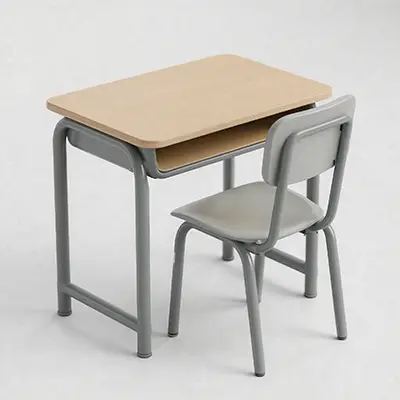
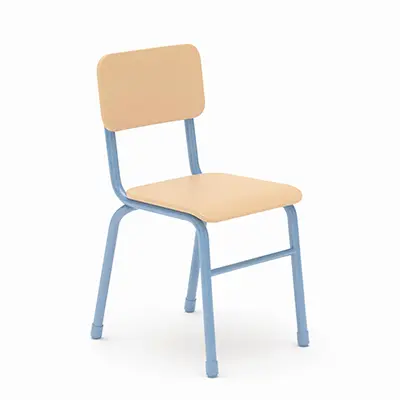
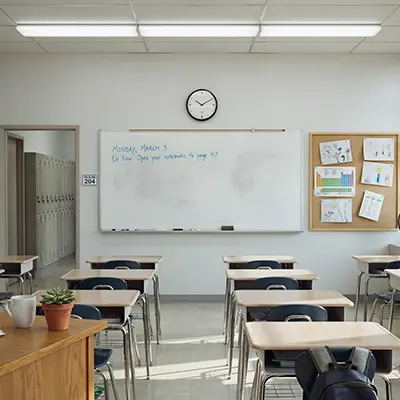

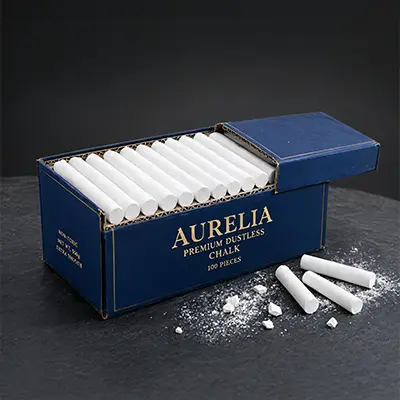
.webp)
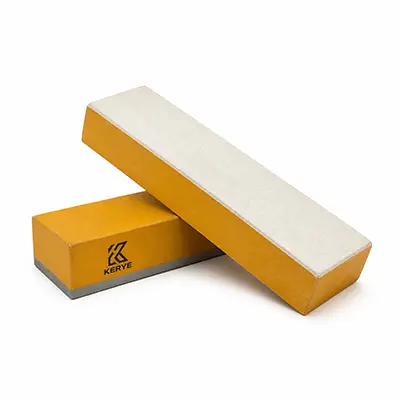

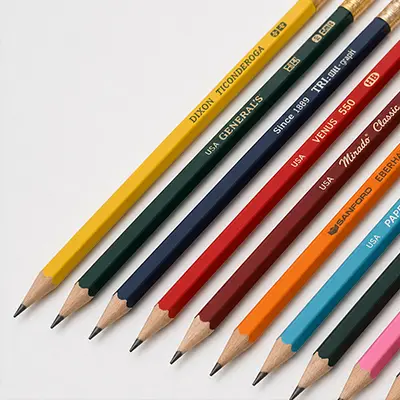
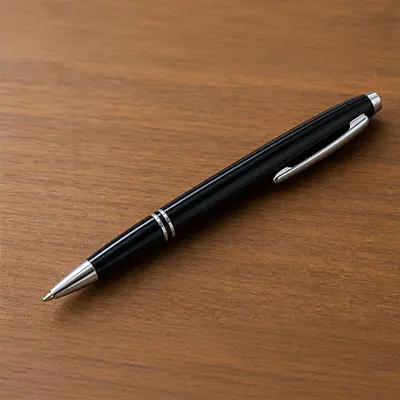
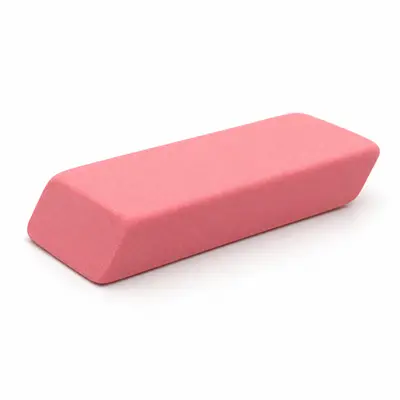

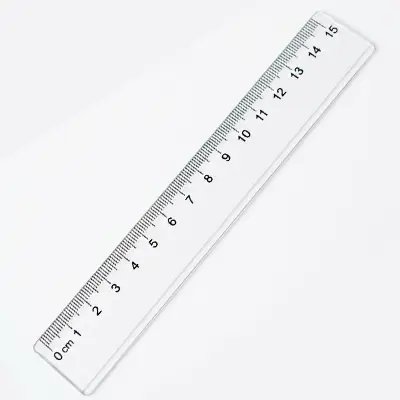

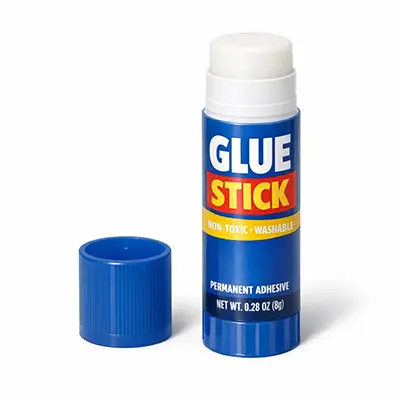
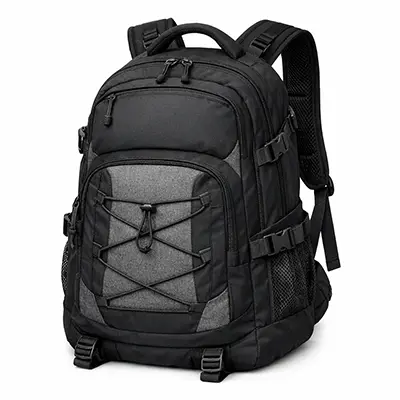
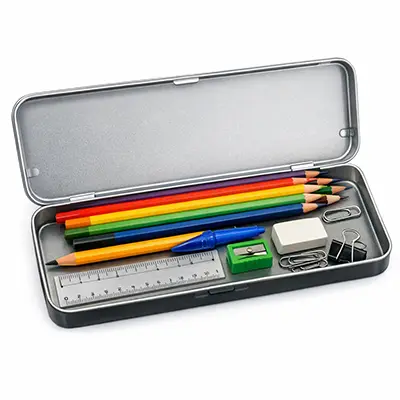
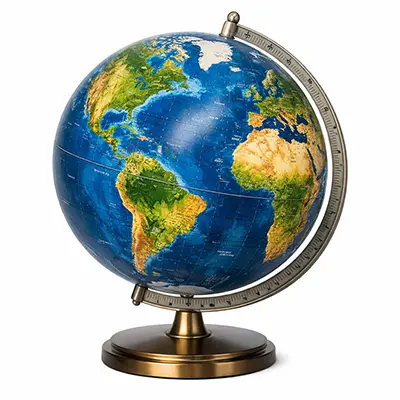
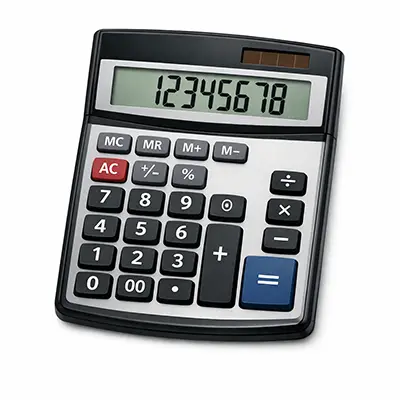
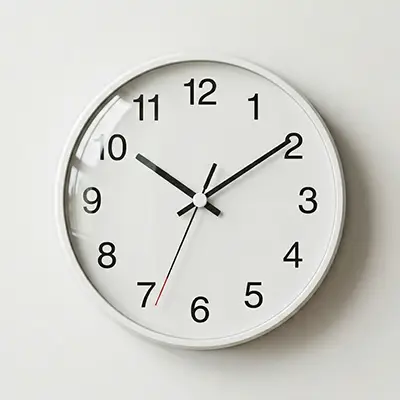
Classroom Objects Names Grouped by Category
Grouping classroom objects with their names into categories makes them easier to remember, especially for young learners. Here is a simple breakdown:
Furniture and Classroom Fixtures
-
Desk
-
Chair
-
Teacher's Table
-
Cupboard
-
Bookshelf
-
Blackboard
-
Whiteboard
-
Notice Board
-
Bulletin Board
-
Podium
-
Wall Clock
-
Classroom Door
-
Window
-
Fan
-
Lights
Writing and Stationery Tools
-
Pencil
-
Pen
-
Marker
-
Chalk
-
Eraser
-
Sharpener
-
Ruler
-
Notebook
-
Textbook
-
Workbook
-
Highlighter
-
Sticky Notes
-
Correction Tape
-
Paper Clips
-
Stapler
-
Staple Pins
-
Binder Clips
Art and Craft Supplies
-
Crayons
-
Coloured Pencils
-
Sketch Pens
-
Paintbrush
-
Watercolours
-
Poster Colours
-
Glue Stick
-
Liquid Glue
-
Scissors
-
Craft Paper
-
Coloured Paper
-
Chart Paper
-
Tape
-
Modelling Clay
Science Laboratory Equipment
-
Test Tube
-
Beaker
-
Measuring Cylinder
-
Funnel
-
Dropper
-
Magnifying Glass
-
Microscope
-
Thermometer
-
Safety Goggles
-
Lab Coat
Technology and Digital Learning Tools
-
Computer
-
Laptop
-
Tablet
-
Projector
-
Interactive Smart Board
-
Calculator
-
Printer
-
Speaker
-
Headphones
-
Document Camera
Bags and Storage Items
-
School Bag
-
Backpack
-
Pencil Box
-
Lunch Box
-
Water Bottle
-
Folder
-
File
-
Document Holder
Geography and Reference Tools
-
Globe
-
World Map
-
Political Map
-
Physical Map
-
Classroom Charts
-
Flashcards
-
Atlas
-
Dictionary
Mathematics Learning Tools
-
Geometry Box
-
Protractor
-
Compass
-
Divider
-
Set Square
-
Abacus
-
Number Cards
-
Counting Blocks
Teacher's Classroom Essentials
-
Attendance Register
-
Lesson Planner
-
Grade Book
-
Pointer
-
Whistle
-
Timer
-
Attendance Chart
-
Reward Stickers
Classroom Cleaning and Safety Items
-
Duster
-
Whiteboard Cleaner
-
Dustbin
-
Hand Sanitiser
-
Tissue Box
-
First Aid Kit
-
Cleaning Cloth
Tips to Remember Classroom Objects Names Easily
-
Label real objects at home: Stick small paper labels on your own desk, chair, and pencil box with the English word written on them.
-
Use flashcards with pictures: Visual memory works faster than plain word lists, especially for younger children.
-
Practice with simple sentences: Instead of memorising isolated words, use each object in a short sentence, just like the examples given above.
-
Play naming games: Point to an object in the classroom and ask a friend or sibling to name it in English within five seconds.
-
Revise in categories: Group similar items together (stationery, furniture, tools) rather than learning them as one long random list.
Frequently Asked Questions About Classroom Objects Names
1. What are classroom objects names?
'Classroom object' names refer to the vocabulary used to identify items commonly found in a classroom, such as a desk, chair, notebook, pencil, whiteboard, and calculator.
2. Why is it important to learn classroom objects names in English?
Learning these words helps students improve their English vocabulary, understand classroom instructions, and communicate confidently.
3. What are some common classroom objects?
Some common classroom objects include a desk, chair, notebook, textbook, pencil, pen, ruler, eraser, whiteboard, marker, and school bag.
4. What is the difference between classroom objects and school supplies?
Classroom objects include furniture and teaching equipment such as desks, boards, and clocks. School supplies are the personal learning materials students use, such as pencils, notebooks, rulers, and erasers.
5. What is the difference between a blackboard and a whiteboard?
A blackboard is a dark surface written on with chalk, while a whiteboard is a light-coloured surface written on with markers. Both serve the same purpose but are used with different writing tools.
6. What is the difference between a pen and a pencil?
A pen uses ink to write and is usually used for permanent writing, while a pencil uses graphite, which can be easily erased. Pencils are ideal for practice and drawing, whereas pens are commonly used for final work, assignments, and exams.
Strong language skills open doors well beyond the classroom, shaping how confidently a child reads, writes and expresses ideas. If you want to know more about how Orchids The International School builds these skills through its English curriculum, get in touch with our admissions team.


Admissions Open for 2026-27
What type of concept pages would you prefer?
CBSE Schools In Popular Cities
- CBSE Schools in Bangalore
- CBSE Schools in Mumbai
- CBSE Schools in Pune
- CBSE Schools in Hyderabad
- CBSE Schools in Chennai
- CBSE Schools in Gurgaon
- CBSE Schools in Kolkata
- CBSE Schools in Indore
- CBSE Schools in Sonipat
- CBSE Schools in Delhi
- CBSE Schools in Rohtak
- CBSE Schools in Bhopal
- CBSE Schools in Aurangabad
- CBSE Schools in Jabalpur
- CBSE Schools in Jaipur
- CBSE Schools in Jodhpur
- CBSE Schools in Nagpur
- CBSE Schools in Ahmednagar
- CBSE School In Tumkur











Orchids The International School is one of India's leading chains of CBSE and ICSE schools, with 130+ schools across the country.