

Biomass: Definition, Uses, Benefits and Role in Renewable Energy
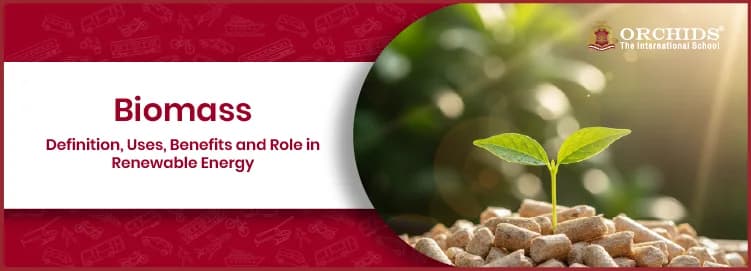
Biomass is the basis of energy conversion in our ecosystem. It is the total mass of the organic matter including plants, animals and other living organisms in the environment. Biomass energy is transferred from one level to another in the ecosystem. For example, plants absorb energy from the sun and that energy is passed on to the animals that eat them. Every time we eat food our body is fueled with biomass. Let’s learn interesting facts about biomass, its uses, types, energy conversion and benefits.
Table of Contents
- What is Biomass
- Types of Biomass
- How is Biomass Converted into Energy
- Uses of Biomass
- Benefits of Biomass
- Frequently Asked Questions about Biomass

What is Biomass
Biomass is the overall mass of the organic matter that comes from the living or recently living things such as plants and animals. Plant matter and animal waste such as dry leaves, manure, wood and straw is a biomass fuel that can be used for generating energy. The energy released from biomass is called biomass energy. This energy is used to fuel our vehicles, light our homes and even cook our food.
How is Biomass Converted into Energy
Biomass energy is a renewable source of energy. Some of the common sources of biomass energy are wood, straw, manure, sugarcane and many others byproducts. Biomass can be used directly to create energy by burning them or they can also be converted to liquid or gaseous form. For example, dry organic material such as wood and agricultural waste is the biomass that can be directly used for releasing energy through combustion. While other processes such as gasification, pyrolysis, anaerobic digestion and fermentation are used to convert the raw biomass into biofuel. Biomass pellets and biogas are some processed forms of biomass used for producing energy.
Types of Biomass
There are different types of biomass produced by plants, animals and other living organisms that can be converted into fuel for producing energy.
Agricultural Residue: Crop residue such as husks, shell straw and stalks is a type of biomass that can be used for generating heat, electricity and biofuels.
Organic Municipal Waste: Biodegradable waste collected from homes and other places such as food scraps and organic waste is a type of biomass that can be used as fuel for energy production.
Animal Waste: Manure from animals is used as a natural fertilizer for crops. Many other animal byproducts can be processed to form energy.
Energy Crops: These are the crops cultivated for energy production such as sugarcane and corn. They can be processed into solid, liquid or gaseous fuels such as pellets, bioethanol and biogas.
Uses of Biomass
Electricity: Organic biomass is used by power plants to create steam which turns turbines and produces electricity.
Transport: Biofuel generated by fermentation of energy crops like sugarcane and corn is used to run vehicles and reduce greenhouse gases.
Heating: Direct combustion of biomass is used for heating and cooking at home.
Biogas: The animal waste, food scraps and human sewage is decomposed to produce methane which is a renewable natural gas. This gas is used for heating, cooking, or generating electricity.
Benefits of Biomass
Waste Management: It helps convert organic waste such as food scraps, agricultural residues, sewage sludge and animal waste into useful energy. This helps in reducing the volume of waste sent to landfills and lowering methane emissions from decomposing garbage.
Renewable Energy: Biomass is a renewable source of energy because plants and organic matter can be grown and replenished naturally.
Reduces Carbon Dioxide: Burning biomass does release carbon dioxide and other pollutants. If managed sustainably (using waste materials rather than cutting forests) it can be a lower-carbon alternative to fossil fuels.
Supports Rural Economy: Biomass processing can create new income streams for farmers and generate local employment.
Frequently Asked Questions about Biomass
1. Which country uses the most biomass energy?
Brazil is the leading producer of bioethanol and Sweden is on top for using biomass for district heating.
2. How does biomass help in waste management?
Converting organic waste or biomass such as food scraps, agricultural residues, sewage sludge, and animal manure into useful fuel helps in reducing the waste.
3. What is the difference between biomass and biofuel?
Biomass is the raw organic material that can be turned into useful energy. Biofuel is the processed fuel derived from biomass such as ethanol.
Understanding the world starts with the environment around us. To see how Orchids The International School brings EVS to life, reach out to our admissions team.


Admissions Open for 2026-27
What type of concept pages would you prefer?
CBSE Schools In Popular Cities
- CBSE Schools in Bangalore
- CBSE Schools in Mumbai
- CBSE Schools in Pune
- CBSE Schools in Hyderabad
- CBSE Schools in Chennai
- CBSE Schools in Gurgaon
- CBSE Schools in Kolkata
- CBSE Schools in Indore
- CBSE Schools in Sonipat
- CBSE Schools in Delhi
- CBSE Schools in Rohtak
- CBSE Schools in Bhopal
- CBSE Schools in Aurangabad
- CBSE Schools in Jabalpur
- CBSE Schools in Jaipur
- CBSE Schools in Jodhpur
- CBSE Schools in Nagpur
- CBSE Schools in Ahmednagar
- CBSE School In Tumkur











Orchids The International School is one of India's leading chains of CBSE and ICSE schools, with 130+ schools across the country.