

World Bee Day 2026: Why these tiny pollinators matter more than we think
By Raghavi C S |
Date 19-05-2026
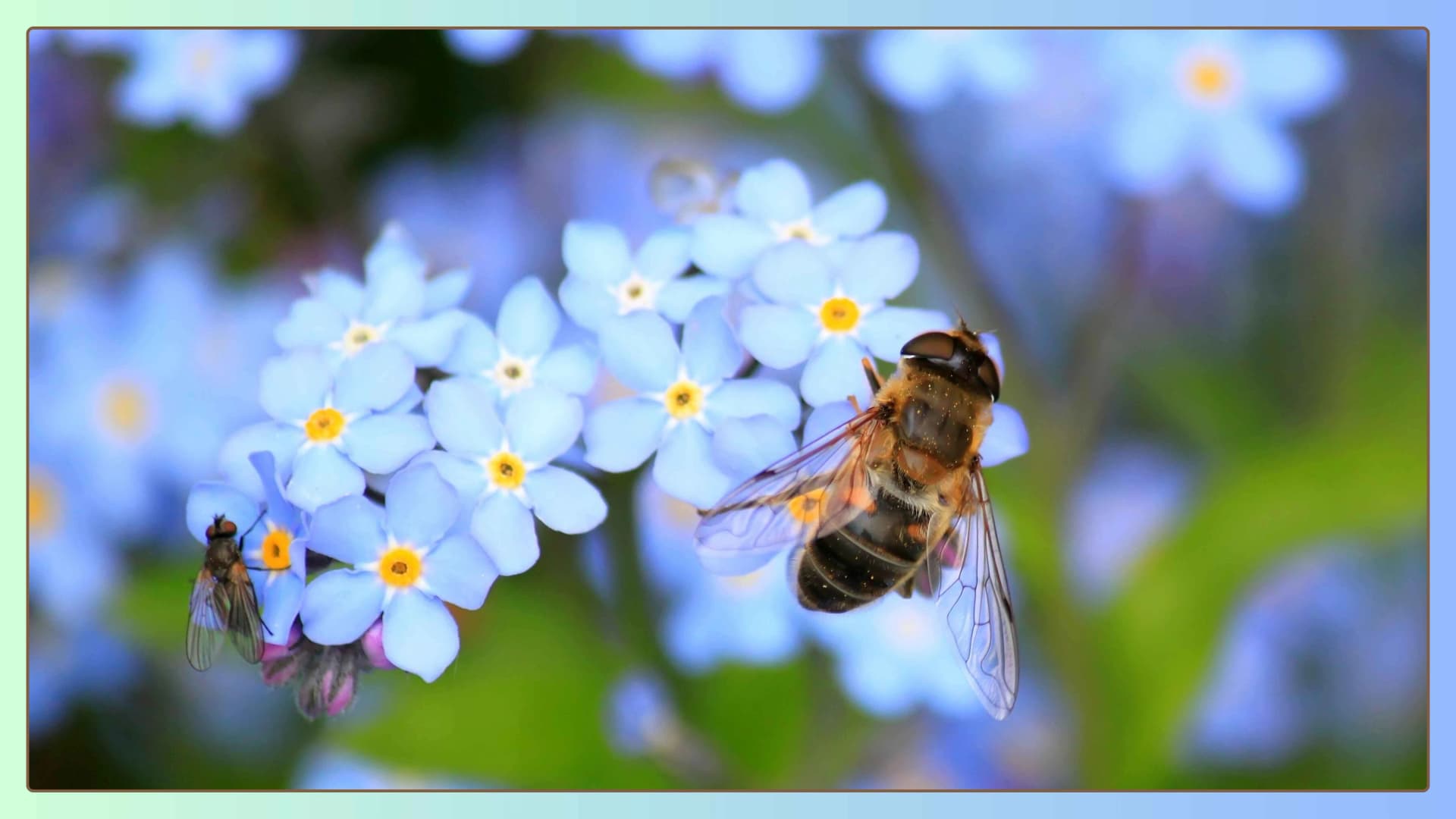
The theme of this year’s World Bee day is: ‘Bee Together for People and the Planet: A Partnership That Sustains Us All.’
Admissions Open for 2026-27
Have you seen a bee jumping from flower to flower in your garden? It looks like nothing special. Just a small insect doing its thing. But that little bee is actually keeping a lot of things alive around us, including some of the food on your plate.
Most of us walk past bees without a second thought. We notice them only when they get too close, and we panic. But these small creatures are quietly doing one of the most important jobs in nature. Every time a bee moves from one flower to another, it helps plants grow, fruits develop and entire ecosystems stay balanced.
That is what World Bee Day 2026 is really about. Not just celebrating a tiny insect, but understanding why losing them would hurt us far more than most people realise. And why paying attention to the smallest things in nature often matters the most.
What exactly is World Bee Day
Every year on May 20, people across the world take a moment to think about bees and why they matter. It is not a big holiday. No day off from school. But it carries a simple and important message: bees are quietly doing a job that most of us never notice.
When a bee lands on a flower to drink nectar, tiny grains of pollen stick to its body. It flies to another flower. The pollen rubs off. The plant can now grow fruit or seeds. This is pollination. It sounds simple, and it is. But without it, a huge number of plants cannot reproduce.
Why is Bee Day celebrated around the world
Bee populations have been dropping in many parts of the world. The reasons are not hard to understand: more pollution, fewer wild plants, pesticides and changing weather patterns. All of this makes life harder for bees.

When bees struggle, so do the plants that depend on them. And when those plants struggle, farmers feel it. Ecosystems feel it. Eventually, people feel it too.
World Bee Day exists to make sure people do not forget this connection. It is not about saving a cute insect. It is about understanding that pulling one thread can loosen the whole fabric.
World Bee Day theme for 2026
This year’s theme is:
‘Bee Together for People and the Planet: A Partnership That Sustains Us All.’
The idea is straightforward. Bees need us to stop destroying the spaces they live in. We need them to keep our food systems and natural spaces running. It is a two-way relationship that has existed for thousands of years. The theme also points to how old farming wisdom and newer technology can come together to give bees a better chance going forward.
Why are bees so important
Yes, they make honey. But that is the smallest part of what they do.
A long list of everyday foods only exists because bees showed up to do their work: apples, strawberries, cucumbers, pumpkins, almonds and watermelons. Without pollination, most of these would not grow the way they do.
Beyond food, bees also help wildflowers bloom and forests stay diverse. More plant variety means more habitat for birds, insects and animals. It is all connected, and bees sit right in the middle of that web.
How do bees and nature work together
People often think of bees as flower helpers. But their impact runs deeper than that. By helping so many different plants reproduce, bees keep ecosystems varied and resilient. A healthy mix of plants supports everything else: the insects, the birds, the soil, the water cycle. Bees do not seek attention for it. They simply show up every day and do the work.
Simple and enjoyable World Bee Day 2026 activities for children
Science becomes easier and more exciting when children can learn through observation and hands-on activities. These simple ideas can help children understand bees in a fun and creative way.
-
Try a simple pollination activity: Start by using paper flowers and coloured powder to show how bees carry pollen from one flower to another.
-
Plant flowers that bees like: Once children understand pollination, they can grow flowers such as marigolds, sunflowers or lavender and observe which ones attract bees.
-
Look at honey carefully: After learning about flowers and nectar, children can explore the colour, smell and texture of honey while understanding how bees make it.
-
Keep water for bees: Along with food, bees also need water, so placing a shallow plate with water and stones outdoors can help them safely drink.
-
Make a bee life cycle craft: To complete the learning experience, children can draw or create the different stages of a bee’s life cycle using paper, colours or clay.
At Orchids The International School, days like World Bee Day are an opportunity to take learning beyond the classroom, encouraging children to observe, question and connect with the natural world around them.
Also read: More than a life skill! Why gardening with kids is worth the dirt and mess
Inspiring children to care for nature
Kids often learn about bees from books or cartoons. But watching a real one move through a garden is different. It makes the whole thing feel less like a lesson and more like something worth paying attention to.
World Bee Day 2026 is a good reason to step outside, grow something and let children see how nature actually functions, not through a screen, but right in front of them.
A bee visiting a flower is an ordinary sight. But ordinary things, done consistently, are often what keep the world going. That is probably the most honest thing bees can teach us.
Curious to know how students learn about important national and international days through engaging classroom activities? Reach out to our admissions team to explore the learning environment at Orchids The International School.


Admissions Open for 2026-27
Recent Blogs






CBSE Schools In Popular Cities
- CBSE Schools in Bangalore
- CBSE Schools in Mumbai
- CBSE Schools in Pune
- CBSE Schools in Hyderabad
- CBSE Schools in Chennai
- CBSE Schools in Gurgaon
- CBSE Schools in Kolkata
- CBSE Schools in Indore
- CBSE Schools in Sonipat
- CBSE Schools in Delhi
- CBSE Schools in Rohtak
- CBSE Schools in Bhopal
- CBSE Schools in Aurangabad
- CBSE Schools in Jabalpur
- CBSE Schools in Jaipur
- CBSE Schools in Jodhpur
- CBSE Schools in Nagpur
- CBSE Schools in Ahmednagar
- CBSE School In Tumkur

Call Us to know more about Orchids











Orchids The International School is one of India's leading chains of CBSE and ICSE schools, with 130+ schools across the country.