

Lemongrass: Description, Botanical Characteristics, Medicinal Properties, Health & Household Benefits and Culinary Use
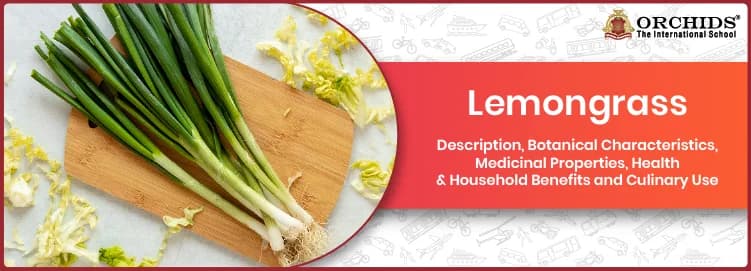
Lemongrass (Cymbopogon citratus) is a tall grass that grows in warm parts of the world, especially South Asia, Southeast Asia and Africa. It's part of the grass family and you can spot it right away by its long, thin, bluish-green leaves. Crush or cut one and you'll get that fresh, lemony smell almost instantly. That smell comes mainly from a compound called citral (made up of two parts, geranial and neral) and it's what makes lemongrass stand out from every other grass out there and what makes it so valuable commercially.
The plant grows in thick clumps and can reach up to 1-2 metres tall. It likes it hot and humid, with soil that drains well and plenty of sun. Big producers include India, Thailand, Indonesia, Sri Lanka and various African countries. Within India, you'll find it grown a lot in Kerala, Karnataka, Tamil Nadu and West Bengal.
Table of Contents
- Botanical Characteristics
- Medicinal Properties
- Health Benefits
- Household Benefits
- Culinary Use
- Frequently Asked Questions about Lemongrass

Botanical Characteristics
- Scientific Name: Cymbopogon citratus (West Indian lemongrass); Cymbopogon flexuosus (East Indian or Malabar lemongrass)
- Family: Poaceae
- Type: Perennial tropical grass
- Leaves: Long and narrow with sharp edges, usually 60-150 cm long
- Stem (Culm): A pale yellowish-white, fibrous bulb-like base; this is the part people actually cook with
- Key Compound: Citral (geranial + neral), plus linalool, geraniol, limonene and myrcene
- Essential Oil: Made by steam-distilling fresh or partly dried leaves. It's a common ingredient in aromatherapy blends and cosmetics.
Medicinal Properties
People have relied on lemongrass for a long time in traditional medicine; Ayurveda, Traditional Chinese Medicine and various folk remedies across Africa and South America all use it. And a fair bit of modern research backs up what traditional healers have claimed for years:
Antimicrobial: Citral and other compounds in lemongrass oil fight off a wide range of bacteria, fungi and even some viruses. Researchers have looked into it as a possible natural food preservative.
Anti-inflammatory: Compounds like chlorogenic acid, isoorientin and swertiajaponin have shown anti-inflammatory effects in studies, which could be useful for inflammation-related conditions.
Antioxidant: Lemongrass has a good amount of antioxidants, which help mop up free radicals in the body, something that may lower the oxidative stress tied to chronic disease.
Antipyretic (fever-reducing): Communities across Asia and Africa have long used lemongrass to bring down fevers and early research seems to support this.
Anxiolytic (anxiety-reducing): In clinical studies, lemongrass aromatherapy has helped bring anxiety levels down.
Health Benefits
- Digestive Health: A lot of people drink lemongrass tea to ease bloating, constipation and stomach cramps. It works as a gentle digestive aid.
- Cholesterol Management: A few studies point to lemongrass extract helping lower LDL, the ‘bad’ cholesterol.
- Blood Pressure: Because it’s rich in potassium and has diuretic properties, it may help keep blood pressure in check.
- Detoxification: Lemongrass is thought to support liver and kidney function by encouraging urination, which helps flush out toxins.
- Oral Health: Thanks to its antimicrobial punch, lemongrass shows up in natural toothpastes and mouthwashes. Even just chewing on a fresh stalk can cut down oral bacteria.
- Skin and Hair: Lemongrass oil is a popular skincare ingredient because of its astringent and antifungal qualities, handy for oily skin, acne and dandruff.
Household Benefits
- Natural Insect Repellent: Citronella, which comes from a related Cymbopogon plant, is famous for keeping mosquitoes away. Lemongrass itself also turns up in mosquito-repellent candles, sprays and incense.
- Air Freshener: With its clean, uplifting citrus scent, lemongrass essential oil is a go-to for diffusers, soaps and room fresheners.
- Natural Pesticide: A lemongrass infusion sprayed around the garden can help keep pests at bay without resorting to harsh chemicals.
- Fabric and Surface Cleaner: Just a few drops of lemongrass oil mixed into water makes a solid natural cleaner.
Culinary Use
Lemongrass plays a starring role in Southeast Asian and South Asian cooking. The inner stalks are the part you actually eat and they bring a fresh, citrusy flavour with a slight gingery kick.
- Thai Cuisine: You’ll find it at the heart of Tom Yum soup, green curry and satay marinades.
- Vietnamese Cuisine: Common in grilled meats, stir-fries and herbal teas like tra sa.
- Indian Cuisine: Used in herbal teas, rice dishes and more and more in modern fusion cooking. In Kerala and other parts of South India, lemongrass tea is a well-known home remedy.
- Indonesian and Malaysian Cuisine: A key ingredient in rendang, laksa and different spice pastes.
- Teas and Beverages: Lemongrass tea is loved worldwide as a herbal drink, often paired with ginger, mint, or honey.
- Soups, Curries and Marinades: Bruised or crushed stalks are used to flavour soups and broths, while minced stalks go into curry pastes and marinades.
Since the outer leaves are pretty fibrous and tough to chew, only the tender inner part of the stalk gets eaten. The outer leaves are usually bruised and added while cooking just for flavour, then taken out before the dish is served.
Frequently Asked Questions about Lemongrass
1. What is the difference between lemongrass and citronella?
Lemongrass (Cymbopogon citratus) and citronella (Cymbopogon nardus or C. winterianus) come from the same plant family and smell fairly similar because they share some of the same compounds. That said, citronella has more citronellal in it, which is why it works better as a bug repellent. Lemongrass, on the other hand, has more citral, giving it the edge when it comes to cooking and health uses.
2. Can lemongrass be grown at home?
Yes, it’s actually pretty simple. Just put a fresh lemongrass stalk in a glass of water and within a few days you'll see roots starting to form. From there, you can move it into a pot or straight into your garden. Give it warmth, sunshine and regular watering and it'll grow well, making it a great choice for home gardens in tropical and subtropical areas.
3. Is daily consumption of lemongrass tea safe?
For most healthy adults, having 1-2 cups of lemongrass tea a day is generally fine. But drinking too much could lead to stomach upset, dizziness, or allergic reactions in some people. If you're pregnant, it’s best to check with a doctor first, since large amounts might trigger uterine contractions.
Understanding the world starts with the environment around us. To see how Orchids The International School brings EVS to life, reach out to our admissions team.


Admissions Open for 2026-27
What type of concept pages would you prefer?
CBSE Schools In Popular Cities
- CBSE Schools in Bangalore
- CBSE Schools in Mumbai
- CBSE Schools in Pune
- CBSE Schools in Hyderabad
- CBSE Schools in Chennai
- CBSE Schools in Gurgaon
- CBSE Schools in Kolkata
- CBSE Schools in Indore
- CBSE Schools in Sonipat
- CBSE Schools in Delhi
- CBSE Schools in Rohtak
- CBSE Schools in Bhopal
- CBSE Schools in Aurangabad
- CBSE Schools in Jabalpur
- CBSE Schools in Jaipur
- CBSE Schools in Jodhpur
- CBSE Schools in Nagpur
- CBSE Schools in Ahmednagar
- CBSE School In Tumkur











Orchids The International School is one of India's leading chains of CBSE and ICSE schools, with 130+ schools across the country.