

Argyle to Paisley: 5 Iconic fabric patterns and their fascinating backstories
By Orchids Editorial Team |
Date 18-11-2025
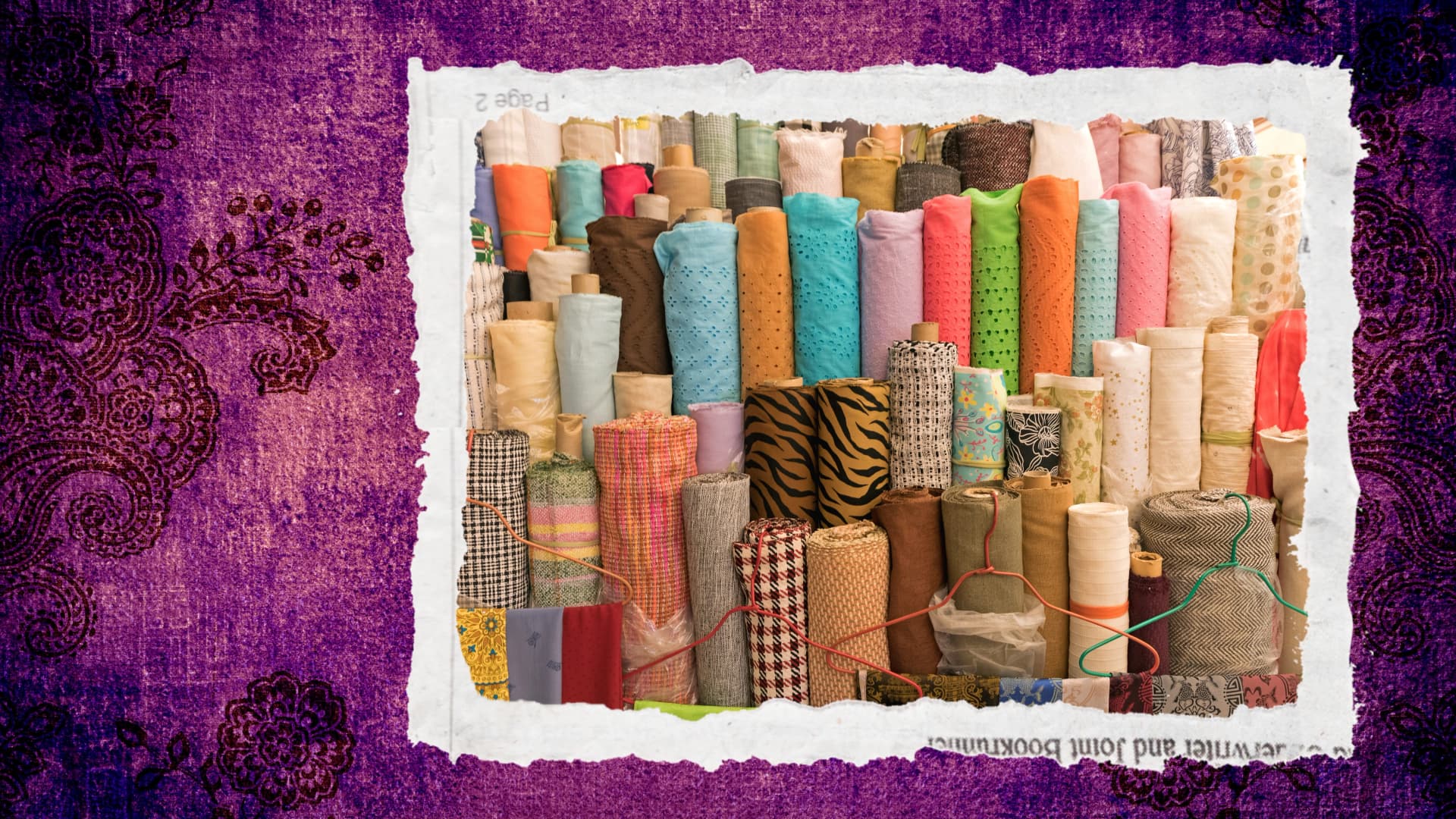
For generations, these iconic textile motifs have defined what we call fashion
Admissions Open for 2026-27
Much like fashion trends defining wardrobes for every generation, for centuries, people around the world have demonstrated fondness for certain fabric patterns, which over time have become legendary motifs. Quirky and identifiable, these textile designs are also dipped in curious backstories worth giving a listen to! The Orchids Blog brings you a quick list of iconic fabric patterns that both you and your child have probably already worn…

1. Argyle
A popular vintage pattern, argyle traces its origin to 16th-century Scotland. It was emblematic of the Clan Campbell of Argyll, taking inspiration from tartan or plaid. Flaunting layers of overlapping ‘diamond’ motifs, the argyle gives a 3D impression of movement and texture. In the 1920s, it rose to fame as a knitted pattern, so much so that even the Duke of Windsor preferred it for his golf clothing. The 50s and 60s saw argyle become a fashion staple for both men and women in the US and other parts of the world. Be it mini skirts, sweater vests or socks, argyle has been a preferred vintage pattern for generations.


2. Houndstooth
A duotone pattern, the oldest houndstooth textiles can be traced back to the Hallstatt Celtic Salt Mine in Austria during the Bronze Age. However, the contemporary houndstooth (or dogstooth) checks may have come to the fore in the Scottish Lowlands’ woven tweed cloth. A mosaic of light and dark solid checks alternating with light and dark diagonally-striped checks, houndstooth also resembles the gingham plaid a bit. A high street fashion statement, houndstooth dresses, trousers, coats and jackets are equally preferred in small towns across age and gender groups.

3. Buffalo Plaid
Considered the signature rustic style of the lumberjacks and cowboys, buffalo plaid also makes for a dominant fashion statement during the year-end holiday season. In Scotland - its place of origin - the crisscrossing, black-and-red-checked pattern was named after their Jacobite folk hero, Rob Roy. The pattern’s history dates back to 1704. Meanwhile, in the US, the ‘Rob Roy MacGregor Scottish tartan’ became more popular as the buffalo plaid. Buffalo plaid flannel shirts and jackets have been a winter favourite for generations across age groups.
4. Paisley
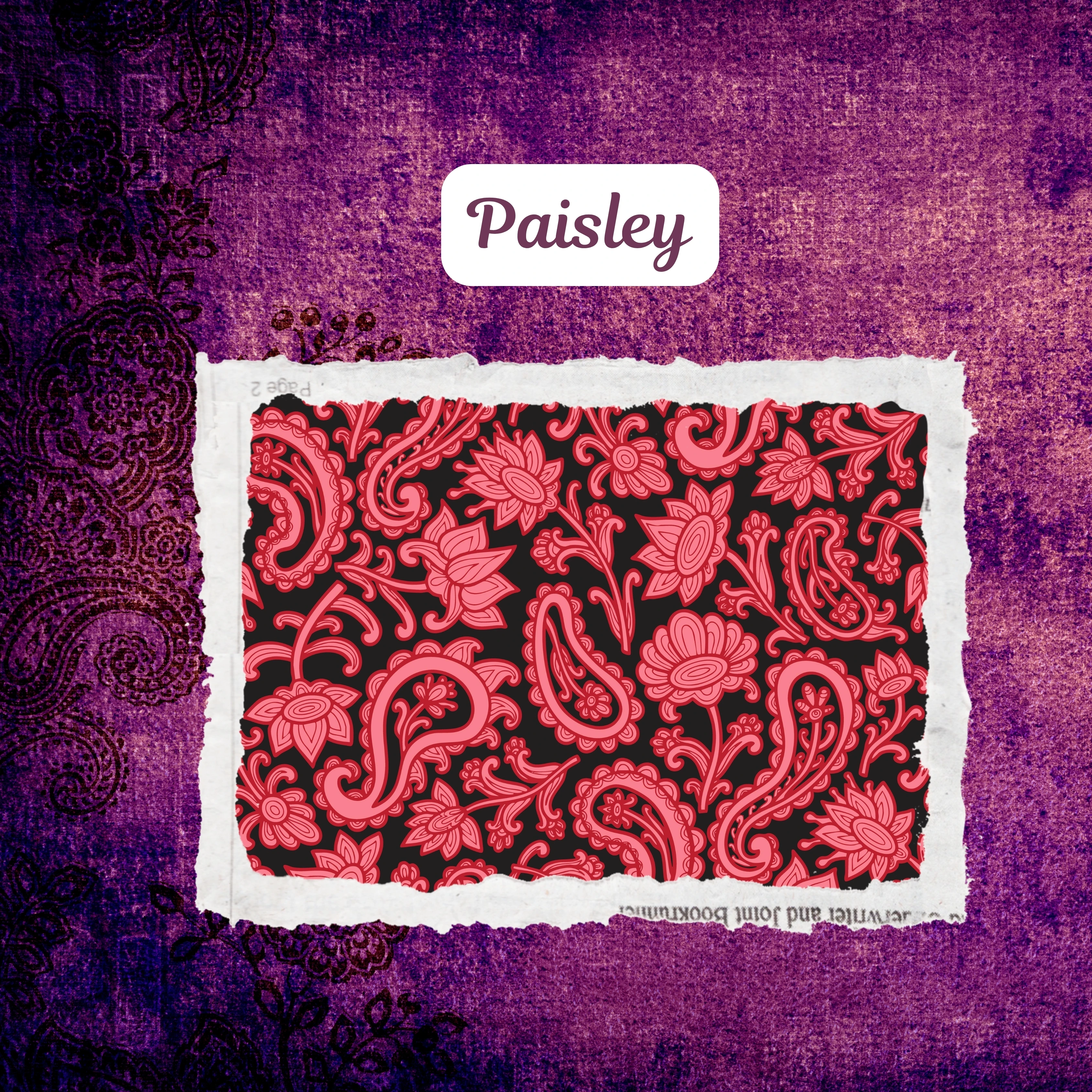
Often dubbed an ornamental pattern, paisley is a teardrop-shaped motif (buta) with a curved upper end. Said to be of Persian origin, paisley shot to fame globally sometime during the 18th and 19th centuries, thanks to imports of the post-Mughal Empire versions from India. That said, other design scholars are of the opinion that the buta represents the blend of a stylised floral spray and a cypress tree. From pashmina shawls and scarfs to shirts, neckties, waistcoats, skirts and blouses, paisley patterns adorn a variety of outfits both for men and women.

5. Pinstripes
Synonymous with businesswear, pinstripes have been defining the world of formal clothing since the 19th century. What began as a mark of subtle brand identity by bankers in London eventually became a symbol of authority and sophistication. A wardrobe staple for businessmen and corporate professionals globally, this classic yet versatile pattern consists of very thin (about 0.85 mm) stripes created with one single-warp yarn. From pantsuits and suit jackets to the Boston Nationals’ baseball uniforms, pinstripes are as iconic as they can be! Did you know, this pattern also finds a mention in Geoffrey Chaucer’s The Canterbury Tales?


Admissions Open for 2026-27
Recent Blogs






CBSE Schools In Popular Cities
- CBSE Schools in Bangalore
- CBSE Schools in Mumbai
- CBSE Schools in Pune
- CBSE Schools in Hyderabad
- CBSE Schools in Chennai
- CBSE Schools in Gurgaon
- CBSE Schools in Kolkata
- CBSE Schools in Indore
- CBSE Schools in Sonipat
- CBSE Schools in Delhi
- CBSE Schools in Rohtak
- CBSE Schools in Bhopal
- CBSE Schools in Aurangabad
- CBSE Schools in Jabalpur
- CBSE Schools in Jaipur
- CBSE Schools in Jodhpur
- CBSE Schools in Nagpur
- CBSE Schools in Ahmednagar
- CBSE School In Tumkur

Call Us to know more about Orchids











Orchids The International School is one of India's leading chains of CBSE and ICSE schools, with 110+ schools across the country.