

International Day for Biological Diversity 2026: Why nature matters more than we think
By Raghavi C S |
Date 21-05-2026
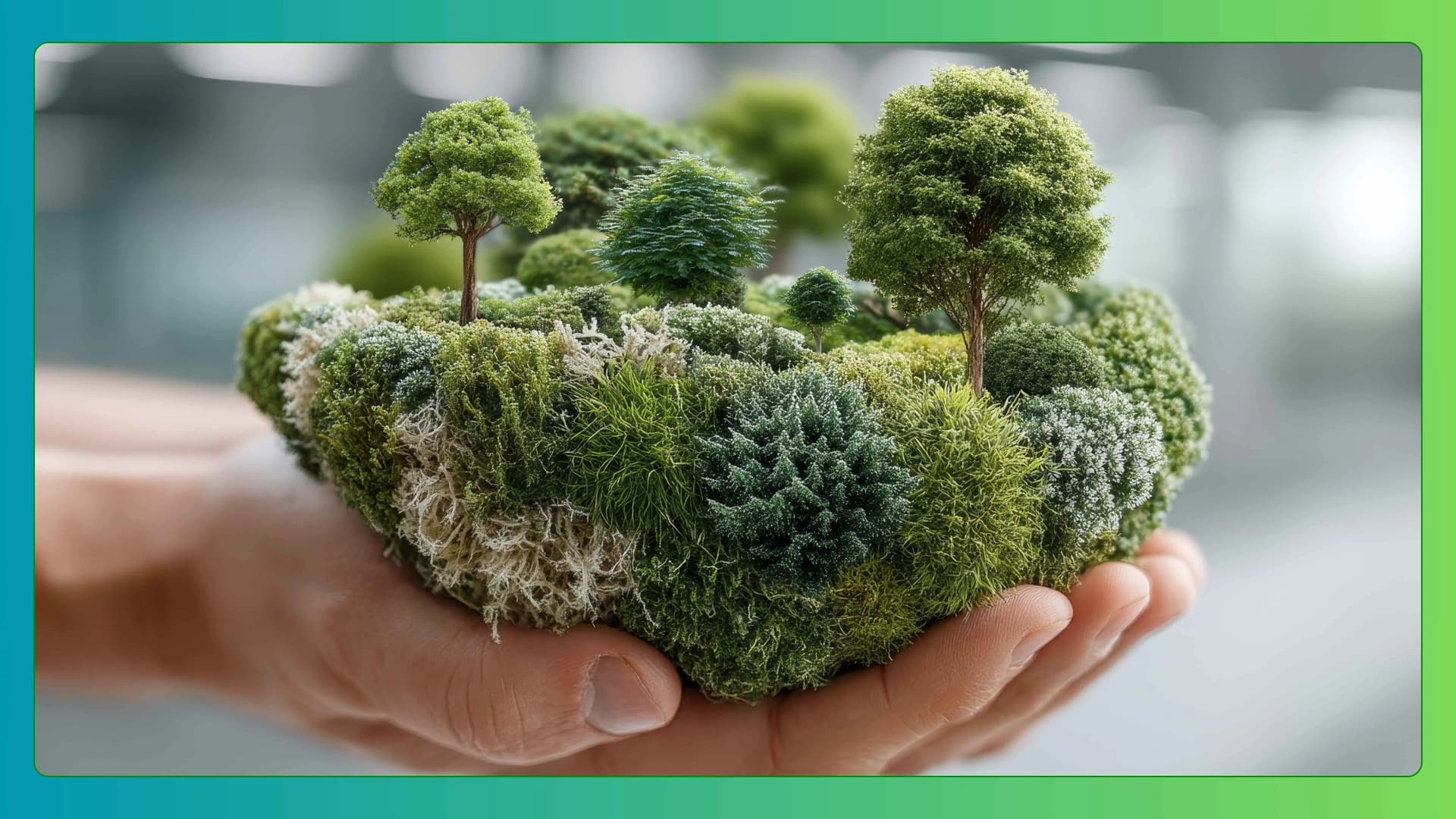
Every plant, insect and animal plays a role in maintaining the balance of nature.
Admissions Open for 2026-27
Most of us do not use the term ‘biodiversity’ in everyday speech. It sounds technical, as if only scientists are concerned about it. But biodiversity is everywhere. It is in the roadside trees, the birds perched on wires outside your window, the insects buzzing in your garden, the fish in local rivers and even the microscopic organisms living in the soil beneath your feet. The extent to which human life truly depends on all of this is startling.
Every plant, insect and animal plays a role in maintaining the balance of nature. When one is removed, everything gradually begins to shift. That is what makes the International Day for Biological Diversity 2026 worth paying attention to. This is more than a day to appreciate the outdoors. It is a reminder that clean air, fresh water, nutritious food and stable weather are all made possible by nature's quiet, daily work.
What exactly is the International Day for Biological Diversity?
Every year on May 22, the world observes the International Day for Biological Diversity. The United Nations established this day to raise awareness about the importance of biodiversity and the urgency of protecting it.
The UN General Assembly first designated a day for this purpose in 1993, originally on December 29. It was later moved to May 22 to mark the date in 1992 when the text of the Convention on Biological Diversity was officially adopted.
Today, countries across the world mark this day with awareness campaigns, school programmes, conservation talks and community events.
International Day for Biological Diversity 2026 theme
The official theme for International Day for Biological Diversity 2026 is:
“Acting locally for global impact.”

The idea is straightforward. Big change often starts small. Protecting a local lake, planting trees native to your region, reducing pollution in your neighbourhood or simply learning about the ecosystems near you: these things might seem minor. But when communities all over the world do them consistently, the combined effect is significant.
The theme is also a reminder that biodiversity is not someone else’s responsibility. Governments and researchers are not the only ones who can make a difference. Ordinary people, through everyday choices, can too.
Why is biodiversity so important
Think of nature as a vast web. Plants support insects. Insects support birds. Animals depend on forests. Wetlands sustain water systems. Every component is connected to every other, even when that connection is not immediately visible.
Healthy biodiversity helps keep air and water clean, soil fertile and food systems functioning, climates stable, crops pollinated and wildlife with space to survive.
When biodiversity shrinks, ecosystems weaken. And over time, that affects everything: animals, plants and people included.
Also read: World Bee Day 2026: Why these tiny pollinators matter more than we think
Why biodiversity loss is becoming a global concern
Species are disappearing faster than at almost any point in recorded history. Pollution, deforestation, urban expansion, climate change and overconsumption are all taking a toll. As cities grow, wild habitats shrink. Pollinators vanish. Forests are cleared. Wetlands disappear. Rivers fill with waste.
The difficult part is that the damage often happens gradually. It goes unnoticed until things have already changed significantly. Food becomes harder to grow. Water becomes scarcer. Weather becomes less predictable.
This is precisely why the International Day for Biological Diversity continues to grow in relevance each year.
India’s role in biodiversity conservation
India is one of just 17 countries worldwide considered ‘mega-diverse’, a term that reflects the extraordinary range of life found here, from coastal wetlands and deep forests to mountain ranges and open grasslands.
The Western Ghats, the Himalayas, the mangroves, the grasslands: each of these holds thousands of plant and animal species found nowhere else on Earth. States like Karnataka are actively involved too, with nature walks, bird-watching events, conservation workshops and awareness programmes happening at the local level throughout the year.
Why children should learn about biodiversity early
Children tend to be natural observers. They stop to watch an ant trail, notice a caterpillar on a leaf or ask why a certain tree sheds its leaves. Environmental education gives that instinct a direction.
When children learn about biodiversity from a young age, they begin to understand how ecosystems stay in balance, why each species has a role to play, however small, how human actions ripple out into the natural world and why protecting nature is something worth caring about.
Beyond ecology, this kind of learning builds critical thinking, a sense of responsibility and habits of observation that carry well beyond the classroom.
How schools help children connect with nature
Environmental concepts are easier to grasp when children can see and experience them directly. Observing insects in a school garden, tracking weather patterns over several weeks or watching a plant grow from seed makes science feel real rather than abstract.
At Orchids The International School, students explore environmental topics through hands-on activities, open conversations and real-world connections. The aim is to make learning feel relevant, something that extends well beyond a textbook and into the world children actually inhabit.
A reminder that nature works quietly in the background
Most of the time, we do not think about what nature is doing for us. Trees keep producing oxygen. Bees keep pollinating crops. Rivers keep flowing. Forests hold the soil in place and keep the air cool. All of this happens without anyone asking for it.
We tend to notice only when something goes missing. When bees disappear and crops fail. When forests are cleared and floods follow. When rivers run dry.
International Day for Biological Diversity 2026 is an opportunity to pay attention before we reach that point. Because protecting biodiversity is not only about preserving animals and forests. It is about safeguarding the very systems that sustain life, including our own.
If you would like to know more about how students at Orchids The International School learn about biological diversity through hands-on activities both inside and outside the classroom, reach out to our admissions team. We would be happy to share more.


Admissions Open for 2026-27
Recent Blogs






CBSE Schools In Popular Cities
- CBSE Schools in Bangalore
- CBSE Schools in Mumbai
- CBSE Schools in Pune
- CBSE Schools in Hyderabad
- CBSE Schools in Chennai
- CBSE Schools in Gurgaon
- CBSE Schools in Kolkata
- CBSE Schools in Indore
- CBSE Schools in Sonipat
- CBSE Schools in Delhi
- CBSE Schools in Rohtak
- CBSE Schools in Bhopal
- CBSE Schools in Aurangabad
- CBSE Schools in Jabalpur
- CBSE Schools in Jaipur
- CBSE Schools in Jodhpur
- CBSE Schools in Nagpur
- CBSE Schools in Ahmednagar
- CBSE School In Tumkur

Call Us to know more about Orchids











Orchids The International School is one of India's leading chains of CBSE and ICSE schools, with 130+ schools across the country.