

International Tea Day 2026: Celebrating the cuppa that connects the world!
By Nadia Tabassum |
Date 20-05-2026
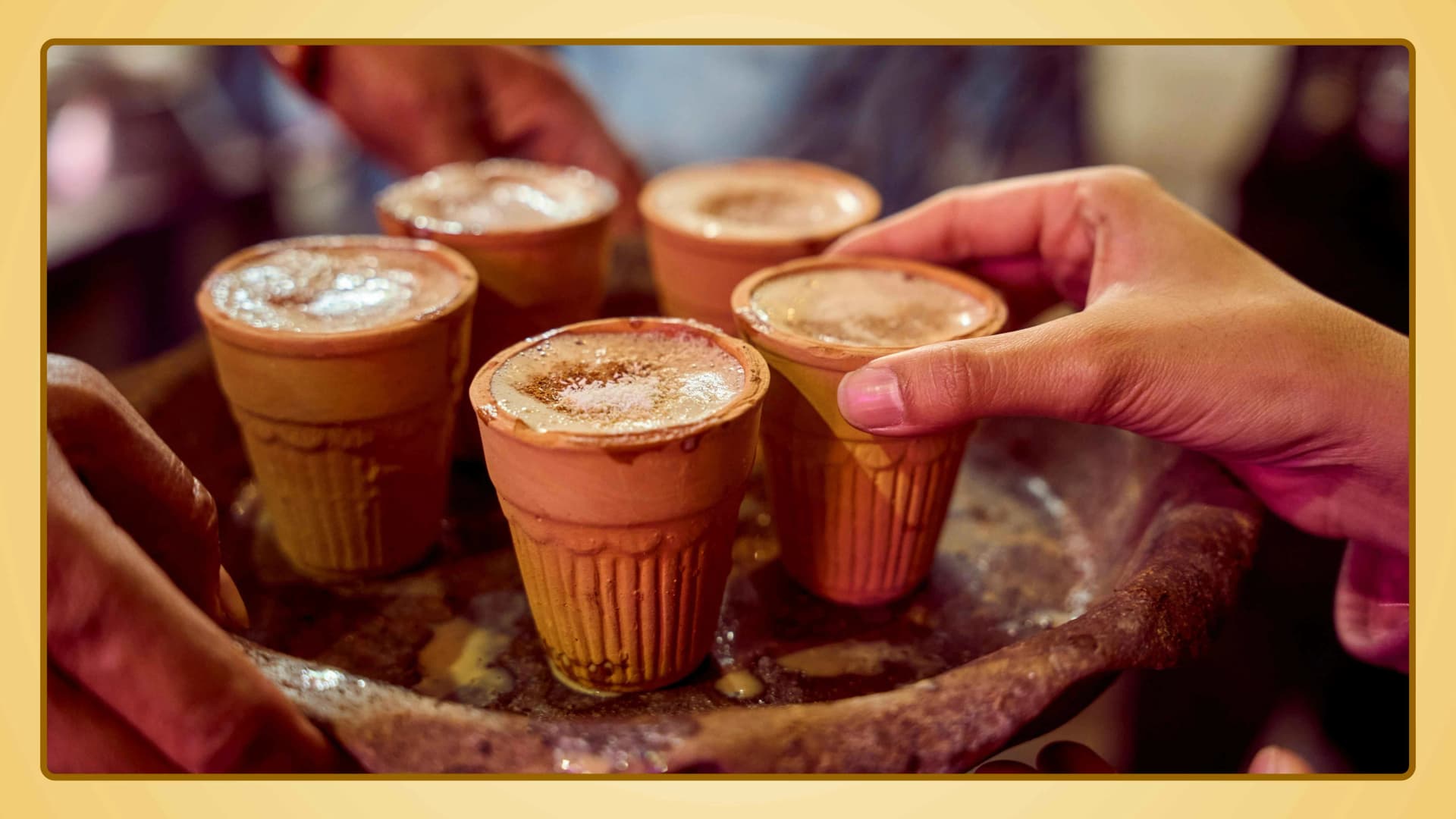
In India, chai is the beverage people bond over.
Admissions Open for 2026-27
Tea is the second most consumed beverage in the world, and every year on May 21, we celebrate International Tea Day to honour exactly that. Observed globally, this day recognises the cultural heritage, health benefits and economic significance of a drink that has quietly shaped civilisations. The purpose is also to raise awareness about the global tea trade and its impact on the millions of workers and growers who sustain it.
In India, tea is not just a beverage. It is a symbol of hospitality, a social ritual and a thread that ties families, friends and colleagues together across every corner of the country. International Tea Day is a celebration of these simple, everyday joys that tea brings to billions of lives.
How it all began: the origin of tea
The origin of tea dates back to 2737 BC, and like many great discoveries, it happened by accident. Chinese emperor Shen Nong was purifying water beneath a tea tree when a gust of wind carried several leaves into his pot. The water changed colour. The fragrance was unlike anything he had encountered. He tasted it, and what followed was a 5,000-year relationship between humans and this remarkable plant.
From China, tea travelled gradually into other Asian countries, including Japan and India, before eventually reaching the European continent. Today, India and China together dominate the production of a multi-billion-dollar tea industry that provides livelihoods for millions of people around the world. India holds its place as the second-largest tea producer globally, with Assam, Darjeeling and the Nilgiris producing some of the most celebrated varieties on the planet.
Also read: Ganga, Brahmaputra, Mahanadi, Kaveri and more: Major Indian rivers; their origins and tributaries

How the world takes its tea
Although every variety originates from the same plant, Camellia sinensis, tea tastes and feels entirely different depending on the culture that has made it its own.
India: the chai that never needs an invitation
Chai in India is a staple brewed by boiling tea leaves, water, milk and masala spices such as cardamom, ginger, pepper and cloves. More than a drink, it is the beverage people bond over. Street vendors occupy every corner of Indian cities and towns, serving at common gathering points where locals pause, talk and connect.
Japan: the art of being fully present
The Japanese tea ceremony, known as ‘Chanoyu’, is a ritual of preparing and serving powdered green tea called 'matcha'. Rooted in Zen Buddhist philosophy, it elevates the act of hospitality into something deeply contemplative, fostering mindfulness and an awareness of the present moment. It is less about drinking and more about being fully, intentionally present.
Britain: the afternoon ritual that outlasted an empire
Brought to Britain by Portuguese traders in the 17th century, tea became thoroughly embedded in British culture over the centuries that followed. Afternoon tea, rooted in 19th-century tradition and served in many historic hotels today, remains a symbol of civility and indulgence: black tea accompanied by sandwiches, scones and cakes.
Morocco: three glasses, three meanings
Tea represents a warm welcome in Morocco. Traditional Touareg tea, also called Maghrebi mint tea, is a mint-flavoured green tea served ceremonially to guests. It is poured with theatrical flair from a height to create a layer of froth, served across three rounds. Each serving is said to carry a meaning: the first as bitter as life, the second as strong as love, the third as gentle as death.
Azerbaijan: where tea decides a marriage
Served in a special pear-shaped glass called an ‘armudu’, tea in Azerbaijan is a symbol of warmth, friendship and hospitality. The glass is designed to keep the tea hot at the base while remaining comfortable to hold. It is typically accompanied by sugar, jams, dried fruits, almonds and sweets. In some parts of the country, a particularly charming custom persists: the sweetness of tea served to a prospective groom’s family signals whether a marriage proposal has been accepted or declined.
Tea by type: what is actually in your cup
Beyond culture and ceremony, tea also varies significantly in character depending on how the leaf is processed after it is picked. The same plant can produce something bold and energising or something light and calming, depending entirely on what happens between the garden and the cup. Here is a closer look at the main varieties and what makes each one distinct.
-
Black tea is the most widely consumed tea in the world. Fully oxidised and rich in antioxidants, including theaflavins and thearubigins, it has a strong, bold flavour and a higher caffeine content that can improve alertness and focus. The Assam tea most Indian households drink every morning is black tea.
-
White tea is the least processed of all varieties, made from the youngest leaves and buds of the tea plant. It is delicate in flavour, rich in antioxidants and lower in caffeine than other types, making it a good choice for those sensitive to caffeine.
-
Green tea is made from unoxidised leaves, giving it a fresh, grassy character. Rich in catechins, it is among the most studied teas for its health benefits, including reduced risk of heart disease and improved metabolic health.
-
Herbal tea includes varieties such as peppermint, chamomile, hibiscus and ginger. Technically caffeine-free infusions rather than true teas, each carries its own distinctive flavour and a range of wellness benefits.
At Orchids The International School, days like International Tea Day offer a natural opening for conversations about history, culture, trade and the way a single leaf can connect the entire world. Because sometimes the most meaningful lessons begin with the most ordinary things.
A drink that has outlasted empires
Tea has survived empires, crossed oceans and sparked revolutions. It is far more than a flavour or a caffeine fix. It is a moment of pause, a gesture of welcome and a ritual that means something different in every corner of the world yet is offered everywhere with the same warmth.
What makes tea remarkable is not just its reach but also its staying power. Thousands of years after Emperor Shen Nong tasted that first accidental brew, billions of people still begin their mornings, end their evenings and mark the moments in between with a cup of tea. Few things in human history have proved quite so endearing or quite so quietly essential.
Want to know more about how we bring the world into our classrooms? Reach out to our admissions team to learn more about the learning environment at Orchids The International School.


Admissions Open for 2026-27
Recent Blogs





CBSE Schools In Popular Cities
- CBSE Schools in Bangalore
- CBSE Schools in Mumbai
- CBSE Schools in Pune
- CBSE Schools in Hyderabad
- CBSE Schools in Chennai
- CBSE Schools in Gurgaon
- CBSE Schools in Kolkata
- CBSE Schools in Indore
- CBSE Schools in Sonipat
- CBSE Schools in Delhi
- CBSE Schools in Rohtak
- CBSE Schools in Bhopal
- CBSE Schools in Aurangabad
- CBSE Schools in Jabalpur
- CBSE Schools in Jaipur
- CBSE Schools in Jodhpur
- CBSE Schools in Nagpur
- CBSE Schools in Ahmednagar
- CBSE School In Tumkur

Call Us to know more about Orchids











Orchids The International School is one of India's leading chains of CBSE and ICSE schools, with 130+ schools across the country.