

Ganga, Brahmaputra, Mahanadi, Kaveri and more: Major Indian rivers; their origins and tributaries
By Orchids Editorial Team |
Date 05-01-2026
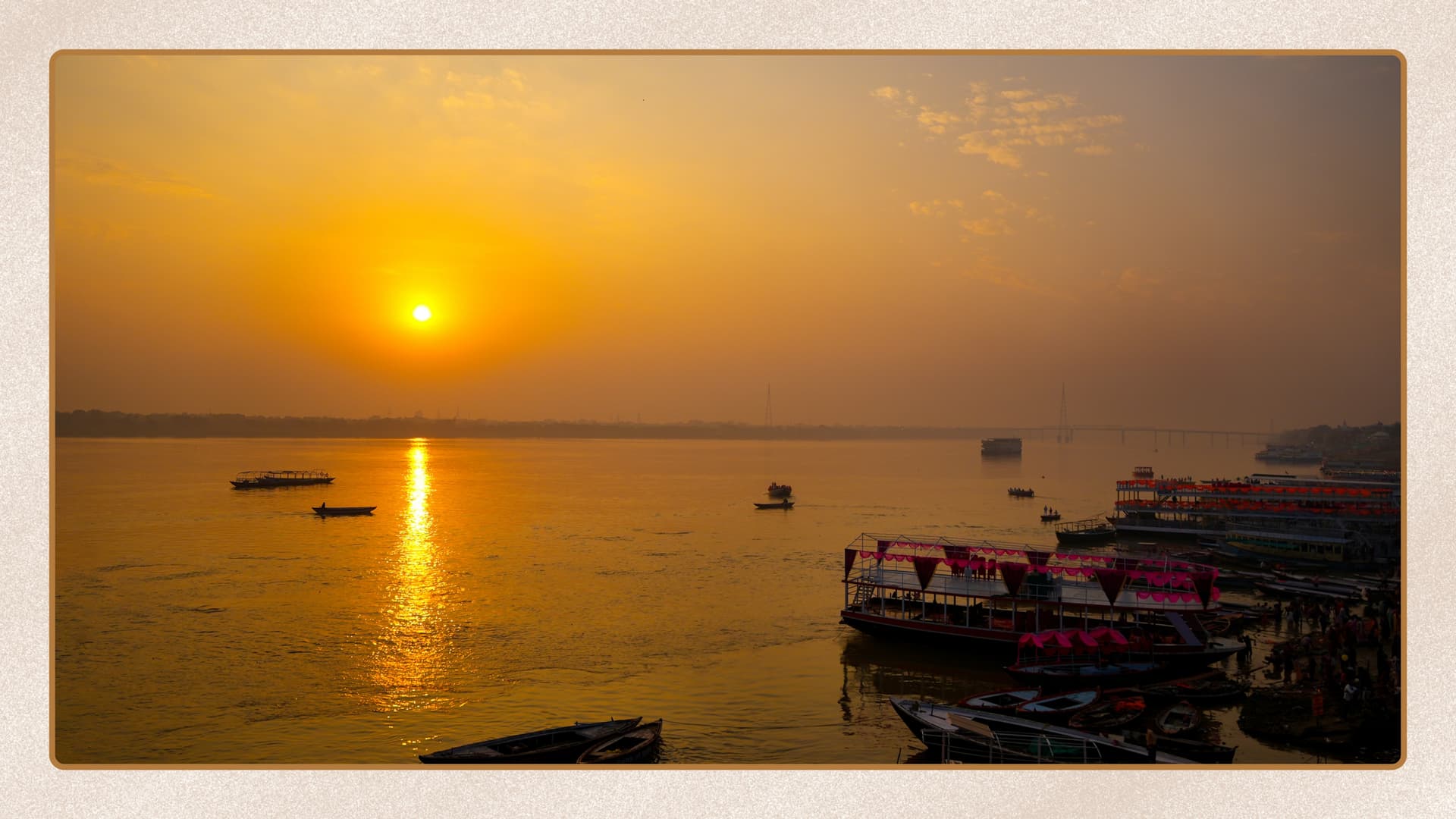
Formed millions of years ago, the major Indian rivers are integral to our cultural and ecological heritage
Admissions Open for 2026-27
India is abundantly blessed with natural resources. Supporting the fertile soils, vast expanses of forest and mineral deposits are the country’s many river systems and perennial streams. With more than 400 rivers flowing through the nation, India’s large waterways are mainly classified into four categories - Himalayan, Deccan, Coastal and Inland Drainage. However, the Food and Agriculture Organization groups Indian rivers into 20 units, comprising 14 major river systems and 99 smaller river basins.
The Ganga, Brahmaputra and Indus are snow-fed Himalayan rivers. Meanwhile, the Deccan (peninsular) rivers include the Godavari, Krishna, Kaveri, Mahanadi, Narmada and Tapti. Then comes the Coastal rivers that are relatively shorter in length and mostly flow through the western parts of the country. Mostly found in regions like Ladakh and the Thar Desert, the Inland Drainage rivers don’t reach the sea.
Indian rivers are of great economical and ecological significance to the nation, contributing an estimated ₹3.5 lakh crores to the economy every year. These rivers provide water for drinking, irrigation and industry; generate hydropower; support agriculture through deposition of silt in deltas; as well as enable the water transport system. Formed millions of years ago, these rivers form the very foundation of India’s rich history and cultural heritage. Integral to human civilization, the riverbanks are also home to a number of ancient cities and settlements.

Also read: Know India: The country’s states, union territories; their capitals and languages
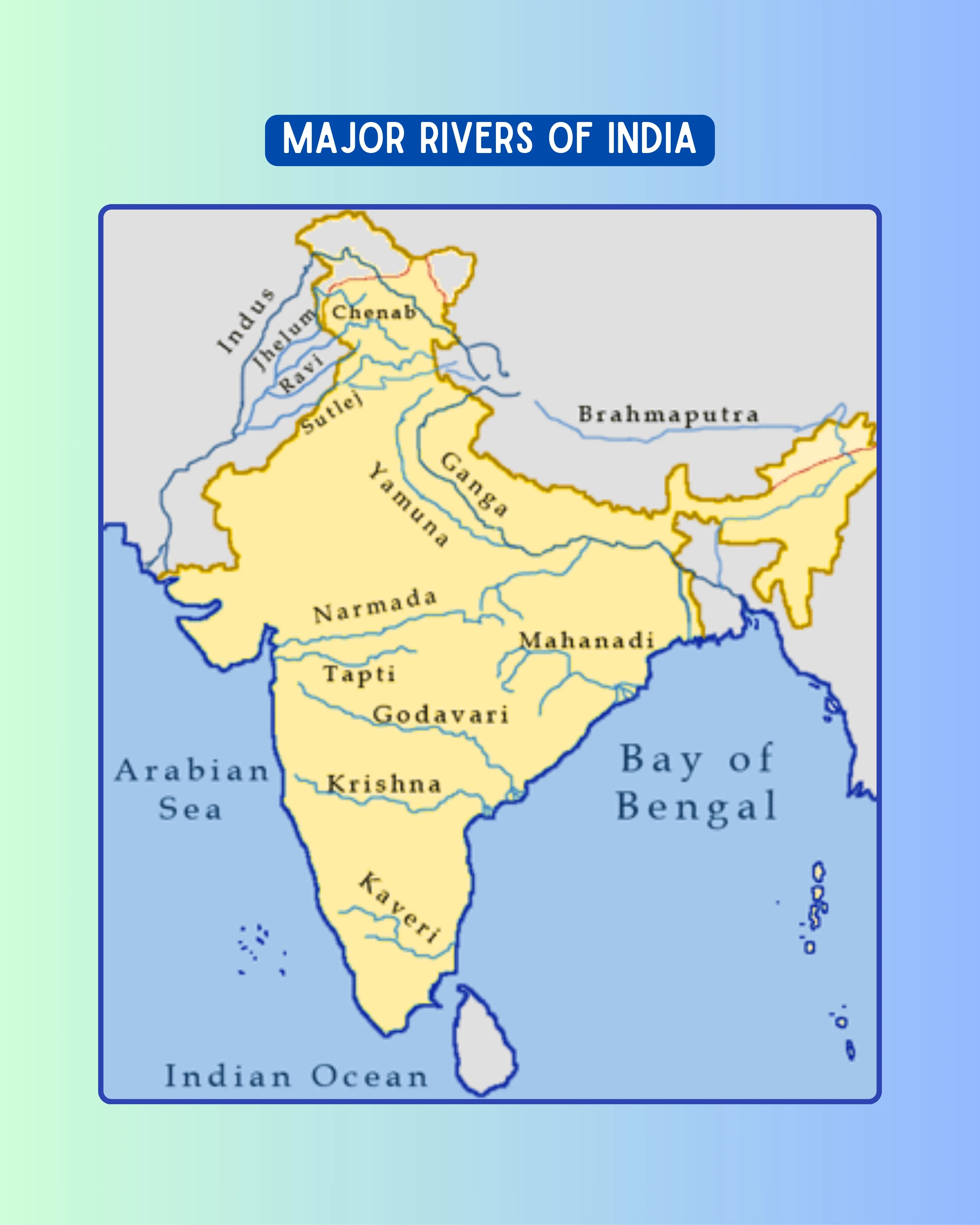
Here’s a look at some of India’s major rivers - their length, place of origin and tributaries:
Indus
Length: 2,900 kilometres
Place of origin: a glacier near Bokhar Chu in the Tibetan region of the Kailash Mountain Range.
Tributaries: Jhelum, Chenab, Ravi, Beas, Sutlej, Zanskar and Suru.
Brahmaputra
Length: 2,900 kilometres
Place of origin: the Chemayungdung Glacier near the Kailash Range in southwestern Tibet.
Tributaries: Dihing, Dangori, Disang, Dikhow, Jhanji, Dhansiri, Kolong, Kopili, Bharalu, Kulsi, Krishnai, Jia Bharali, Manas, Beki, Raidak, Subansiri, Jiadhal, Simen, Pagladia, Sankosh and Gadadhar.
Ganga
Length: 2,510 kilometres
Place of origin: the Gangotri Glacier in the Himalayas, Uttarakhand.
Tributaries: Ramganga, Gomti, Ghaghara, Gandak, Kosi, Mahananda, Yamuna, Son, Chambal and Damodar.
Godavari
Length: 1,450 kilometres
Place of origin: the Brahmagiri Hills near Trimbakeshwar in Maharashtra’s Nashik district.
Tributaries: Purna, Pranahita, Indravati, Sabari, Pravara, Manjira, Maner, Kadam, Kinnerasani and Taliperu.
Narmada
Length: 1,290 kilometres
Place of origin: the Narmada Kund reservoir at Amarkantak on the Maikala plateau in Madhya Pradesh’s Anuppur district.
Tributaries: Burhner, Banjar, Sher, Shakkar, Dudhi, Tawa, Ganjal, Chhota Tawa, Kaveri, Kundi, Goi, Karjan, Hiran, Tendoni, Barna, Kolar, Man, Uri, Hatni and Orsang.
Krishna
Length: 1,290 kilometres
Place of origin: a spring near Jor village in Mahabaleshwar, Maharashtra.
Tributaries: Venna, Koyna, Panchganga, Dudhganga, Ghataprabha, Malaprabha, Tungabhadra, Bhima, Dindi, Peddavagu, Halia, Musi, Paleru and Munneru.
Also read: ‘Helicopter’ vs ‘Gentle’: What should be your parenting approach in 2026
Barak
Length: 900 kilometres
Place of origin: the Manipur Hills, south of Mao in Manipur’s Senapati district.
Tributaries: Jiri, Chiri, Modhura, Jatinga, Harang, Kalain, Gumra, Dhaleswari, Singla, Longai, Sonai, Katakhal, Irang, Tuivai, Rukni and Maduva.
Mahanadi
Length: 890 kilometres
Place of origin: a pool near Farsiya village in Chhattisgarh’s Dhamtari district.
Tributaries: Seonath, Hasdeo, Mand, Ib, Ong and Jonk.
Kaveri
Length: 760 kilometres
Place of origin: Talakaveri, a spring on the Brahmagiri Hills in Karnataka’s Kodagu district.
Tributaries: Amaravati, Arkavati, Bhavani, Harangi, Hemavati, Kabini, Lakshmana Tirtha, Shimsha and Noyyal.


Admissions Open for 2026-27
Recent Blogs





CBSE Schools In Popular Cities
- CBSE Schools in Bangalore
- CBSE Schools in Mumbai
- CBSE Schools in Pune
- CBSE Schools in Hyderabad
- CBSE Schools in Chennai
- CBSE Schools in Gurgaon
- CBSE Schools in Kolkata
- CBSE Schools in Indore
- CBSE Schools in Sonipat
- CBSE Schools in Delhi
- CBSE Schools in Rohtak
- CBSE Schools in Bhopal
- CBSE Schools in Aurangabad
- CBSE Schools in Jabalpur
- CBSE Schools in Jaipur
- CBSE Schools in Jodhpur
- CBSE Schools in Nagpur
- CBSE Schools in Ahmednagar
- CBSE School In Tumkur

Call Us to know more about Orchids











Orchids The International School is one of India's leading chains of CBSE and ICSE schools, with 110+ schools across the country.