

‘Helicopter’ vs ‘Gentle’: What should be your parenting approach in 2026
By Karen Jerusha |
Date 05-01-2026
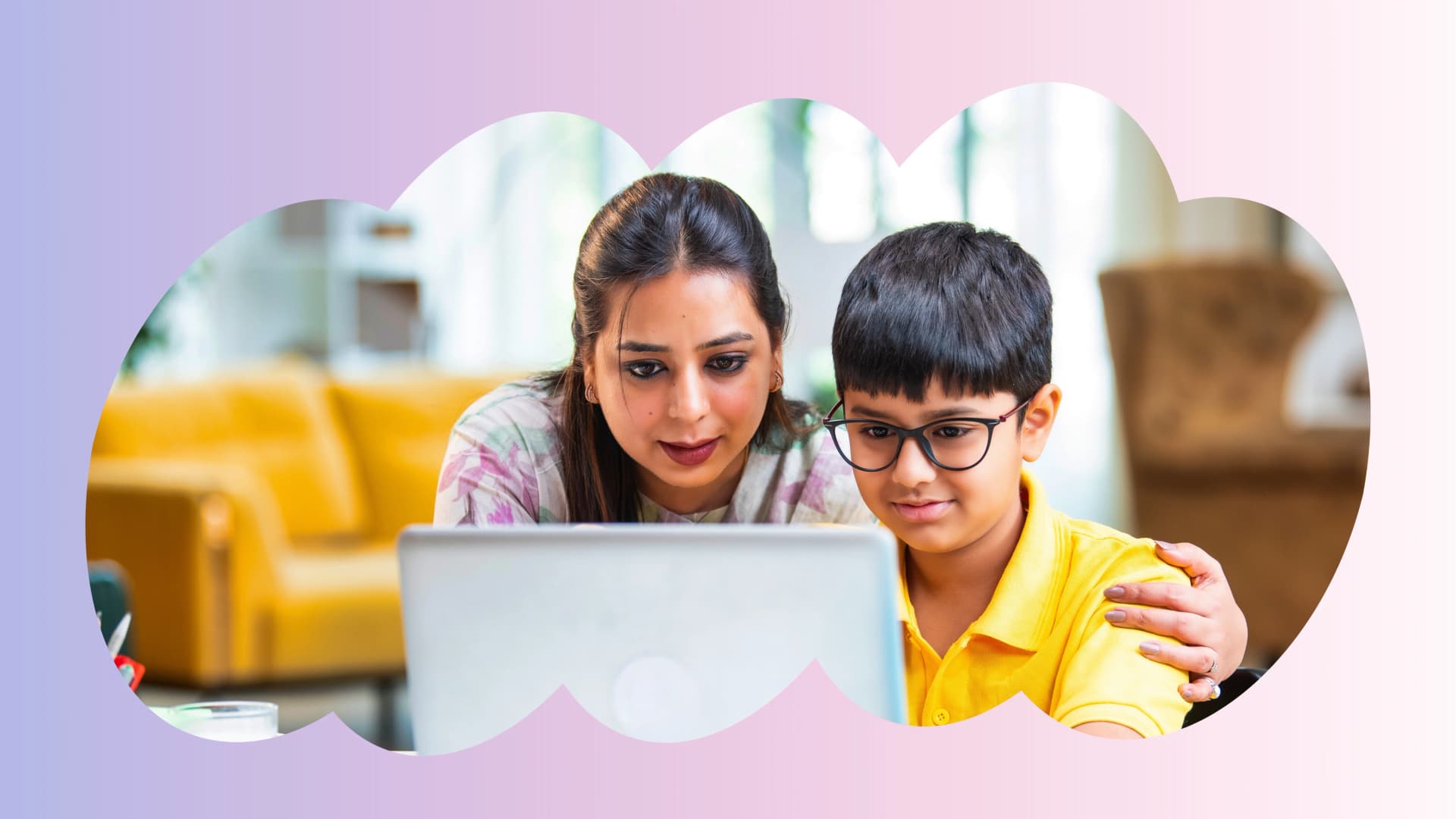
A quiet moment of parental support during a child’s learning time
Admissions Open for 2026-27
Considered one of the most significant and complex journeys of life, parenting is punctuated by choices and decisions that directly influence your child’s growth and well-being. Obviously, every parent would want their kid to have the best of everything. Yet, ensuring the same seems more tricky than expected. Over the past decades, parenting styles have significantly evolved from fear-based discipline to prioritising the little one’s emotional well-being and holistic growth. Mind you, your parenting approach may have long-term benefits or consequences. For instance, while paying attention to every tantrum may make your child stubborn and unyielding, a complete lack of empathy may result in them becoming reserved and emotionally aloof. When it comes to parenting styles, the terms ‘helicopter’ and ‘gentle’ have gained a lot of attention lately, but often as opposing perspectives. The truth is that there’s no one ‘right’ way to parent.
US-based clinical psychologist Diana Baumrind, who is known for her significant contributions to the field of parenting, identifies three main styles of parenting: authoritarian, authoritative and permissive. According to her, parents should be neither punishing nor apathetic. Instead, they should make rules for their children and be affectionate with them. As modern parenting conversations increasingly focus on involvement and emotional sensitivity, the two approaches that repeatedly make headlines are - helicopter parenting and gentle parenting.
Also read: Origami for mindfulness: How folding paper can help kids stay calm and focussed

Helicopter parenting: when helping becomes hovering
Perhaps, a micro-managing style, helicopter parenting refers to parents hovering over their children and intervening in their lives more often than needed. Thought to act out of love and concern, ‘helicopter parents’ use this approach as a means to shield their kids from the consequences of immature actions, remove obstacles and ensure their child’s smooth sailing. Helicopter parenting stems from a deep-seated desire to protect and guide one’s children through every aspect of life.
While it sounds unintentional, this style runs the risk of making children more dependent and less resilient. A lack of self-confidence and inner strength would also mean they are unable to handle challenges and difficult situations. When parents try and control everything about their child, they are inferring that the child cannot overcome a hurdle without their help.
In defence, helicopter parenting can offer a much-needed sense of safety in today’s unpredictable world, especially when children are exposed to digital risks, academic pressure and social norms at a young age. The key lies in recognising the thin line between being supportive and becoming overprotective.
Gentle parenting: preparing children for the real world
On the contrary, gentle parenting focuses on equipping children both with emotional resilience and the life skills they need to lead a secure life with knowledge and confidence. Instead of stepping in to fix every problem, parents act as guides, helping children understand their emotions, make choices and learn from the outcomes within safe boundaries. The emphasis is on connection before correction, ensuring children feel heard while still being held accountable for their behaviour.
This approach encourages children to develop emotional regulation, decision-making abilities and resilience - skills that extend beyond academics. By allowing children to experience age-appropriate challenges and natural consequences, gentle parenting teaches them how to cope with disappointment, manage conflict and take responsibility for their actions. Over time, this nurtures independence and self-confidence, helping children adapt to real-life situations with greater ease.
Also read: Critical thinking to phygital classrooms: Education trends shaping 2026 school year
What should parents focus on in 2026
Parenting in 2026 goes beyond choosing a label or following a trend. With children growing up in a fast-changing world shaped by technology, academic pressure and social influence, the focus needs to shift from control to conscious guidance. That can help parents support their child’s growth while preparing them for the real world. Here’re a quick tips:
-
Be a guide, not a fixer: Step in to support, but allow children enough room to think with their brain, make efforts and learn from experience.
-
Balance empathy with structure: Acknowledge emotions, but don’t remove boundaries. Children need both reassurance and rules.
-
Allow ‘safe’ failures: Mistakes build resilience. Shielding children from every setback can limit real-world readiness.
-
Build life skills early: Emotional regulation, decision-making and accountability matter as much as academic performance.
-
Evolve with your child: Parenting styles should shift as children grow from ‘being protected’ to ‘being prepared’.
Parenting is not about finding the perfect approach, because perfection does not exist. Instead, it’s about gaining insights that help you create a nurturing environment where your child can thrive. Every day is a new opportunity to connect, learn and grow with your children. Compassion for yourself as a parent is imperative regardless of what parenting approach, or blended styles, might describe your parenting.


Admissions Open for 2026-27
Recent Blogs


CBSE Schools In Popular Cities
- CBSE Schools in Bangalore
- CBSE Schools in Mumbai
- CBSE Schools in Pune
- CBSE Schools in Hyderabad
- CBSE Schools in Chennai
- CBSE Schools in Gurgaon
- CBSE Schools in Kolkata
- CBSE Schools in Indore
- CBSE Schools in Sonipat
- CBSE Schools in Delhi
- CBSE Schools in Rohtak
- CBSE Schools in Bhopal
- CBSE Schools in Aurangabad
- CBSE Schools in Jabalpur
- CBSE Schools in Jaipur
- CBSE Schools in Jodhpur
- CBSE Schools in Nagpur
- CBSE Schools in Ahmednagar
- CBSE School In Tumkur

Call Us to know more about Orchids











Orchids The International School is one of India's leading chains of CBSE and ICSE schools, with 110+ schools across the country.