

Clay, creativity and connection: Unleashing the miraculous benefits of pottery for kids
By Orchids Editorial Team |
Date 03-01-2026
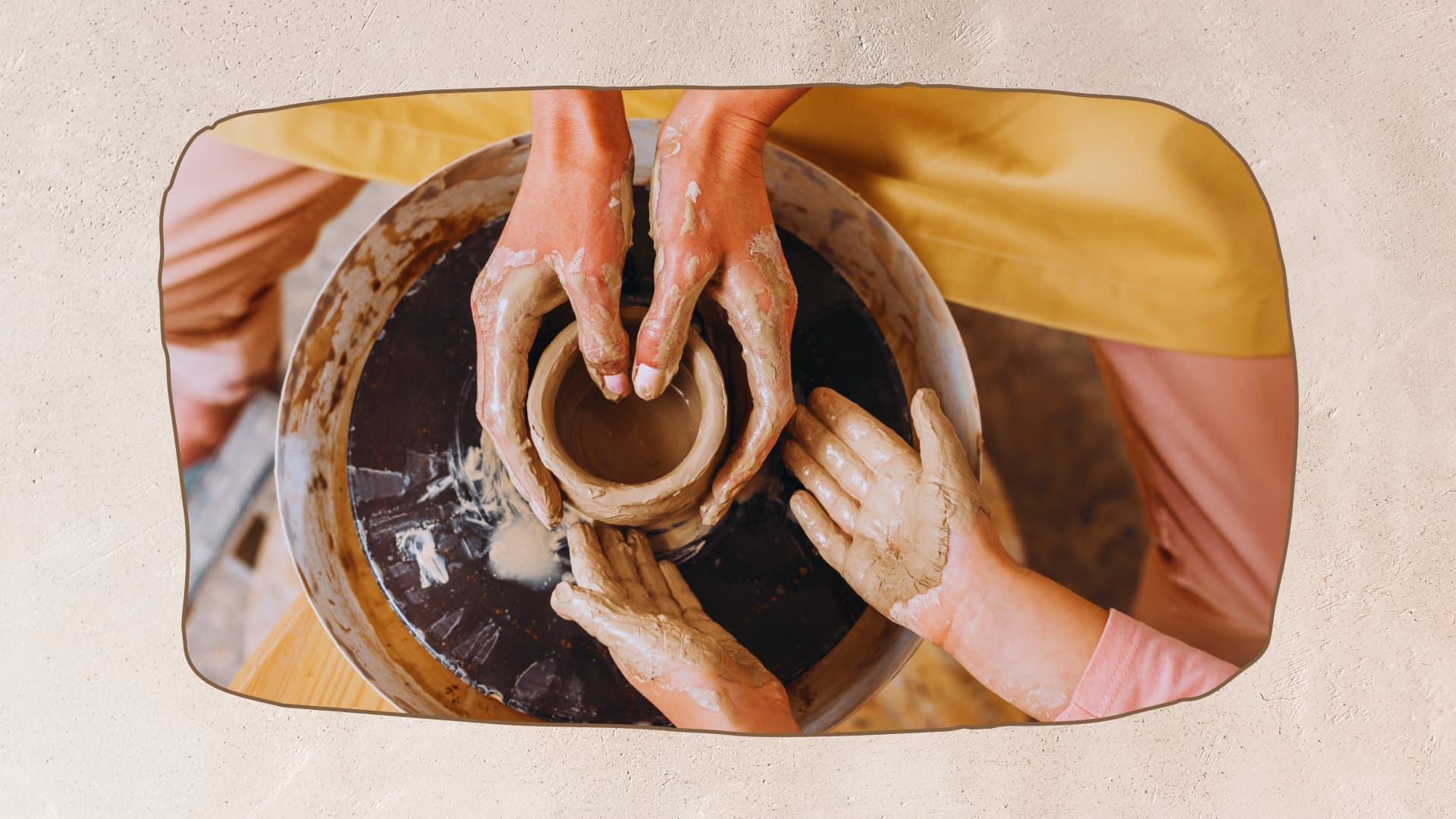
Small hands shaping clay together, turning pottery into a shared moment of creativity and learning.
Admissions Open for 2026-27
In a world where children are constantly surrounded by screens, fast-paced schedules, and structured routines, parents are increasingly seeking activities that slow things down while still supporting learning and development. Pottery offers exactly that balance. More than just an art form, working with clay provides children with a rare opportunity to create with their hands, express emotions freely, and build skills that go far beyond the studio. Pottery is not about perfection or outcomes - it is about the process. As children knead, roll, pinch, and shape clay, they engage both their minds and bodies in a deeply immersive experience that supports holistic growth.
Why pottery is powerful for children
Pottery plays a significant role in strengthening fine motor skills, which are essential for everyday tasks such as writing, drawing, and buttoning clothes. The resistance and texture of clay help improve hand strength, finger coordination, and control, especially in younger children who are still developing these abilities.
Equally important is pottery’s impact on emotional and cognitive development. Clay work encourages patience and focus, as children learn to follow steps, wait for pieces to dry, and refine their creations over time. This naturally builds perseverance and problem-solving skills. When a piece collapses or does not turn out as expected, children learn to adapt, rethink, and try again valuable lessons in resilience.

Pottery is also a powerful medium for self-expression. Unlike structured academic tasks, clay allows children to explore ideas freely without fear of being right or wrong. This sense of creative freedom boosts confidence and self-esteem, especially for children who may struggle to express themselves verbally.
A sensory experience that supports well-being
One of the most underrated benefits of pottery is its role in sensory development. The tactile nature of clay, its softness, temperature, and malleability offers calming sensory input that helps children regulate emotions and reduce stress. For many children, especially those with high energy levels or anxiety, working with clay can be grounding and therapeutic.
This sensory engagement also strengthens concentration. Pottery requires children to slow down, stay present, and engage fully with the task at hand - skills that are increasingly important in today’s distraction-filled environment.
Learning through age-appropriate exploration
Pottery can be adapted for different age groups, making it an inclusive activity across childhood. Younger children benefit from simple sensory play and basic shapes, while older children can explore more structured techniques such as slab work, sculpting, or functional pottery. As skills grow, so does their ability to plan, visualize outcomes, and execute ideas independently. This progression helps children develop a sense of ownership over their work and pride in what they create - whether it’s a small pinch pot, a decorative bowl, or a handcrafted gift.
Strengthening connections beyond the classroom
Pottery also creates meaningful opportunities for connection between children and educators, parents and children, or peers working together. Collaborative projects encourage communication, sharing, and teamwork, while at-home pottery sessions can become valuable bonding moments that replace passive screen time with active engagement. For parents, pottery offers a chance to observe their child’s creativity, patience, and problem-solving skills in action, often revealing strengths that may not always surface in traditional learning environments.
Encouraging creativity in everyday life
Introducing pottery to children does not require elaborate tools or professional setups. Simple air-dry clay, basic tools, and a dedicated creative space are enough to get started. What matters most is allowing children the freedom to explore, experiment, and enjoy the process without pressure. As creativity becomes an essential skill for the future, activities like pottery play a crucial role in nurturing imagination, adaptability, and emotional intelligence from an early age.


Admissions Open for 2026-27
Recent Blogs






CBSE Schools In Popular Cities
- CBSE Schools in Bangalore
- CBSE Schools in Mumbai
- CBSE Schools in Pune
- CBSE Schools in Hyderabad
- CBSE Schools in Chennai
- CBSE Schools in Gurgaon
- CBSE Schools in Kolkata
- CBSE Schools in Indore
- CBSE Schools in Sonipat
- CBSE Schools in Delhi
- CBSE Schools in Rohtak
- CBSE Schools in Bhopal
- CBSE Schools in Aurangabad
- CBSE Schools in Jabalpur
- CBSE Schools in Jaipur
- CBSE Schools in Jodhpur
- CBSE Schools in Nagpur
- CBSE Schools in Ahmednagar
- CBSE School In Tumkur

Call Us to know more about Orchids











Orchids The International School is one of India's leading chains of CBSE and ICSE schools, with 130+ schools across the country.