

Stress-busting activities at home that can help kids stay calm during exams
By Orchids Editorial Team |
Date 17-02-2026
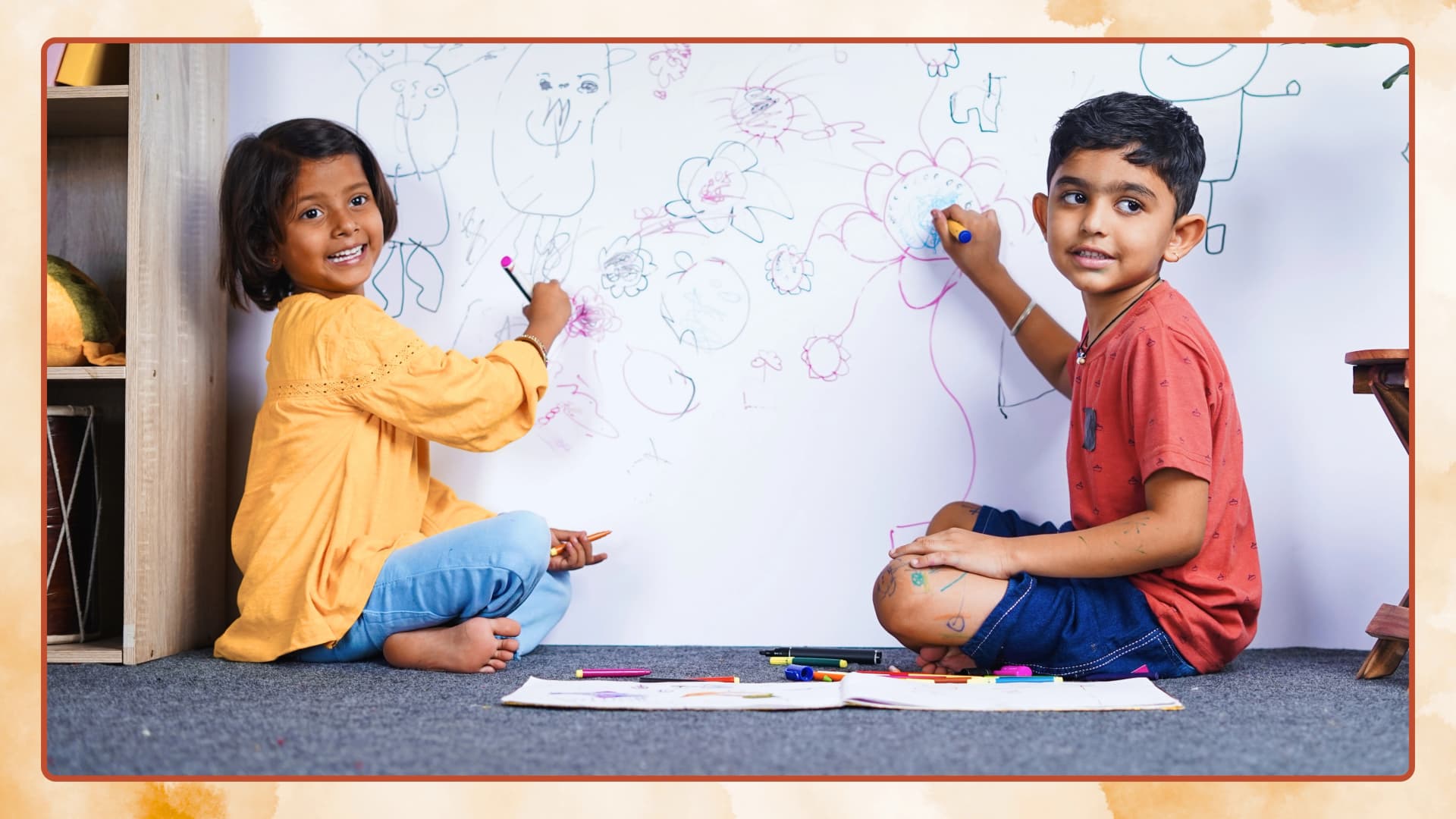
Doodling and colouring can go a long way in relaxing kids’ brain muscles and promoting mindfulness
Admissions Open for 2026-27
Exam jitters among students are real! Be it due to a lack of preparedness, fear of failure or the memory of a negative experience in the past, feeling stressed and nervous before or during exams are quite common. It’s a problem that’s also often associated with poor academic success and self-confidence. That said, small changes in everyday life can help your child ward off test anxiety, and perform better in school. As exams are going on, we have put together a list of stress-busting activities at home that can help young people remain composed and focus on their lessons.
Doodling and colouring
Be it an adult or a kid, doodling and colouring can go a long way in relaxing brain muscles and promoting mindfulness. Before and during exams, art and drawing activities can serve as effective stress busters for students as well as soothe the brain’s anxiety response. Repetitive motions and creative distraction not only improves concentration levels, but also boosts emotional regulation. Mandalas, for instance, have often been considered a powerful non-verbal way to process stress and reduce anxiety.

Journaling
Journaling is a simple yet powerful way to reduce stress and tension during exams. When students pen down their feelings and worries in a journal, it helps them get their thoughts out of their head. This, in turn, provides them with a perspective and, to a certain extent, relief. Journaling helps students practice gratitude and stay positive, while it also quietly boosts focus, improves memory and builds confidence, ensuring their study sessions are more productive and they are able to process their emotions in a better way.
Also read: Brain-boosting food for students: These munchies can improve kids’ memory and focus during exams
Listening to music
Parents can take the lead here to create a calming playlist for their children during exams. Research has shown that music can render a profound impact on our mood, blood pressure and heart rate. Listening to music engages both hemispheres of the brain, which helps reduce stress and test anxiety and, at the same time, boost focus and memory. According to experts, instrumental music - particularly classical, lo-fi, ambient, jazz and nature sounds - have a greater effect compared to that with lyrics.
Stretching
One cannot stress enough the importance of stretching, movement and deep breathing exercises in our life. Such activities can reduce muscle tension and anxiety, while also lifting young people’s mood as well as boosting their energy and concentration levels during exams. Physical exercises can lower cortisol (stress hormone) levels in our body. This, in turn, calms the nervous system, while also enhancing sleep quality, improving memory and overall well-being.
Also read: Pay attention! How to improve concentration while studying for exams
Practising mindfulness
Silly as it may sound, paying undivided attention to a single object for a minute - to an extent that you can detail its colour, shape and texture - is a lesson in mindfulness. This practice not only summons one’s focus to the present moment, but also distracts them from anxious thoughts. Simple mindfulness techniques that can be incorporated in kids’ daily routine include deep breathing; body scan (wherein you lie down and mentally scan your body from head to toe, identify sensations and consciously release tension in each area); and grounding (wherein you name five things you see, four you feel, three you hear, two you smell and one you taste).


Admissions Open for 2026-27
Recent Blogs




CBSE Schools In Popular Cities
- CBSE Schools in Bangalore
- CBSE Schools in Mumbai
- CBSE Schools in Pune
- CBSE Schools in Hyderabad
- CBSE Schools in Chennai
- CBSE Schools in Gurgaon
- CBSE Schools in Kolkata
- CBSE Schools in Indore
- CBSE Schools in Sonipat
- CBSE Schools in Delhi
- CBSE Schools in Rohtak
- CBSE Schools in Bhopal
- CBSE Schools in Aurangabad
- CBSE Schools in Jabalpur
- CBSE Schools in Jaipur
- CBSE Schools in Jodhpur
- CBSE Schools in Nagpur
- CBSE Schools in Ahmednagar
- CBSE School In Tumkur

Call Us to know more about Orchids











Orchids The International School is one of India's leading chains of CBSE and ICSE schools, with 110+ schools across the country.