

Decoding the impact of social media on children and adolescents
By Orchids Editorial Team |
Date 31-12-2025
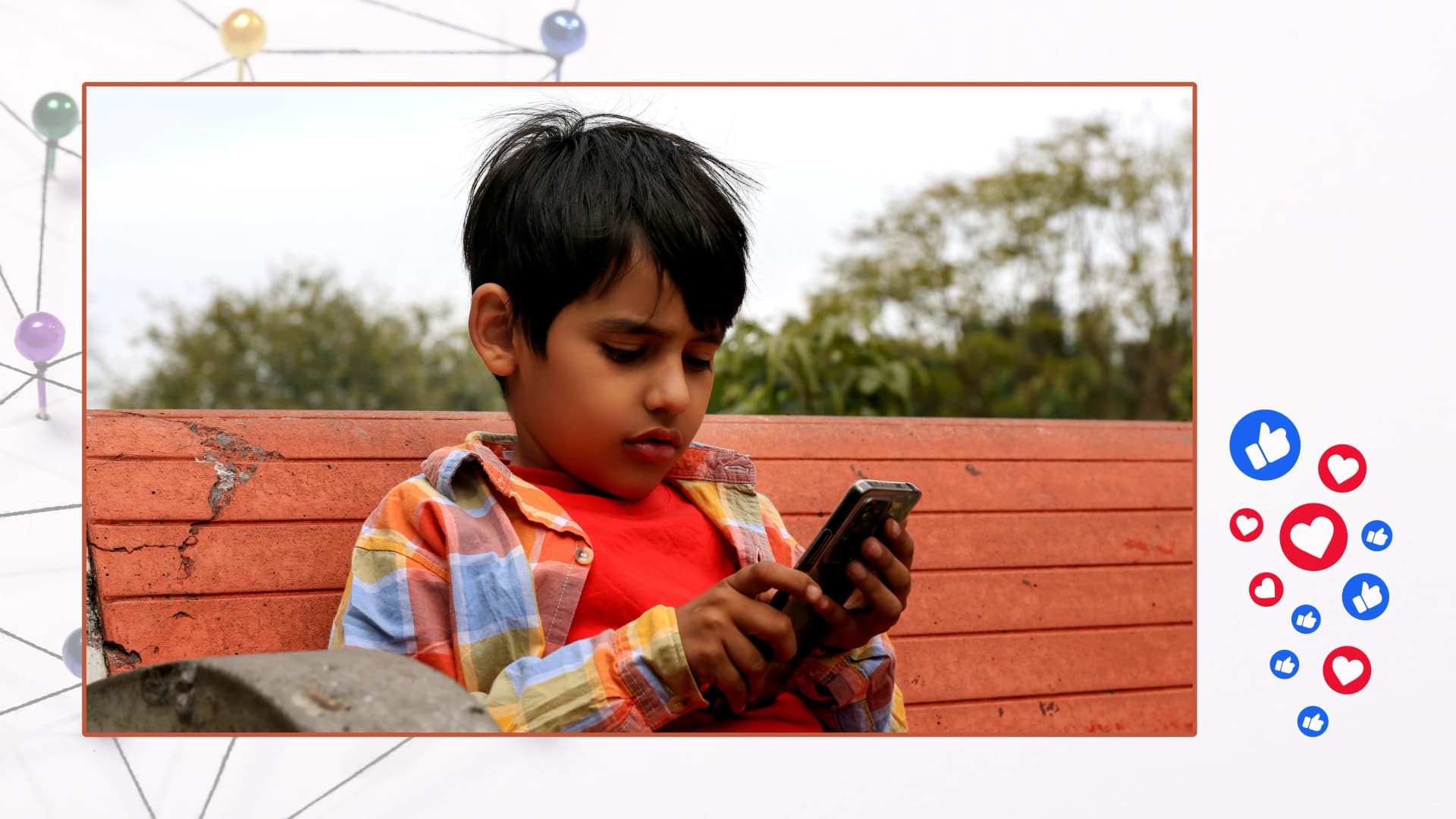
Children are spending more time online, making digital guidance increasingly important.
Admissions Open for 2026-27
We live in an increasingly digital world where rapid technological advancements have made social media a deeply embedded part of everyday life, particularly for adolescents influencing their every decision, relationships and emotions. While social media offers connections and to be creative, it also influences every decision they make, relationships, mental and emotional well-being. For parents, the challenge here is not whether their children are using social media but how much time they spend on it, how safe it is and how much it's affecting their mental wellbeing, academics and daily routines.
Signs and risks parents must be aware of
Adolescence itself is a time of emotional growth, identity development and social acceptance. During this phase, social media plays an important role in shaping how teenagers view themselves and the world around them. Research and mental health experts note that excessive use of social media is often linked to anxiety, depression, low self-esteem, and sleep disorders. Driven by factors like fear of missing out (FOMO), peer pressure and spending hours online, exposing themselves to cyberbullying and unhealthy comparison. Additionally, it will also lead to stress, attention issues, and social isolation. Parents must encourage a balanced usage and open conversations can help protect their mental well-being.
What parents can do to support healthy social media use
Parents have a powerful influence on how teens develop digital habits. Simple, consistent steps can make a meaningful difference:
-
Learn about each app: It's a necessity for parents with small children or teenagers to know about each social media platform or the ones that the children spend most of their time with. By knowing how these platforms work, parents will be best equipped to have informed conversations with their children.
-
Promote conversations: Talk about online courtesy, privacy settings and the necessity of skepticism when consuming online information. Parents must also provide a safe space to talk about feelings and experiences related to social media.
-
Define limits: Create screen-free times during study hours, at the dinner table or before bedtime. Give a specific timeline to use social media and inform what is right to share with others. For example, parents may only allow social media access in shared areas of the home where they can see how a child is using their device.
-
Guidance over parental controls: While most devices or apps have parental control options that can assist in blocking access to inappropriate content, it's very important to have an open communication with your children on how to use these tools.
-
Model good behavior: Children always notice and mirror their parents’ behaviour. Setting examples that model mindful digital habits allows children to limit screen time and also engage in outdoor activities.
When teens feel trusted, they are more likely to self-regulate. However, social media might need closer attention if parents notice withdrawal from family or offline activities, mood changes linked to online interactions, declining interest in school or hobbies and excessive concern about likes, comments, or appearance. Early conversations can help prevent long-term issues.
The growing impact on younger children
While social media is often discussed in the context of teenagers, its influence is increasingly visible in younger children as well. Early exposure to short-form videos, reels and influencer-led content can affect attention spans, emotional regulation and patience during crucial developmental years. Children may struggle with delayed gratification, become easily distracted, or show heightened emotional responses when access to screens is restricted. Popular shows such as the Adolescence web series have further sparked conversations around how early digital exposure shapes behaviour, identity and coping mechanisms, reinforcing the need for age-appropriate boundaries and guided screen use from an early stage.
The other side: When social media is used well
It’s important to recognise that social media is not entirely negative and also it's here to stay with us for a long time. Hence it is necessary to teach our children how to use it responsibly. This helps them to stay connected socially at the same time encourages creativity, expression and exposes them to diverse ideas and perspectives. With awareness, communication and thoughtful boundaries, parents can help teenagers build a healthier relationship with the digital world, one that supports emotional well-being, learning and personal growth rather than overwhelming it. In the digital age, the most effective parenting tool isn’t restriction - it’s awareness and balance.


Admissions Open for 2026-27
Recent Blogs





CBSE Schools In Popular Cities
- CBSE Schools in Bangalore
- CBSE Schools in Mumbai
- CBSE Schools in Pune
- CBSE Schools in Hyderabad
- CBSE Schools in Chennai
- CBSE Schools in Gurgaon
- CBSE Schools in Kolkata
- CBSE Schools in Indore
- CBSE Schools in Sonipat
- CBSE Schools in Delhi
- CBSE Schools in Rohtak
- CBSE Schools in Bhopal
- CBSE Schools in Aurangabad
- CBSE Schools in Jabalpur
- CBSE Schools in Jaipur
- CBSE Schools in Jodhpur
- CBSE Schools in Nagpur
- CBSE Schools in Ahmednagar
- CBSE School In Tumkur

Call Us to know more about Orchids
Swipe Up












Orchids The International School is one of India's leading chains of CBSE and ICSE schools, with 110+ schools across the country.