

Hibiscus: Plant Species, Characteristics, Types, Benefits and Ecological Value
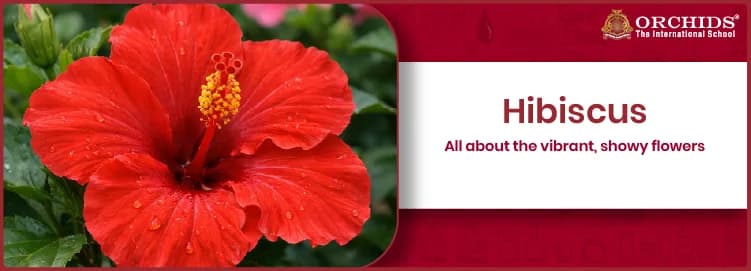
Hibiscus is among the most recognised plants that enhances the beauty of our gardens. It is one of the most sturdy and versatile plants with over 300 different species. They can grow up to nine metres tall in the wild and we can grow them in pots too. Hibiscus plant flowers throughout the year and come in many vibrant colours that can add vibrancy to any space. Along with its ornamental use, hibiscus plants are famous for their medicinal and culinary uses across the world. In this article, we will learn about some interesting facts about hibiscus, its types, health benefits and ecological importance.
Table of Contents
- What is Hibiscus
- Characteristics of Hibiscus
- Types of Hibiscus
- Uses of Hibiscus
- Ecological Significance of Hibiscus
- Frequently Asked Questions about Hibiscus

What is Hibiscus
Hibiscus is a flowering plant that grows large trumpet-shaped flowers. This plant thrives in warm and tropical weather with vibrant blooms which are not only beautiful but have many health benefits. Apart from flowers, hibiscus seeds, stems and leaves are also used in food and herbal medicines.
Characteristics of Hibiscus
A hibiscus is a sturdy plant that grows in tropical, subtropical and warm areas. It has a strong tap root that helps it absorb water and nutrients from the soil. Its strong woody stem supports the branches, flowers, leaves and the entire plant structure. Its trumpet-shaped beautiful flowers have both male and female reproductive structures, petals, sepals and a receptacle that make it a perfect flower. Although this unique structure of hibiscus flower allows it to self-pollinate, this vibrant flower also attracts pollinators that help in cross pollination while providing them with abundant food.
Types of Hibiscus
Hibiscus Rosa-sinensis: It is commonly known as China rose or Chinese hibiscus. It is a tropical hibiscus that blooms in summer and autumn. This hibiscus species grows flowers in pink, orange, peach, yellow, blue and purple.
Hibiscus Syriacus: It is commonly known as Korean rose and is the national flower of
Koria. It is a 5-petal flower with a 3 inch diameter and vibrant colours including red, white, purple, violet, blue and mauve.
Hibiscus Sabdariffa: It is commonly known as roselle, Jamaican sorrel or Florida Cranberry in America. It is famous for its medicinal properties and culinary use in Burmese cuisine.
Hibiscus Cannabinus: Native to America this hibiscus species is known as java jute and Deccan hemp. It is commonly used for making paper and cultivated for fiber in different countries including India, Bangladesh, Malaysia, Indonesia, Vietnam, USA, Thailand and some parts of Africa.
Uses of Hibiscus
Hibiscus plant holds cultural significance and is considered valuable in many human societies for over centuries. There are many other uses of hibiscus plants in our lives from culinary to medicines. Let’s learn them in detail:
- Hibiscus flowers are considered pious and are offered in temples and various rituals.
- Many remedial/herbal teas with different hibiscus flavours are served in different parts of the world to reduce stress and support health.
- Hibiscus seeds are rich in proteins and antioxidants. They are often consumed after meals or used as an alternative to coffee.
- The colourful hibiscus flowers are used for making natural dyes.
- Hibiscus is rich in antioxidants and are used in many herbal medicines to regulate blood pressure, improve digestion and support overall cellular health.
Ecological Significance of Hibiscus
In addition to being a lovely flower, hibiscus also has various environmental advantages. It plays a key role in stabilizing nutrients in soil, pollination, nutrient preservation along with many other benefits. This vibrant hibiscus flower draws bees, butterflies and other insects towards them to support pollination. They are also helpful in cross pollinating the nearby crops and other plants. The hibiscus plants require few resources to grow and in turn enriches the soil by recycling its nutrients. Therefore, they are great ecological contributors that serve our environment in many ways.
Frequently Asked Questions about Hibiscus
1. What are the health benefits of hibiscus tea?
Hibiscus is a rich source of polyphenols and flavonoids that can aid in reducing inflammation and blood pressure to support heart health. Hibiscus tea is highly effective in lowering stress and calming the brain.
2. How much sunlight does a hibiscus need?
Hibiscus plants require at least 6 hours of sunlight per day to blossom properly. They need direct sunlight for their buds and flowers.
3. What is the best way to take hibiscus?
Dried hibiscus buds are consumed in tea, hibiscus powder is used in beverages and hibiscus extracts come as herbal supplements.
4. What is the scientific name of hibiscus?
The scientific name of hibiscus is hibiscus rosa-sinensis.
Understanding the world starts with the environment around us. To see how Orchids The International School brings EVS to life, reach out to our admissions team.


Admissions Open for 2026-27
What type of concept pages would you prefer?
CBSE Schools In Popular Cities
- CBSE Schools in Bangalore
- CBSE Schools in Mumbai
- CBSE Schools in Pune
- CBSE Schools in Hyderabad
- CBSE Schools in Chennai
- CBSE Schools in Gurgaon
- CBSE Schools in Kolkata
- CBSE Schools in Indore
- CBSE Schools in Sonipat
- CBSE Schools in Delhi
- CBSE Schools in Rohtak
- CBSE Schools in Bhopal
- CBSE Schools in Aurangabad
- CBSE Schools in Jabalpur
- CBSE Schools in Jaipur
- CBSE Schools in Jodhpur
- CBSE Schools in Nagpur
- CBSE Schools in Ahmednagar
- CBSE School In Tumkur











Orchids The International School is one of India's leading chains of CBSE and ICSE schools, with 130+ schools across the country.