

International Day of Happiness 2026: How to create a positive learning environment for children at school and home
By Priyadarshini Bhattacharjee |
Date 18-03-2026
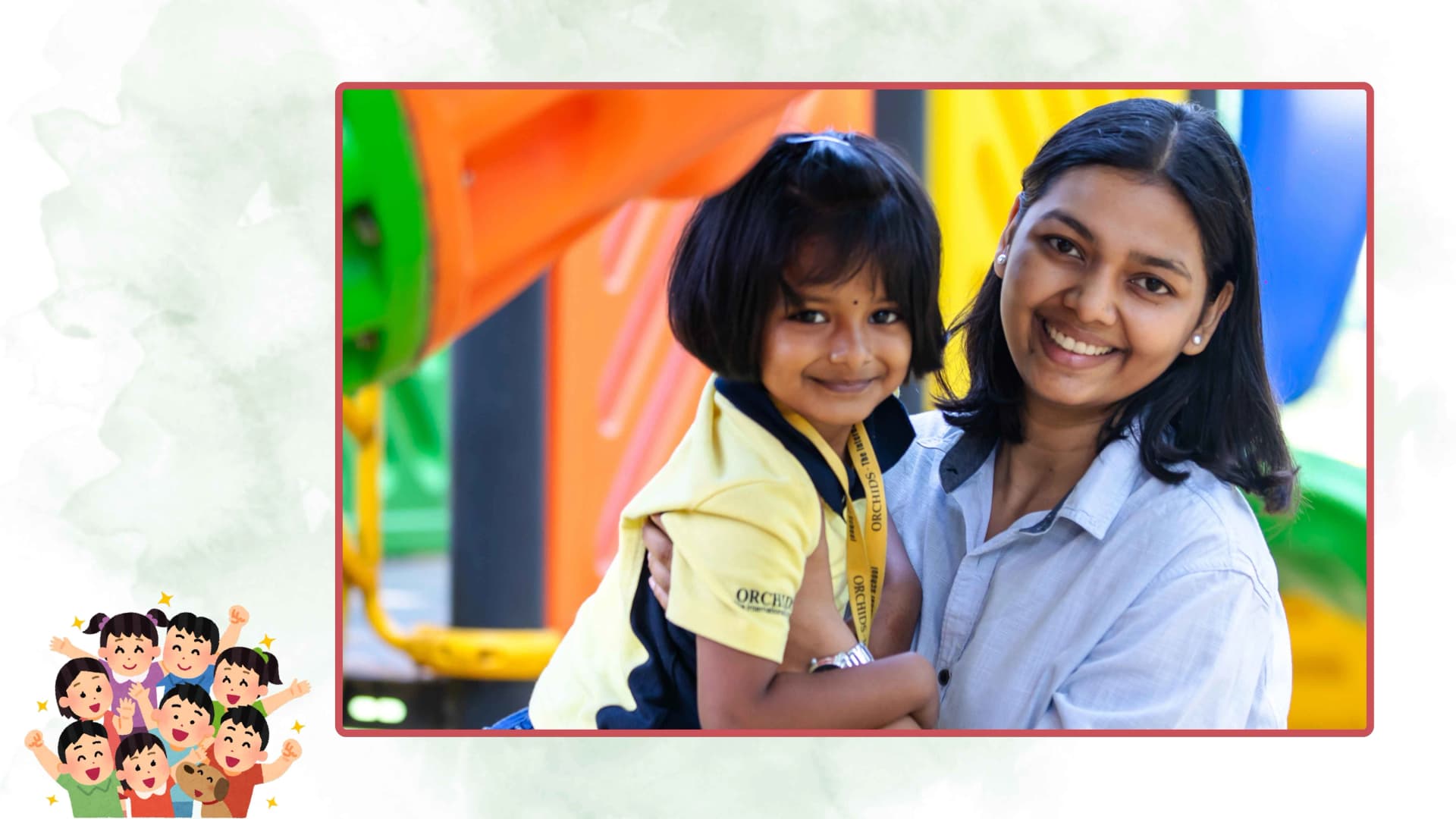
A child’s emotional environment plays a significant role in how effectively they learn
Admissions Open for 2026-27
What makes a child truly thrive in school? It’s not just grades or co-curricular activities. It’s how they feel when they walk into a classroom. On International Day of Happiness 2026, the question that becomes more relevant is: how can teachers and parents work together to create an environment where children feel safe, confident, and genuinely excited to learn?
Why happiness matters in learning
A child’s emotional environment plays a significant role in how effectively they learn. When students feel safe, valued, and understood, they are more likely to participate actively, express themselves freely, and develop a genuine interest in learning. This could be as simple as a teacher encouraging a quiet student to share their thoughts, or a classroom where making mistakes is seen as part of the process, not something to be afraid of.
On the other hand, constant pressure and stress can limit creativity and reduce engagement. Research and modern education frameworks increasingly recognise emotional well-being as a foundation for academic success, making happiness not just desirable, but essential.
How schools can foster happiness in learning
Schools play a key role in shaping how students experience learning every day. Classrooms that prioritise engagement over rote learning tend to create more meaningful experiences. Practices like group discussions, peer learning, project-based activities, and reflective exercises encourage students to actively participate rather than passively absorb information.

Equally important is the role of teachers. When educators build supportive relationships with students, it creates a sense of trust and belonging that directly impacts confidence and participation. Many progressive schools are also integrating well-being practices into their routines through mindfulness activities, creative expression, and giving students space to pause and reflect during the day. Orchids The International School is increasingly focusing on this balance, where structured academics are complemented by emotional well-being, practices, helping students feel more engaged, confident, and supported in their learning journey.
How parents can support a positive learning environment at home
A child’s learning experience doesn’t end at school. The home environment plays an equally important role in shaping their mindset and emotional well-being. Simple, everyday actions can make a big difference:
-
Encourage open conversations without judgement
-
Focus on effort rather than just results
-
Avoid constant comparisons with peers or siblings
-
Ask questions like ‘what did you enjoy today?’, instead of only discussing marks and performance
Maintaining a balanced routine is equally important. Time for rest, play, and creative exploration helps children feel refreshed and more open to learning. When parents stay involved in a supportive way, it builds confidence and fosters a positive attitude towards education.
Also read: Why exam results don’t really define your child’s true potential and future prospects
How to celebrate International Day of Happiness with your child
This day can also be a great opportunity to build positive learning habits in a simple, meaningful way:
-
Ask your child to share one happy moment from school
-
Write down something they’re grateful for
-
Spend time learning something new together (without pressure)
These small moments can go a long way in shaping how children feel about learning.
Building emotionally strong and confident learners
A positive learning environment does more than improve academic performance; it helps build resilience, confidence, and emotional strength. Children who grow up in supportive environments are more likely to take initiative, handle challenges effectively, and develop a lifelong love for learning. These are skills that go far beyond the classroom, preparing them for future opportunities and experiences.
To learn more about how Orchids The International School approaches student well-being and holistic learning, explore its curriculum and admissions process.


Admissions Open for 2026-27
Recent Blogs




CBSE Schools In Popular Cities
- CBSE Schools in Bangalore
- CBSE Schools in Mumbai
- CBSE Schools in Pune
- CBSE Schools in Hyderabad
- CBSE Schools in Chennai
- CBSE Schools in Gurgaon
- CBSE Schools in Kolkata
- CBSE Schools in Indore
- CBSE Schools in Sonipat
- CBSE Schools in Delhi
- CBSE Schools in Rohtak
- CBSE Schools in Bhopal
- CBSE Schools in Aurangabad
- CBSE Schools in Jabalpur
- CBSE Schools in Jaipur
- CBSE Schools in Jodhpur
- CBSE Schools in Nagpur
- CBSE Schools in Ahmednagar
- CBSE School In Tumkur

Call Us to know more about Orchids











Orchids The International School is one of India's leading chains of CBSE and ICSE schools, with 110+ schools across the country.