

Nursery admission Q&A: A complete guide to prepare your child at home
By Orchids Editorial Team |
Date 22-01-2026
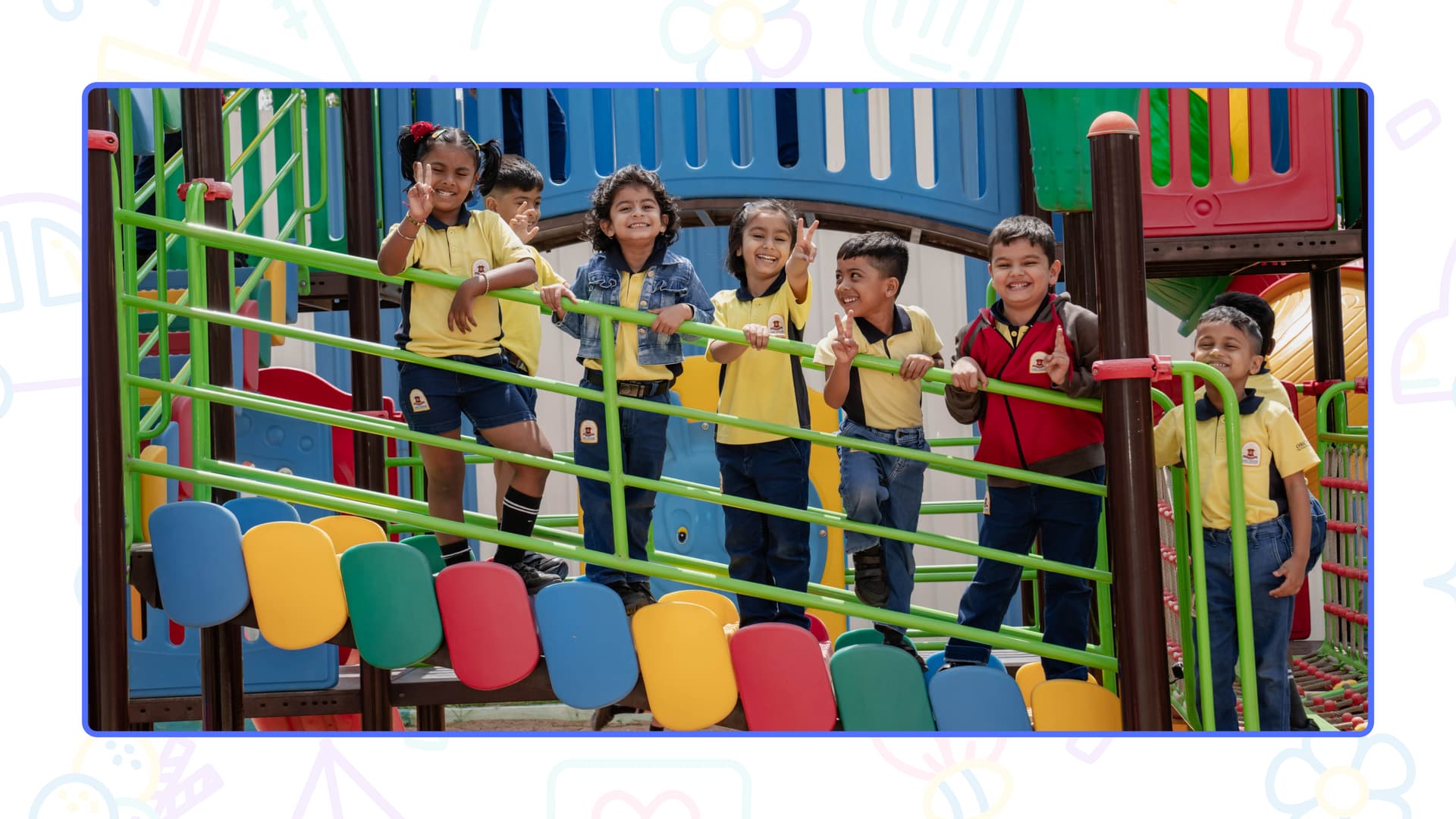
A welcoming nursery environment helps children feel comfortable, confident, and ready for their first school experience.
Admissions Open for 2026-27
Nursery admission interactions are often a child’s first experience in a structured learning environment. While the process may appear formal, schools use it to understand a child’s comfort level, communication skills, emotional readiness, and daily habits. With thoughtful preparation at home, parents can help children approach this experience with confidence and ease.
Before you begin: When and how to start preparing
Preparation for nursery admissions does not require months of practice or formal training. Most children benefit from gentle, everyday exposure to conversation, routines, and social interaction a few weeks in advance. The focus should be on familiarity rather than performance. Short, consistent interactions at home such as storytelling, play-based conversations, and following simple instructions are far more effective than structured practice sessions.
Common nursery admission questions for children
Schools typically ask simple, age-appropriate questions to understand how comfortably a child communicates and responds in a new setting. These may include:
-
What is your name and how old are you?
-
Can you name your favourite colour, animal, or toy?
-
Do you enjoy listening to stories or rhymes?

-
Can you identify familiar objects such as fruits, animals, or shapes?
-
Can you follow a simple instruction or greeting?
These questions are not meant to test knowledge but to observe speech clarity, confidence, attention span, and responsiveness.
How to prepare your child at home
Engage your child in everyday conversations during play, meals, or storytime. Encourage them to answer in their own words without prompting or correction. Reading picture books, singing rhymes, and practising simple greetings in a relaxed setting help children express themselves naturally.
Common nursery admission questions for parents
Parents are usually asked questions that help schools understand the child’s routine, home environment, and emotional support system. These may include:
-
What is your child’s daily routine at home?
-
How does your child interact with other children?
-
How do you manage screen time and playtime?
-
How does your child respond to new environments or instructions?
-
How do you encourage independence at home?
These questions allow schools to assess alignment between home and school expectations.
How parents can prepare
Be honest and specific while responding. Sharing realistic routines and experiences gives schools a clearer understanding of the child. There is no need to present an idealised version of parenting—authenticity is valued more than perfection.
What schools observe beyond the questions
While questions provide insight, educators also observe a child’s behaviour throughout the interaction. This includes comfort with unfamiliar adults, ability to separate briefly from parents, curiosity, body language, and willingness to engage. These cues help schools assess emotional readiness rather than academic ability.
Preparation checklist
Gradually expose children to new social settings such as playdates or short group activities. Encouraging brief independent play helps build confidence in unfamiliar environments. A simple preparation checklist for parents:
-
Encourage daily conversations and storytelling
-
Practise polite greetings and listening skills
-
Build predictable routines at home
-
Allow children to make small independent choices
-
Speak positively about school and teachers
-
Avoid rehearsing answers or comparing children
What parents should avoid during nursery preparation
While preparation is important, certain approaches can create unnecessary pressure for children. Parents are advised to avoid repeatedly rehearsing answers, correcting children mid-sentence, or comparing them with peers. Academic drilling is also unnecessary at this stage, as nursery admissions do not assess reading, writing, or numerical ability. Creating a relaxed and positive environment helps children respond more naturally and confidently.
Reassuring note for parents
Every child develops at their own pace, and nursery admissions are not a measure of future success. Schools look for readiness, comfort, and curiosity—not memorised answers. When preparation is rooted in routine, encouragement, and reassurance, children are more likely to experience their first step into school with confidence.


Admissions Open for 2026-27
Recent Blogs





CBSE Schools In Popular Cities
- CBSE Schools in Bangalore
- CBSE Schools in Mumbai
- CBSE Schools in Pune
- CBSE Schools in Hyderabad
- CBSE Schools in Chennai
- CBSE Schools in Gurgaon
- CBSE Schools in Kolkata
- CBSE Schools in Indore
- CBSE Schools in Sonipat
- CBSE Schools in Delhi
- CBSE Schools in Rohtak
- CBSE Schools in Bhopal
- CBSE Schools in Aurangabad
- CBSE Schools in Jabalpur
- CBSE Schools in Jaipur
- CBSE Schools in Jodhpur
- CBSE Schools in Nagpur
- CBSE Schools in Ahmednagar
- CBSE School In Tumkur

Call Us to know more about Orchids











Orchids The International School is one of India's leading chains of CBSE and ICSE schools, with 130+ schools across the country.