

100+ rhyming words for kids: Fun, easy ways to build vocabulary and phonics
By Orchids Editorial Team |
Date 30-03-2026
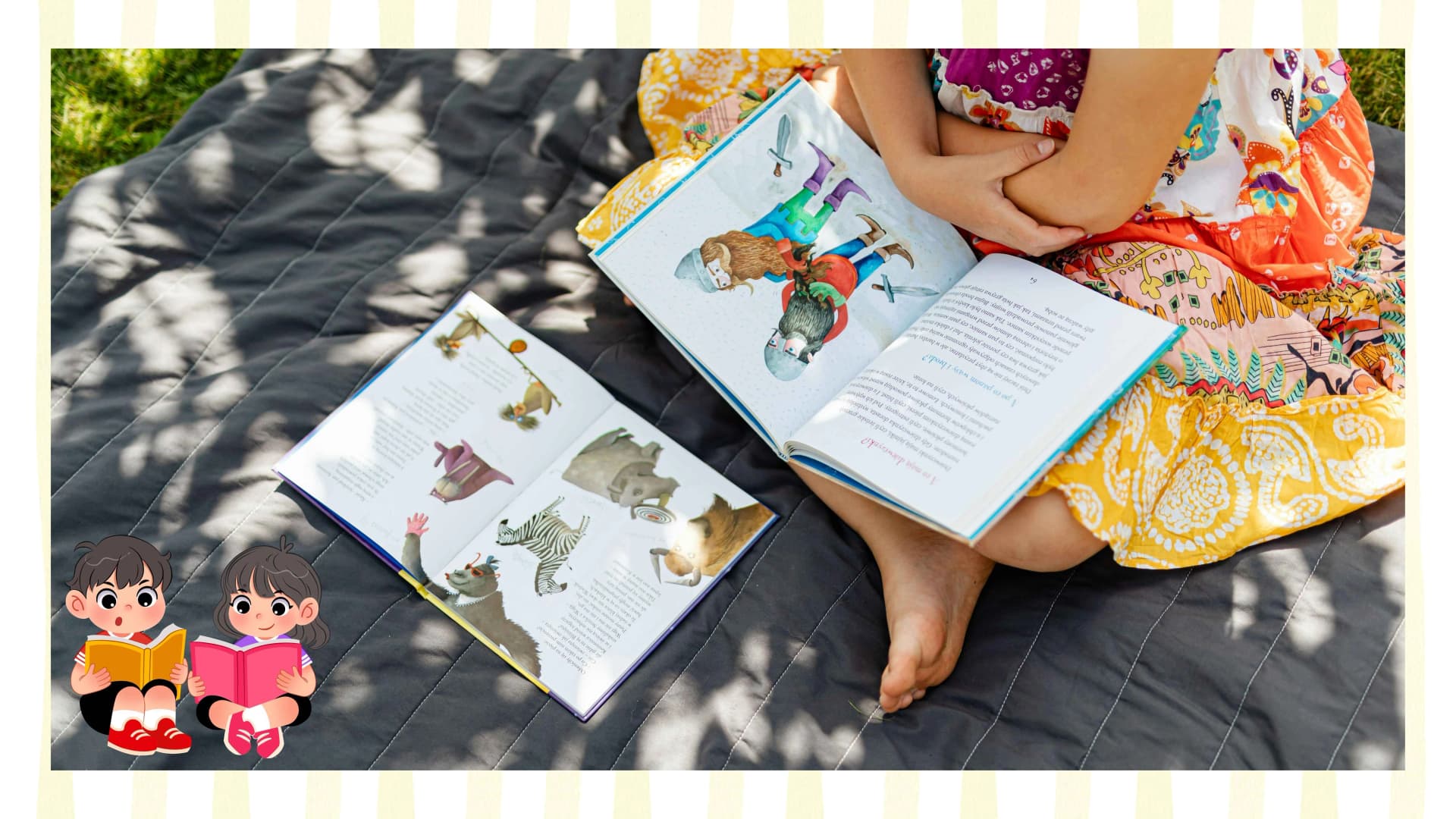
Help build your child's vocabulary with these fun and easy rhyming words
Admissions Open for 2026-27
Ever noticed how kids light up when words start to sound the same? Cat, hat, bat. Suddenly, language feels like a game. That is the magic of rhyming words. For children, rhymes are often their first step into understanding how language works. They begin to hear patterns, predict sounds, and play with words. These are essential building blocks for phonics and early reading. In this blog, you will find 100+ rhyming words, simple explanations, and fun ways to help your child learn without it ever feeling like a lesson.
What are rhyming words?
Rhyming words are words that have the same ending sound but different meanings. They are often used in poems, songs, and stories because they make language fun, catchy, and easy to remember. Here is a simple example:
Rhyming words are fun to say,
They make us smile and play all day.
Did you notice how ‘say’ and ‘day’ sound similar at the end? That matching ending sound is what makes them rhyming words. Let’s look at another example:
The cat sat on a sunny mat,
The hat fell down with a gentle pat.
Words like ‘cat’, ‘sat’, ‘mat’, ‘hat’, and ‘pat’ all have the same ending sound, so they rhyme with each other.
Easy rhyming words kids can learn first
Start with simple and familiar words so children can quickly spot patterns and build confidence.
Once children are comfortable, you can introduce slightly more varied and longer rhyming patterns:

A quick rhyme to bring it to life:
The dog sat on a log so high,
Watching birds fly in the sky.
3-letter rhyming words for early learners
These simple, three-letter words are perfect for beginners who are just starting to recognise sounds and build phonics skills.
Grouping words this way helps children notice patterns and learn faster. Try this:
The bug sat on a jug,
Then hopped onto a mug.
4-letter rhyming words to build stronger skills
As children grow more confident, longer words help them identify sound patterns better and expand their vocabulary.
Encourage children to read these aloud. Hearing the similar ending sounds helps them understand rhymes more naturally. Another one:
We took a book to have a look,
Then sat and read in a quiet nook.
Rhyming words with different spellings
Some rhyming words may look very different, but they still sound the same when spoken. This helps children understand that rhyming is about sound, not spelling. Look at these examples:
Even though these words are spelt differently, their ending sounds match, which makes them rhyme. Example:
He wrote a note by the shore,
Then walked through the open door.
Learn rhyming faster with word families
Word families help children recognise patterns in words. Once they learn one word, they can easily read and understand many similar words. This builds confidence and makes learning to rhyme much faster.
-
-at family: Bat, Cat, Mat, Rat, Sat, Fat, Hat, Pat, Chat
-
-ap family: Gap, Cap, Map, Lap, Tap, Nap, Sap, Clap
-
-en family: Ten, Men, Pen, Hen, Den, Yen, Ken, Then
-
-et family: Set, Wet, Net, Bet, Vet, Get, Met, Pet, Let
-
-in family: Bin, Pin, Sin, Tin, Win, Fin, Gin, Chin
Why rhyming words matter in early learning
Rhyming is not just fun. It plays a key role in a child’s language development and early literacy skills. Through rhymes, children begin to:
-
Learn new words more easily
-
Recognise sound patterns and build phonics awareness
-
Improve their reading and speaking skills
-
Strengthen memory and listening abilities
Most importantly, rhymes make learning enjoyable. When children have fun, they stay more engaged, participate actively, and develop a natural interest in language.
Practice rhyming words with simple worksheets
Regular practice helps children become more confident with rhyming words. Worksheets are an enjoyable and effective way to reinforce what they learn, both at home and in the classroom. They are especially helpful for:
-
Preschool children just beginning their language journey
-
Early primary learners building foundational skills
-
Parents and teachers looking for structured practice
You can get started with these simple worksheets:
How to make rhyming fun for young learners
Children learn best when they are actively involved. Use storytelling, games, songs, and playful challenges to make rhyming exciting. The more interactive the experience, the easier it is for children to understand and remember. Simple activities like singing rhymes together, completing lines, or finding matching words can turn learning into a fun daily habit.
At Orchids The International School, phonics and rhymes are introduced through activity-based learning. This helps children build confidence in communication from an early age while enjoying the process.
You can also explore:
What children gain from learning rhymes
With regular exposure to rhymes, children begin to:
-
Recognise language patterns
-
Build a stronger vocabulary
-
Express themselves more clearly
-
Develop an interest in reading
Over time, rhymes turn learning into something children genuinely enjoy.
Building a strong foundation for language learning
Rhyming words are one of the simplest yet most powerful tools in early learning. They help children understand sounds, improve communication, and build confidence in reading. With the right balance of practice and play, children can develop a lifelong love for language.
Frequently Asked Questions
-
What are some examples of rhyming words?
Some common examples include:
-
Men, Pen, Hen, Den
-
Cake, Make, Lake
-
Net, Pet, Set
-
How do rhyming words help children?
Rhyming words help children build phonics awareness, improve listening skills, and expand their vocabulary. They also make learning more engaging and enjoyable.
-
How can I teach rhyming words to my child?
Start by reading rhymes aloud so your child can hear the sound patterns. Then, introduce simple word families and encourage them to identify or create their own rhyming words through games and activities.
-
What are some words that end with ‘an’?
Examples include ‘pan’, ‘man’, ‘fan’, ‘can’, and ‘van’.
Explore how Orchids The International School combines phonics, storytelling, and interactive learning to help children build strong language skills and confidence. Connect with our admissions team to learn more.


Admissions Open for 2026-27
Recent Blogs



CBSE Schools In Popular Cities
- CBSE Schools in Bangalore
- CBSE Schools in Mumbai
- CBSE Schools in Pune
- CBSE Schools in Hyderabad
- CBSE Schools in Chennai
- CBSE Schools in Gurgaon
- CBSE Schools in Kolkata
- CBSE Schools in Indore
- CBSE Schools in Sonipat
- CBSE Schools in Delhi
- CBSE Schools in Rohtak
- CBSE Schools in Bhopal
- CBSE Schools in Aurangabad
- CBSE Schools in Jabalpur
- CBSE Schools in Jaipur
- CBSE Schools in Jodhpur
- CBSE Schools in Nagpur
- CBSE Schools in Ahmednagar
- CBSE School In Tumkur

Call Us to know more about Orchids











Orchids The International School is one of India's leading chains of CBSE and ICSE schools, with 110+ schools across the country.