

Age criteria for Class 1 admission: What parents need to know about the 2026–27 academic year
By Orchids Editorial Team |
Date 31-01-2026
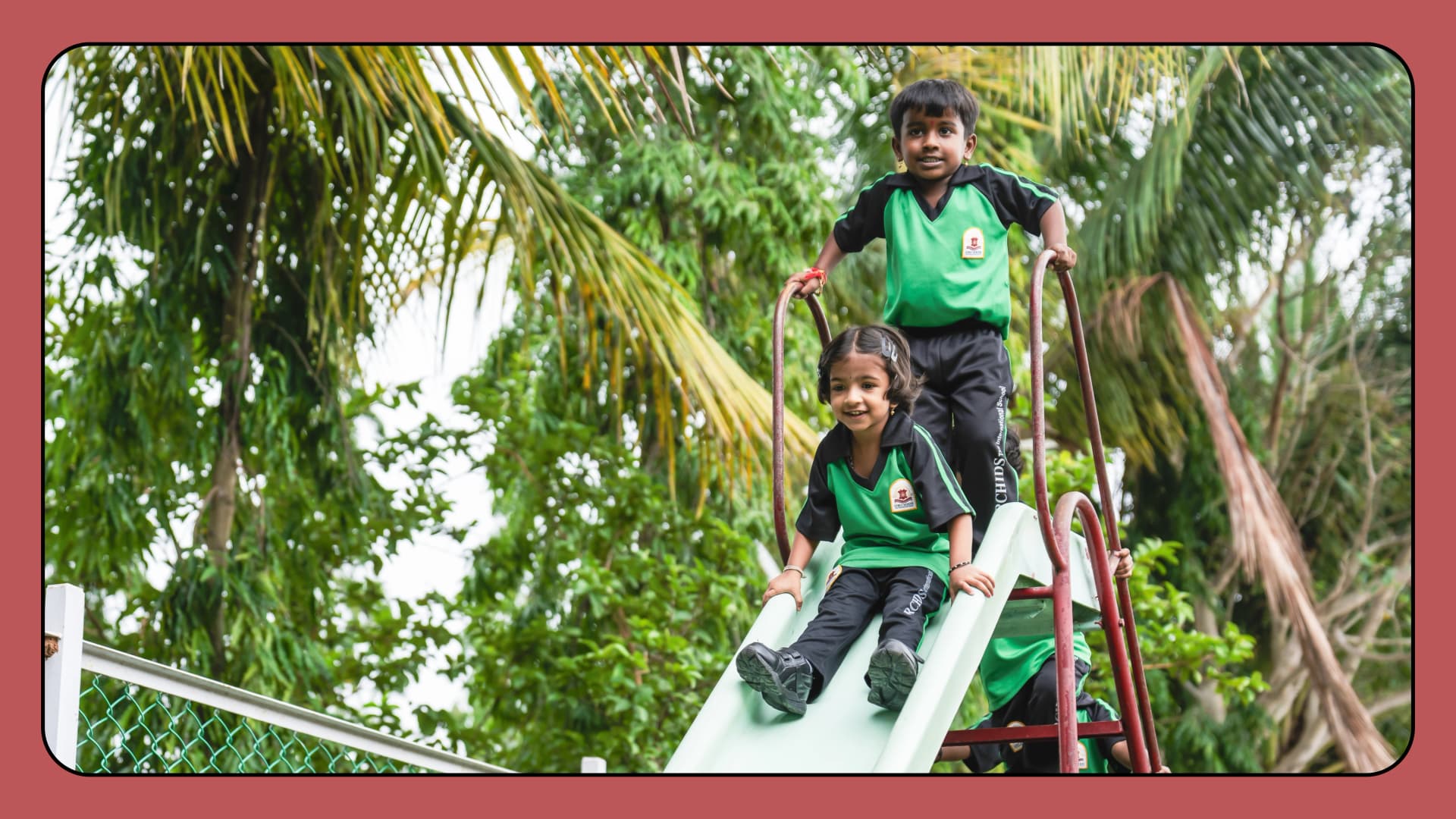
Preparing children for class 1 through age-appropriate play and everyday learning experiences.
Admissions Open for 2026-27
The transition to Class 1 marks an important milestone in a child’s schooling journey. It is often the first step into structured academic learning, formal routines, and increased social interaction. With changes in admission norms taking effect from the 2026–27 academic year, understanding the age criteria for Class 1 admission has become essential for parents planning their child’s school entry.
This guide explains the updated age requirements, why they matter, and how parents can prepare confidently for the admission process.
Understanding the age criteria for Class 1
From the 2026–27 academic year onwards, many education boards and state authorities are implementing a minimum age requirement of 6 years for admission into Class 1. This shift aligns school entry norms with national education reforms and aims to ensure that children enter primary school at an age that supports their overall development.
While the minimum age is broadly defined as 6 years, cut-off dates may vary depending on the state, education board, or school policy. Some schools consider age as of March 31, while others may use June 1 or a similar date within the academic year. Parents are encouraged to verify the applicable cut-off followed by their chosen school.

Why the age of admission matters
The emphasis on age-appropriate entry into Class 1 is rooted in a child’s developmental readiness rather than academic ability alone.
-
Developmental readiness: Around the age of six, children typically demonstrate improved attention span, emotional regulation, and the ability to follow instructions in a group setting. These skills are crucial for adapting to classroom routines and learning expectations.
-
Smooth academic transition: Entering Class 1 at the recommended age helps children transition more comfortably from play-based learning to formal academics, reducing early stress or learning gaps.
-
Social and emotional confidence: Being age-aligned with peers supports positive social interactions, collaboration, and self-confidence, which are essential for a child’s school experience.
How kindergarten prepares children for Class 1
Early childhood education plays a vital role in bridging the gap between home learning and primary school. Nursery, LKG, and UKG focus on building foundational skills that prepare children for Class 1, such as:
-
Language development and basic communication
-
Early numeracy and logical thinking
-
Fine motor skills through writing and craft activities
-
Social skills like sharing, listening, and cooperation
-
Familiarity with routines and structured activities
Completing these stages before entering Class 1 ensures children are academically and emotionally prepared for the next step.
What parents should check before applying
To avoid confusion during the admission process, parents can take a few simple steps well in advance:
-
Check whether the child will complete 6 years of age by the school’s cut-off date for the 2026–27 academic year.
-
Each school publishes detailed admission criteria, including age requirements and documentation, which should be reviewed carefully.
-
Commonly required documents include the child’s birth certificate, address proof, and previous school records, if applicable.
-
If a child does not meet the age requirement for Class 1, schools may recommend placement in a pre-primary level to support continued learning until eligibility is met.
What if a child does not meet the age criteria?
If a child turns six after the cut-off date, admission to Class 1 may be deferred to the following academic year. In such cases, schools often suggest continuing in a pre-primary class to strengthen foundational skills. This approach helps children enter Class 1 with confidence and readiness rather than feeling rushed into formal academics.
The 2026–27 academic year represents a shift towards more structured and age-appropriate entry into primary education. By understanding the Class 1 age criteria, parents can plan admissions thoughtfully, avoid last-minute uncertainty, and support a smoother transition into formal schooling.


Admissions Open for 2026-27
Recent Blogs



CBSE Schools In Popular Cities
- CBSE Schools in Bangalore
- CBSE Schools in Mumbai
- CBSE Schools in Pune
- CBSE Schools in Hyderabad
- CBSE Schools in Chennai
- CBSE Schools in Gurgaon
- CBSE Schools in Kolkata
- CBSE Schools in Indore
- CBSE Schools in Sonipat
- CBSE Schools in Delhi
- CBSE Schools in Rohtak
- CBSE Schools in Bhopal
- CBSE Schools in Aurangabad
- CBSE Schools in Jabalpur
- CBSE Schools in Jaipur
- CBSE Schools in Jodhpur
- CBSE Schools in Nagpur
- CBSE Schools in Ahmednagar
- CBSE School In Tumkur
Call Us to know more about Orchids











Orchids The International School is one of India's leading chains of CBSE and ICSE schools, with 110+ schools across the country.