

List of 50+ Omnivorous Animals Names with Pictures and Fun Facts
We come across many animals in our daily life. Some animals eat other animals, while some eat only plants. However, there are also animals that eat both plants and animals. These are called omnivorous animals. Omnivorous animals eats both plant and animal. In this guide, you will learn about omnivorous animals, their names, and their characteristics.
Table of Contents
- What are Omnivorous Animals?
- More About Common Omnivorous Animals with Pictures
- List of 50+ Omnivorous Animal Names
- Interesting Facts about Omnivorous Animal
- Frequently Asked Questions on Omnivorous Animals

What are Omnivorous Animals?
Omnivorous animals are those that eat both plants and animals. The word omnivorous comes from two Latin roots: 'omni', meaning 'all', and 'vore', meaning 'eating' so together it describes animals that consume a wide variety of food from both plant and animal sources. Omnivores are found in nearly every habitat on Earth from dense rainforests and open grasslands to oceans and urban neighbourhoods. Their flexible diets give them a huge survival advantage: when one food source is unavailable, they can simply switch to another. This adaptability has made omnivores some of the most successful and widespread animals on the planet.
More About Common Omnivorous Animals with Pictures
Learning more about common omnivorous animals will help you understand animal food habits and improve your science and English knowledge.
Ant
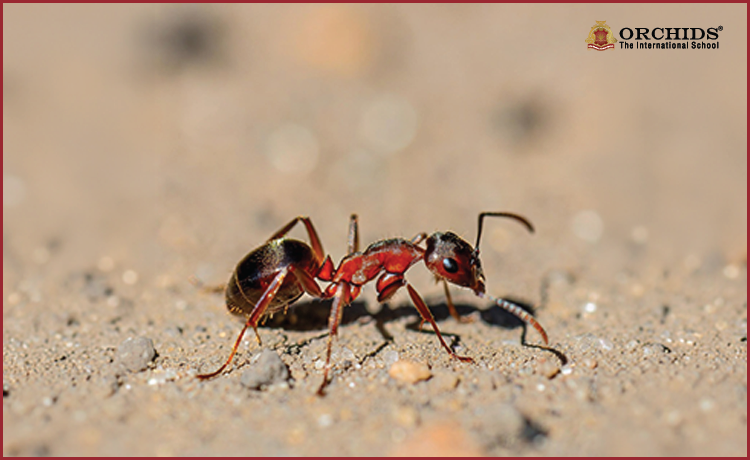
Ants are small but highly organised insects belonging to the family Formicidae. They are found on every continent except Antarctica and live in structured colonies that can range from a few dozen to millions of individuals. Ants consume seeds, food grains, fungi, nectar, and tiny insects. Some species, like leafcutter ants, even farm their own fungus as a food source. Their ability to adapt their diet to their environment makes them highly successful omnivores. A group of ants is most commonly called a colony.
Bear
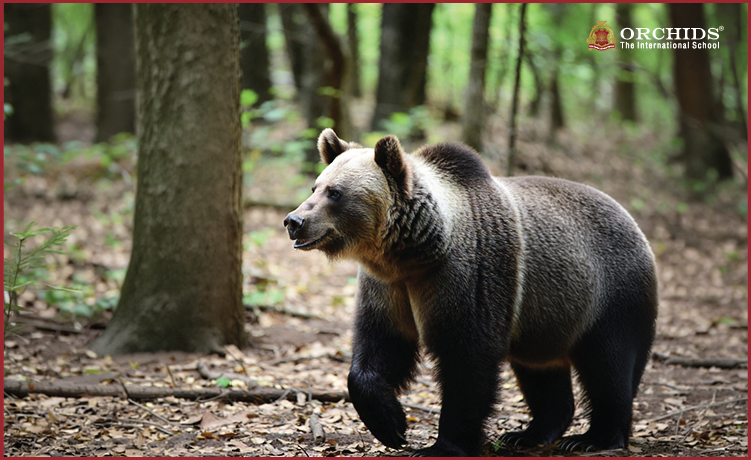
Bears are large, powerful mammals that eat a wide variety of foods like fruits, honey, fish, berries, and small animals. There are eight species of bears in the world, including the brown bear, black bear, polar bear, and giant panda. Most bears are true omnivores as they eat fruits, honey, fish, berries, nuts, roots, and small animals. Grizzly bears are especially well-known for catching salmon during upstream migrations. Many bear species store large fat reserves and hibernate during winter months to survive periods of food scarcity.
Dog

Dogs are one of the world's oldest domesticated animals, having been companions to humans for over 15,000 years. Although their wolf ancestors were carnivores, domestic dogs have evolved alongside humans and adapted to an omnivorous diet. They eat both meat and plant-based foods including vegetables, grains, and fruits. Dogs have a remarkable sense of smell more acute than humans which they use to locate food. The collective nouns for dogs are pack, kennel, litter, or mute.
Fish
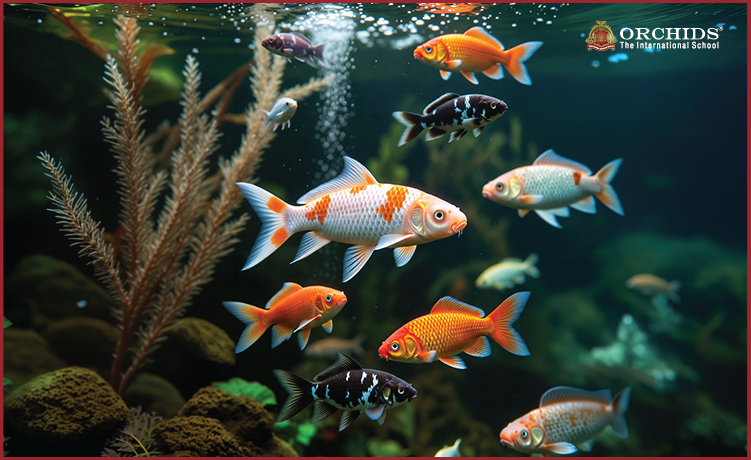
Many species of fish are omnivorous aquatic animals. Their diet typically includes algae, aquatic plants, plankton, insects, worms, and smaller fish. Common omnivorous fish include carp, catfish, tilapia, and piranha. The flexibility of their diet allows them to survive in a wide range of aquatic environments, from freshwater rivers and lakes to coastal marine waters. Their feeding habits also play an important role in nutrient cycling within aquatic ecosystems.
Human Beings

Humans (Homo sapiens) are omnivorous mammals whose diets may include fruits, vegetables, grains, legumes, meat, eggs, and dairy products. The discovery of fire and the development of cooking are believed to have significantly expanded the range of foods humans could eat. While most humans are omnivores by nature, dietary choices can vary widely based on culture, religion, and personal preference.
Crow
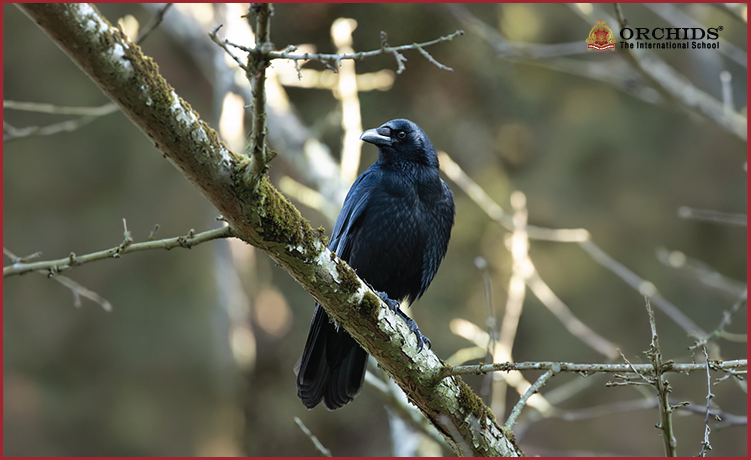
Crows are among the most intelligent birds on the planet. They have been observed using tools, solving complex puzzles, and even recognising human faces. Crows eat grains, fruits, insects, earthworms, small animals, eggs, and carrion. They are also known scavengers, frequently raiding bins and leftover human food. Their remarkable cognitive abilities help them adapt their foraging strategies to many environments. The collective nouns for crows are murder, flock, mob, and horde.
-
Rat
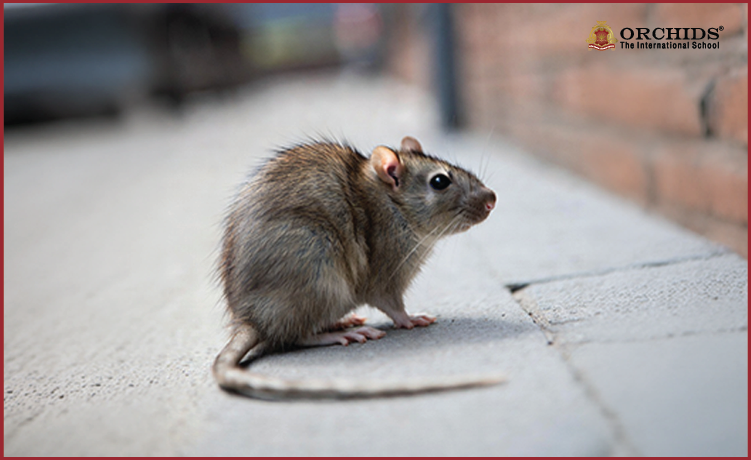
Rats, particularly the brown rat (Rattus norvegicus) and black rat (Rattus rattus), are highly adaptable small mammals found on every continent except Antarctica. They eat grains, fruits, vegetables, insects, eggs, and occasionally small animals. Rats are highly social animals and live in groups called mischief. Their ability to eat almost anything and reproduce quickly has made them one of the most widespread and opportunistic species in the world
-
Fox
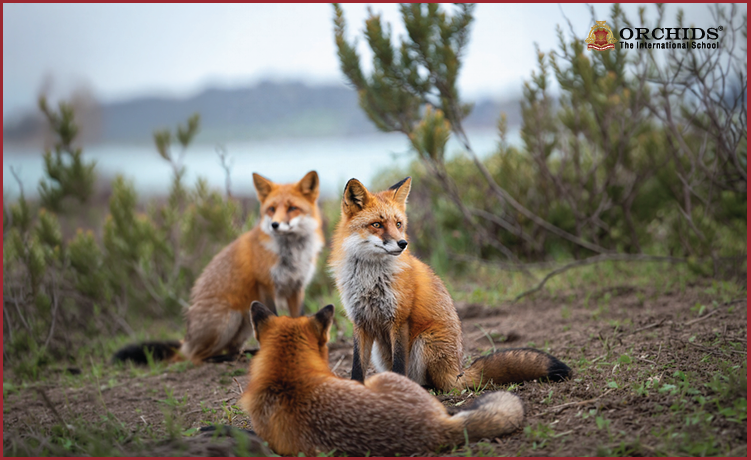
Foxes are cunning, medium-sized wild animals of the Canidae family. The red fox (Vulpes vulpes) is the most widespread and well-known species. Foxes are opportunistic omnivores, their diet includes fruits, berries, earthworms, insects, birds, small mammals, and carrion. They have excellent hearing and can detect the sound of small animals underground. Foxes are largely solitary and mostly nocturnal, adapting their diet based on the season and environment.
List of 50+ Omnivorous Animal Names
-
Aardvark
-
Ant
-
Baboon
-
Badger
-
Bear
-
Bee
-
Bearded Dragon
-
Box Turtle
-
Capybara
-
Cat
-
Catfish
-
Chicken
-
Chimpanzee
-
Chipmunk
-
Cockroach
-
Crow
-
Coyote
-
Dog
-
Duck
-
Earthworm
-
Emu
-
Fish
-
Flamingo
-
Fox
-
Gibbon
-
Gorilla
-
Grizzly Bear
-
Hedgehog
-
Hippopotamus
-
Human Beings
-
Hummingbird
-
Monkey
-
Mouse
-
Opossum
-
Ostrich
-
Pig
-
Pigeon
-
Raccoon
-
Rat
-
Red Panda
-
Robin
-
Seagull
-
Skunk
-
Sparrow
-
Squirrel
-
Swan
-
Turtle
-
Wasp
-
Wild Boar
-
Woodpecker
Interesting Facts about Omnivorous Animal
- Humans are one of the most studied omnivorous animal names in science as our mixed diet is believed to be a key reason our brains grew so large over evolution.
- Bears can eat up to 20,000 calories a day before hibernation, switching between berries, fish, honey, and insects based on what is available.
- Crows are so intelligent they remember human faces and will avoid people who have threatened them and still keep eating from a wide omnivorous diet.
- The word ‘omnivore’ comes from Latin: omni (all) + vorare (to devour)
- Pigs share 84% of their DNA with humans and, like us, will eat almost anything making them one of the classic examples of omnivorous mammals.
- Raccoons feel their food with their paws before eating their front feet have nearly as many touch receptors as human hands, helping them find both plant and animal food in the dark.
- Flamingos get their pink colour from their omnivorous diet the carotenoid pigments in the algae and shrimp they eat turn their feathers pink over time.
- Squirrels forget up to 25% of the nuts they bury which accidentally plants thousands of trees every year, showing how omnivores shape entire ecosystems.
- Cockroaches have survived on Earth for over 300 million years, longer than dinosaurs largely because their omnivorous diet means they can eat almost anything, including paper and glue.
- Chimpanzees, one of the most well-known omnivorous animal names in science share 98.7% of their DNA with humans and even hunt cooperatively in groups to catch smaller monkeys.
Related Topics
Frequently Asked Questions on Omnivorous Animals
1. What are omnivorous animals?
Omnivorous animals are animals that eat both plants and animal-based foods. Their mixed diet helps them survive in different environments.
2. Are human beings omnivorous animals?
Yes, human beings are omnivorous animals because they can eat both plants (fruits, vegetables, grains) and animal products (meat, eggs, milk).
3. What omnivores live in the ocean?
Some ocean omnivores include certain fish species, crabs, lobsters, and sea turtles, as they eat both plant material (like algae) and small animals.
Strong language skills open doors well beyond the classroom, shaping how confidently a child reads, writes and expresses ideas. If you want to know more about how Orchids The International School builds these skills through its English curriculum, get in touch with our admissions team.


Admissions Open for 2026-27
What type of concept pages would you prefer?
CBSE Schools In Popular Cities
- CBSE Schools in Bangalore
- CBSE Schools in Mumbai
- CBSE Schools in Pune
- CBSE Schools in Hyderabad
- CBSE Schools in Chennai
- CBSE Schools in Gurgaon
- CBSE Schools in Kolkata
- CBSE Schools in Indore
- CBSE Schools in Sonipat
- CBSE Schools in Delhi
- CBSE Schools in Rohtak
- CBSE Schools in Bhopal
- CBSE Schools in Aurangabad
- CBSE Schools in Jabalpur
- CBSE Schools in Jaipur
- CBSE Schools in Jodhpur
- CBSE Schools in Nagpur
- CBSE Schools in Ahmednagar
- CBSE School In Tumkur











Orchids The International School is one of India's leading chains of CBSE and ICSE schools, with 130+ schools across the country.