

Where do animals live? 20+ animal homes every child should know
By Orchids Editorial Team |
Date 29-11-2024
Fun facts for kids about animals and their homes
Admissions Open for 2026-27
Think about coming home after a long, tiring day. You kick off your shoes, find your cosy spot, and finally relax. Feels great, right? Animals feel the same way. Every animal has a special place to call home. Some dig tunnels underground, some build nests in trees, and others live deep under the sea.
But what are these homes called, and how do animals build or find them? Let’s explore.
Wild vs domestic animals: Where do they live?
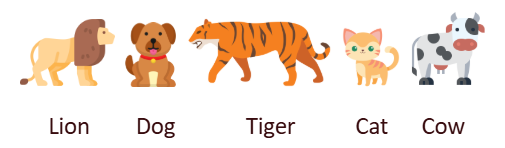
Before we explore animal homes, it helps to understand two main types of animals.
Domestic animals live with humans. We take care of them, feed them, and give them shelter. In return, they help us in many ways. For example, cows give milk, chickens lay eggs, and dogs offer companionship.
Wild animals live independently in nature. They find their own food, build or find shelter, and survive on their own. Lions, tigers, and deer are all examples of wild animals.
Where animals live depends a lot on which group they belong to.
What is an animal’s home called?
An animal’s home is called its habitat. A habitat is the natural environment where an animal lives and finds everything it needs: food, water, shelter, and space.
Some animals build their own homes, like birds making nests. Others use natural spaces, like bears living in caves. Domestic animals often rely on humans to create safe shelters for them.
Habitat vs shelter: What’s the difference?
This is a common confusion, but it’s easy to understand.
A habitat is the entire environment where an animal lives. A shelter is the specific place within that habitat where the animal rests or stays safe.
Think of it this way: the habitat is the neighbourhood, and the shelter is the home.
Common animals and their homes
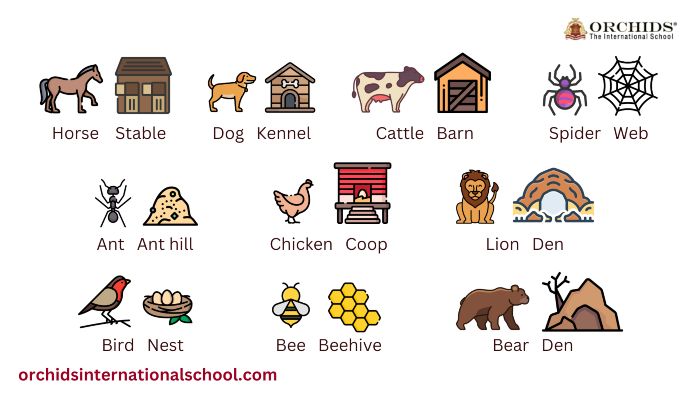
Let’s learn some common animals and the names of their homes. This helps children build both vocabulary and basic science understanding.
Land animals

Water animals
Birds
Small animals and insects
Domestic and farm animals
Amazing animal architects: How animals build their homes
Every animal has its own way of making a home. Some build carefully, while others find or adapt spaces around them. Let’s explore how a few animals create safe and comfortable places to live.
Bees and their beehive
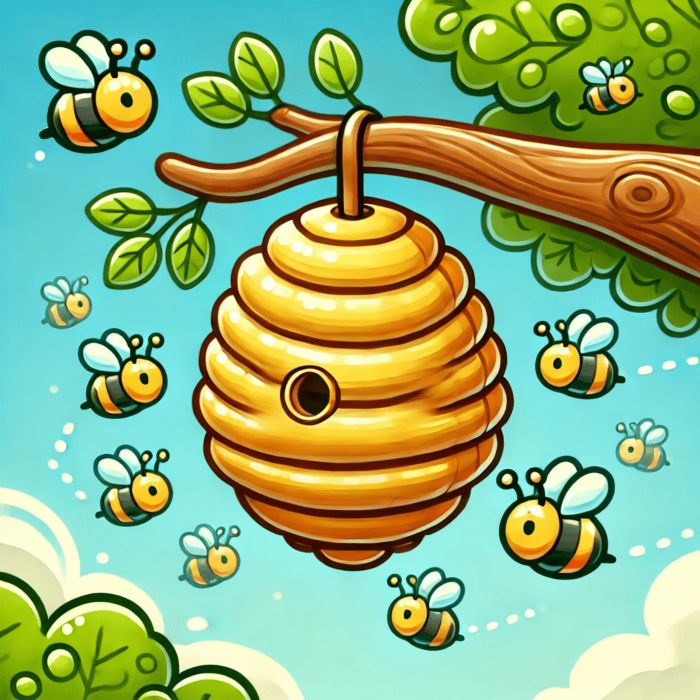
Bees are excellent team workers. They live together in hives made of beeswax, and each bee has a role. Some collect nectar, some protect the hive, and others help build it. Bees also communicate through a special movement called the “waggle dance”, which helps them share the location of flowers.
Also read: Bee Hive: Exploring the Structure of a Honey Bee Home
Ants and their anthill
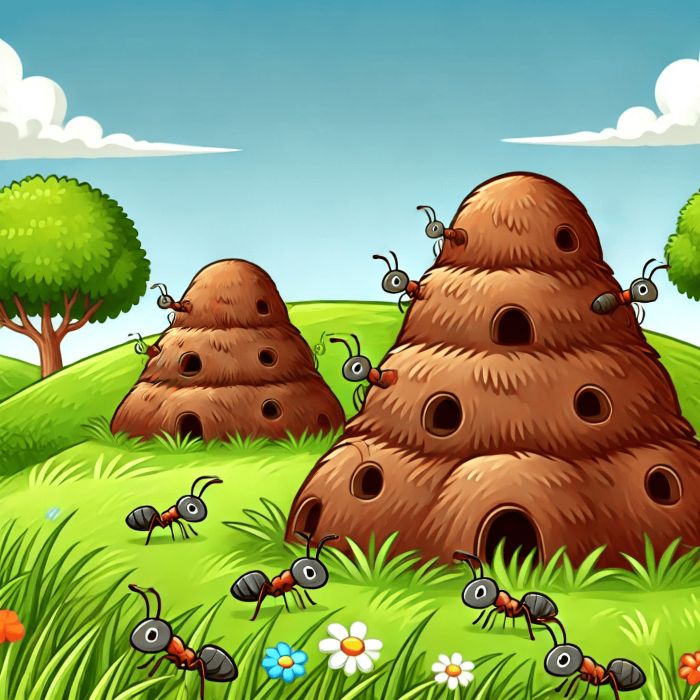
Ants may be tiny, but they are highly organised builders. An anthill is like an underground city with different sections for food storage, raising young ones, and housing the queen. Everything is well-structured and constantly active.
Bears and their den
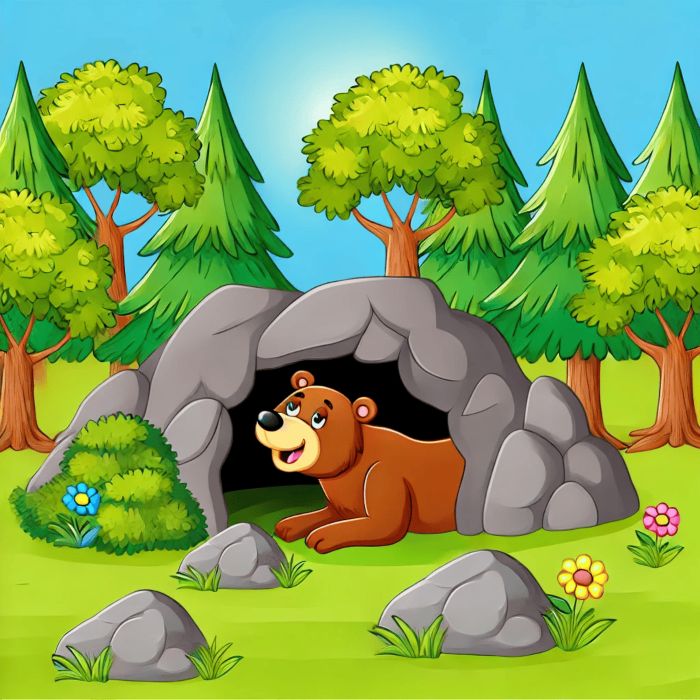
During winter, bears stay in dens to rest through hibernation. These dens can be caves, hollow trees, or spaces dug under roots. It is also where mother bears give birth and care for their cubs until the weather becomes warmer.
Birds and their nest
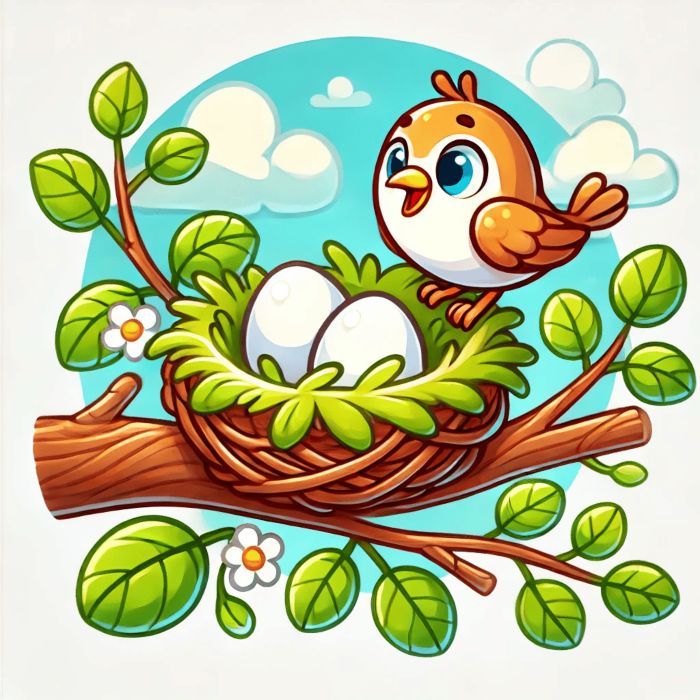
Birds build nests using materials like twigs, leaves, grass, and sometimes mud or spider webs. They carefully shape these nests to keep their eggs safe and warm until the chicks are ready to hatch and grow.
Lions and their den

Lions usually rest in dens found in caves, rocky areas, or thick bushes. A group of lions, called a pride, uses these spaces to rest and protect their young from danger.
Also read: Understanding Lion House Name: Pride, Territory & Den
Spiders and their web
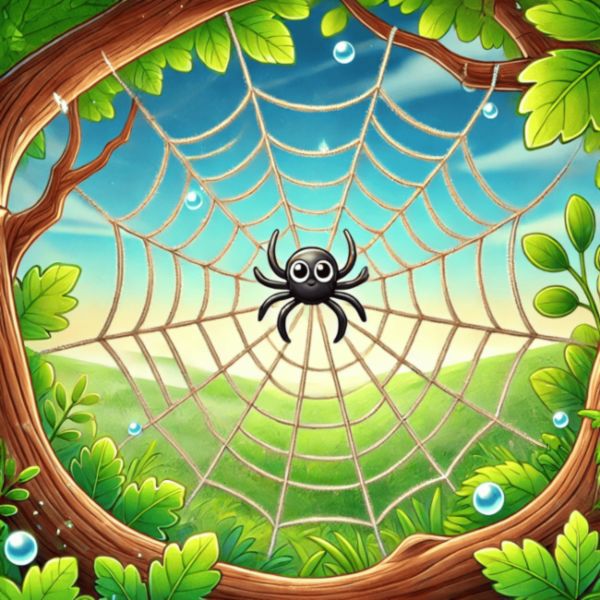
Spiders spin webs using silk, which serves both as a home and a way to catch food. The web is where they rest, lay eggs, and stay protected.
Homes we build: Domestic animals and their shelters
Unlike wild animals, domestic animals depend on humans for shelter. These homes are designed to keep them safe, comfortable, and protected.
Cattle live in a barn
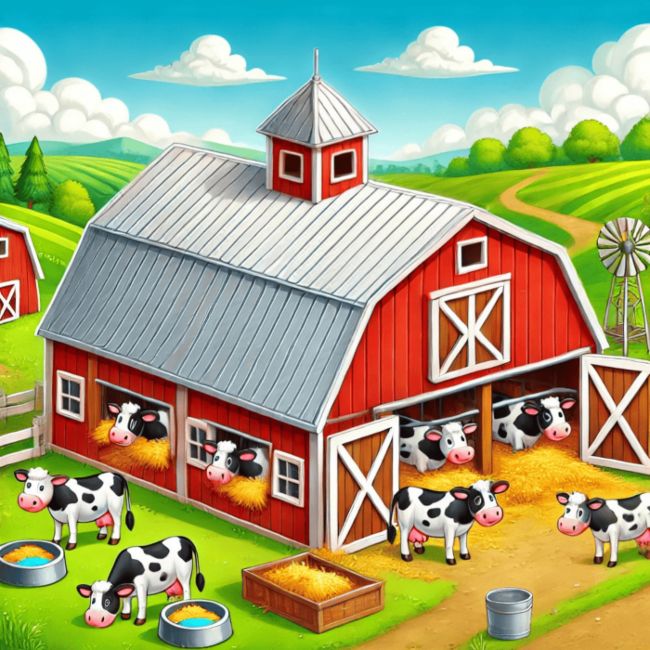
A barn is a large shelter where cattle can rest, eat, and stay protected from weather conditions like rain and cold.
Chickens live in a coop
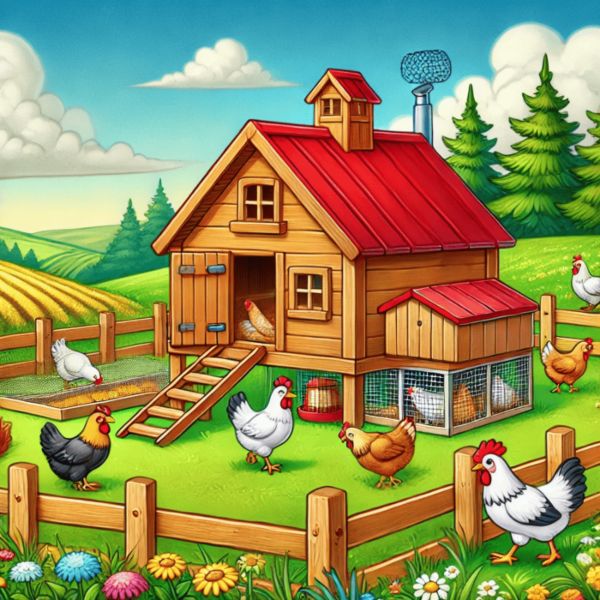
A chicken coop is a small shelter where chickens sleep and lay eggs. It helps keep them safe from predators and provides a secure space.
Dogs live in a kennel
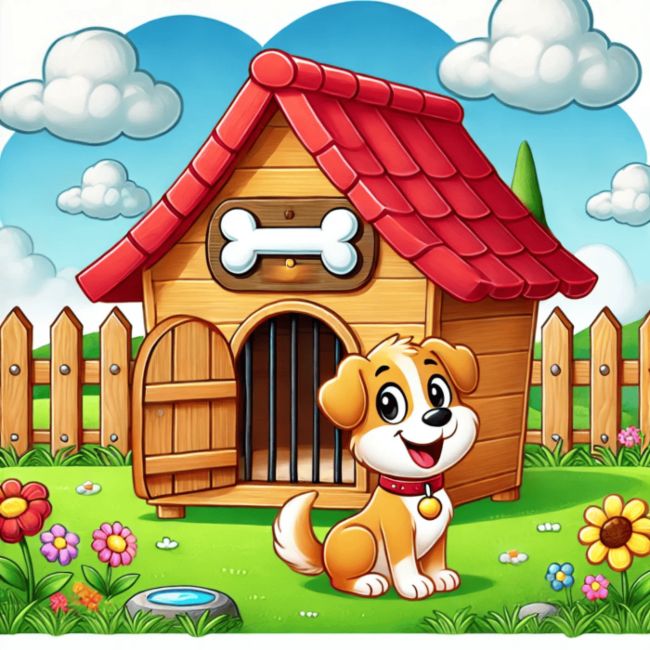
A kennel is a small shelter where dogs can rest and feel secure. Even when dogs live with humans, a kennel gives them a space of their own.
Also read: What Is the Name of Dog's Home?
Horses live in a stable
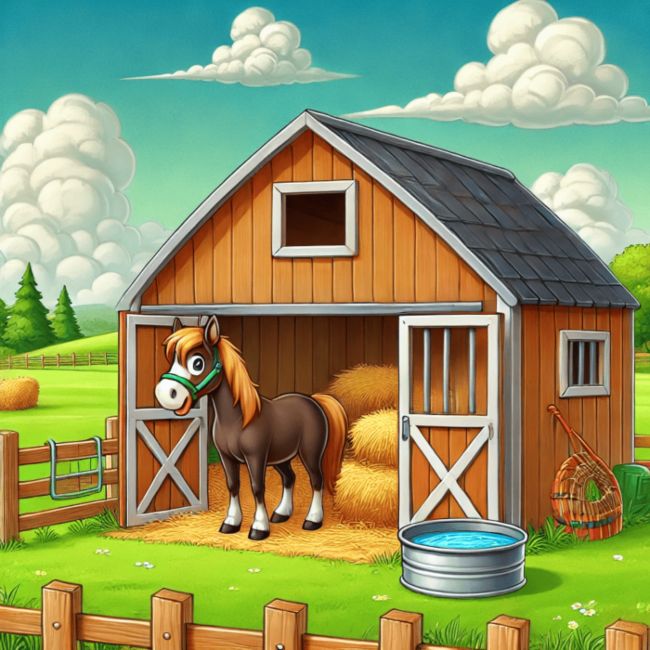
A stable is a shelter designed for horses. It has separate stalls, along with food and water, to help them rest comfortably.
Whether big or small, every home we build for animals is designed with one goal in mind: to keep them happy, healthy, and comfortable.
Practice makes perfect: Free worksheets for kids
Now it is time to practise what you have learned. Worksheets are a helpful way for children to understand and remember concepts better. These activities can help kids:
-
Match animals with their homes
-
Improve memory and observation skills
-
Build a strong foundation in basic science
Parents and teachers can use these worksheets to make learning more interactive and enjoyable:
Making learning an adventure
Children learn best when they are actively involved. When lessons include stories, activities, and discussions, learning becomes more meaningful and interesting.
At Orchids The International School, topics like animal homes are taught through interactive methods. Children are encouraged to explore, ask questions, and share ideas. This helps them understand concepts better and stay engaged.
What kids take away from this topic
Learning about animal homes is not just about remembering names. It also helps children:
-
Understand how animals adapt to their surroundings
-
Learn why shelter and safety are important for all living beings
-
Develop an appreciation for nature and wildlife
-
Improve observation and thinking skills
Over time, children begin to see how all living things are connected to the world around them.
Also read: 100+ rhyming words for kids: fun, easy ways to build vocabulary and phonics
Homes in the animal world
Animals build or find homes in different ways to stay safe and comfortable. From ants creating underground spaces to birds building nests, each home serves an important purpose. By learning about animal homes, children gain a better understanding of nature and how living things survive. With the right approach, this topic can be both simple and enjoyable to learn.
Want to see how Orchids The International School brings topics like this to life every day? Discover our interactive, concept-driven approach to learning. Connect with our admissions team today and find out how we make every school day an adventure.


Admissions Open for 2026-27
Recent Blogs





CBSE Schools In Popular Cities
- CBSE Schools in Bangalore
- CBSE Schools in Mumbai
- CBSE Schools in Pune
- CBSE Schools in Hyderabad
- CBSE Schools in Chennai
- CBSE Schools in Gurgaon
- CBSE Schools in Kolkata
- CBSE Schools in Indore
- CBSE Schools in Sonipat
- CBSE Schools in Delhi
- CBSE Schools in Rohtak
- CBSE Schools in Bhopal
- CBSE Schools in Aurangabad
- CBSE Schools in Jabalpur
- CBSE Schools in Jaipur
- CBSE Schools in Jodhpur
- CBSE Schools in Nagpur
- CBSE Schools in Ahmednagar
- CBSE School In Tumkur

Call Us to know more about Orchids











Orchids The International School is one of India's leading chains of CBSE and ICSE schools, with 110+ schools across the country.