

Is your kid ready for bite-sized lessons? The curious case of microlearning in schools
By Orchids Editorial Team |
Date 28-12-2025
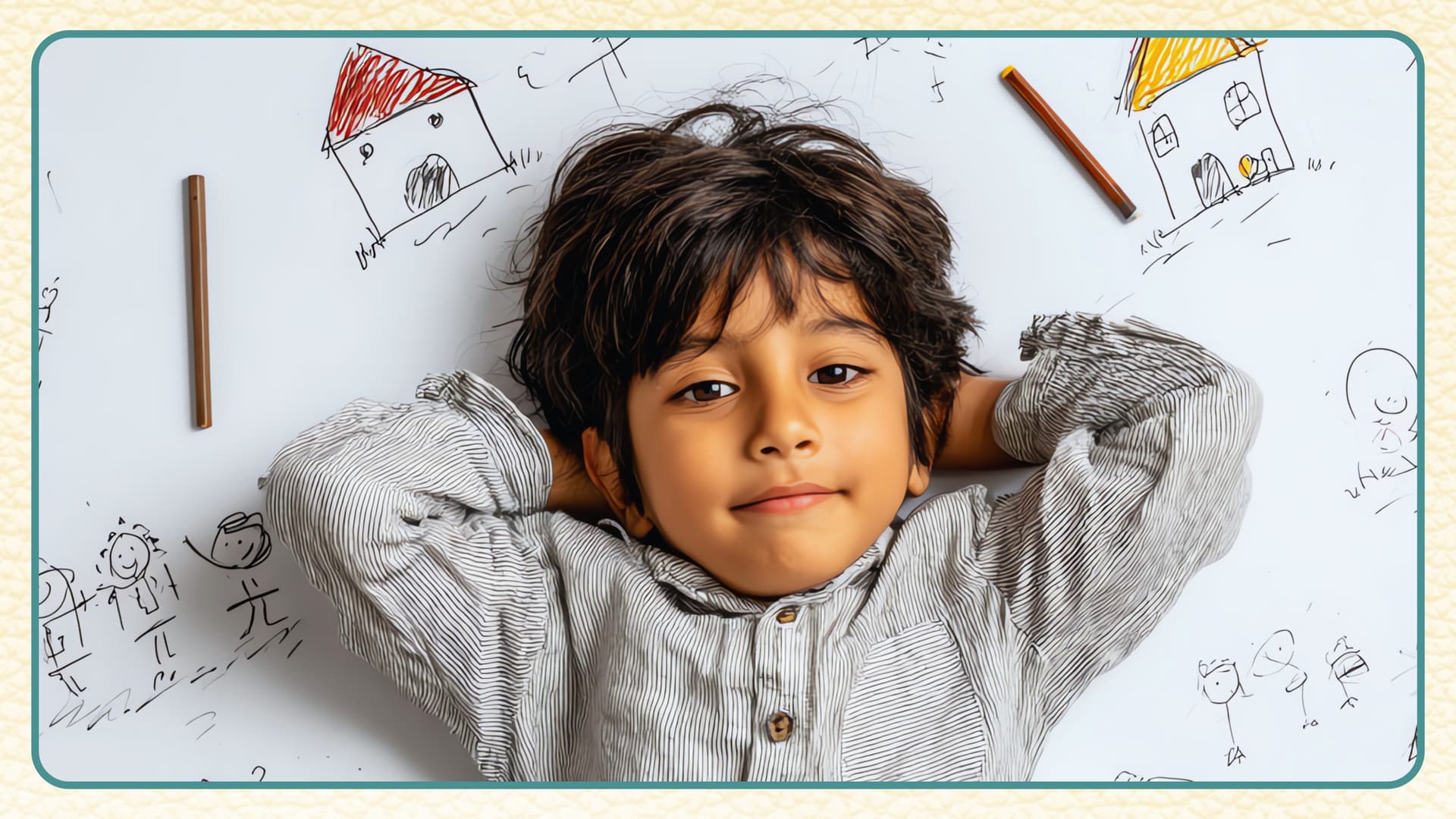
Microlearning can be particularly beneficial for kids who struggle with concentration power
Admissions Open for 2026-27
Blame the burgeoning impact of social media in recent years or simply our shrinking attention span, the appetite for bite-sized information has grown manifold across age groups lately. In the world of education though, microlearning is not seen so much in a bad light. In fact, it’s emerging as an effective and engaging tool both for students and teachers in the ever-evolving landscape of schooling. Many believe that contrary to traditional modes of teaching, breaking down complex topics into bite-sized and easily comprehensible modules can be a more efficient approach to impart knowledge, while it can also help increase attention, promote retention capacity and potentially improve student success rates.
Mini lessons, big results?
Dubbed a powerful teaching strategy in today’s world, microlearning swaps long and elaborate study sessions for short and gripping bursts of lessons. Here, one lesson covers a single concept, spanning 5 to 15 minutes. This approach can be particularly beneficial for kids who struggle with concentration power or find it difficult to retain large chunks of complex chapters. Research states that ‘when students learn through microlearning, it more effectively activates the brain’s ability to store information in long-term memory’. Instead of rote learning, it encourages repetition and practical application.

Also read: Critical thinking to phygital classrooms: Education trends shaping 2026 school year
Here’re a few key benefits of microlearning…
1. Better focus: When lessons are shorter and manageable, students can concentrate better without feeling overwhelmed.
2. More retentive power: Smaller bits of information are easier to process and recall, compared to large volumes of study material.
3. Fun and engaging: Want to help students be a little more attentive in class? Try quick and interactive lessons. They can be more compelling and easy to grasp.
4. Flexibility: While larger modules need more time and space to be accommodated, bite-sized lessons are flexible and can fit into any schedule.
5. Reduces stress: Microlearning fosters better learning habits. When lessons seem comprehensible, it automatically reduces stress and brings in consistency.
Also read: Thought it’s cool to use AI to do your child’s homework? Think again!
Can AI help tailor and augment microlearning for students?
Studies and new reports point toward AI being potentially instrumental in optimising children’s microlearning experiences. AI-enabled tools can not only analyse their performance but also help adapt content to meet students’ learning needs and provide them with real-time feedback. However, it’s advisable that parents and teachers stay vigilant so that young people do not overly depend on AI platforms to complete their schoolwork.


Admissions Open for 2026-27
Recent Blogs



CBSE Schools In Popular Cities
- CBSE Schools in Bangalore
- CBSE Schools in Mumbai
- CBSE Schools in Pune
- CBSE Schools in Hyderabad
- CBSE Schools in Chennai
- CBSE Schools in Gurgaon
- CBSE Schools in Kolkata
- CBSE Schools in Indore
- CBSE Schools in Sonipat
- CBSE Schools in Delhi
- CBSE Schools in Rohtak
- CBSE Schools in Bhopal
- CBSE Schools in Aurangabad
- CBSE Schools in Jabalpur
- CBSE Schools in Jaipur
- CBSE Schools in Jodhpur
- CBSE Schools in Nagpur
- CBSE Schools in Ahmednagar
- CBSE School In Tumkur

Call Us to know more about Orchids











Orchids The International School is one of India's leading chains of CBSE and ICSE schools, with 110+ schools across the country.