

‘Virtual Autism’ explained: What parents should know about their kids’ screen time, developmental delays and early support
By Karen Jerusha |
Date 08-02-2026
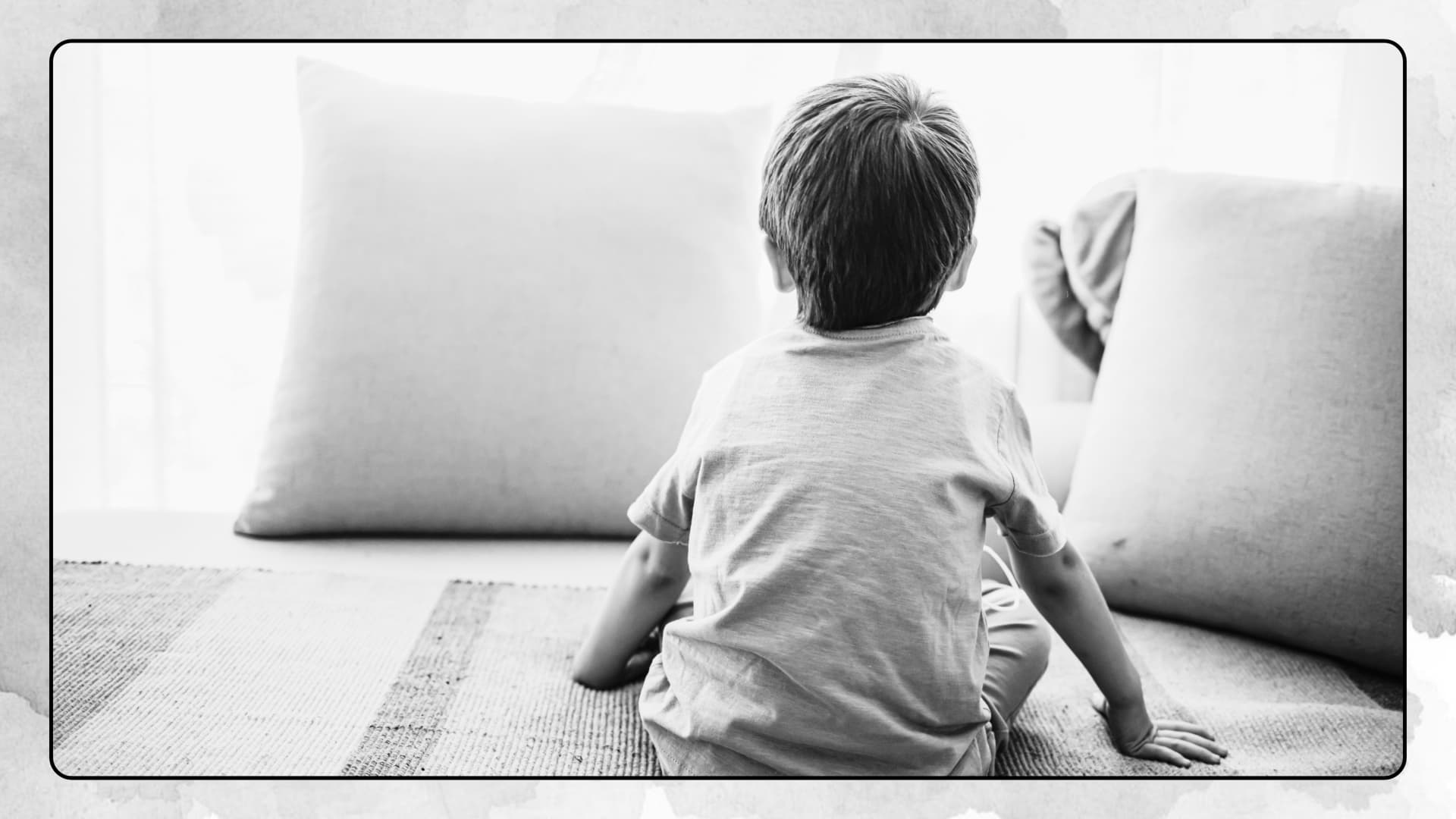
Excessive screen time early in life may affect your child’s speech, focus and social interactions
Admissions Open for 2026-27
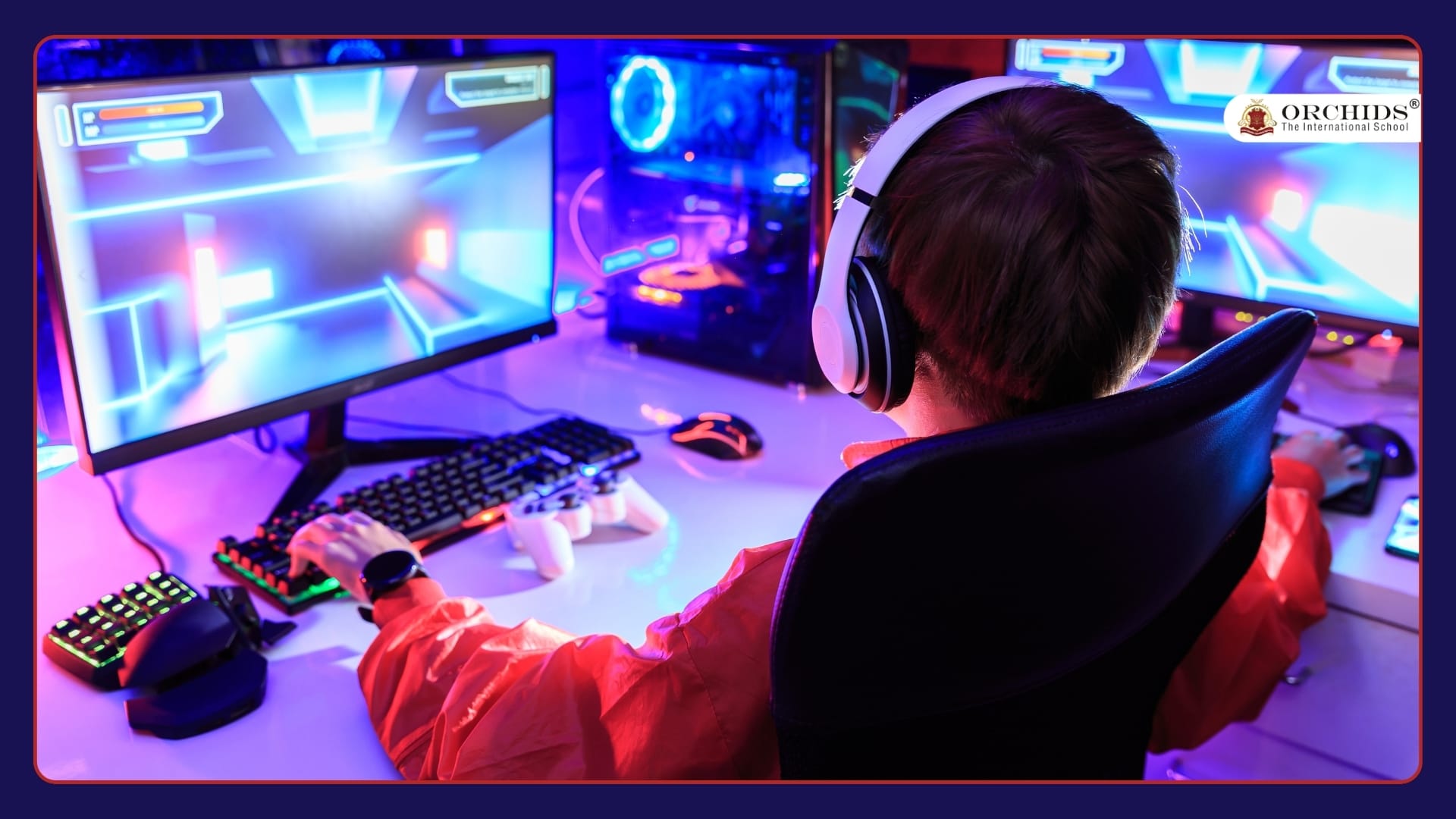
Until a decade ago, it wasn’t quite usual for children to spend so much time on screens, scrolling through social media pages or such. But today, it’s become their second nature. Whether kids are video calling their grandparents or learning nursery rhymes on YouTube and educational apps, screens have quietly become an integral part of their childhood. No doubt, screens have always been there in our lives for as long as we can remember. However, after the Covid-19 pandemic, the dependency on the digital space has increased. So much so that it has become a practical solution that helps parents manage work, routines and daily tasks.
Alongside the growing screen presence, doctors and health experts have begun noticing something else too: more young children are now struggling with speech, attention and social interaction than ever before. This has led to a lot of worried questions and to the rise of a term many parents now encounter online, called ‘virtual autism’. While this phrase might sound alarming, it’s important to understand what it really means and how parents can respond in a calm, informed and supportive manner.
Also read: ‘Helicopter’ vs ‘Gentle’: What should be your parenting approach in 2026

So what does Virtual Autism actually mean?
Introduced by Romanian psychologist Dr Marius Teodor Zamfir in 2018, the term virtual autism refers to a pattern seen in some young children who spend a significant amount of time on screens whether watching videos, playing games or engaging with other digital content. It indicates the difficulties that one faces with social interaction and communication that may be linked to excessive screen exposure and a reduced real-world exchange. However, an important point to note here is that virtual autism is not a medical diagnosis. It is not recognised as a clinical term in diagnostic manuals. Most doctors and child development specialists instead use terms such as ‘screen-related developmental delay’ or ‘developmental delays associated with excessive screen exposure’.
This term gained popularity because some children who are exposed to increased passive screen time at a very young age begin to exhibit behavioural patterns that may look similar to Autism Spectrum Disorder (ASD). Those symptoms include delayed or limited speech, reduced eye contact, less interest in social interaction, shorter attention spans and limited imaginative or interactive play. In many cases, these signs are linked not to autism itself, but to reduced real-world interaction during critical stages of brain development.
Importance of early childhood interaction
A child’s brain develops faster in the first few years of life. During this time, children learn to communicate, focus and connect with others primarily through speaking, playing with caregivers and peers, observing facial expressions and gestures, exploring their environment and responding to real-life sounds, emotions and social cues.
When screens start replacing a large part of these experiences, especially for children under the age of five, the brain may get less practice in building language, social and attention skills. Passive screen content does not respond, adapt or emotionally connect with a child the way a human does. This does not mean screens are harmful in themselves. It means screens cannot replace human interaction. After the pandemic, many educators and therapists also reported seeing more preschool children with speech delays and social hesitation likely reflecting changes in routines, interaction and screen habits during those years.
Also read: Nurturing empathy and equal opportunity: Why inclusive education in India is crucial
Why timely intervention makes a difference
One of the most hopeful aspects of screen-related developmental delays is that early support can make a real difference. Simple but consistent changes - such as reducing passive screen time; increasing face-to-face conversation; encouraging free play and storytelling; reading together daily; and building routines that include movement, talk and play - often help. When needed, guidance from a speech therapist or developmental specialist can further support a child’s progress. Early intervention is not about labels. It is about giving a child the right environment and support at the right time.
A reassuring message for parents
Parenting in the digital age comes with challenges no previous generation had to navigate. If you are worried about your child’s development, you are not alone and you are not failing. Not every delay means autism. Not every screen causes harm. But every child benefits from responsive, human interaction. Paying attention early, seeking guidance when needed and focusing on connection, conversation and play can go a long way in supporting healthy development.


Admissions Open for 2026-27
Recent Blogs


CBSE Schools In Popular Cities
- CBSE Schools in Bangalore
- CBSE Schools in Mumbai
- CBSE Schools in Pune
- CBSE Schools in Hyderabad
- CBSE Schools in Chennai
- CBSE Schools in Gurgaon
- CBSE Schools in Kolkata
- CBSE Schools in Indore
- CBSE Schools in Sonipat
- CBSE Schools in Delhi
- CBSE Schools in Rohtak
- CBSE Schools in Bhopal
- CBSE Schools in Aurangabad
- CBSE Schools in Jabalpur
- CBSE Schools in Jaipur
- CBSE Schools in Jodhpur
- CBSE Schools in Nagpur
- CBSE Schools in Ahmednagar
- CBSE School In Tumkur

Call Us to know more about Orchids











Orchids The International School is one of India's leading chains of CBSE and ICSE schools, with 110+ schools across the country.