

Applications of Electronics in Different Fields and Everyday Life
Applications of electronics in different fields are something that you experience every single day. From the smartphone in your hand to the refrigerator in your kitchen, electronics quietly power almost everything around us.
At first, we may not even notice them, but without electronics, the modern world would come to a standstill. Everyday devices, such as laptops, digital watches, televisions, and even medical machines, all depend on electronic circuits to function.
This article explains what electronics actually mean, their core functions, and how electronics are applied in different fields and industries.
Table of Contents
- Interesting Facts About Electronics
- What is Electronics?
- Functions of Electronics
- Applications of Electronics in Different Fields
- Some Advanced Applications of Electronics
- Frequently Asked Questions on Applications of Electronics in Different Fields

Interesting Facts About Electronics!
|
But wait, exactly what is electronics? Let’s break it down.
What is Electronics?
As the name suggests, electronics is the branch of physics that deals with the movement of electrons in circuits and devices.
Put simply, it’s the science of controlling how electricity flows to make machines and systems work.
We live in a time where technology is advancing at lightning speed. Robots, artificial intelligence, and smart machines are now capable of performing tasks with more accuracy and efficiency than humans once could.
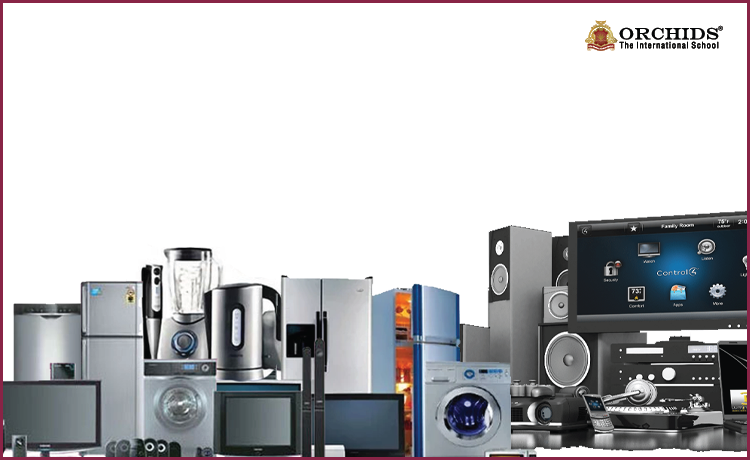
That raises an exciting question: how did all of this begin in the first place?
To answer that, let’s rewind to the early days of electronics and trace how a few simple inventions shaped the digital age we live in today.
The story starts in 1835, when American scientist Sir Joseph Henry built a remote switch controlled by electricity. Around the same time, English inventor Edward Davy designed an electric telegraph. These early experiments laid the foundation of electronic communication.
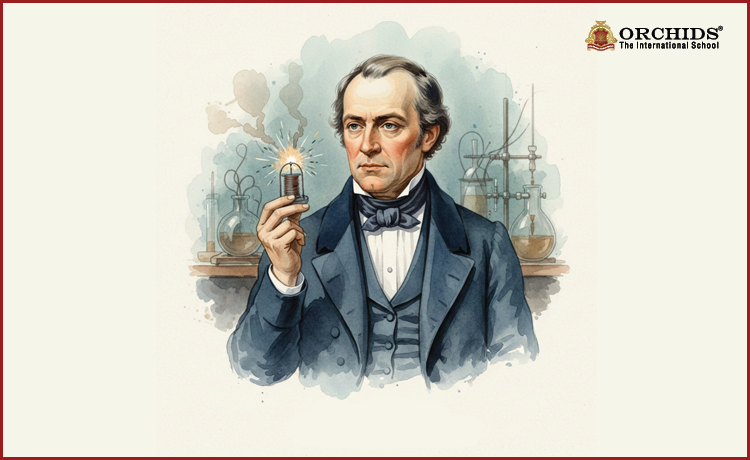
But that was only the beginning.
A few years later, Lee De Forest improved it with the Vacuum Triode, which could improve signals and make radio broadcasting possible.
In 1948, a major shift happened with the invention of the transistor by John Bardeen, Walter Brattain, and William Shockley, a device that replaced bulky vacuum tubes.
Then, in 1957, Jack Kilby introduced the first integrated circuit. This tiny chip combined many components into one and started the microchip revolution.
So in just a few decades, electronics grew from simple tubes to powerful chips that shape almost every part of our daily lives.
Functions of Electronics
Today, more than 13 billion transistors can fit on a single modern microprocessor, powering everything from smartphones to spacecraft.
But behind all this progress, electronic devices rely on a few basic functions that make them so powerful. Let’s take a closer look.
- Rectification is when alternating current (AC) is turned into direct current (DC). Without it, you couldn’t charge your batteries or run most gadgets.
- Amplification makes weak signals stronger. That’s how a faint radio signal or your voice in a microphone becomes clear and loud.
- Control allows devices to work smoothly and safely. From stabilising voltage in a refrigerator to regulating temperature in an air conditioner, control is everywhere.
- Generation creates signals of specific frequencies. These signals form the base of radios, televisions, and communication systems.
Each of these functions might sound simple, but together, they form the foundation of every device we use.
Applications of Electronics in Different Fields
Just think about it. An average household today uses hundreds of kilowatt-hours of electricity every month to keep appliances, gadgets, and systems running. That’s a lot of energy.
But what makes it truly meaningful is how electronics put this energy to work in our daily lives.
Let’s look at some of the most common applications:
- Consumer Electronics
These are the gadgets we interact with most. Office tools like calculators and printers make studies easier, while home appliances such as refrigerators and washing machines save time and effort.
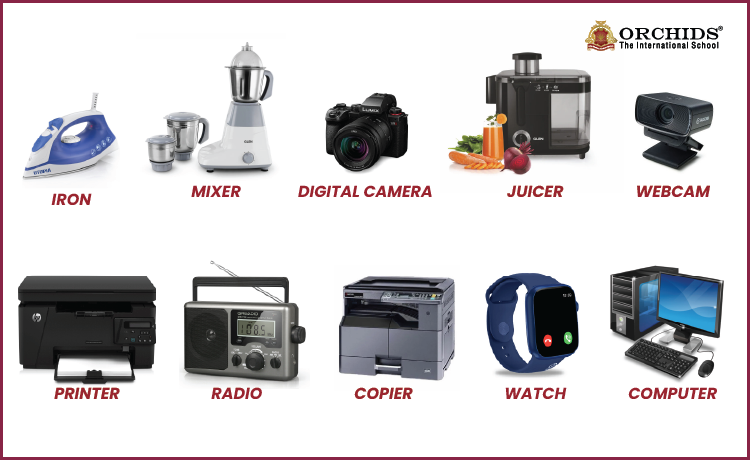
For fun, we turn to TVs, headphones, and gaming consoles. And of course, smartphones, laptops, and memory cards have become daily essentials for staying connected and storing everything from photos to school notes.
- Industrial Electronics
Step into a factory and you will see electronics working on a much bigger scale.
Robots assemble cars, machines run with the help of power converters, and renewable energy systems depend on advanced circuits.
This is where classroom concepts such as automation and robotics come alive and show their importance in real industries.
- Smart Grid Systems
Electricity today is not just supplied; it is managed intelligently.
Interestingly, modern grids can adjust based on how much energy is being used and can send information through sensors.
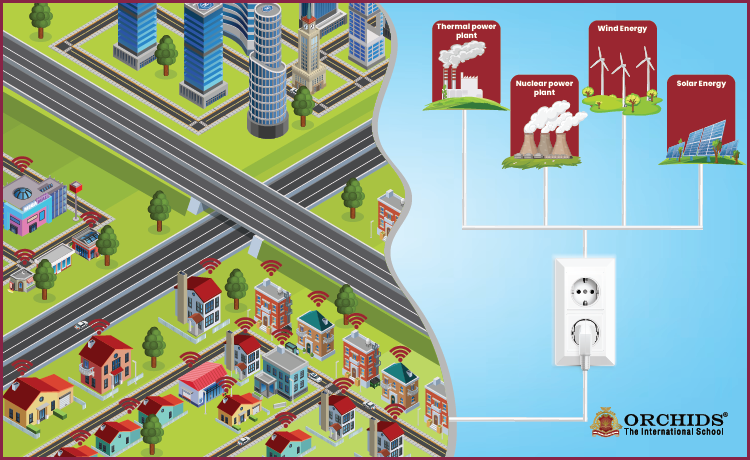
Smart meters, which are now found in many homes, are a perfect example. They record electricity usage in real time and help reduce waste.
- Industrial Automation and Motion Control
Machines now handle many repetitive or unsafe tasks. This improves productivity while keeping workers safe.
So, that’s the reason why industries prefer automation in areas like production lines, packaging, and transport.
- Image Processing
Have you ever unlocked your phone with your face or played a video game with lifelike graphics? That is image processing at work.
Electronics processes 2D patterns and turns them into 3D models. Beyond fun, this same technology helps doctors design detailed medical scans that save lives.
- Medical Applications
Some of the most meaningful uses of electronics are found in medicine. ECG monitors track heart activity, imaging tools scan our bodies, and diagnostic machines help doctors detect diseases early.
In hospitals, electronics are not just useful; they are lifesaving.
So, in simple words, electronics act like silent helpers.
They help us in classrooms, make our homes comfortable, keep industries running, and even support doctors in hospitals.
That is why studying them is not only interesting but also important for building the future.
Some Advanced Applications of Electronics
But have you ever thought about why electronics matter so much in modern life?
It is because their role goes far beyond just gadgets. Electronics influence almost every part of our daily routine; they guide how we travel, help us communicate, keep us safe, support learning, and even add fun to our free time.
Take a look at how they make a difference:
- Transportation: Sensors manage train speeds, metro ticketing, and traffic lights, ensuring smooth and safe journeys.
- Weather & Disaster Prediction: Satellites and electronic sensors track storms, rainfall, and temperature to give real-time forecasts.
- Banking & Finance: ATMs, online banking, and high-speed trading platforms all depend on electronic systems.
- Security: From CCTV and motion sensors to biometric systems and digital locks, electronics safeguard homes and cities.
- Smart Cities: Traffic sensors, streetlights, and water systems run on electronics to save energy and manage resources.
- Education: Interactive whiteboards, projectors, and tablets make classrooms more engaging and effective.
- Arts & Media: Electronic instruments, mixers, and tablets empower artists and musicians with new creative tools.
- Aviation: Air traffic control, autopilot, and onboard navigation systems rely on electronics for safety.
- Science & Research: Labs use microscopes, spectrometers, and data loggers for experiments and discoveries.
- Commerce: Barcode scanners, PoS machines, and online platforms make shopping fast and reliable.
We have learned about many applications of electronics in daily life. So, next time you video call a loved one, listen to music on your headphones, or step into a train that arrives right on time, think about the invisible systems making it all possible.
Frequently Asked Questions on Applications of Electronics in Different Fields
1. What are the main applications of electronics in daily life?
Electronics are part of almost everything we use. From smartphones and laptops to TVs and washing machines, they help us study, communicate, relax, and manage our daily tasks with ease.
2. How do electronics help in healthcare?
Hospitals rely on electronic machines every day. ECG monitors record heartbeats, MRI and X-ray machines scan the body, and wearable devices keep track of health. Even advanced surgeries often use electronic systems for accuracy and safety.
3. Why are electronics important in industries?
In factories, electronics run machines that assemble products, guide robotic arms, and check quality. This makes production faster, reduces mistakes, and helps workers focus on safer tasks.
4. Can electronics improve transportation safety?
Yes, they do. Cars use sensors for safe braking, parking help, and navigation. Electric vehicles depend on electronics to manage batteries, while trains and metros use them to control signals and avoid accidents.
5. What role does electronics play in smart cities?
Electronics make modern cities more organised. They manage traffic lights, adjust street lighting, and keep an eye on water supply and waste systems. This makes city life smoother and more sustainable.
6. Can electronics help in scientific research?
Definitely. Scientists use electronic tools like microscopes, spectrometers, and data recorders to make careful observations. From studying tiny living cells to exploring space, electronics help us uncover new knowledge.
Science isn't just a subject, it's the way of seeing the world. Curious how Orchids The International School teaches it that way? Talk to our admissions team.
Admissions Open for 2026-27
What type of concept pages would you prefer?
CBSE Schools In Popular Cities
- CBSE Schools in Bangalore
- CBSE Schools in Mumbai
- CBSE Schools in Pune
- CBSE Schools in Hyderabad
- CBSE Schools in Chennai
- CBSE Schools in Gurgaon
- CBSE Schools in Kolkata
- CBSE Schools in Indore
- CBSE Schools in Sonipat
- CBSE Schools in Delhi
- CBSE Schools in Rohtak
- CBSE Schools in Bhopal
- CBSE Schools in Aurangabad
- CBSE Schools in Jabalpur
- CBSE Schools in Jaipur
- CBSE Schools in Jodhpur
- CBSE Schools in Nagpur
- CBSE Schools in Ahmednagar
- CBSE School In Tumkur











Orchids The International School is one of India's leading chains of CBSE and ICSE schools, with 130+ schools across the country.