

Energy
Energy is the quantitative property that makes every action in this world possible, from a very small blinking of your eyes to the rotation of Earth itself. Every moving object, glowing bulb, burning candle, or even the food you eat every day involves energy. So, in very simple words, energy is the ability to do work.
This article makes it easy to understand for students what energy is, its different types you can find, the law of conservation of energy, units, and examples in detail.
Table of Contents
- What is Energy?
- Types of Energy
- Law of Conservation of Energy
- Understanding Energy Transfer and Transformation
- Frequently Asked Questions on Energy

What is Energy?
Energy is nothing but the capacity to do any work. This means energy allows objects to move, change, or produce heat, light, or sound. Any change in nature involves energy in some form.
Did You Know? When you stand steadily without doing anything, your body uses energy to maintain body temperature, pump blood, and breathe. That’s why even resting consumes chemical energy from your food.
Hence, we can define energy as the strength to do any kind of physical activity. In very simple language,
|
“Energy is the ability to do work or the ability to apply force that causes objects to move.” |
Law of Conservation of Energy
The laws of conservation of energy are one of physics’s basic laws. So, according to the law of conservation of energy,
“In a closed or isolated system, the total amount of energy remains constant.”
According to the law, the total energy in a system is conserved even though energy transformation occurs. Interestingly, energy can neither be created nor destroyed; it can only be converted from one form to another form of energy.
Therefore, it can be concluded that the total energy in a system always remains constant, regardless of its form.
Now that we understand what energy is, let’s look at how it is measured.
The SI unit of energy is the Joule (J), named after physicist James Prescott Joule. Do you know, 1 Joule (J) is the work done when a force of 1 Newton moves an object 1 meter?
Here are some other units:
-
Calorie is used for food energy
-
A kilowatt-hour (kWh) is used in electricity billing
-
Erg is used in small-scale physics problems
Types of Energy
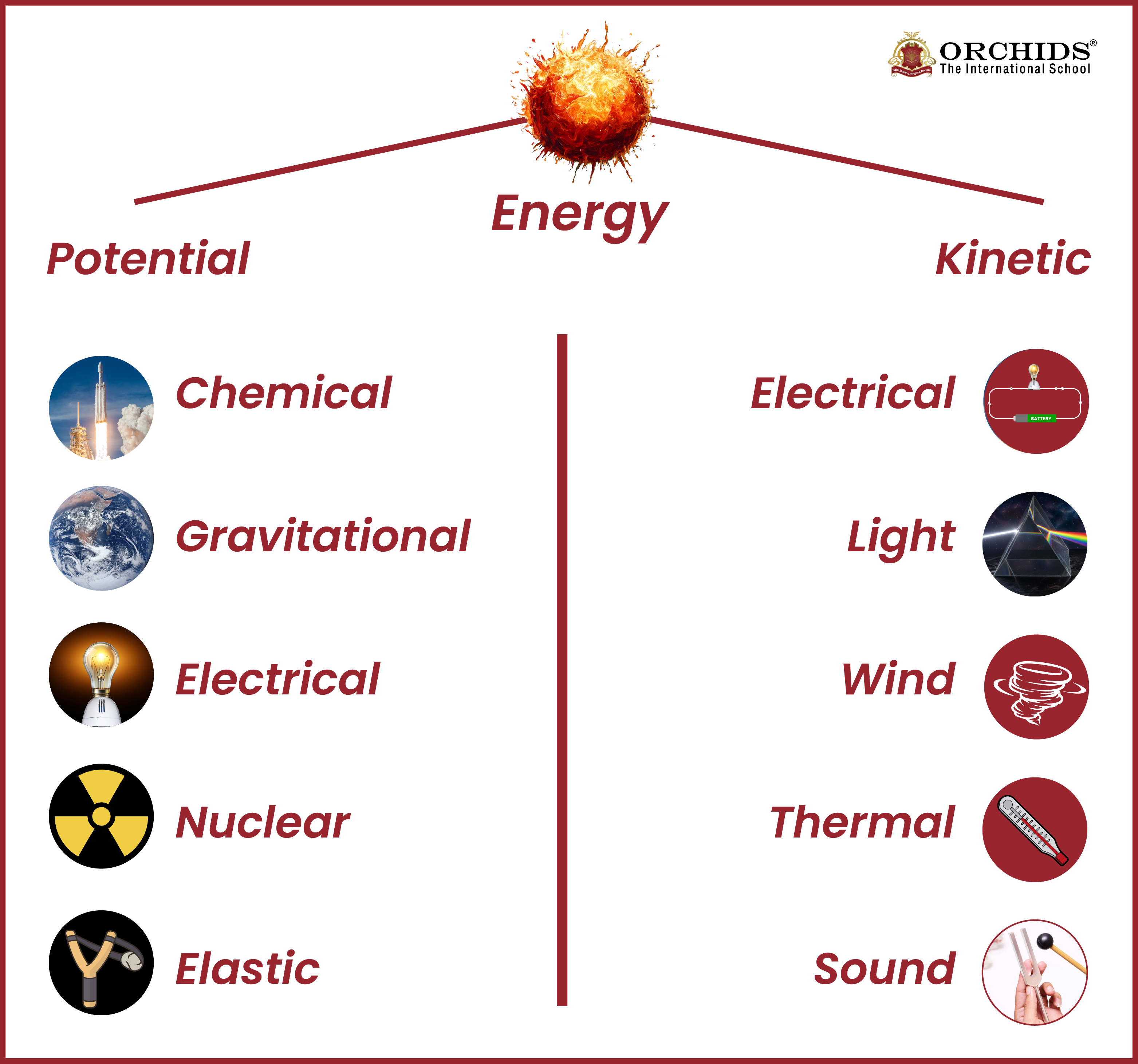
Energy can exist in many forms, but all forms are either kinetic energy or potential energy. Let’s discuss each type in detail.
-
Kinetic energy
Kinetic energy is the energy an object has due to its motion. The faster an object moves or the heavier it is, the more kinetic energy it has.
Mathematically, it can be expressed as,
Where,
m = mass of the object
v = velocity of the object
To understand this in a better way, let's consider one example. A wrecking ball in motion is used to do work, such as the demolition of a building or stones.

Even a slow-moving wrecking ball is capable of causing a lot of damage to another object, such as an empty house. However, a wrecking ball that is not in motion does not do any work.
The random movement of tiny particles in an object (atoms or molecules) counts as kinetic energy. This is what we call thermal energy, which we feel as heat.
There are several types of kinetic energy. Let's discuss them in detail,
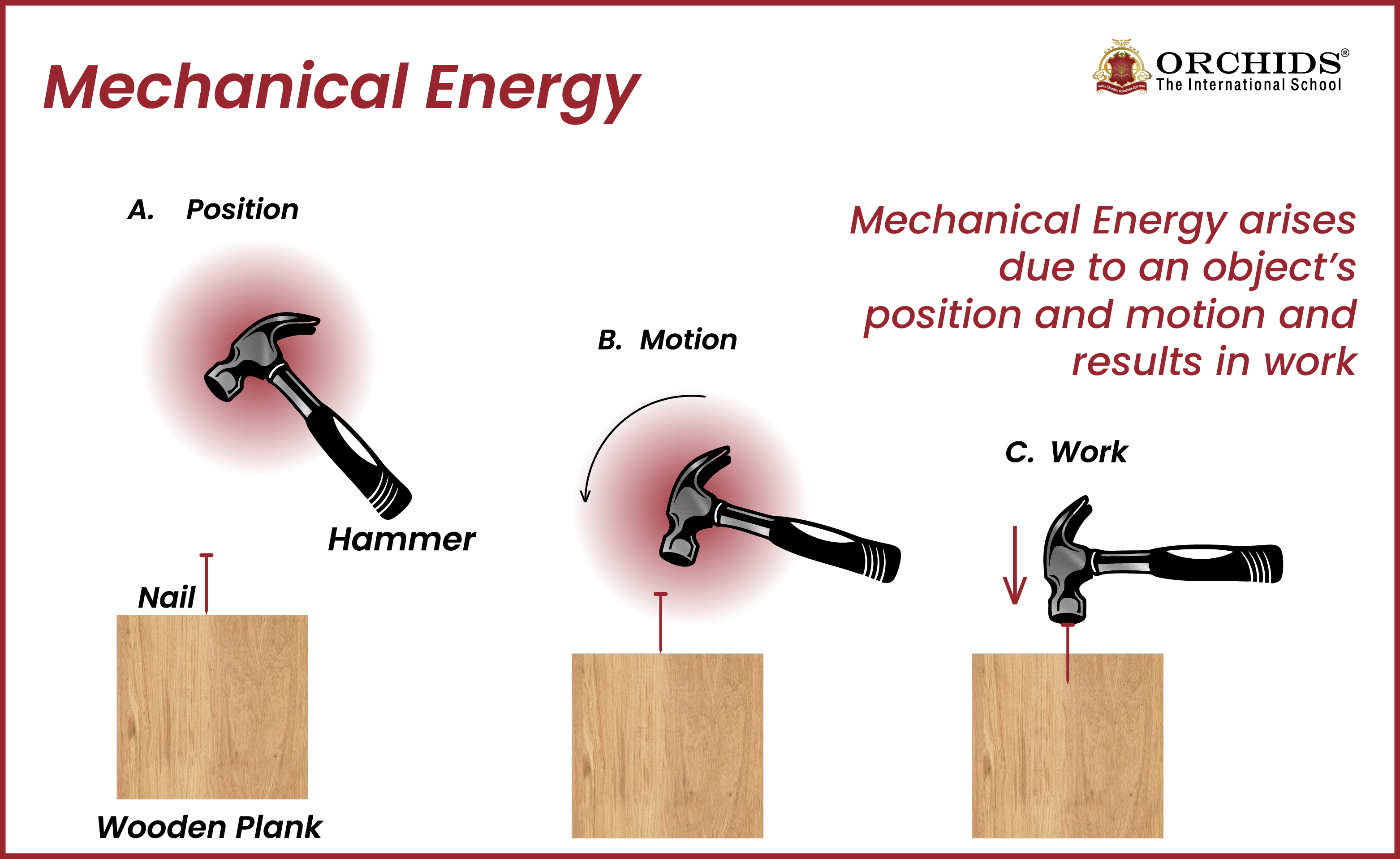
I. Mechanical energy is the energy possessed by an object due to its motion or position. It is the sum of kinetic and potential energy. Some examples include:
-
A stretched rubber band, which has energy stored due to its position.
-
A swinging pendulum, where energy continuously shifts between kinetic and potential forms.
-
The image below shows a hammer striking a nail. This is a perfect example of mechanical energy in action.
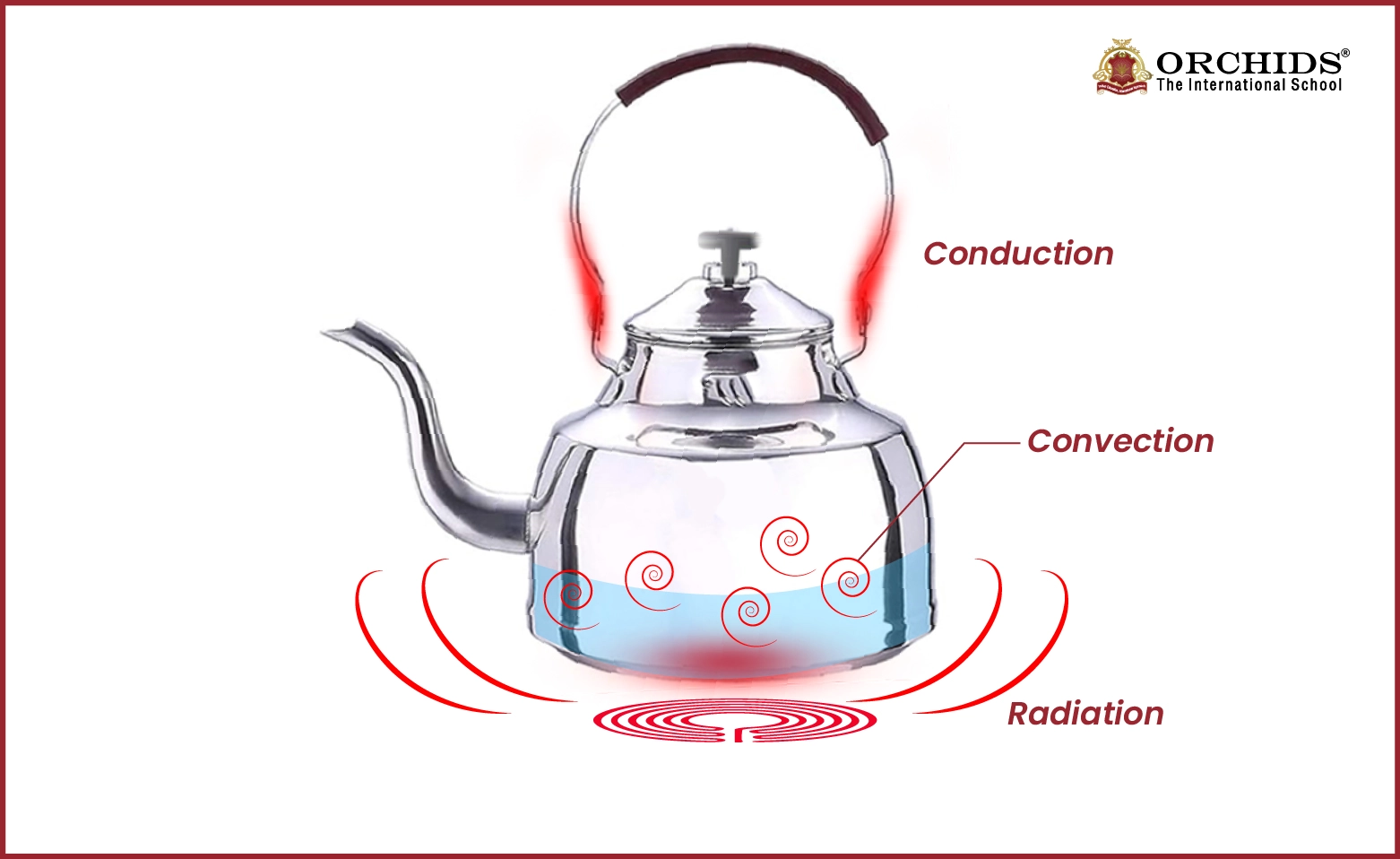
II. Thermal energy comes from the motion of tiny particles in a substance. While radiant energy refers to waves or particles, thermal energy describes the activity of atoms and molecules in an object. Some examples include:
-
Geothermal energy is from the Earth’s volcanic activity or natural mineral decay.
-
Heating food in an oven causes the molecules to move faster, increasing thermal energy.
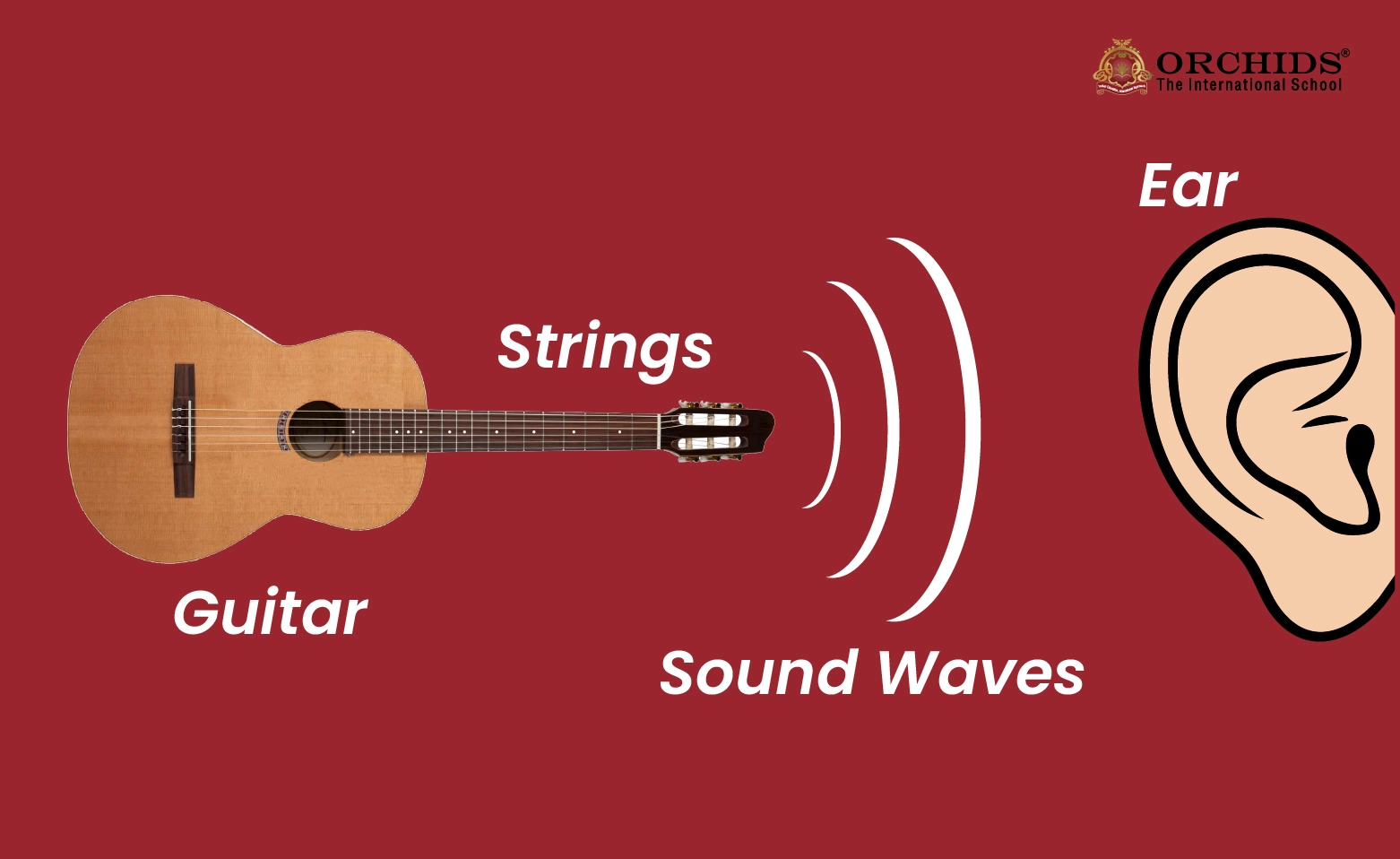
III. Sound energy is the energy produced by vibrating objects. These vibrations travel as waves through a medium such as air, water, or solids. When the waves reach our eardrum, they are converted into electrical signals that are sent to the brain, which we perceive as sound. For example,
-
Clapping hands produces sound energy that travels to our ears.
-
plucking a guitar string
IV. Radiant energy is the energy that travels in the form of waves or particles. It is created through electromagnetic waves and is commonly experienced as light and heat. Let's see some examples:
-
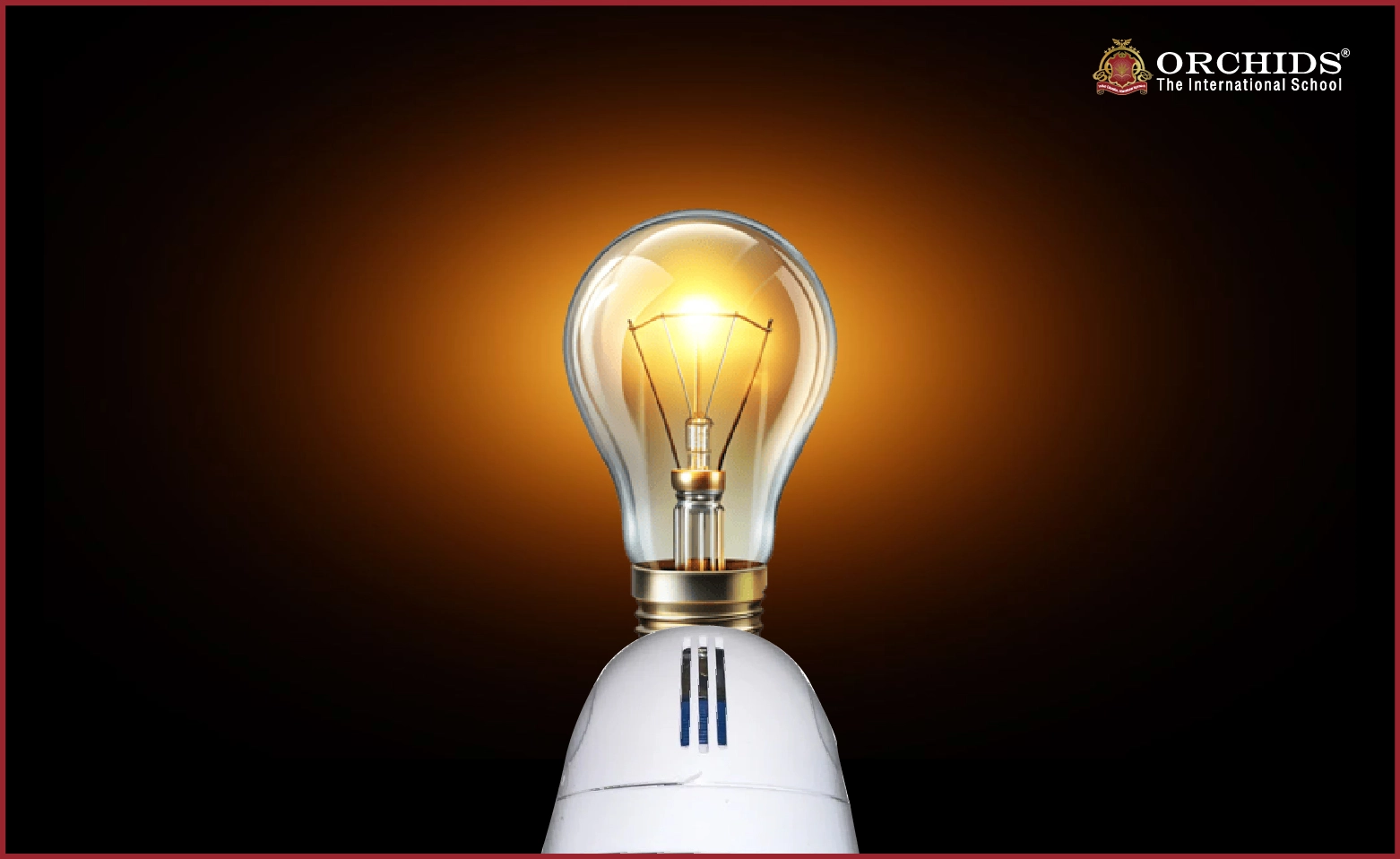
An incandescent light bulb emits both visible light and heat, two forms of radiant energy.
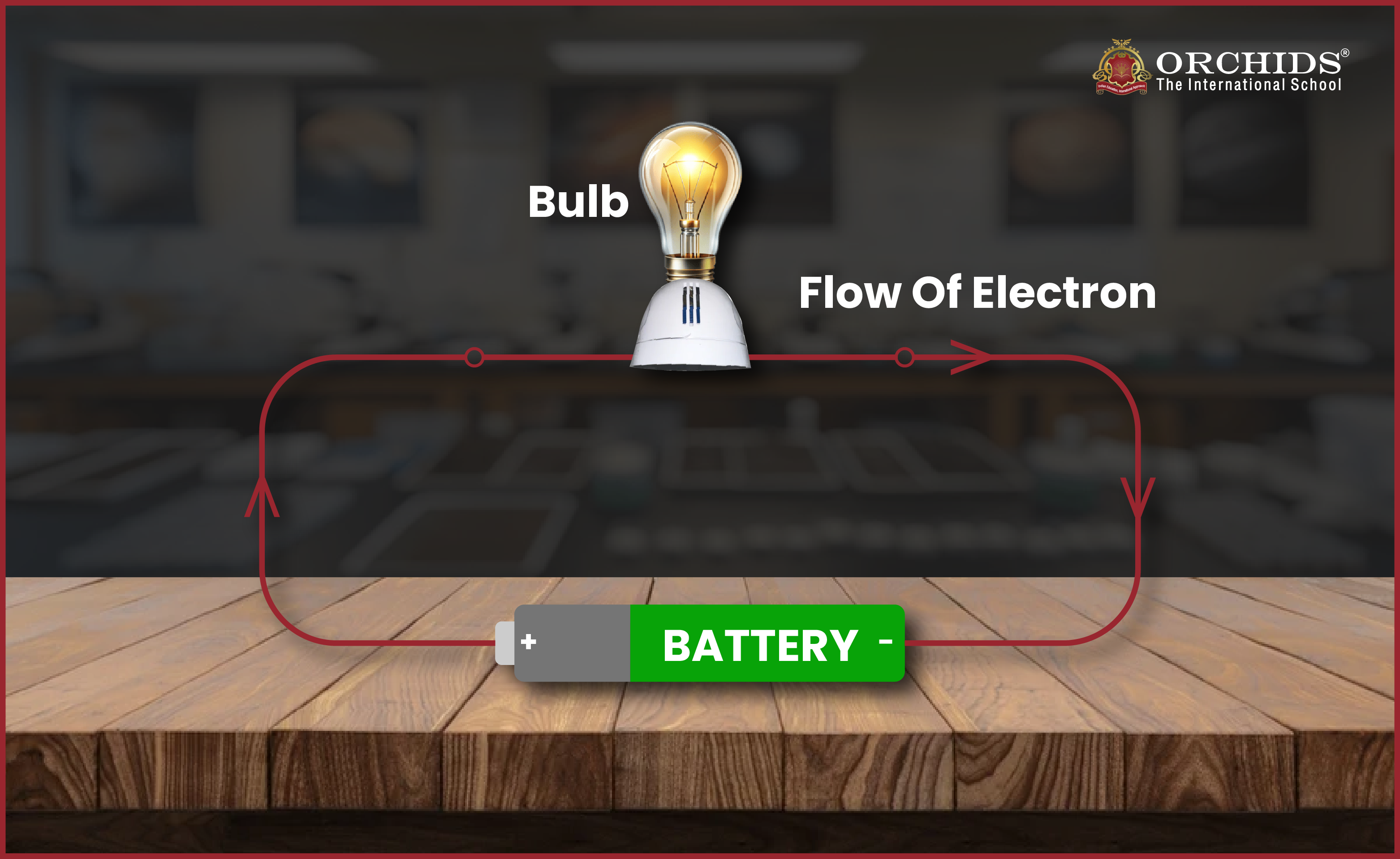
V. Electrical energy is produced by the movement of electric charges, usually electrons, through a conductor like a wire. Since it involves moving particles, it is a form of kinetic energy. Some examples include:
-
Switching on a fan, where electrical energy flows through the circuit and is converted into mechanical energy to spin the blades.
-
Running electric vehicles, where stored electrical energy is converted into motion.
-
Potential Energy
When work is done on an object, the energy is stored within it. This stored energy is called potential energy. It depends on the position or condition of the object.
The mathematical formula to calculate potential energy is represented as,
PE=m×g×h
Here, m is the mass of the object, h is the height, and g is the acceleration due to gravity.
SI unit potential energy Joule (J) is 1 kg·m²/s², and the CGS unit is erg.
-
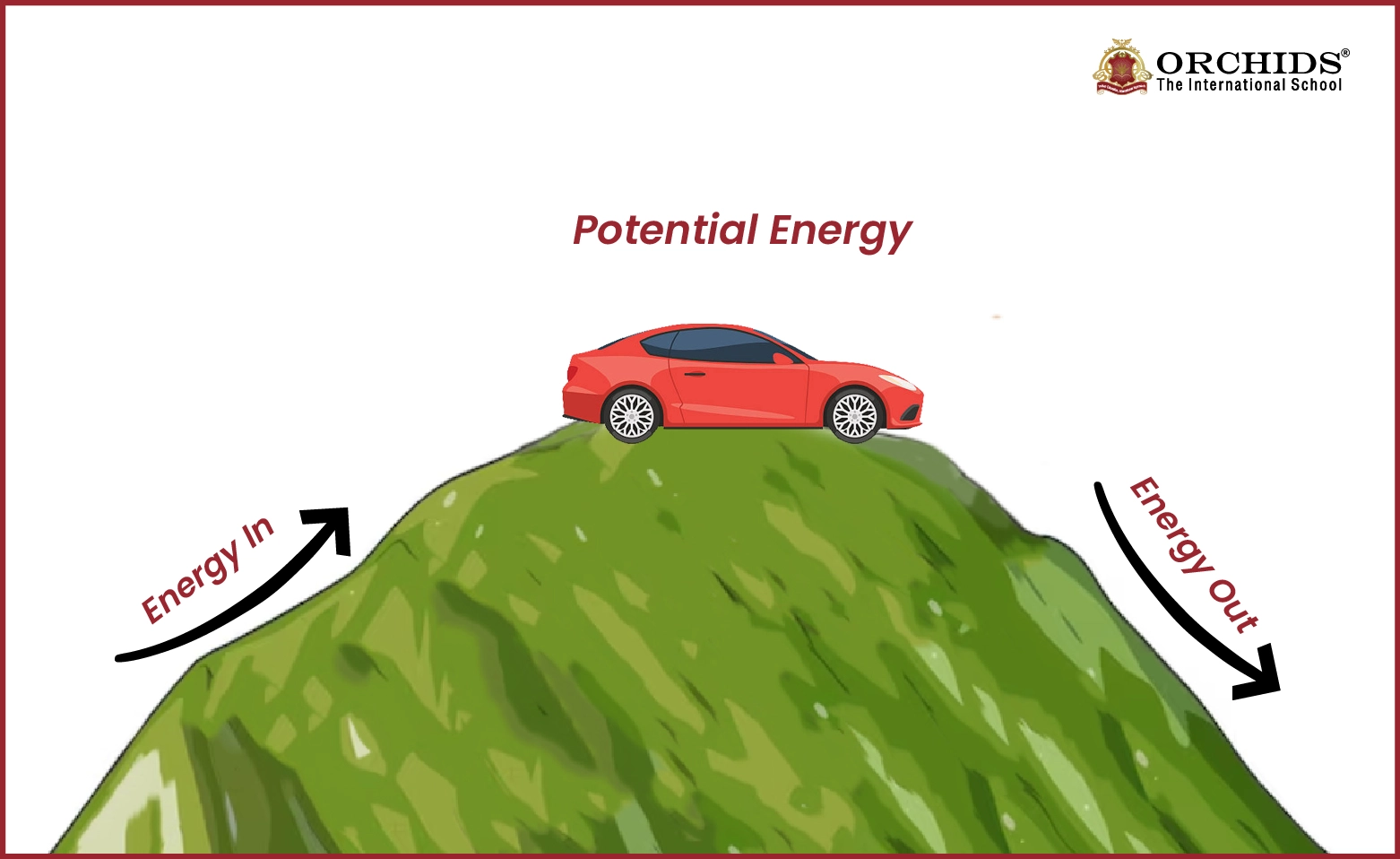
Gravitational potential energy is the energy stored in an object due to its height above the ground. The higher the object, the more energy it stores. This energy can convert into kinetic energy when the object falls. Some examples include:
-
Water stored in a tank on a rooftop
-
A book on a shelf
-
A parked car at the top of a hill
II. Elastic potential energy is stored when an object is stretched, compressed, or deformed, and it can return to its original shape. Examples include:
-
The string of an archer’s bow is pulled back before shooting an arrow
-
A compressed spring, it gains elastic potential energy as you see above image,
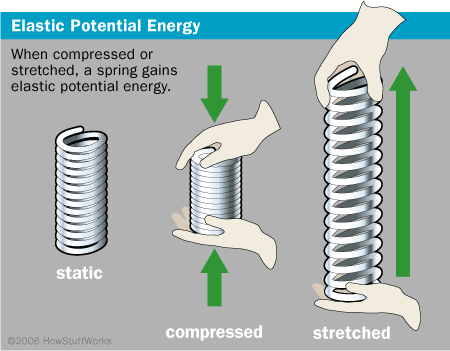
III. Chemical potential energy is stored in the bonds of molecules. It is released or absorbed during chemical reactions. Examples include:
-
Gasoline before it is ignited in a car engine
-
Fireworks before they are launched
-
Energy is stored in a battery, which is converted into electrical energy to power devices
 IV. Electric potential energy is the energy needed to move a charge against an electric field. Examples include:
-
A television that is turned off
-
A radio tower that is not active
-
An incandescent bulb before switching it on
Let's have a closure on how Energy can move from one place to another or change from one form to another.
Understanding Energy Transfer and Transformation
Energy can move from one place to another or change from one form to another.
-
Energy transfer is the movement of energy from one location to another. Let's try to understand this using a simple example. While playing Carrom, when a player hits the striker, the kinetic energy from their finger is transferred to the striker, making it move.
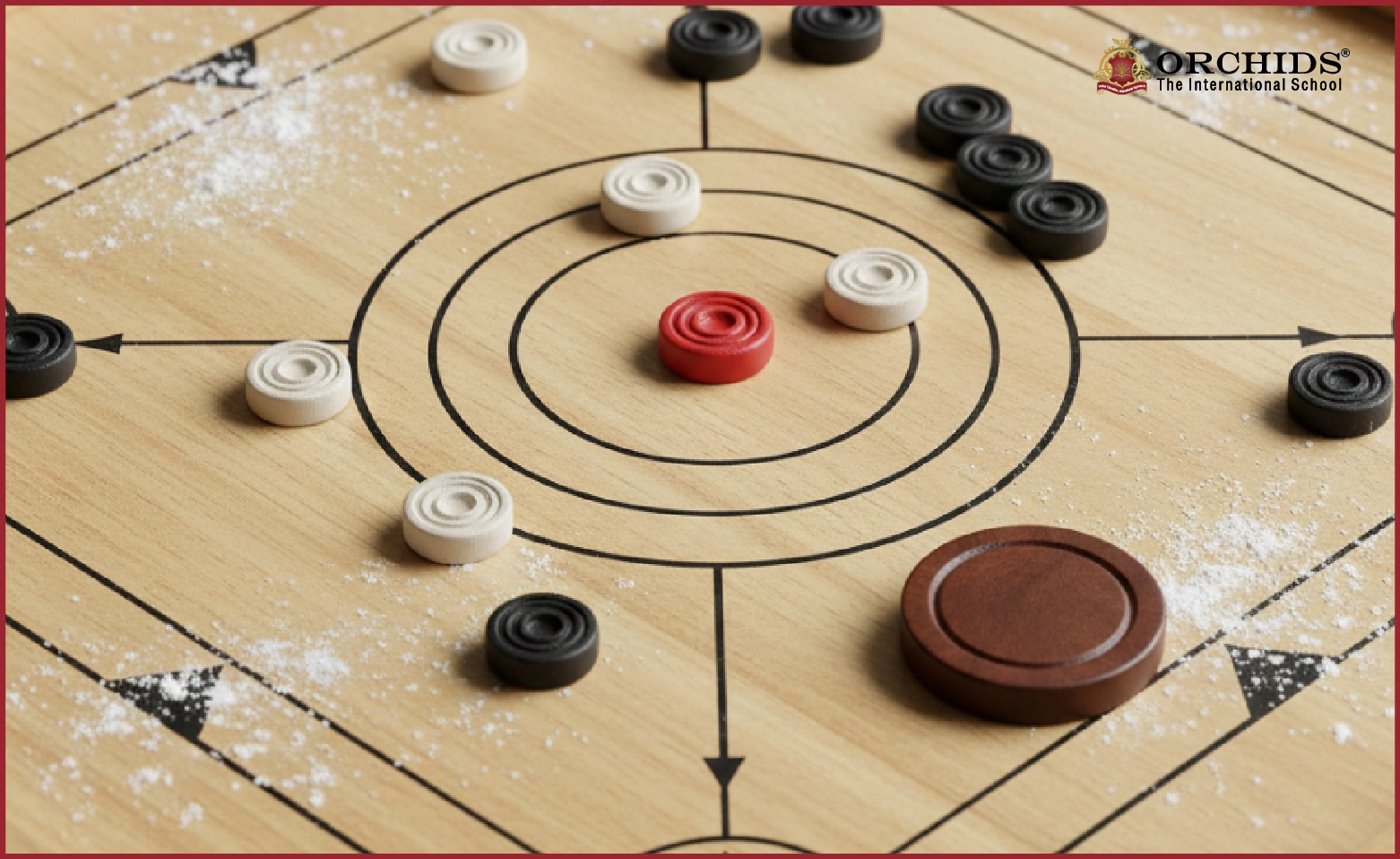
When the moving striker hits a coin, it passes this energy to the coin, causing the coin to glide across the board. This simple game beautifully shows how energy moves from one object to another through direct contact.
-
Energy transformation is the process by which energy changes from one form to another. For example, in photosynthesis, plants transform light energy from the sun into chemical energy stored in glucose.
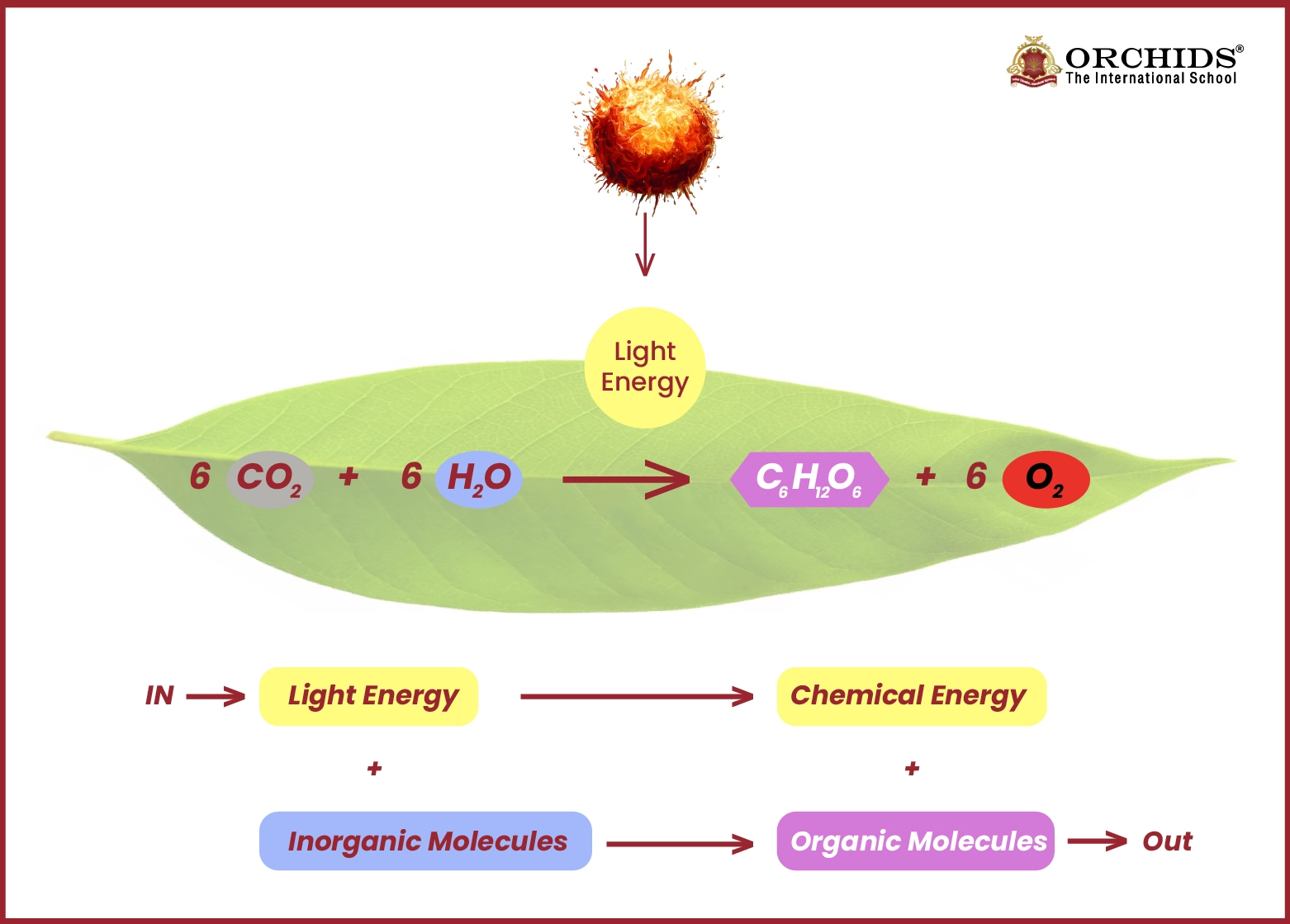
This stored energy is later used by the plant to grow, reproduce, and carry out life processes.
You will be amazed to know that energy can be transferred in different ways, such as
-
mechanically by applying force,
-
electrically through moving charges,
-
by radiation in the form of light or sound waves, and
-
by heating through conduction, convection, or radiation.
Even when energy transforms, or transfers, the total energy in a system remains constant.
Till now, we have learned that energy is all around us and makes every action possible. It exists in different forms all around us, it can change from one type to another, and it always remains constant in a closed system. Understanding energy helps us better explain how objects move, work, and interact in our daily lives.
Frequently Asked Questions on Energy
1. What is energy?
Energy is the ability to do work or cause a change in an object or system. It is present in everything around us, from moving cars to the food we eat.
2. What is kinetic energy?
Kinetic energy is the energy that an object has because it is in motion. The faster or heavier the object, the more kinetic energy it possesses.
3. What is the definition of energy?
The definition of energy is the capacity to perform work or bring about change. Simply put, if something moves, glows, heats, or changes, energy is involved.
4. What are the types of energy?
The main types of energy are kinetic energy (energy of motion) and potential energy (stored energy due to position). Both forms can convert into each other in nature.
5. How is kinetic energy calculated?
Kinetic energy is calculated using the formula,
It depends on both the mass and speed of the moving object.
6. Can energy be created or destroyed?
No, energy cannot be created or destroyed. According to the law of conservation of energy, it can only change from one form to another.
7. What is the difference between kinetic energy and potential energy?
Kinetic energy is due to motion, while potential energy is stored in an object due to its position or condition. Both together make up mechanical energy.
Science isn't just a subject, it's the way of seeing the world. Curious how Orchids The International School teaches it that way? Talk to our admissions team.
Admissions Open for 2026-27
What type of concept pages would you prefer?
CBSE Schools In Popular Cities
- CBSE Schools in Bangalore
- CBSE Schools in Mumbai
- CBSE Schools in Pune
- CBSE Schools in Hyderabad
- CBSE Schools in Chennai
- CBSE Schools in Gurgaon
- CBSE Schools in Kolkata
- CBSE Schools in Indore
- CBSE Schools in Sonipat
- CBSE Schools in Delhi
- CBSE Schools in Rohtak
- CBSE Schools in Bhopal
- CBSE Schools in Aurangabad
- CBSE Schools in Jabalpur
- CBSE Schools in Jaipur
- CBSE Schools in Jodhpur
- CBSE Schools in Nagpur
- CBSE Schools in Ahmednagar
- CBSE School In Tumkur











Orchids The International School is one of India's leading chains of CBSE and ICSE schools, with 110+ schools across the country.