

Tidal Energy
Tidal energy is a form of energy obtained from thenatural rise and fall of ocean tides, caused by the gravitational pull of the moon and the sun, to generate electricity. Have you ever noticed that the non-renewable energy sources, such as fossil fuels, take millions of years to form and cannot be replenished? But tidal energy is sustainable and predictable.
Interestingly, using renewable energy sources wisely is essential to meet our energy needs without depleting the resources of our planet. In this article, gain insights into what tidal energy is, how tidal energy is produced, its advantages, and disadvantages in detail.
Table of Contents
- What are Tides and How Do They Work?
- What Is Tidal Energy?
- Tidal Energy Generators
- Advantages of Tidal Energy
- Disadvantages of Tidal Energy
- Frequently Asked Questions on Tidal Energy

What Are Tides and How Do They Work?
Have you ever walked along a beach and noticed that sometimes the waves reach much farther up the shore, while at other times, the water seems to pull away, leaving the sand bare?
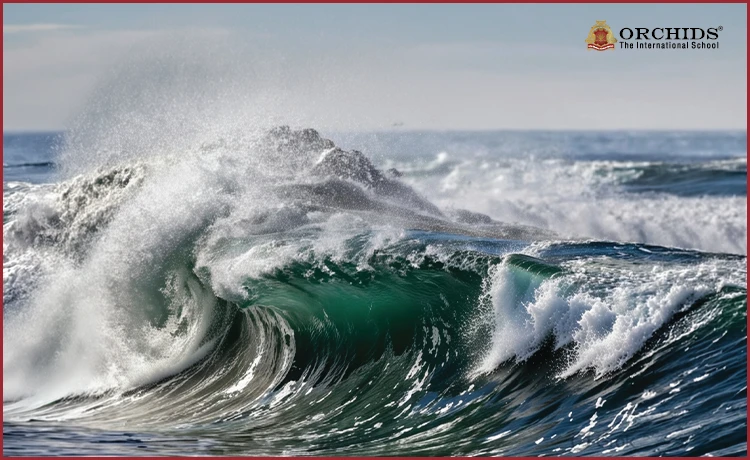
Interestingly! Tides are the gentle rise and fall of the sea that happen every single day, all thanks to the invisible pull of the Moon and the Sun on Earth’s oceans. This regular motion of water doesn’t just shape our coastlines, but also holds an incredible source of energy known as tidal energy.
What is observed is that at most coastal locations, this occurs twice a lunar day.
- The rise of the sea level is called high tide.
- The fall of the sea level is called low tide.
But here is the important question: how exactly do tides work?
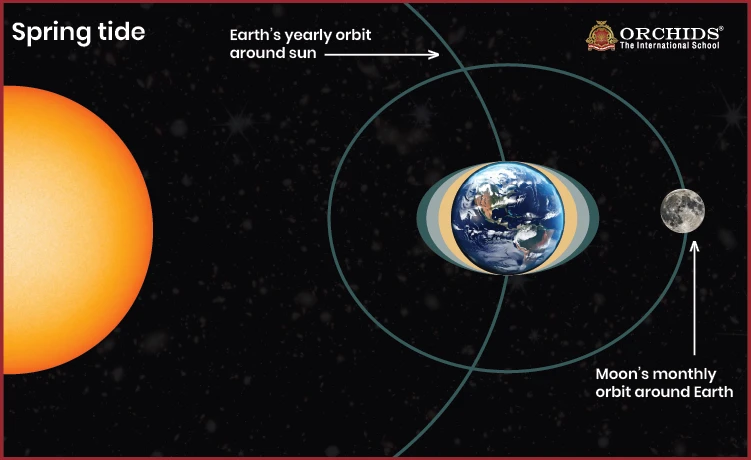
When the Earth, moon, and sun all align in a straight line, their combined gravitational pull becomes very strong.
This alignment causes high tides to become higher and low tides to become lower, and such a condition is known as spring tides, which usually occur during the new moon and full moon phases.
Conversely, after one week, when the moon and sun are at right angles relative to the Earth, their gravitational effects partially cancel each other.
What happens next is that this results in weaker tides with a smaller difference between high tides and low tides, known as neap tides, occurring during the quarter moon phase.
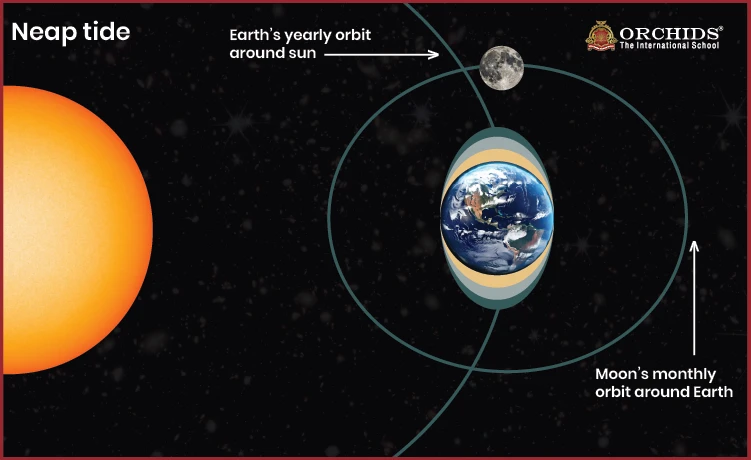
From the above, it can be concluded that, during each lunar month, two sets of spring tides and two sets of neap tides occur.
Going further, the question arises: Can we use this constant rise and fall of the sea to produce something useful? Let's find out!
What Is Tidal Energy?
As we learned, tides are a predictable natural phenomenon that occur regularly, and it is caused by the gravitational pull of the Moon and the Sun on the oceans of Earth.
So energy from this massive movement of water can be harnessed and converted into energy. And this energy is known as Tidal Energy.
This regular moment of rising and falling twice a day holds a good amount of the kinetic and potential energy.
The fact that by using a tidal energy generator, we can transform the movement of the ocean into usable energy. Let's discuss how it works with the help of a tidal energy diagram!
Tidal Energy Generator
Tidal energy is a form of energy obtained from the natural tides of the ocean to generate electricity. Tidal energy generators work best in coastal areas with strong tidal currents.
The tidal energy diagram below provides a clear illustration of how tidal energy is generated.
Let's take a closer look at the main parts of the Tidal energy generator:
Tidal barrages act like dams, holding and releasing seawater to drive turbines.
When the tide rises, thesluice gates are closed to trap seawater in thetidal basin, raising the water level inside relative to the ocean.
What is observed is that as the tide begins to fall outside the barrage up to the low water mark, the sluice gates open, allowing water from the higher tidal basin to flow back into the ocean.
And, this flowing water passes through the turbine, causing it to spin. The spinning turbine converts the kinetic energy of moving water into mechanical energy. This mechanical energy is then transformed into electrical energy by a connected generator.
Isn't it interesting how electricity is generated by using tides without burning fuel and without producing any kind of pollution?
Do you know!
|
Tidal energy generators and hydropower plants work on the same principle, but the only difference is that they rely on the natural movement of ocean tides rather than river flow. |
Advantages of Tidal Energy
- Tidal energy is highly predictable and consistent because of the gravitational pull of the Moon.
- Tidal energy is super eco-friendly because it does not produce any kind of harmful gases or waste.
- Tidal turbines are about 80% efficient and better than solar or wind power.
- Tidal power systems can protect coastlines from flooding during storms.
- Operational and maintenance costs are very lowcompared to other plants.
Disadvantages of Tidal Energy
- Providing tidal energy to coastal areas is quite challenging.
- Marine life can be at risk from turbines and blades, and this can also cause noise pollution.
- Energy is generated for only about 10 hours a day, so storage solutions are needed.
- Underwater maintenance and repairs can be complex.
Till now, we have learned that tidal energy offers a reliable and eco-friendly way to harness the natural power of the ocean. While it has some challenges, ongoing innovation is making it an increasingly practical and sustainable solution for our energy future.
Frequently Asked Questions on Tidal Energy
1. What is tidal energy definition?
Tidal energy is the power harnessed from the movement of ocean tides, which can be converted into usable electricity.
2. What are the advantages of tidal energy?
- Tidal energy is highly predictable and consistent.
- Tidal energy is super eco-friendly.
- Tidal turbines are about 80% efficient than other plants.
- Tidal power systems protect coastlines from flooding during storms.
3. What is the biggest problem with tidal power?
- High setup cost
- Providing tidal energy to coastal areas is quite challenging.
- Marine life can be at risk from turbines and blades.
- Energy is generated for only about 10 hours a day, so storage solutions are needed.
- Underwater maintenance and repairs can be complex.
4. Which country is first in tidal energy?
France is considered a pioneer in tidal energy production. It built the world’s first large-scale tidal power plant at the Rance Tidal Power Station in the 1960s.
5. Why is tidal power not used?
Tidal turbines, while effective for generating clean energy, can pose risks to marine life. Fish and other aquatic creatures may accidentally collide with the spinning blades, causing injury or death. Additionally, the low-level underwater noise from the turbines can disturb marine mammals, such as seals, affecting their natural behavior and communication.
Science isn't just a subject, it's the way of seeing the world. Curious how Orchids The International School teaches it that way? Talk to our admissions team.
Admissions Open for 2026-27
What type of concept pages would you prefer?
CBSE Schools In Popular Cities
- CBSE Schools in Bangalore
- CBSE Schools in Mumbai
- CBSE Schools in Pune
- CBSE Schools in Hyderabad
- CBSE Schools in Chennai
- CBSE Schools in Gurgaon
- CBSE Schools in Kolkata
- CBSE Schools in Indore
- CBSE Schools in Sonipat
- CBSE Schools in Delhi
- CBSE Schools in Rohtak
- CBSE Schools in Bhopal
- CBSE Schools in Aurangabad
- CBSE Schools in Jabalpur
- CBSE Schools in Jaipur
- CBSE Schools in Jodhpur
- CBSE Schools in Nagpur
- CBSE Schools in Ahmednagar
- CBSE School In Tumkur











Orchids The International School is one of India's leading chains of CBSE and ICSE schools, with 130+ schools across the country.