

Gravity
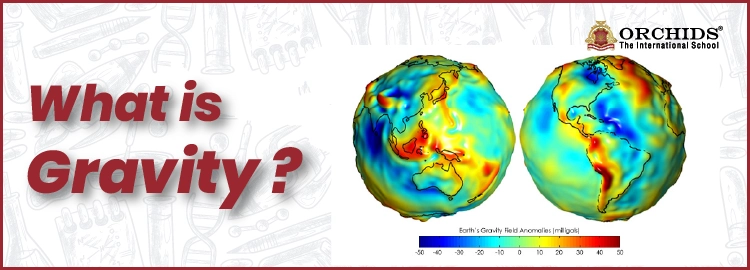
Gravity is the most common yet most mysterious force in the universe. It is the invisible pull that keeps your feet on the ground, makes raindrops fall, and holds the planets in their orbits. Even though we don’t notice it every second, interestingly, gravity shapes almost everything around us, from the way we move to the way the universe behaves. But have you ever thought about what would happen if gravity suddenly disappeared?
This article is a complete guide to understanding what gravity is, how it works, who discovered gravity, and why it matters so much in everyday life.
Table of Contents
- Must Know Facts about Gravity
- Who Discovered Gravity?
- What is Gravity?
- How Do We Measure Gravity?
- Everyday Examples of Gravity
- The Role of Gravity in the Mass Weight Relationship?
- Frequently Asked Questions on Gravity

Must Know Facts About Gravity
|
Who Discovered Gravity?
The story of gravity begins in 1687, when Sir Isaac Newton famously watched an apple fall from a tree. And instead of simply eating it, he wondered, “Why does the apple always fall straight down?”
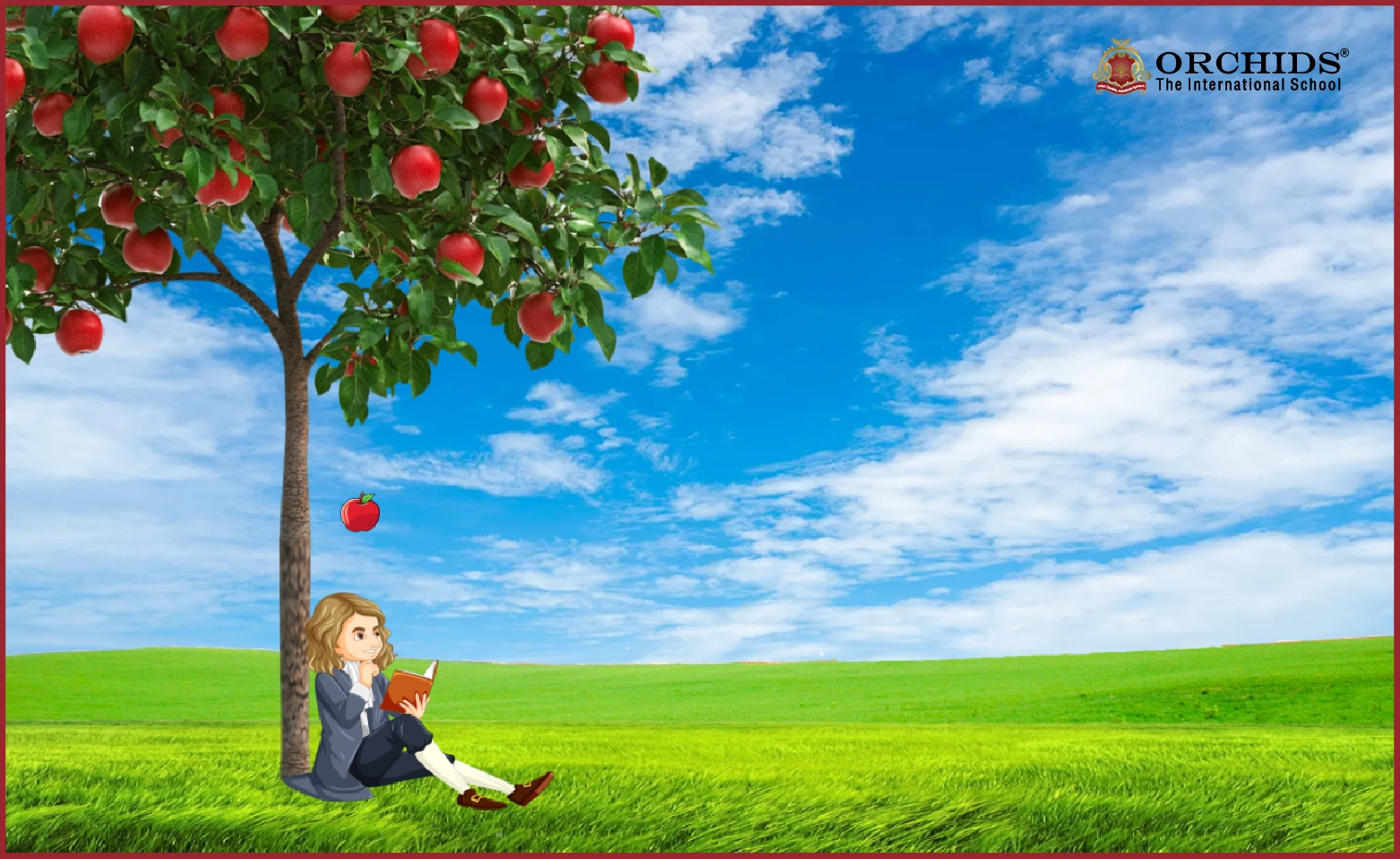
His curious mind led him to propose the Universal Law of Gravitation, which explains that every object in the universe attracts every other object.
His idea changed the world; it allowed scientists to understand how planets move, how tides work, and why objects behave the way they do.
Nearly 200 years later, Albert Einstein took this understanding even further. He suggested that gravity isn’t just a force; it’s actually the curving of space and time around massive objects.
To understand this, imagine placing a heavy ball on a stretched sheet. It creates a dip, and smaller balls naturally roll toward it.
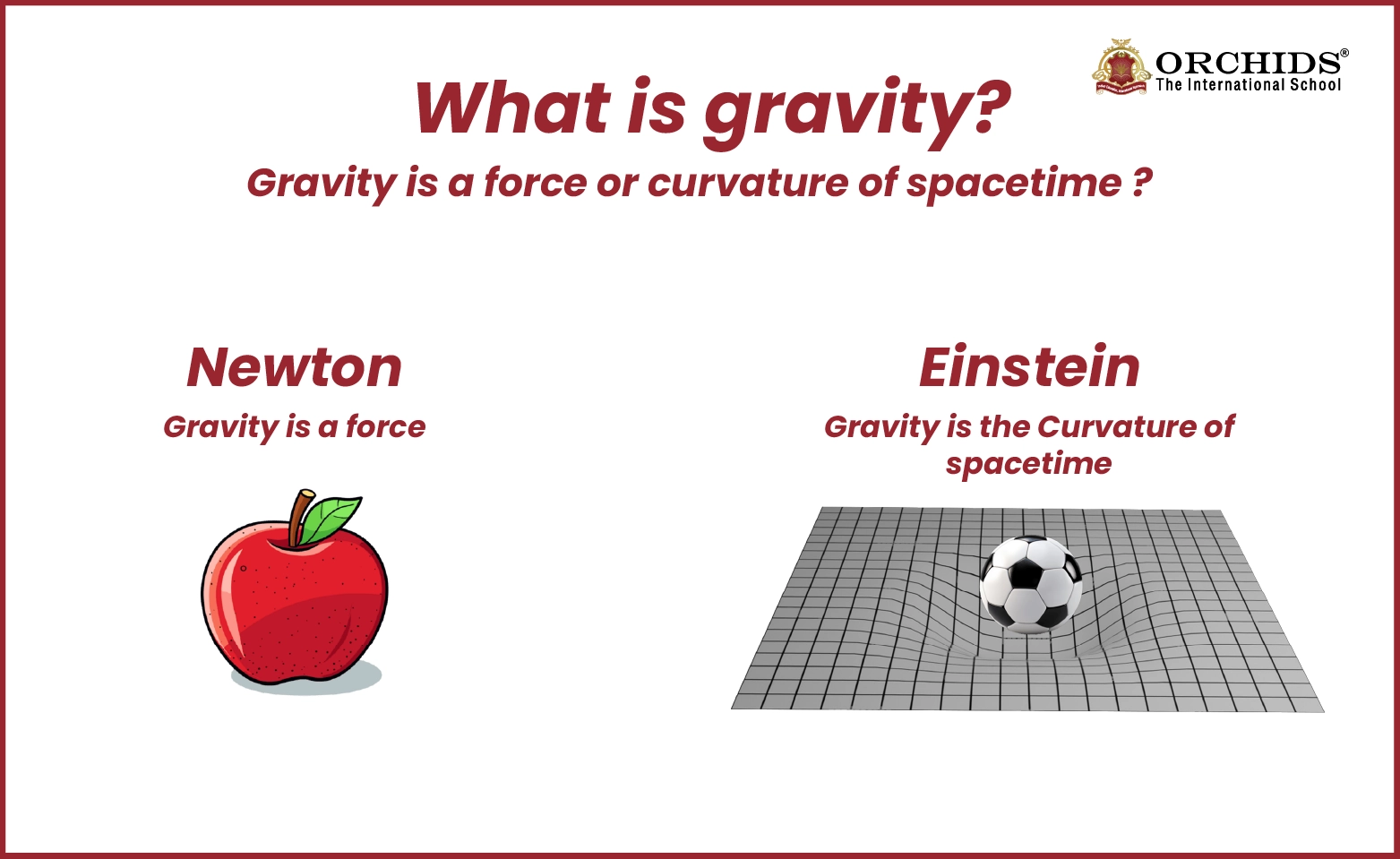
Einstein said the universe works similarly: planets curve space, and other planets move along those curves.
And this idea completely transformed our understanding of the universe.
You may be amazed after knowing that gravity keeps the entire universe in order. Here are some ways gravity helps life on Earth:
-
It keeps Earth moving safely around the Sun.
-
It holds the atmosphere in place, giving us air to breathe.
-
It keeps oceans, mountains, and everything else anchored to the planet.
-
It helps form stars, galaxies, and even black holes.
Without gravity, nothing would stay where it is, not even you! Interesting!
Now, let’s understand what makes all of this possible and what gravity is.
What is Gravity?
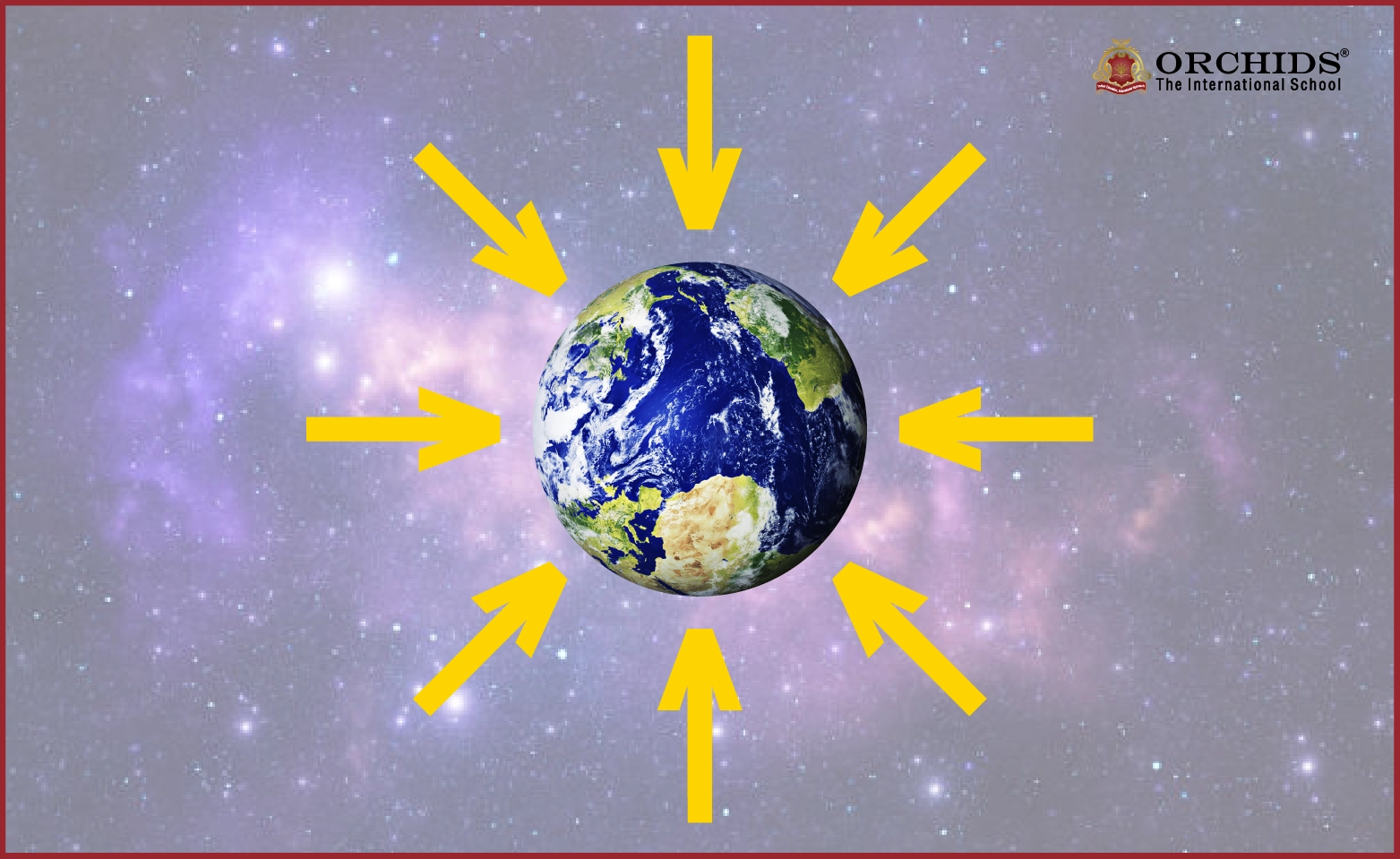
Gravity is a natural force that pulls objects toward each other. Anything that has mass, whether it’s a grain of sand, a book, a planet, or even your body, has gravity. The more mass something has, the stronger its pull.
Simply, it can be defined as,
|
“Gravity is the force that attracts objects towards the centre of the Earth or any other object that has mass.” |
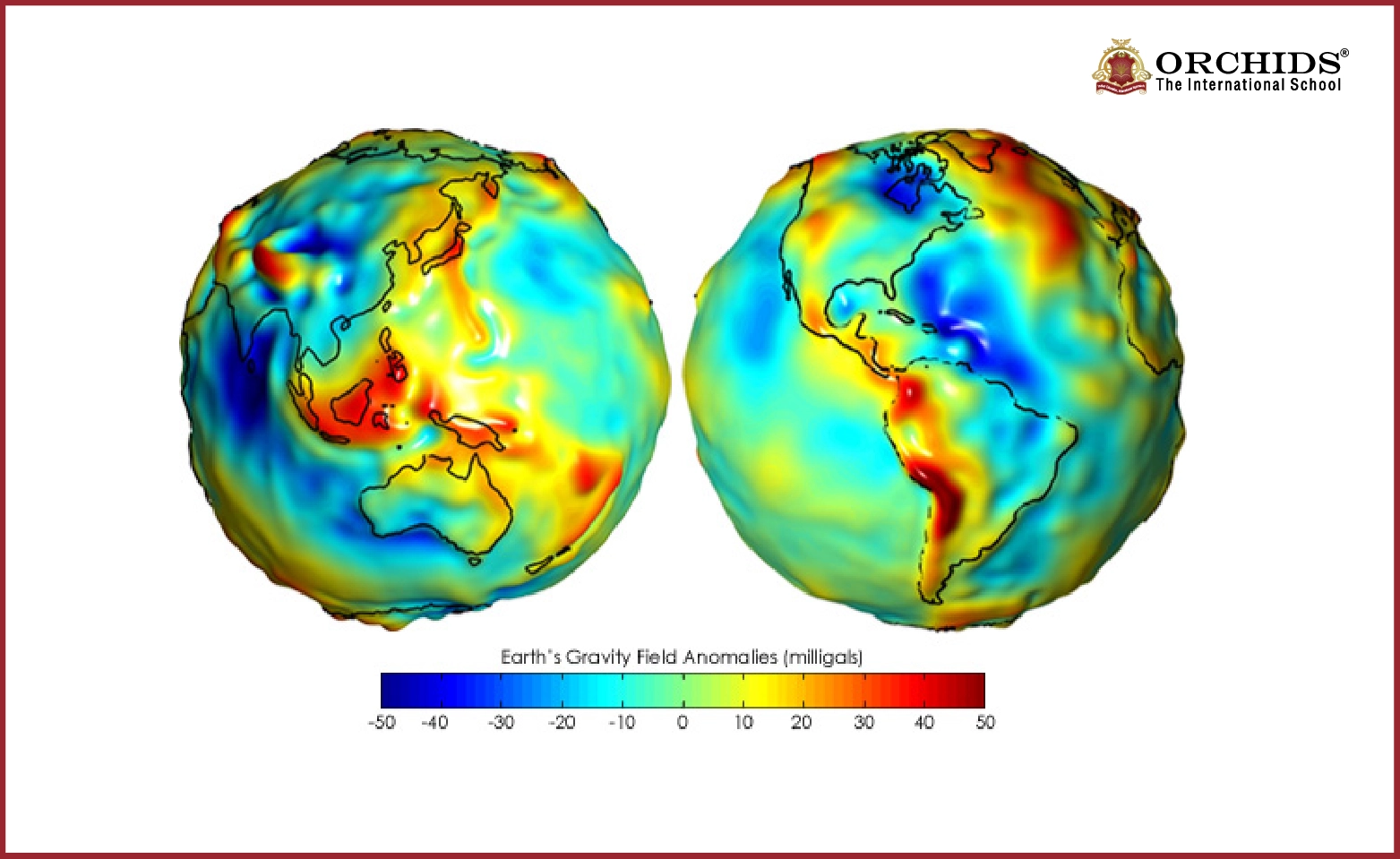
If we compare the gravity of Earth with other celestial bodies like the Moon or Jupiter, Earth has a moderate gravitational pull. However, this pull isn’t the same everywhere.
You may be amazed after knowing that different locations on Earth experience slightly stronger or weaker gravity! But why does this happen? Let's discuss,
This variation happens because the mass beneath Earth’s surface is not evenly distributed, such as some regions have denser rocks or thicker crust, which increases the local gravitational attraction.
Smaller objects with less mass produce a weaker gravitational pull, while larger or more massive objects generate a stronger one. That’s why Earth, being extremely massive, exerts a noticeable pull on everything around it.
This gravitational force keeps us stable on the ground. It ensures that objects fall downward when dropped and that oceans stay in place instead of drifting into space.
On average, the gravitational acceleration on Earth’s surface is:
From this, it can be concluded that any freely falling object increases its speed by 9.8 meters per second every second.
How Do We Measure Gravity?
Newton described gravity using this formula:
Where, F = gravitational force
m₁ and m₂ = masses of the objects
r = distance between objects
G = gravitational constant (6.674 × 10⁻¹¹)
From this formula, it can be concluded that bigger objects have stronger gravity, objects closer together pull more strongly, and gravity becomes weaker as distance increases.
Now, let’s look at how this force works specifically on Earth and affects everything around us.
Earth pulls everything toward it with an acceleration of about 9.8 m/s². That means that if you drop something, it speeds up at the same rate, no matter what it is made of.
Different places on Earth have slightly different gravitational values due to differences in mountains, rocks, and Earth’s shape.
Everyday Examples of Gravity
Here are some everyday examples where you can actually see gravity in action:
-
The Sun’s gravity keeps hot gases from floating away.
-
Water stays at the bottom of a glass instead of floating.
-
Tides in the ocean occur because of the Moon’s gravity.
-
Planets move in their orbits because of gravity.
-
In a vacuum, where there is no air, a feather and an iron rod fall at the same speed.
The Role of Gravity in the Mass Weight Relationship?
Many students confuse mass and weight, but they are not the same. Mass is the amount of matter in an object, while weight is the force with which gravity pulls that mass toward Earth.
To understand this in a better way, think about a simple pendulum. When the bob hangs at rest, gravity pulls it straight down.
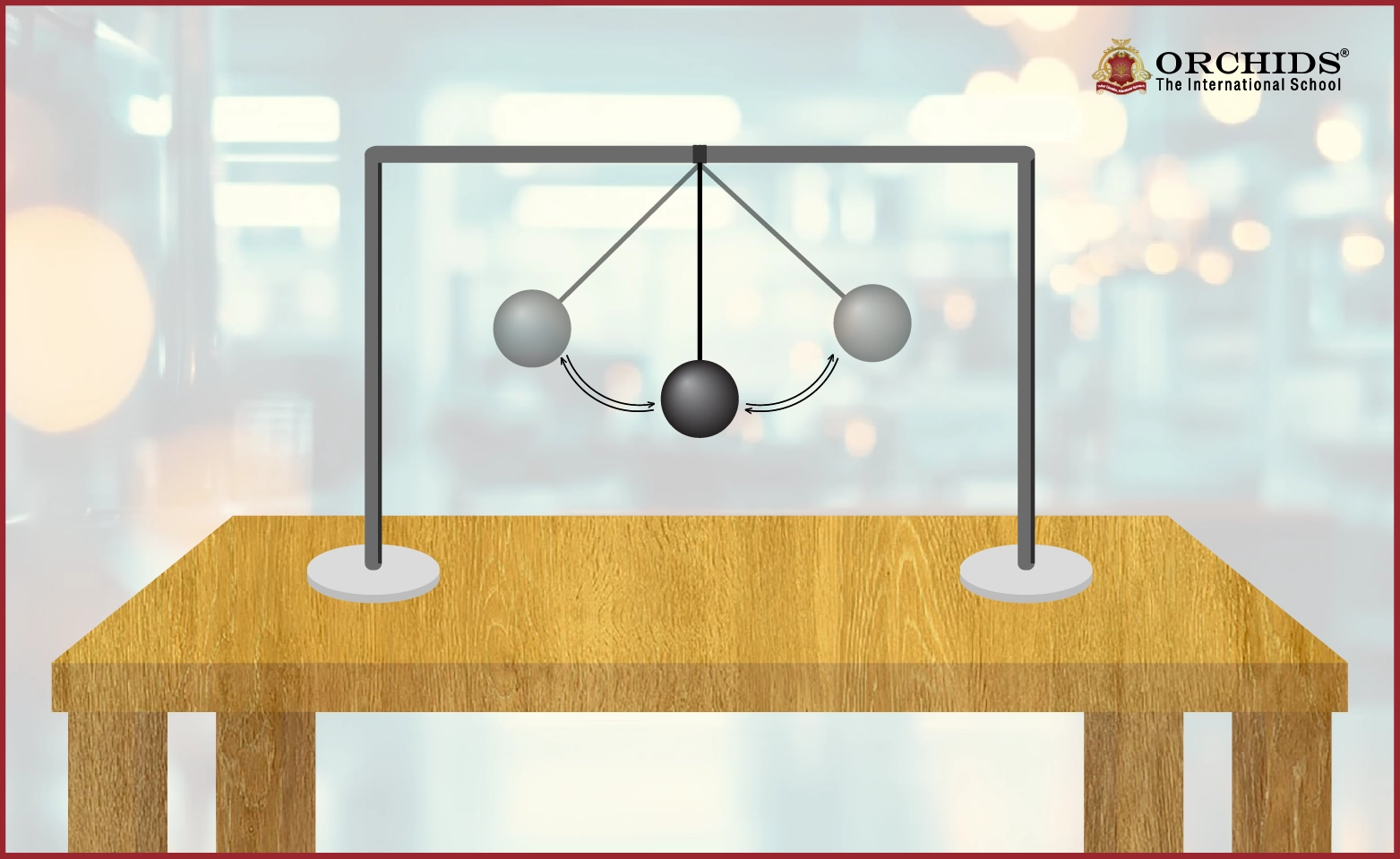
If you replace the bob with a heavier one, it feels a stronger pull and has more weight. This small change shows a big idea that is weight depends on how strongly gravity pulls on mass.
Weight depends directly on mass and is calculated using:
where is the force due to gravity, m is the mass of the object, and is the acceleration due to gravity (9.8 m/s² on Earth). An increase in mass results in an increase in weight, as long as gravity remains constant.
From above, it can be concluded that,
-
The mass of an object, its weight, also doubles.
-
An object with a larger mass will experience a stronger gravitational pull from the Earth.
-
At the same location on Earth, two objects with different masses will have different weights, even though gravity (g) is the same for both.
Interestingly, a heavier object is simply one on which gravity pulls more because it has more mass.
Now that you understand how gravity works, let’s have a look at some interesting and cool facts that reveal just how incredible this force really is.
Till now, we learned, gravity is a simple but powerful force that shapes everything in the universe, from the way we stand and walk to the way planets move in space.
Gravity keeps Earth stable, maintains the atmosphere, forms stars and galaxies, and affects every object with mass. Understanding gravity helps us to know how the universe stays connected and why life on Earth is possible.
Frequently Asked Questions on Gravity
1. What is the definition of gravity?
Gravity is a force that pulls objects toward each other. It explains why everything on Earth falls downward.
2. Why is gravity on Earth important for us?
Gravity keeps us steady, helps us walk, and gives weight to everything we use. Without it, life would not function normally.
3. What are the two things that cause gravity to act between objects?
Gravity depends on two factors: the mass of the objects and the distance between them. A larger mass and shorter distance increase the pull.
4. In which situations do we notice where gravity is the strongest?
Gravity is strongest near massive objects like planets, stars, or black holes. The closer you get, the stronger the force becomes.
5. Could humans live without gravity?
Humans cannot survive if they live without gravity because our bodies rely on it for movement and healthy bone and muscle function. Without gravity, our bodies would weaken quickly.
6. What are 3 examples of gravity?
A commonly seen 3 example of gravity is a falling ball, water flowing downward, or you staying firmly on the floor. All of this happens because gravity pulls things toward Earth.
7. Who discovered gravity?
Sir Isaac Newton explained how objects attract each other. His discovery changed our understanding of the physical world.
8. What is acceleration due to gravity?
Acceleration due to gravity is the rate at which objects speed up when falling freely toward Earth, with a standard value of 9.8 m/s².
Science isn't just a subject, it's the way of seeing the world. Curious how Orchids The International School teaches it that way? Talk to our admissions team.
Admissions Open for 2026-27
What type of concept pages would you prefer?
CBSE Schools In Popular Cities
- CBSE Schools in Bangalore
- CBSE Schools in Mumbai
- CBSE Schools in Pune
- CBSE Schools in Hyderabad
- CBSE Schools in Chennai
- CBSE Schools in Gurgaon
- CBSE Schools in Kolkata
- CBSE Schools in Indore
- CBSE Schools in Sonipat
- CBSE Schools in Delhi
- CBSE Schools in Rohtak
- CBSE Schools in Bhopal
- CBSE Schools in Aurangabad
- CBSE Schools in Jabalpur
- CBSE Schools in Jaipur
- CBSE Schools in Jodhpur
- CBSE Schools in Nagpur
- CBSE Schools in Ahmednagar
- CBSE School In Tumkur











Orchids The International School is one of India's leading chains of CBSE and ICSE schools, with 110+ schools across the country.