

Blood Cancer Symptoms
Blood cancer symptoms often start quietly in the bone marrow, which is why early symptoms are easy to miss. Fatigue, frequent infections, and unexplained weakness can feel like everyday issues, so they don’t raise concern right away. However, as abnormal cells continue to grow, they disrupt the immune system, oxygen supply, and blood clotting.
This article explains the symptoms of blood cancer, the causes of early symptoms, and the importance of recognising them at the right time can make a significant difference in diagnosis and treatment outcomes.
Table of Contents
- What Is Blood Cancer
- Blood Cancer Symptoms: What Should You Watch For
- How Doctors Diagnose & Stage Blood Cancer
- Frequently Asked Questions on Blood Cancer Symptoms

What Is Blood Cancer?
Blood cancer (also called haematologic cancer) develops when the DNA of blood-forming cells changes (mutates).
Because of these mutations, the cells stop following the body’s normal rules, they grow abnormally, they don’t die when they should, and they gradually crowd out healthy cells.
And blood cancer usually moves from a quiet early stage with mild fatigue or infections, to a middle stage where cancer cells grow rapidly and cause symptoms like frequent infections, bruising, bleeding and bone pain, and finally to an advanced stage marked by severe anaemia, extreme weakness, high infection risk and organ involvement
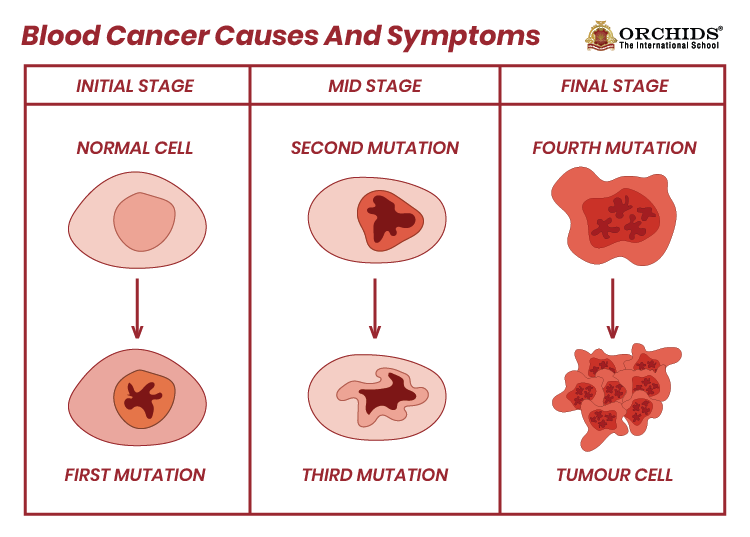
As these faulty cells accumulate, they interfere with essential functions like immunity, oxygen transport, and clotting.
You might think: why does this happen?
Let’s discuss.
Although the exact cause isn’t always clear, scientists know that a mix of genetic factors, environmental exposures, and ageing increases the risk of these DNA changes.
Blood Cancer Symptoms: What Should You Watch For?
One of the main difficulties with blood cancer is that its earliest signs rarely appear dramatic. Instead, they resemble everyday issues like tiredness, flu-like symptoms, or minor infections. Because of this, many people overlook the early warnings.
Yet, the body begins to send signals much earlier than we realise signals that slowly become more noticeable when the blood cells stop functioning normally.
To understand these blood cancer symptoms better, let’s look at how they gradually appear.
1. Persistent tiredness or weakness, this isn’t the kind of tiredness that improves with rest. As healthy red blood cells decrease, the body struggles to carry enough oxygen, making even routine tasks feel exhausting.
2. Fever or recurring chills, because abnormal blood cells weaken immunity, the body becomes more vulnerable to infections. These repeated infections often show up as low-grade fevers or chills that keep returning without an obvious cause.

3. Night sweats, unlike regular sweating, these episodes are intense and drenching. They occur when the body attempts to regulate abnormal internal inflammation or infection activity.
4. Unexplained weight loss, when the body fights uncontrolled cell growth, it burns more energy than usual. This leads to weight loss even without changes in diet or exercise.

5. Reduced appetite or feeling full quickly, an enlarged spleen or liver, common in some blood cancers, can press against the stomach, reducing appetite or causing early fullness.
6. Frequent infections, healthy white blood cells fight germs. But when cancerous cells take over, the body’s defence system weakens, leading to infections that occur more often and take longer to heal.
7. Pale skin and anaemia, a shortage of red blood cells, result in pale skin, constant fatigue, and reduced stamina. Anaemia is one of the most common early clues that something is wrong with blood production.
8. Shortness of breath, as oxygen levels drop, breathlessness may appear even during mild exertion or sometimes at rest.
9. Dizziness or light-headedness, decreased oxygen supply to the brain can make you feel faint, especially when standing up or doing simple activities.
10. Itchy skin or rashes, certain blood cancers release chemicals that irritate the skin, causing persistent itching or small red patches.
11. Swollen, painless lymph nodes in the neck, armpits, or groin may enlarge when abnormal cells build up. The swelling is usually painless, which is why it often goes unnoticed.
Also Read: Colon Cancer Symptoms
So, why does blood cancer cause these symptoms?
Let’s discuss.
Now think of your blood as a team with specialised roles:
-
Red blood cells carry oxygen
-
White blood cells fight infections
-
Platelets help in clotting
And when cancerous cells multiply:
-
Your body becomes more prone to infections
-
You bruise or bleed easily
-
You become tired faster due to a lack of oxygen
-
Your lymph nodes may swell due to abnormal cell buildup
To understand prevention and risk better, it helps to know how the disease actually develops.
Your DNA acts like a control panel that tells cells when to grow and when to step aside. But when DNA instructions go wrong:
-
Cells stop following normal rules
-
They keep growing when they shouldn’t
-
They refuse to die at the right time
-
They take over space meant for healthy cells
This chain reaction disrupts normal blood production and gradually leads to blood cancer.
Once the disease is understood, the focus shifts to how it can be treated. Treatment varies depending on the type, stage, and speed of progression.
1. Watch and Wait (Active Surveillance), for slow-growing cancers, immediate treatment isn’t always necessary. Doctors monitor the patient closely, starting treatment only when needed. This approach avoids unnecessary side effects while keeping the patient safe.
2. Chemotherapy, when treatment is required, is one of the most common options. It uses powerful drugs to destroy cancer cells and is often administered through:
-
Arm or hand veins
-
A chest port for easier long-term access
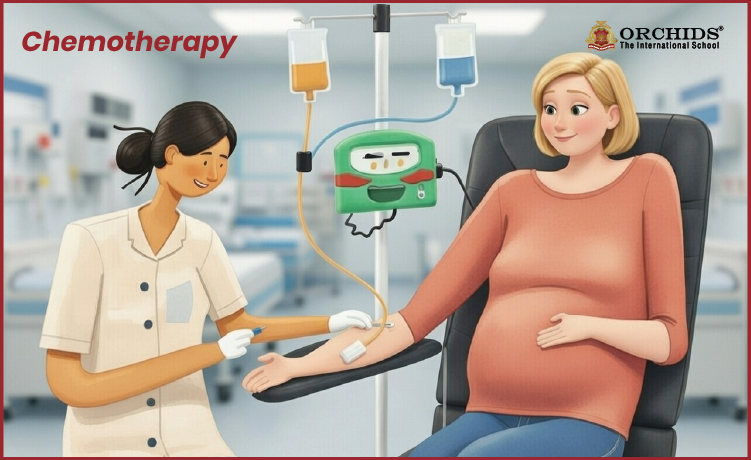
Most patients receive it as outpatients and return home the same day. Depending on the cancer type, doctors may combine chemotherapy with immunotherapy or targeted therapy for better results.
How Doctors Diagnose & Stage Blood Cancer
When someone shows symptoms that raise suspicion, doctors begin by gathering clues about what’s happening inside the body. This starts with diagnosis, but the process doesn’t stop there. Once cancer is detected, the next step is to understand how advanced it is, which is known as staging.
To get this full picture, doctors use a series of tests that complement each other:
-
Blood tests to check for abnormal cell counts
-
Bone marrow examination to look directly at how blood cells are forming
-
Imaging tests (CT, PET, X-ray) to see if cancer has spread
-
Physical examination to identify swollen nodes or organ changes
-
Lymph node removal in select cases for deeper analysis
Together, these tests help determine the severity, spread, and best treatment strategy.
In this article, we understand what the symptoms of blood cancer, its causes, how it develops, and the ways it’s treated helps reduce fear and uncertainty. Early detection makes a significant difference; many early symptoms are subtle, so knowing what to look for and seeking timely medical help can truly save lives.
Frequently Asked Questions on Blood Cancer Symptoms
1. What are the symptoms of blood cancer?
Persistent fatigue, fever, night sweats, unexplained weight loss, frequent infections, breathlessness, and painless swollen lymph nodes are among the earliest warning signs.
2. What are the three main types of blood cancer?
The three major types are leukaemia, lymphoma, and myeloma, each affecting different blood-forming cells.
3. Why does blood cancer cause frequent infections and bruising?
Cancerous cells overcrowd healthy white blood cells and platelets, weakening immunity and reducing the blood’s ability to clot.
4. Are there skin-related symptoms?
Yes, itchiness, persistent rashes, tiny red spots (petechiae), and easy bruising can appear due to reduced platelets or immune changes.
5. How do doctors diagnose and stage blood cancer?
Diagnosis involves blood tests, bone marrow biopsy, imaging scans (CT/PET), and lymph node evaluation to determine cancer type and spread.
6. What causes blood cancer at the cellular level?
It begins with DNA mutations in blood-forming cells, causing uncontrolled growth of abnormal cells.
7. Do symptoms differ between leukaemia, lymphoma, and myeloma?
Yes, each cancer affects different cells, so symptoms range from infections (leukaemia) to swollen nodes (lymphoma) and bone pain (myeloma).
8. What’s the difference between a cause and a risk factor?
A cause directly triggers cancer, while a risk factor only increases the likelihood of developing it.
9. Is blood cancer curable?
Many types are treatable with modern therapies, and several can achieve long-term remission or full recovery depending on stage and type.
Science isn't just a subject, it's the way of seeing the world. Curious how Orchids The International School teaches it that way? Talk to our admissions team.
Admissions Open for 2026-27
What type of concept pages would you prefer?
CBSE Schools In Popular Cities
- CBSE Schools in Bangalore
- CBSE Schools in Mumbai
- CBSE Schools in Pune
- CBSE Schools in Hyderabad
- CBSE Schools in Chennai
- CBSE Schools in Gurgaon
- CBSE Schools in Kolkata
- CBSE Schools in Indore
- CBSE Schools in Sonipat
- CBSE Schools in Delhi
- CBSE Schools in Rohtak
- CBSE Schools in Bhopal
- CBSE Schools in Aurangabad
- CBSE Schools in Jabalpur
- CBSE Schools in Jaipur
- CBSE Schools in Jodhpur
- CBSE Schools in Nagpur
- CBSE Schools in Ahmednagar
- CBSE School In Tumkur











Orchids The International School is one of India's leading chains of CBSE and ICSE schools, with 110+ schools across the country.