

Difference Between Autotrophs and Heterotrophs
The difference between autotrophs and heterotrophs is one of the most fascinating concepts in biology. Every living organism, whether a tiny bacterium or a giant elephant, needs energy to survive.
But have you ever thought about where this energy actually comes from? Well, organisms follow two major nutritional modes to stay alive: autotrophic and heterotrophic. Both help living beings obtain energy, but they work in completely different ways.
This article aims to cover the difference between autotrophs and heterotrophs, how they obtain their nutrition, and why both are essential for maintaining balance in nature.
Table of Contents
- Autotrophs vs Heterotrophs: How Living Things Get Energy?
- Difference Between Autotrophs and Heterotrophs
- Frequently Asked Questions on Difference Between Autotrophs and Heterotrophs

Autotrophs vs Heterotrophs: How Living Things Get Energy?
Have you ever thought about how plants and animals get the energy they need to live and grow?
The answer lies in nutrition, the process by which living things take in food and use it for energy and other life activities. Without food, life would not be possible.
So, do all organisms get their food the same way?
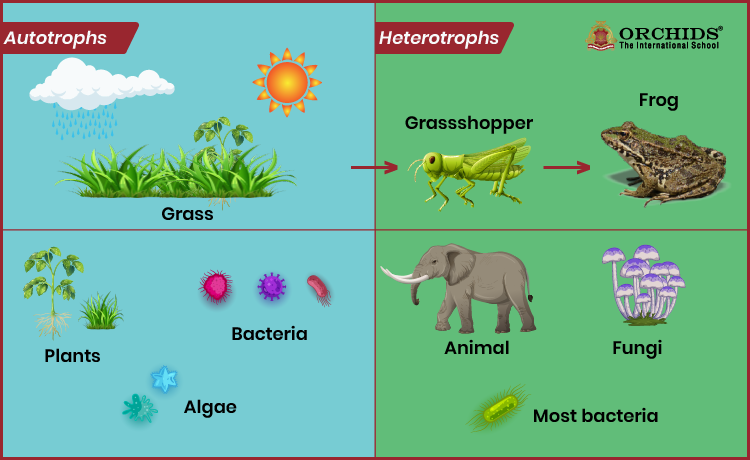
Not exactly. Some, called autotrophs, can make their own food.
And the fact is, they use sunlight or chemicals to turn simple substances like water and carbon dioxide into energy-rich food. Green plants, algae, and some bacteria are examples.
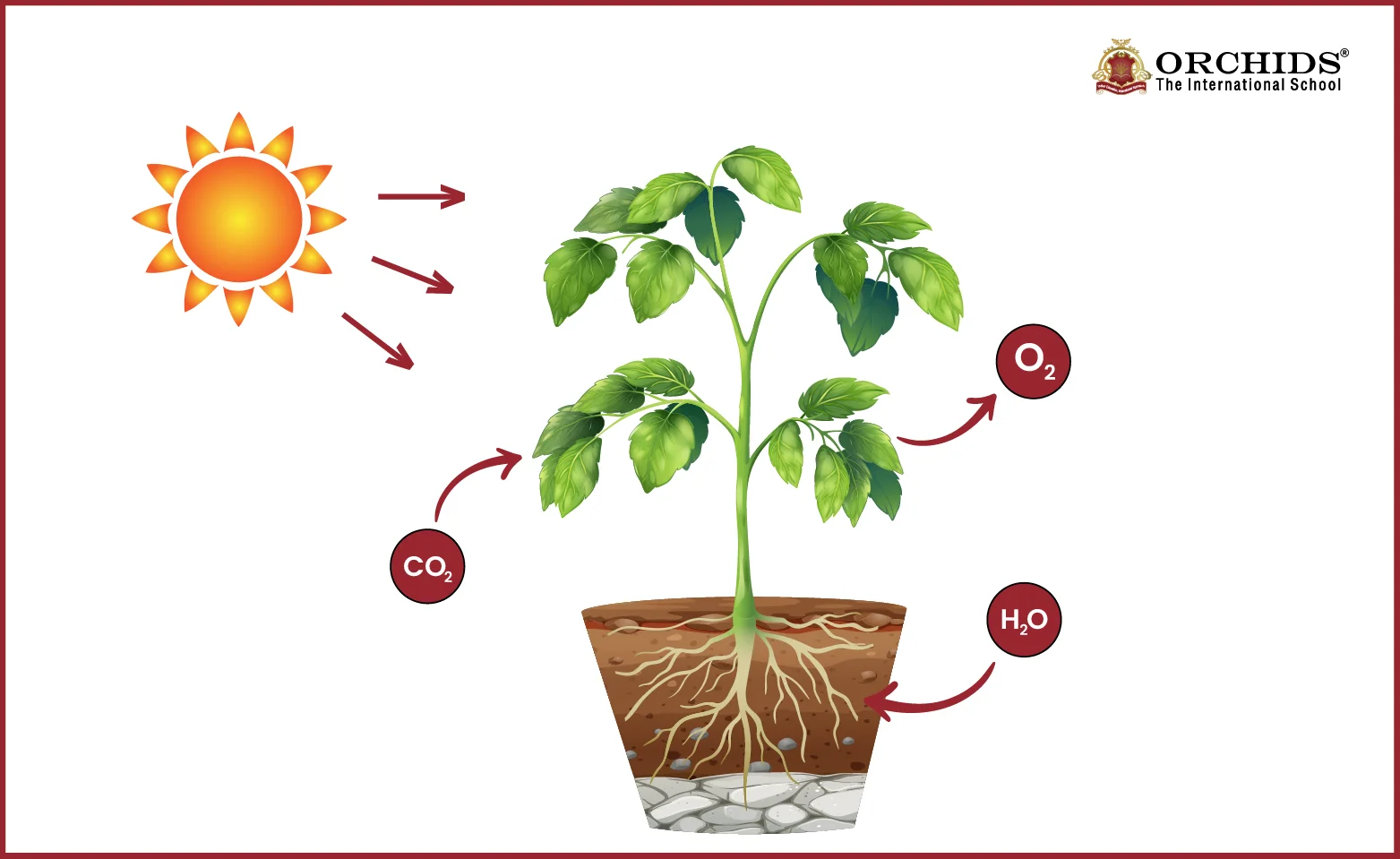
Because they produce their own food, they are called producers. They form the base of the food chain, providing energy for all other living things.
But what about organisms that cannot make their own food? These are called heterotrophs.
And a question might arise: how do they survive?
Let’s discuss
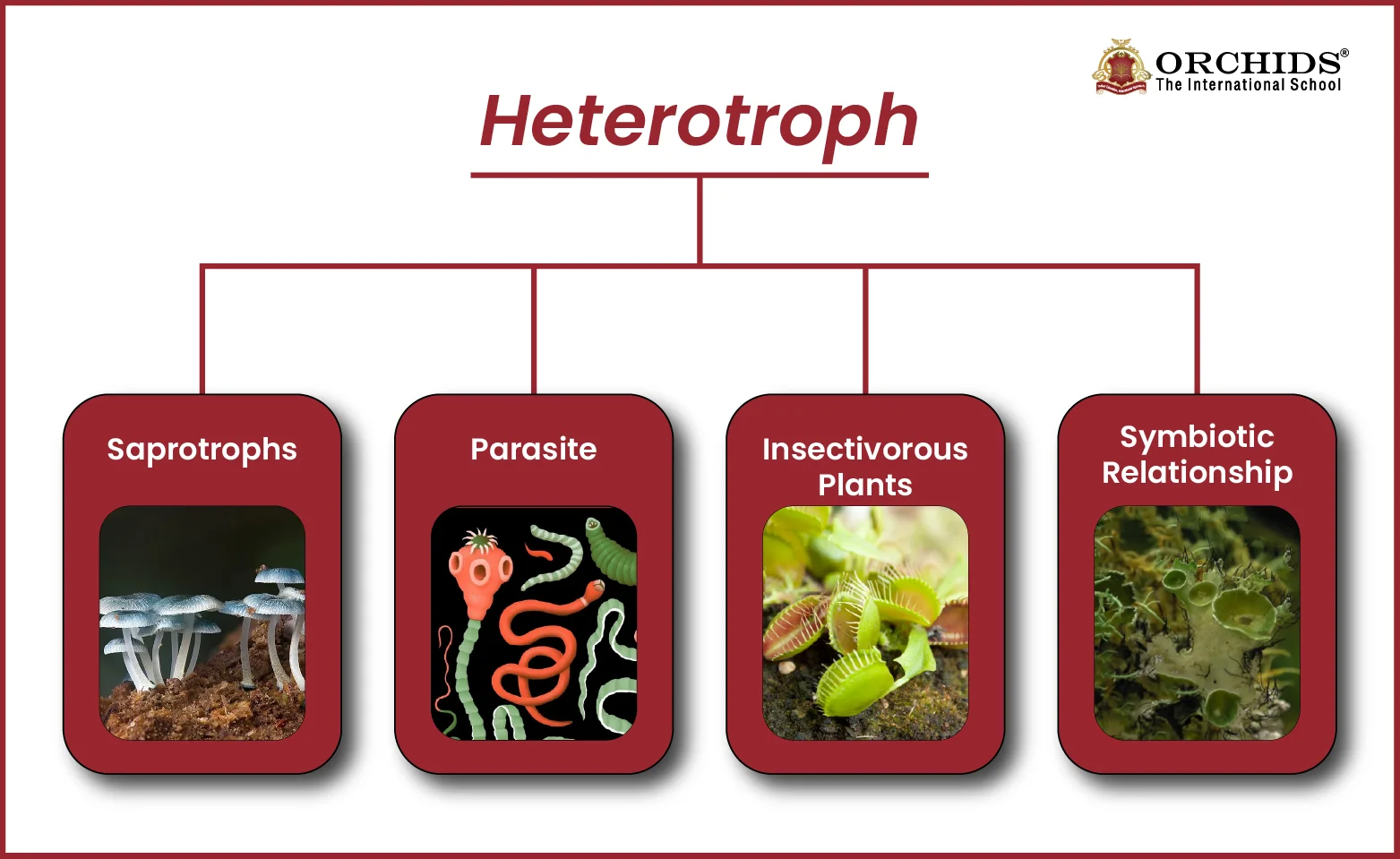
They eat plants or other animals to get energy. Among them, herbivores eat only plants, carnivores eat only animals, and omnivores eat both. These consumers pass energy through the food chain and help keep nature in balance.
By looking at what is the difference between autotrophic and heterotrophic nutrition, we can see how energy flows through ecosystems.
Isn’t it amazing how every living thing is connected and depends on one another?
Difference Between Autotrophs and Heterotrophs
Now, let’s look at a simple comparison that shows what is the difference between autotrophic and heterotrophic nutrition clearly:
|
Feature |
Autotrophs |
Heterotrophs |
|
Mode of Nutrition |
Autotrophic nutrition |
Heterotrophic nutrition |
|
Food Production |
Make their own food |
Depend on others for food |
|
Energy Source |
Use sunlight (photosynthesis) or chemicals (chemosynthesis) |
Obtain energy from consuming plants or animals |
|
Type of Organisms |
Plants, algae, and some bacteria |
Animals, fungi, and many bacteria |
|
Role in Food Chain |
Producers |
Consumers |
|
Example |
Green plants, cyanobacteria |
Humans, cows, lions |
|
Carbon Source |
Use carbon dioxide |
Use organic carbon compounds |
|
Dependency |
Independent |
Dependent on autotrophs or other organisms |
Till now, we have studied what the difference is between autotrophic and heterotrophic nutrition and how easy it is to see how both play essential roles in maintaining the Earth’s life systems.
Autotrophs start the flow of energy, and heterotrophs keep it going together; they make life on Earth possible.
Frequently Asked Questions on Difference Between Autotrophs and Heterotrophs
1. What is the difference between autotrophic and heterotrophic nutrition?
Autotrophic nutrition involves making food from inorganic substances, while heterotrophic nutrition involves consuming organic food made by others.
2. Are all plants autotrophs?
Most plants are autotrophs, but some, like pitcher plants and Venus flytraps, are partly heterotrophic, as they trap insects for extra nutrients.
3. Why are autotrophs called producers?
They produce food that serves as the base of the food chain for all other organisms.
4. Autotrophs vs Heterotrophs: Do they differ?
Autotrophs make their own food using sunlight or chemicals, while heterotrophs depend on other organisms for food.
5. What is an example of a heterotrophic organism?
Humans are heterotrophs since they rely on plants and animals for food.
6. Can autotrophs survive without sunlight?
Some autotrophs, like chemosynthetic bacteria, can make food without sunlight using chemical energy from inorganic compounds.
7. Autotrophs vs heterotrophs: Do they depend on each other?
Autotrophs supply food and oxygen to heterotrophs, while heterotrophs release carbon dioxide that autotrophs use for photosynthesis.
Science isn't just a subject, it's the way of seeing the world. Curious how Orchids The International School teaches it that way? Talk to our admissions team.
Admissions Open for 2026-27
What type of concept pages would you prefer?
CBSE Schools In Popular Cities
- CBSE Schools in Bangalore
- CBSE Schools in Mumbai
- CBSE Schools in Pune
- CBSE Schools in Hyderabad
- CBSE Schools in Chennai
- CBSE Schools in Gurgaon
- CBSE Schools in Kolkata
- CBSE Schools in Indore
- CBSE Schools in Sonipat
- CBSE Schools in Delhi
- CBSE Schools in Rohtak
- CBSE Schools in Bhopal
- CBSE Schools in Aurangabad
- CBSE Schools in Jabalpur
- CBSE Schools in Jaipur
- CBSE Schools in Jodhpur
- CBSE Schools in Nagpur
- CBSE Schools in Ahmednagar
- CBSE School In Tumkur











Orchids The International School is one of India's leading chains of CBSE and ICSE schools, with 110+ schools across the country.