

What Is Biotechnology: Features, Uses and Interesting Facts
What is Biotechnology? It is one of the most exciting areas of science because it connects living organisms with technology to solve real-world problems. From developing life-saving medicines to improving crops and protecting the environment, biotechnology quietly shapes our daily lives more than we realise.
You may not always notice it, but every time you take a vaccine, eat genetically improved rice, or use antibiotics, biotechnology is at work. This article will help you understand what is biotechnology, how it works, its principles, important types, and why it matters so much in today’s world.
Table of Contents
- What Is Biotechnology
- Principles of Biotechnology
- Applications of Biotechnology
- Frequently Asked Questions on What Is Biotechnology

What is Biotechnology?
Simply put, biotechnology is the use of living organisms, cells, or their parts to create products and technologies that improve our lives.
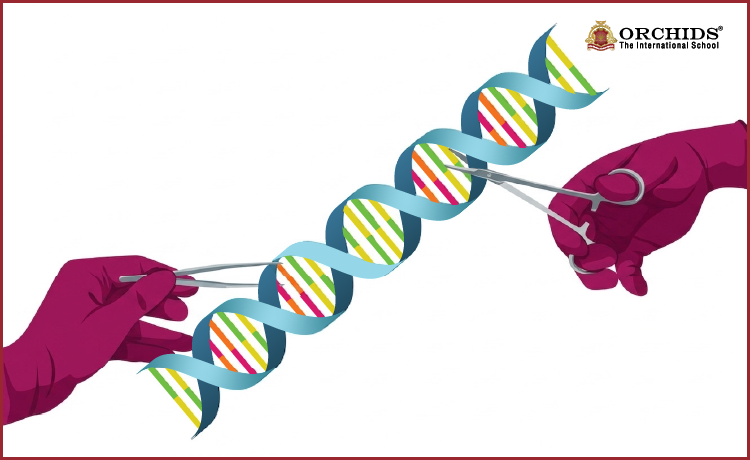
It’s about applying what we know about biology to make life healthier, easier, and more productive.
So, where do we see biotechnology in action?
Almost everywhere. From baking bread and making curd to preparing wine or producing medicines, we experience it every day. It also helps create vaccines, develop improved food crops, make industrial products, and design eco-friendly solutions.
But where did this idea come from?
The word comes from bio, meaning life, and technology, which is the use of scientific knowledge.
Karl Ereky first introduced the term in 1919, describing it as using living organisms to make useful products.
While the term sounds modern, humans have practiced early forms of biotechnology for thousands of years through fermentation, selective breeding, and crop improvement.
When did biotechnology take a big leap forward?
In 1973, scientists successfully modified the DNA of a bacterium called E. coli. This breakthrough marked the beginning of genetic engineering and opened doors to exciting innovations in medicine and agriculture.
Interestingly! It can be divided into types based on its use. Medical biotechnology focuses on human health. It produces vaccines, insulin, antibiotics, and synthetic hormones, helping treat diseases, control infections, and develop safer therapies.
On the other hand, agricultural biotechnology focuses on improving crops and livestock.
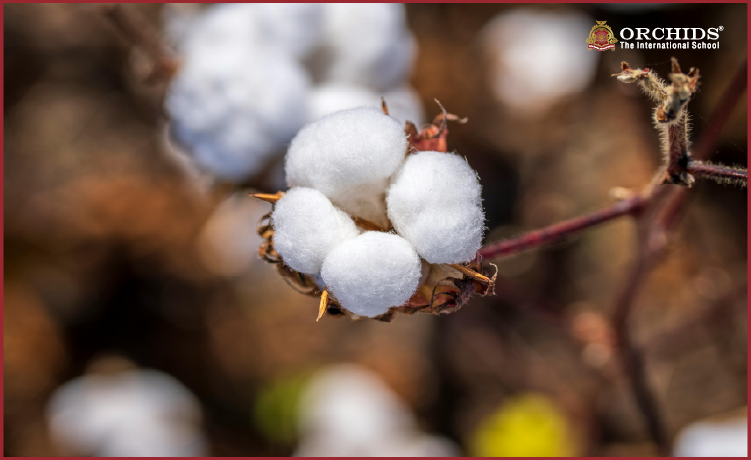
And have you heard of Bt cotton, Bt brinjal, or golden rice?
These crops resist pests, provide more nutrients, and even survive harsh conditions. This helps farmers grow healthier, more abundant, and more nutritious food for a growing population.
So why does biotechnology matter?
It bridges science and daily life, impacting medicine, agriculture, industry, and the environment. Every time you take medicine, eat nutritious crops, or enjoy cleaner products, biotechnology has played a role in making life better.
Principles of Biotechnology
Modern biotechnology is built on two main ideas: genetic engineering and bioprocess engineering. Together, they allow scientists to not only modify genes but also produce useful products in large quantities for medicine, agriculture, and industry.
1. Have you ever wondered how scientists create pest-resistant crops or produce human insulin in a lab? This is the work of genetic engineering.
Simply put, it involves changing the DNA of an organism to give it new abilities or traits. For example, cotton can be made resistant to pests, bacteria can produce insulin, and plants can be developed to resist certain diseases.
2. A key technique in this process is recombinant DNA technology, which allows a gene from one organism to be inserted into another.
The steps are straightforward: first, scientists select the gene they want, then choose a carrier called a vector (usually a plasmid), insert the gene into the host, and finally let it express in the host cell.
Special enzymes make this possible: restriction enzymes cut the DNA, ligase joins it, and polymerase replicates it. Thanks to this method, many medicines today, including insulin, can be produced safely and efficiently.
3. Once a gene is successfully inserted, the next challenge is producing the product on a large scale. This is where bioprocess engineering comes in.
It involves growing microorganisms in controlled bioreactors, maintaining sterile conditions, extracting the product, and then purifying and packaging it. Products made using this approach include vaccines, antibiotics, enzymes, organic acids, and antibodies.
The final step, called downstream processing, ensures that everything is safe and ready for medical or industrial use.
4. Modern biotechnology also relies heavily on computers through bioinformatics. By combining biology and technology, scientists can store genetic information, study protein structures, compare DNA sequences, and better understand diseases.
Without bioinformatics, research in genetics and biotechnology would move much slower.
So, biotechnology works like a chain: genetic engineering creates the desired traits, bioprocess engineering produces them safely on a large scale, and bioinformatics ensures research and production are accurate and efficient.
Applications of Biotechnology
Biotechnology quietly works behind the scenes to make life healthier, safer, and easier. Whether it is the medicine we take, the food we eat, or the fuel that powers vehicles, biotechnology plays a role in shaping modern life. It uses living cells and organisms to solve real-world problems in simple and effective ways.
To understand its impact better, look at how biotechnology is used across different fields:
|
Area |
How Biotechnology Helps |
|
Healthcare |
Helps treat diseases, develop vaccines, and produce proteins and hormones such as insulin |
|
Agriculture |
Improves crop quality, increases food production, and reduces the need for harmful pesticides |
|
Environment |
Cleans polluted soil and water, treats waste safely, and helps protect endangered plant and animal species |
|
Industry |
Produces biofuels, creates eco-friendly products, and manufactures useful enzymes for daily use |
Till now, we understood that biotechnology connects biology with innovation and uses natural systems to solve human problems. From new medicines to stronger crops, biotechnology continues to improve health, protect the planet, and make the future more sustainable.
As technology grows, so will biotechnology’s influence on medicine, farming, and the environment.
Frequently Asked Questions on What Is Biotechnology
1. What is biotechnology in simple words?
Biotechnology is the use of living organisms, cells, or their parts to create useful products like medicines, food, and vaccines.
2. Why is biotechnology important?
It helps improve health care, grow better crops, protect the environment, and produce eco-friendly products that improve daily life.
3. What are the two main principles of biotechnology?
The two main principles are genetic engineering, which modifies DNA, and bioprocess engineering, which uses living cells to produce products on a large scale.
4. What is genetic engineering?
Genetic engineering is the method of changing an organism’s DNA to give it new and useful traits, such as disease resistance or faster growth.
5. What is recombinant DNA technology?
It is a technique in which DNA from two different organisms is joined together to make new genetic material with desired features.
6. What is a cloning vector?
A cloning vector is a DNA carrier, like a plasmid, that helps transfer a gene into a host cell for copying or expression.
7. Where is biotechnology used in daily life?
It is used in medicine, agriculture, food production, waste treatment, and the manufacture of chemicals and biofuels.
8. Can biotechnology harm the environment?
When used responsibly, biotechnology helps protect the environment by reducing waste and pollution. However, careless use may disturb ecosystems, so safety rules are important.
Science isn't just a subject, it's the way of seeing the world. Curious how Orchids The International School teaches it that way? Talk to our admissions team.
Admissions Open for 2026-27
What type of concept pages would you prefer?
CBSE Schools In Popular Cities
- CBSE Schools in Bangalore
- CBSE Schools in Mumbai
- CBSE Schools in Pune
- CBSE Schools in Hyderabad
- CBSE Schools in Chennai
- CBSE Schools in Gurgaon
- CBSE Schools in Kolkata
- CBSE Schools in Indore
- CBSE Schools in Sonipat
- CBSE Schools in Delhi
- CBSE Schools in Rohtak
- CBSE Schools in Bhopal
- CBSE Schools in Aurangabad
- CBSE Schools in Jabalpur
- CBSE Schools in Jaipur
- CBSE Schools in Jodhpur
- CBSE Schools in Nagpur
- CBSE Schools in Ahmednagar
- CBSE School In Tumkur











Orchids The International School is one of India's leading chains of CBSE and ICSE schools, with 110+ schools across the country.