

Depression Symptoms
Depression symptoms can slowly become part of your life without you even noticing. At first, you may just feel tired or lose interest in things you once enjoyed.
But over time, everything starts to feel more difficult. Depression symptoms start with getting out of bed, talking to people, or doing simple tasks, which can feel like a big effort. It’s not just feeling sad for a few days; it stays for a long time and affects how you think, feel, and live.
This article provides insights on the signs and symptoms of depression, how they show up in daily life, and why noticing them early is so important.
Table of Contents
- What is Depression and it’s symptoms
- What are the signs and symptoms of depression
- Diagnosis, Treatment and Prevention of Depression
- Frequently Asked Questions on Depression Symptoms

What is Depression and its symptoms?
Have you ever felt like no matter what you do, that heavy feeling in your chest just doesn’t go away?
That’s what depression can feel like, not just sadness, but a deep, lasting emptiness that touches every part of life.
Let’s discuss in detail.
Depression is one of the most common yet serious mental health conditions, and it affects how a person thinks, feels, and lives each day.
And you must note that it’s not just about “feeling low for a while”; it’s about struggling to find joy or energy in things that once made you happy.
But how do you really know if what you’re feeling is depression and not just a rough patch?
What Are The Signs and Symptoms of Depression?
Let’s look closer at the most common symptoms of depression and how they might show up in real life:
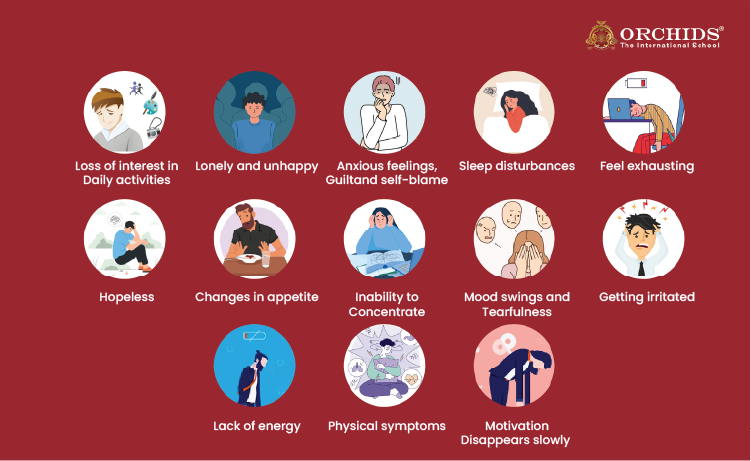
- A dull sadness lingers even on good days, making it hard to feel happy no matter how much you try; it leads to a loss of interest in daily activities.
- Lonely and unhappy, the things that once brought joy, like your favourite food, hobbies or time with loved ones, slowly lose their meaning
- You start feeling hopeless, as if nothing will ever change, and life has lost its colour.
- Anxious feelings, guilt and self-blame creep in, making you believe you’re not good enough or that everything is your fault
- Each day feels heavier than the last, and even simple things like getting out of bed or replying to a message feel exhausting
- Sleep disturbances, as it stops being restful; you either lie awake for hours or sleep too much just to escape the feelings
- Changes in appetite, some days you forget to eat, while on others you eat to fill the emptiness
- . Inability to concentrate as concentration fades, your mind drifts, and it becomes hard to stay focused or remember small things
- Mood swings and tearfulness in the darkest moments, painful thoughts about disappearing or not wanting to go on, start to surface
- You find yourself snapping at people or getting irritated over the smallest things that never used to bother you
- Sometimes your body can’t sit still, and other times it feels like you’re moving through thick fog due to lack of energy.
- Physical symptoms such asheadaches or stomach issues appear for no clear reason and just won’t go away
- And another major depression symptom is that motivation disappears slowly until even daily routines like bathing or cooking feel meaningless
And here’s something important to remember: depression doesn’t look the same for everyone. It can depend on your age, environment, and even can notice some major symptoms of depression in women
For example, symptoms of depression in women can appear more emotionally intense. Women might feel easily overwhelmed, cry more often, or carry a deep sense of guilt or self-doubt.
And hormonal changes during menstruation, pregnancy, postpartum periods, and menopause can make these feelings worse can be concerning symptoms of depression in women
Sometimes, women experience postpartum depression, which shows up during or after pregnancy. It’s not just the “baby blues”; it’s a heavy sadness, anxiety, and exhaustion that can make it hard to bond with or care for the baby
So, does depression affect everyone in the same way? Let’s discuss.
Not really; signs and symptoms of depression don’t look the same in everyone. It comes in several forms, each with its own triggers and patterns.
Here are the major types of depression, along with their depression symptoms:
|
Type of Depression |
Description |
|
Major Depression (Clinical Depression) |
Persistent sadness, hopelessness, and loss of interest in most activities for at least two weeks. |
|
Chronic Depression (Dysthymia) |
A milder but long-term form of depression that can last for years. |
|
Atypical Depression |
Characterised by mood reactivity (feeling temporarily better after positive events), increased appetite, and oversleeping. |
|
Postpartum Depression |
Occurs during or after pregnancy, often linked to hormonal and emotional changes. |
|
Bipolar Depression (Manic Depression) |
Involves alternating periods of extreme highs (mania) and deep lows (depression). |
|
Seasonal Affective Disorder (SAD) |
Develops during specific seasons, usually winter, due to reduced sunlight exposure. |
|
Psychotic Depression |
Severe depression accompanied by hallucinations or delusional thoughts. |
|
Treatment-Resistant Depression |
Depression that does not improve even after trying multiple treatment methods. |
Now, you might be wondering: can depression and anxiety happen at the same time?
Let’s find out.
Depression and anxiety often appear together, sharing symptoms like constant worry, restlessness, and sadness. This overlap can make diagnosis tricky, but both conditions need equal care, understanding, and timely treatment.
Next, let’s check how these depression symptoms can be taken care of.
Diagnosis, Treatment and Prevention of Depression
We know that depression is a common but treatable mental health condition that affects mood, thinking, and daily life.
But how do doctors actually identify it?
The answer lies here:
A certified mental health professional diagnoses depression based on a person’s medical history, mental state, and emotional patterns.
To confirm Major Depressive Disorder (MDD), a person must show at least four or more symptoms for two weeks or longer, such as persistent sadness, loss of interest in daily activities, changes in weight or appetite and more.
So, what can be done once depression is identified?
Actually, treatment depends on how severe the symptoms are and may include psychotherapy, medication, advanced therapies, and lifestyle changes.
Also, talking with a therapist through Cognitive Behavioural Therapy (CBT) or Interpersonal Therapy (IPT) helps people manage emotions and replace negative thoughts with healthier patterns.
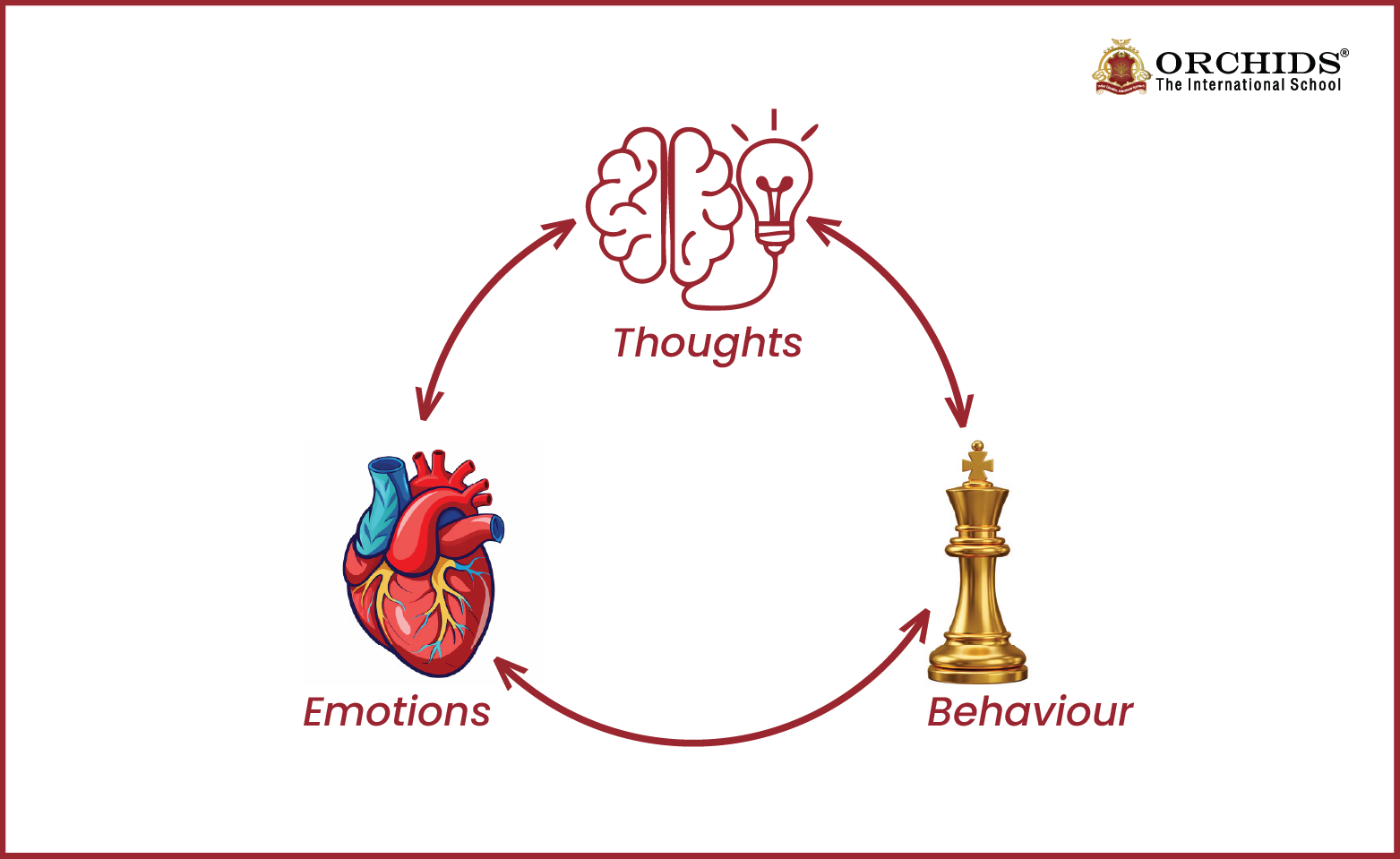
And even doctors may also prescribe medications such as SSRIs (Selective Serotonin Reuptake Inhibitors) or TCAs (Tricyclic Antidepressants) to balance brain chemicals, always under medical supervision.
In severe or treatment-resistant cases, advanced options like Electroconvulsive Therapy (ECT), Transcranial Magnetic Stimulation (TMS), or Ketamine Infusion Therapy can help improve brain function and mood.
So, what about things you can do on your own to prevent depression and anxiety?
Lifestyle changes make a big difference. Regular exercise increases serotonin and endorphins, while avoiding alcohol and drugs prevents symptoms from worsening.
Try sticking to a routine, getting proper sleep, setting boundaries, and staying connected with supportive people; all help you to recover from your depression symptoms..
And you might think: can depression be prevented?
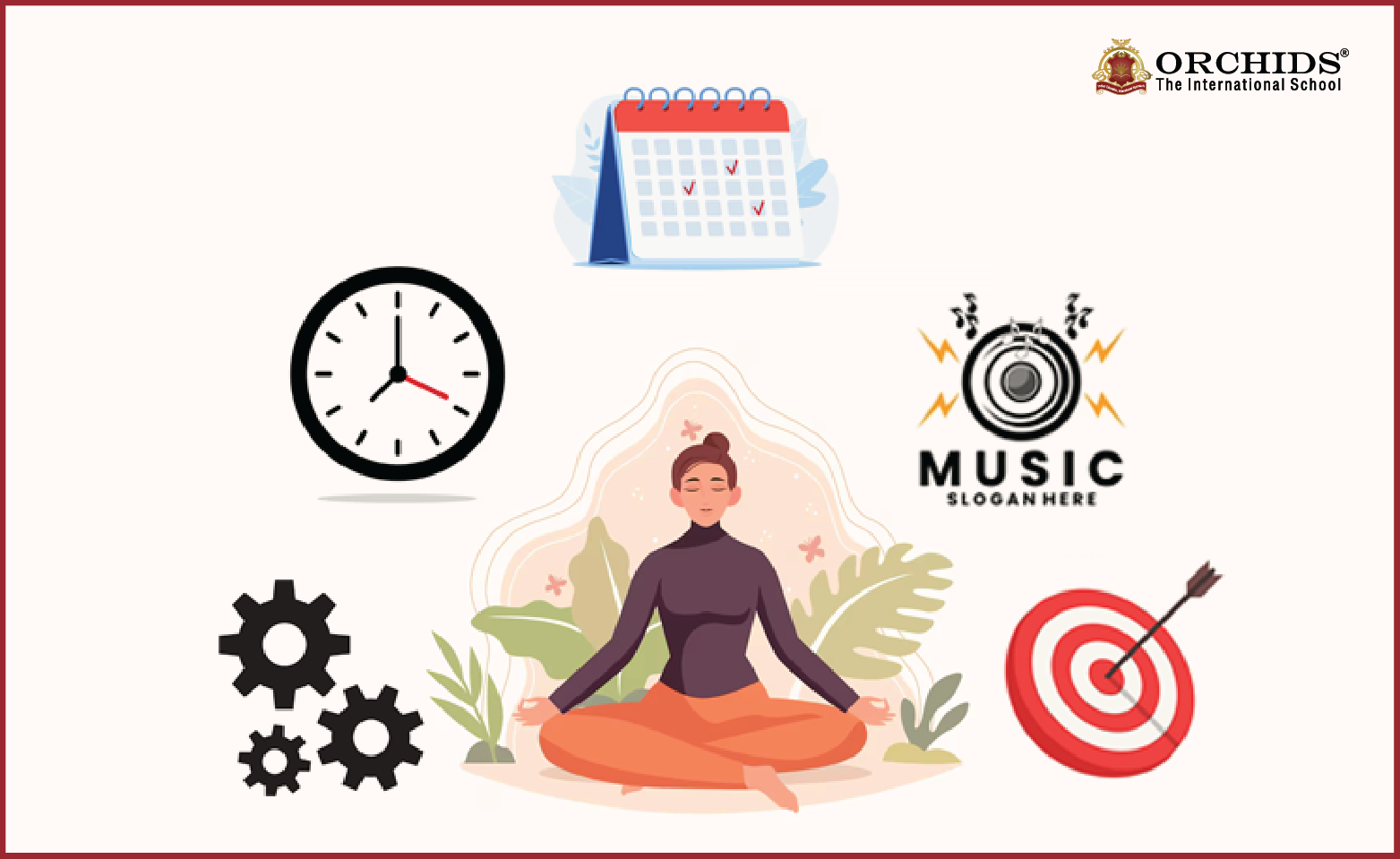
While not always, self-awareness and consistent self-care can reduce its impact. Simple habits like practising yoga or meditation, journaling emotions, joining support groups, spending time in nature, limiting screen time, and celebrating small wins help maintain emotional balance.
In this article, we learnt about depression symptoms and with early diagnosis, the right treatment, and daily care, depression can be managed successfully. Over time, these steps help restore confidence, stability, and mental well-being.
Remember, when you identify the signs and symptoms of depression, especially in yourself or loved ones, take it seriously. There’s help available from therapy and medication to simple lifestyle changes.
Frequently Asked Questions on Depression Symptoms
1. What are the symptoms of depression and anxiety?
Depression and anxiety often occur together, causing sadness, worry, tiredness, restlessness, and sleep problems. You may feel constantly tense, low on energy, and unable to focus.
2. What are the signs and symptoms of depression?
Persistent sadness, loss of interest, guilt, fatigue, changes in sleep or appetite, and poor concentration are common signs.
3. Which of the following is not a symptom of depression?
Constant happiness, high motivation, or sudden bursts of energy are not symptoms of depression.
4. How to find depression symptoms?
Notice ongoing sadness, fatigue, or withdrawal lasting more than two weeks. If these feelings persist, seek professional help.
5. Can depression and anxiety occur together?
Yes, they often do. Anxiety brings worry and restlessness, while depression adds sadness and loss of motivation. Both need proper care and treatment.
6. How long do depression symptoms last?
They usually last at least two weeks for diagnosis, but can continue for months without treatment. Early help makes recovery easier.
7. Are depression symptoms different in men and women?
Yes. Women often feel sadness or guilt, while men may show irritability, anger, or emotional withdrawal.
Science isn't just a subject, it's the way of seeing the world. Curious how Orchids The International School teaches it that way? Talk to our admissions team.
Admissions Open for 2026-27
What type of concept pages would you prefer?
CBSE Schools In Popular Cities
- CBSE Schools in Bangalore
- CBSE Schools in Mumbai
- CBSE Schools in Pune
- CBSE Schools in Hyderabad
- CBSE Schools in Chennai
- CBSE Schools in Gurgaon
- CBSE Schools in Kolkata
- CBSE Schools in Indore
- CBSE Schools in Sonipat
- CBSE Schools in Delhi
- CBSE Schools in Rohtak
- CBSE Schools in Bhopal
- CBSE Schools in Aurangabad
- CBSE Schools in Jabalpur
- CBSE Schools in Jaipur
- CBSE Schools in Jodhpur
- CBSE Schools in Nagpur
- CBSE Schools in Ahmednagar
- CBSE School In Tumkur











Orchids The International School is one of India's leading chains of CBSE and ICSE schools, with 110+ schools across the country.