

Difference Between Active and Passive Immunity
The difference between active and passive immunity is one of those biology topics that really makes you appreciate how amazing the human body is.
Our body is constantly protecting us from countless germs and viruses around us, often without us even realising it. But have you ever wondered how it actually does that?
Well, our immune system has two clever ways to keep us safe. At first, both might sound similar since they defend us from infections, but they work quite differently.
This article covers the difference between active immunity and passive immunity, how each one works, and why both play an important role in keeping us healthy and protected every day.
Table of Contents
- What is Immunity
- Difference between active and passive immunity
- Frequently Asked Questions on Difference Between Active and Passive Immunity

What is Immunity?
Have you ever thought about how your body manages to fight off colds, infections, or minor illnesses on its own?
That’s all because of immunity, your body’s built-in defence system that recognises harmful germs, destroys them, and protects healthy cells.
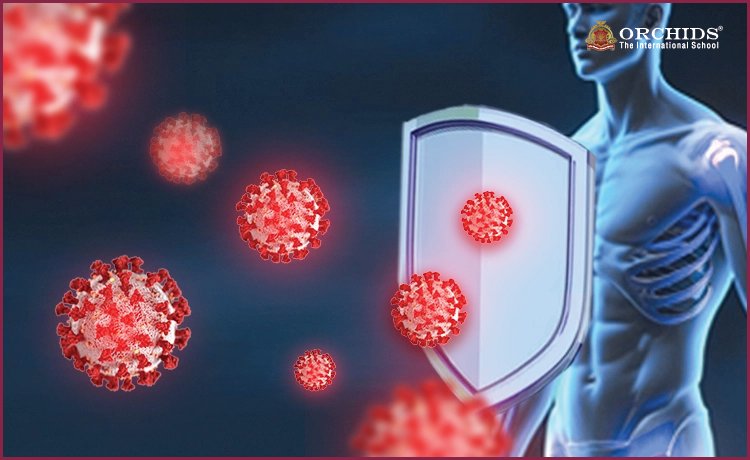
Think of it as a multi-layered security system.
The first line of defence is your skin, saliva, and mucous membranes blocks most germs from entering.
If some still get through, the second line activates, where immune cells like phagocytes quickly attack and destroy them.
The third line, known as adaptive immunity, is even smarter, it learns from each infection and remembers those germs, helping your body respond faster and stronger the next time they appear.
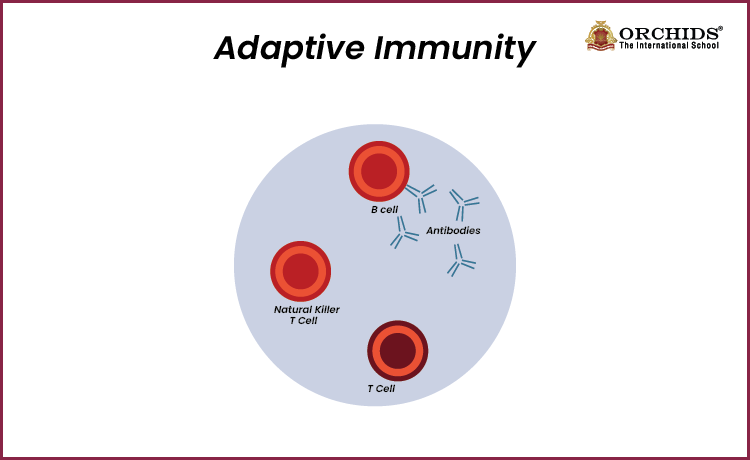
Now, you might be thinking: how does this “memory” part of immunity work?
That’s where the two main types of adaptive immunity come in: active immunity and passive immunity.
- Active immunity builds up when your body learns to fight germs on its own like after recovering from chickenpox or getting vaccinated. This protection can last for years, even a lifetime.
- Passive immunity, on the other hand, gives you ready-made antibodies from another person or animal. It acts fast but fades quickly.
For instance, a baby gets antibodies from the mother, or doctors give antivenom or rabies shots after a bite or sudden infection.
Curious to know the difference between active immunity and passive immunity. Let’s find out
Difference Between Active and Passive Immunity
Here’s a simple comparison that highlights the difference between active and passive immunity clearly:
|
Feature |
Active Immunity |
Passive Immunity |
|
Source of Antibodies |
Produced by the body’s own immune system |
Received from an external source |
|
Onset of Protection |
Takes time to develop (days or weeks) |
Immediate protection |
|
Duration |
Long-lasting, sometimes lifelong |
Short-term, lasting only weeks or months |
|
Memory Cells |
Formed |
Not formed |
|
Example |
Polio vaccine, recovering from chickenpox |
Mother’s milk, rabies antiserum |
|
Immunological Memory |
Present |
Absent |
|
Side Effects |
Usually none |
May cause mild reactions |
|
Occurrence of Immunity |
Not immediate |
Immediate |
Now that you’ve seen the difference between active immunity and passive immunity, it’s easy to understand how active and passive immunisation work in real life.
If we look at it from a microbiology point of view, the difference between active and passive immunity becomes even clearer.
In active immunity, when bacteria or viruses enter the body, they trigger the immune system to produce antibodies. This is how vaccines for diseases like influenza or tuberculosis help your body build lasting protection.
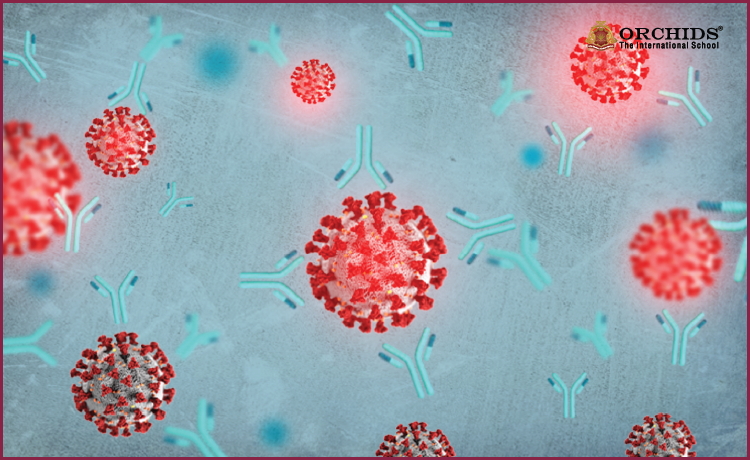
On the other hand, passive immunity comes into play when ready-made antibodies are given directly to a person. This often happens during viral outbreaks or emergencies when immediate protection is needed.
By using both these methods together, doctors and scientists can control infections more effectively and keep communities safer.
And here’s a simple way to recall the concept:
|
So now you know the difference between active and passive immunity and how both play a vital role in keeping us safe from diseases.
By knowing how our body fights infections, we can make better choices like getting vaccinated on time and maintaining a healthy lifestyle to stay protected and strong every day.
Frequently Asked Questions on Difference Between Active and Passive Immunity
1. What is the simple difference between active and passive immunity?
Active immunity means your immune system produces its own antibodies, while passive immunity means you receive ready-made antibodies from another source.
2. Why is active immunity better than passive immunity?
Active immunity lasts longer because your body creates memory cells that remember the infection for future protection.
3. Do vaccines provide active or passive immunity?
Vaccines provide active immunity, as they train your immune system to defend itself.
4. Which type of immunity works faster?
Passive immunity acts immediately, while active immunity takes time to build up but lasts longer.
5. Can a newborn survive without passive immunity?
No, newborns depend on passive immunity from their mothers for the first few months to fight infections.
6. What is the difference between active and passive immunisation?
Active immunisation triggers your immune system through vaccines, while passive immunisation provides ready-made antibodies from another source.
7. Can a person have both active and passive immunity together?
Yes, both can work at the same time. Passive immunity gives quick protection, while active immunity helps the body build lasting defence.
Science isn't just a subject, it's the way of seeing the world. Curious how Orchids The International School teaches it that way? Talk to our admissions team.
Admissions Open for 2026-27
What type of concept pages would you prefer?
CBSE Schools In Popular Cities
- CBSE Schools in Bangalore
- CBSE Schools in Mumbai
- CBSE Schools in Pune
- CBSE Schools in Hyderabad
- CBSE Schools in Chennai
- CBSE Schools in Gurgaon
- CBSE Schools in Kolkata
- CBSE Schools in Indore
- CBSE Schools in Sonipat
- CBSE Schools in Delhi
- CBSE Schools in Rohtak
- CBSE Schools in Bhopal
- CBSE Schools in Aurangabad
- CBSE Schools in Jabalpur
- CBSE Schools in Jaipur
- CBSE Schools in Jodhpur
- CBSE Schools in Nagpur
- CBSE Schools in Ahmednagar
- CBSE School In Tumkur











Orchids The International School is one of India's leading chains of CBSE and ICSE schools, with 110+ schools across the country.