

Difference Between Antigen and Antibody
The difference between antigen and antibody is one of those topics that shows just how smart our immune system really is.
Every single day, our body protects us from countless germs, viruses, and harmful substances, often without us even noticing. But have you ever thought about how it tells the difference between what belongs in the body and what doesn’t?
That’s where antigens and antibodies come in. At first, their names might sound quite similar, but they actually play completely different roles in how our immune system detects and fights infections.
In this article, we’ll look at what sets antigens and antibodies apart, how they work together, and why understanding them is key to knowing how our body defends itself.
Table of Contents
- Understanding antigen and antibody
- Difference between antigen and antibody
- How antigens and antibodies work together
- Frequently Asked Questions on Difference Between Antigen and Antibody

Understanding Antigen and Antibody
Have you ever thought how your body instantly knows when a germ enters and how it fights back? That’s where antigens and antibodies come in your immune system’s alert and defence team.
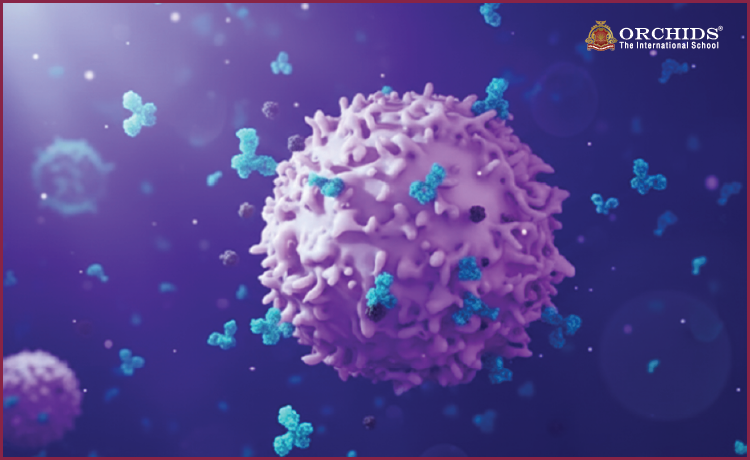
Antigens are tiny markers found on the surface of germs like bacteria, viruses, or fungi.
The moment your body spots them, it recognises, “This doesn’t belong here!” and prepares to fight. Most antigens are proteins or sugars, and based on where they come from, they can be:
- Exogenous enters from outside the body, like pollen, dust, or food.
- Endogenous form inside infected cells.
- Autoantigens confuse the immune system into attacking healthy cells.
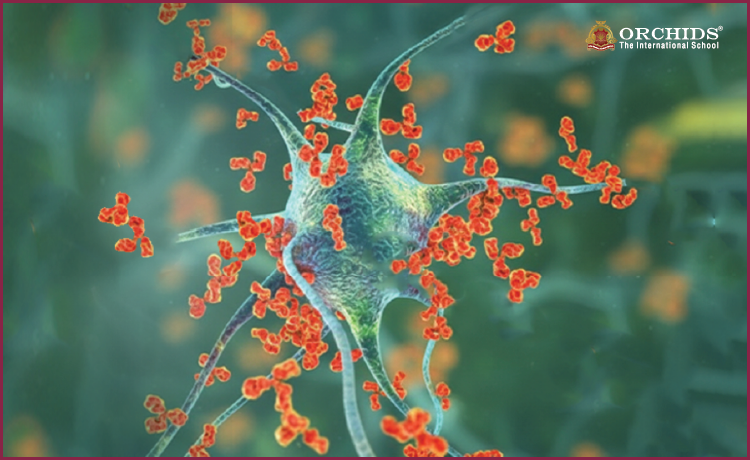
- Tumour antigens appear on cancer cells and help the body recognise them.
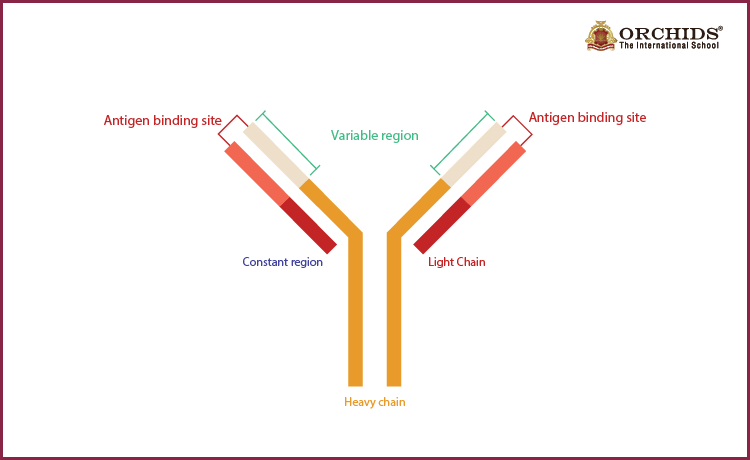
Once an antigen is detected, your immune system produces antibodies, like Y-shaped proteins made by B-cells.
These act like smart defenders, locking onto specific antigens (like a lock and key) to block toxins, neutralise viruses, and signal other immune cells to destroy the invader.
So, in simple words, antigens are like alarms for your body. They alert your immune system whenever something harmful shows up, helping it defend you and keep you healthy.
To understand the difference between antigen and antibody more clearly, check out the visual:
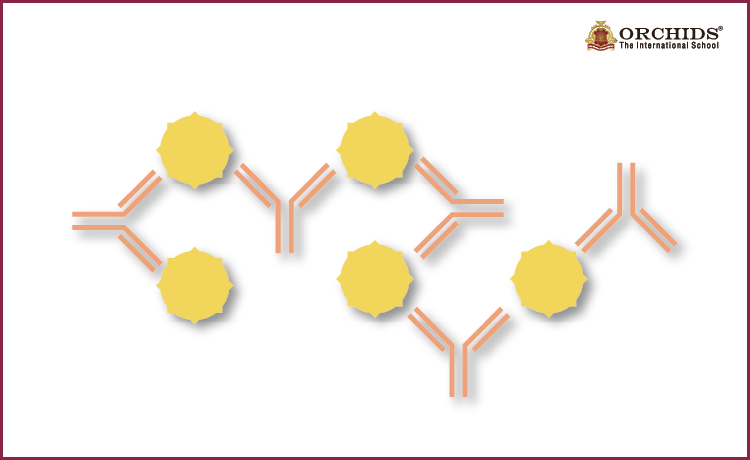
Difference Between Antigen and Antibody
And here’s a simple comparison that clearly shows what is the difference between antigen and antibody:
|
Aspect |
Antigen |
Antibody |
|
Definition |
A foreign substance that triggers an immune response |
A protein made by the immune system to neutralise the antigen |
|
Nature |
Can be lipids, proteins, or carbohydrates |
Glycoproteins |
|
Function |
Initiates the immune reaction |
Binds to and helps destroy the antigen |
|
Produced by |
Pathogens (external source) |
B-cells within the body |
|
Examples |
Bacterial toxins, viruses, pollen |
IgG, IgA, IgM, IgE, IgD |
|
Test Type |
Detects active infection |
Detects immune response after infection |
|
Reaction Type |
Triggers immune response |
Responds to antigen presence |
So, how do doctors figure out if someone is currently infected or has already recovered?
That’s where the difference between antigen and antibody tests becomes important
The antigen test checks if the virus or pathogen itself is present in the body, which helps detect an active infection, especially in the early stages.
The antibody test, on the other hand, looks for antibodies that your immune system has produced after an infection or vaccination. This shows past exposure or immunity.
For example:
- COVID-19 Antigen Test detects viral proteins to confirm an ongoing infection.
- The COVID-19 Antibody Test detects the immune response that develops after recovery or vaccination.
Together, these differences between antigen and antibody tests help doctors determine whether a person is currently infected or has already fought off the infection, giving a complete picture of their immune status.
How Antigens and Antibodies Work Together?
When an antigen enters the body, the immune system sees it as an unwanted guest. To fight it off, special white blood cells called B-cells step in and start producing antibodies that perfectly match that antigen.
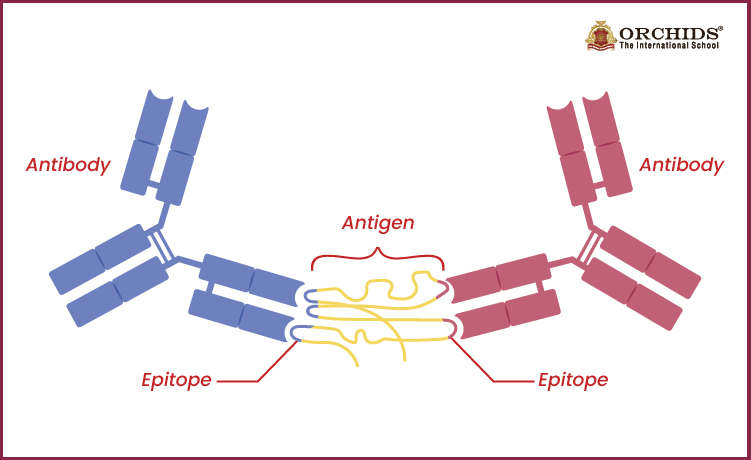
The fact is that these antibodies attach themselves to specific parts of the antigen, known as epitopes, forming what’s called an antigen–antibody complex.
Once this happens, the antigen is either neutralised directly or flagged so other immune cells can destroy it.
And in this article, we learnt that this teamwork between antigens and antibodies is how our body protects us from infections, and also discussed the difference between antigen and antibody test, as it’s also the science behind many vaccines and medical tests we use today.
Frequently Asked Questions on Difference Between Antigen and Antibody
1. What is the difference between antigen and antibody?
An antigen is any foreign substance that triggers the immune system, while an antibody is a protein produced by the body to neutralise or destroy that antigen.
2. What exactly is an antigen and where is it found?
Antigens are found on the surface of pathogens such as bacteria, viruses, or fungi. They can also be toxins, pollen, or other foreign molecules.
3. What is an antibody and how does the body make them?
When an antigen enters the body, B lymphocytes produce antibodies that specifically match and attach to that antigen.
4. How do antigens and antibodies interact to fight an infection?
Antibodies bind to specific antigens to form an antigen-antibody complex, which neutralises or marks the invader for destruction by other immune cells.
5. What is the difference between an antigen test and an antibody test?
An antigen test detects the actual pathogen during active infection, while an antibody test detects the immune response after recovery or vaccination.
6. Can the body’s own cells have antigens?
Yes, certain normal body cells display antigens on their surface for communication with the immune system. However, if the immune system misidentifies them, it may cause autoimmune diseases.
7. Why can’t one antibody fight different viruses?
Each antibody is specific to one antigen. Its binding site fits like a key to a lock, so an antibody made for the flu virus won’t work against the cold virus.
Science isn't just a subject, it's the way of seeing the world. Curious how Orchids The International School teaches it that way? Talk to our admissions team.
Admissions Open for 2026-27
What type of concept pages would you prefer?
CBSE Schools In Popular Cities
- CBSE Schools in Bangalore
- CBSE Schools in Mumbai
- CBSE Schools in Pune
- CBSE Schools in Hyderabad
- CBSE Schools in Chennai
- CBSE Schools in Gurgaon
- CBSE Schools in Kolkata
- CBSE Schools in Indore
- CBSE Schools in Sonipat
- CBSE Schools in Delhi
- CBSE Schools in Rohtak
- CBSE Schools in Bhopal
- CBSE Schools in Aurangabad
- CBSE Schools in Jabalpur
- CBSE Schools in Jaipur
- CBSE Schools in Jodhpur
- CBSE Schools in Nagpur
- CBSE Schools in Ahmednagar
- CBSE School In Tumkur











Orchids The International School is one of India's leading chains of CBSE and ICSE schools, with 110+ schools across the country.