

Biofertilizers
Biofertilizers are natural substances containing beneficial microorganisms that improve soil fertility and promote plant growth. These microbes, such as bacteria, fungi, and cyanobacteria, live near plant roots and help convert unavailable nutrients into forms that plants can easily absorb
This article discusses what biofertilizer are, how they work, their types, examples, applications, and why they’re becoming the essential critetria of sustainable farming.
Table of Contents
- What are biofertilizers
- Types of biofertilizers
- How Do Biofertilizers Work
- Frequently Asked Questions on Biofertilizers

What are Biofertilizers?
Have you ever wondered how plants in some farms grow greener, healthier, and faster, without heavy use of chemicals?
Let’s discuss.
The secret often lies in Biofertilizers. Think of them as tiny, invisible partners working underground to keep plants well-fed naturally.
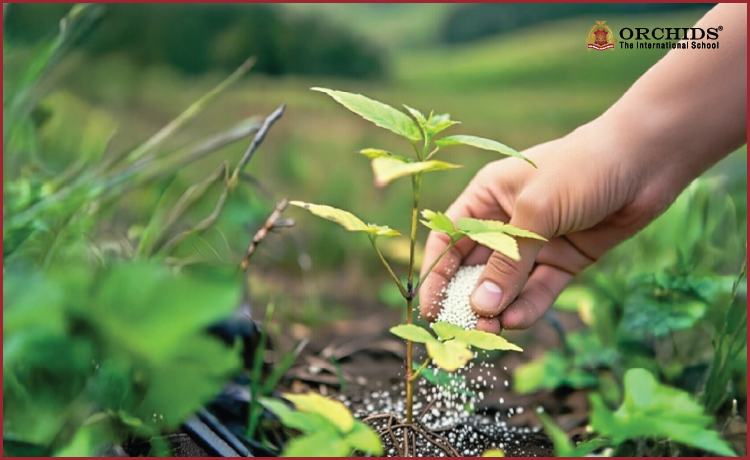
In simpler words, Biofertilizers are like a team of microscopic helpers improving soil health, providing nutrients, and boosting crop yield without harming the environment.
You might ask, “What do these tiny microbes even do?”
Here are some applications of biofertilizers:
- Fix nitrogen from the atmosphere and convert it into plant-usable forms
- Solubilise phosphorus, turning insoluble forms into soluble ones
- Release growth-promoting substances like vitamins and hormones
- Improve soil texture and water-holding capacity
- Increase nutrient availability in the rhizosphere (root zone)
- Seed germination improves noticeably, and young plants develop more vigorously when biofertilizers are used.
- A protective layer of beneficial microbes forms around the roots, limiting the damage caused by harmful pathogens.
- Plants become more resilient to drought, salinity and poor soil conditions due to better nutrient uptake and stress tolerance.
- Soil biodiversity increases as beneficial microorganisms return and help rebuild a healthy soil ecosystem.
- Dependence on chemical fertilisers steadily decreases because nutrients become naturally available in the soil.
This is how Biofertilizers quietly enrich soil fertility while reducing dependence on chemical fertilisers.
Types of Biofertilizers
And biofertilizers can be grouped based on how the microbes interact with plants and soil, each playing a unique role in enhancing nutrient availability and supporting plant growth.
1. Symbiotic Nitrogen-Fixing Bacteria, these bacteria form close partnerships with specific plants, for example, of biofertilizer such as Rhizobium in legume root nodules, where they fix atmospheric nitrogen and supply it directly to the plant, promoting healthy growth.
Moreover, symbiotic nitrogen-fixing cyanobacteria and an example of biofertilizer for this, such as Anabaena, which live inside Azolla (a water fern), thrive in waterlogged fields and naturally fix nitrogen, enriching paddy soils and boosting rice cultivation.
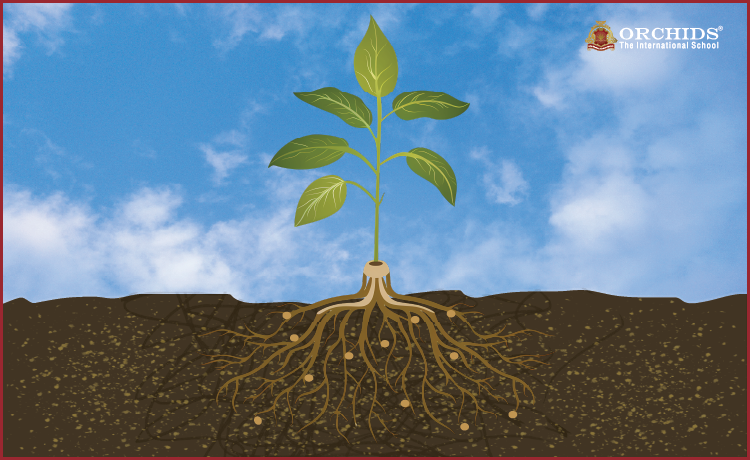
2. Loose Association Nitrogen-Fixing Bacteria like Azospirillum live around plant roots without forming tight bonds but feed on root exudates and return nitrogen to the plant, supporting growth indirectly.
3. Free-Living Nitrogen-Fixing Bacteria and examples of biofertilizer like Azotobacter and Clostridium, survive independently in the soil and fix nitrogen on their own, making them versatile and widely useful across different soil types.
By understanding these types, farmers can select the right biofertiliser for their crops, enhance soil fertility, reduce chemical fertiliser use, and promote sustainable agriculture.
How Do Biofertilizers Work?
And have you ever thought how farmers grow healthy crops without relying solely on chemical fertilisers?
The answer lies in biofertilizers, natural products containing beneficial microbes that enrich soil, enhance plant growth, and promote sustainable farming.
And what exactly goes into a biofertilizer?
Modern formulations combine several components, each with a unique role:
- Bio compost, this decomposed organic matter is essential because it is packed with microbes that enhance soil structure and increase nutrient content.

- Tricho-Card, here crops can naturally defend against pests with Tricho-Card, which introduces beneficial fungi that protect plants from harmful pathogens.
- In Azotobacter formulations, plants receive nitrogen through Azotobacter bacteria, which fix atmospheric nitrogen directly at the roots.
- Phosphate-solubilising microorganisms (PSM), certain microbes, such as Penicillium fungi and Bacillus bacteria, make phosphorus more accessible for plants, promoting better growth.
- Vermicompost, earthworms play a vital role in enriching soil; vermicompost not only supplies nutrients but also improves beneficial microbial activity.
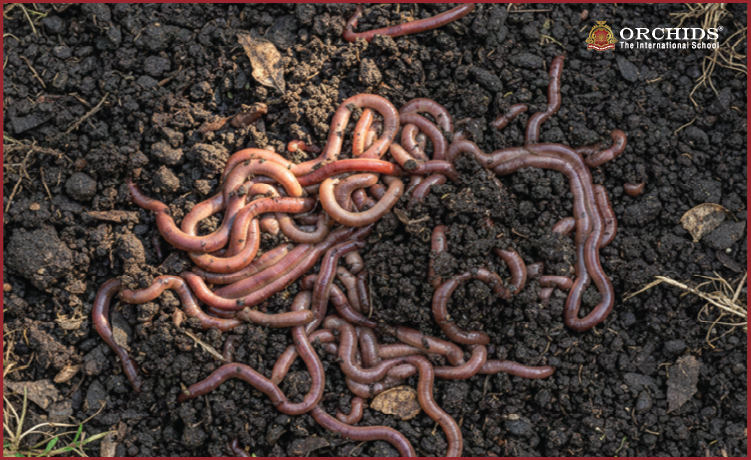
Each component plays a role; some improve nutrients, others protect crops, working together to create a healthy soil ecosystem.
Now you might wonder: Why not just use chemical fertilisers?
Let’s find out.
While chemical fertilisers give quick results, biofertilizers offer long-term benefits:
- Improved soil health enhances fertility and structure gradually.
- Natural disease protection, beneficial microbes reduce plant diseases without harmful chemicals.
- Environmentally friendly, safe for humans, animals, and ecosystems.
- Cost-effective and reduces long-term production costs and dependency on synthetic inputs.
Another question arises: How can farmers get the best results from biofertilizers?
Let’s discuss.
There are three practical ways:
- Seed treatment or coating seeds with biofertilizer slurry improves germination and early root growth.
- Soaking rice or similar crop seedlings before transplantation enhances establishment and resilience.
- Soil enrichment by mixing biofertilizers with compost and spreading it in fields introduces beneficial microbes that improve nutrient availability and crop health.
So, what’s the takeaway?
In this article, we discussed what biofertilizer are, why they matter, and how to apply them. Farmers can grow healthier crops, improve soil fertility, and practice sustainable, eco-friendly agriculture. By combining these practices, farmers can reduce chemical dependency, increase crop yields, and sustain soil fertility for the long term.
Frequently Asked Questions on Biofertilizers
1. What is Biofertilizers?
Biofertilizers are natural inputs containing living microorganisms that enhance nutrient availability in the soil and support healthy plant growth.
2. What advantages do they have over chemical fertilisers?
They are non-toxic, cost-effective, environmentally safe, and help maintain soil fertility by improving soil microbes and long-term soil health.
3. Why are Biofertilizers needed?
They help reverse the decline in soil quality caused by excessive chemical fertiliser use, restoring nutrient balance and improving soil productivity.
4. How do biofertilizers enrich the fertility of the soil?
Biofertilizers enrich soil fertility by introducing beneficial microbes that fix nitrogen, solubilise phosphorus, and decompose organic matter, improving nutrient availability and soil structure naturally.
5. Which of the following is not a biofertilizer?
Chemical fertilisers, such as urea or superphosphate, are not biofertilizers because they provide nutrients directly without involving living microorganisms.
6. How are biofertilizers more beneficial as compared to chemical fertilizers?
Biofertilizers are eco-friendly, improve soil health over time, reduce dependency on chemical inputs, and enhance crop growth sustainably without causing soil or water pollution.
Science isn't just a subject, it's the way of seeing the world. Curious how Orchids The International School teaches it that way? Talk to our admissions team.
Admissions Open for 2026-27
What type of concept pages would you prefer?
CBSE Schools In Popular Cities
- CBSE Schools in Bangalore
- CBSE Schools in Mumbai
- CBSE Schools in Pune
- CBSE Schools in Hyderabad
- CBSE Schools in Chennai
- CBSE Schools in Gurgaon
- CBSE Schools in Kolkata
- CBSE Schools in Indore
- CBSE Schools in Sonipat
- CBSE Schools in Delhi
- CBSE Schools in Rohtak
- CBSE Schools in Bhopal
- CBSE Schools in Aurangabad
- CBSE Schools in Jabalpur
- CBSE Schools in Jaipur
- CBSE Schools in Jodhpur
- CBSE Schools in Nagpur
- CBSE Schools in Ahmednagar
- CBSE School In Tumkur











Orchids The International School is one of India's leading chains of CBSE and ICSE schools, with 110+ schools across the country.